Toy Retailer Poly Mailers material guide starts with a practical truth: the item that looks easiest to ship is often the one that fails first. A plush toy with soft edges may seem harmless, yet it can still burst through a weak seam or abrasive film after a few conveyor drops and a rough delivery route. Material choice is not just about thickness. It also includes resin blend, seal performance, opacity, stretch recovery, and how the bag behaves once it has been squeezed, stacked, and handled by people who are moving fast.
For toy retailers, the packaging problem is rarely simple. One order may contain a flat card game. The next could be a boxed figure with corners, a fabric costume, or a bundled accessory pack that shifts inside the mailer. The right bag keeps damage low, speeds up packing, and looks clean on arrival. The wrong one saves a few cents and then quietly spends that money back through returns, repacks, and labor.
That is the real purpose of a Toy Retailer Poly Mailers material guide: to match the film to the product, the warehouse, and the brand standard without drifting into overbuilt packaging that slows the line or underbuilt packaging that raises risk.
What Toy Retailer Poly Mailers Material Guide Means
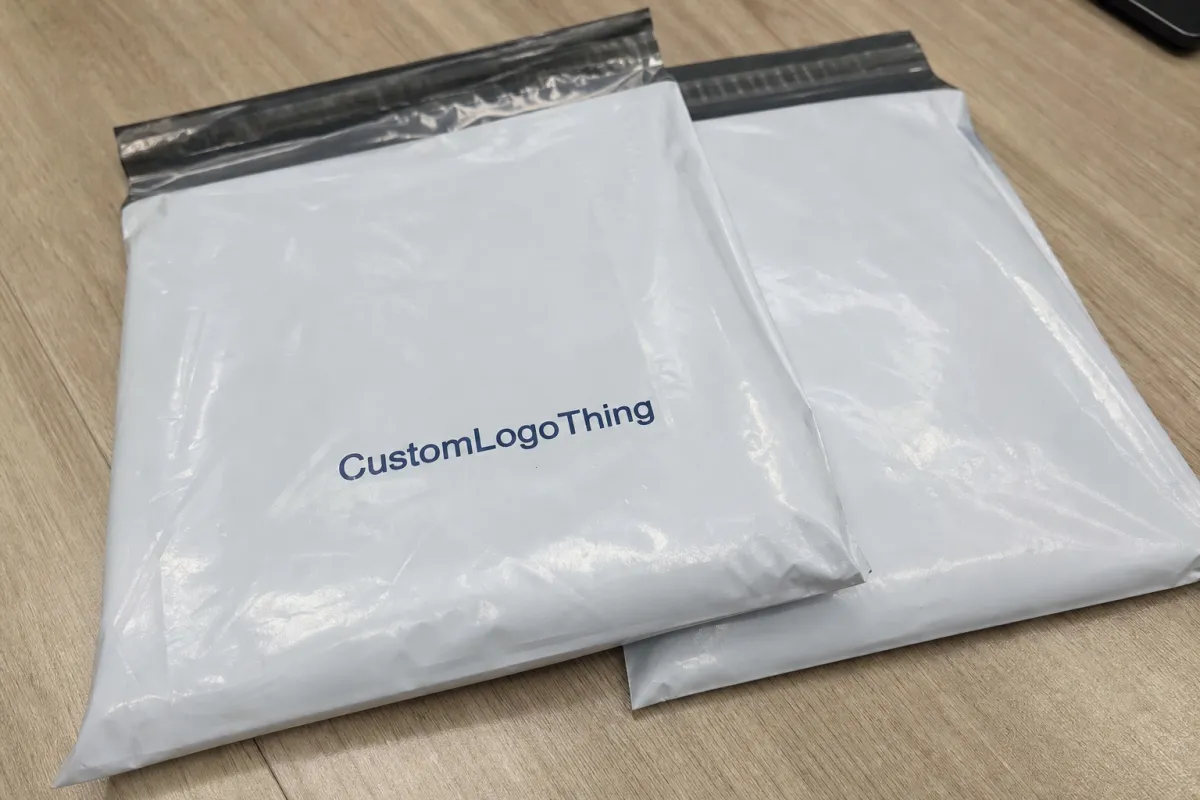
The phrase sounds technical, but the decision behind it is straightforward. A mailer spec should tell you what kind of film you are buying, how it seals, how much abuse it can take, and whether it fits the mix of toys you ship most often. The material itself is only part of the picture. Weld quality, adhesive behavior, print surface, and opacity all matter once the shipment leaves the warehouse.
Toy retail is a mixed-SKU business by nature. Soft goods, flat toys, small boxed items, and seasonal bundles all behave differently in transit. A mailer that works well for a plush item may not hold up around a rigid blister pack or a narrow box with sharp corners. That is why a buyer should think in terms of order profile, not just unit price.
The useful question is not “What is the strongest bag?” It is “What is strong enough for the most common order without slowing everything else down?” In practice, the best choice usually balances four pressures:
- Protection against puncture, tear, scuffing, and moisture.
- Speed on the packing line, especially during seasonal spikes.
- Presentation so the parcel looks deliberate, not improvised.
- Total cost including freight, storage, labor, and returns.
That is also why a poly mailer should be judged alongside the rest of the packout. Some toy shipments do well in Custom Poly Mailers. Others need Custom Packaging Products such as inserts, cartons, or rigid support. If the item has hard corners or a fragile retail box, the mailer may need backup rather than carrying the load by itself.
How Poly Mailer Films Protect Toys in Transit
The film does most of the work. Multilayer construction can improve puncture resistance, tear control, and stretch recovery, which matters when a parcel gets squeezed between heavier boxes or dragged across sorting surfaces. A single-layer bag may be fine for soft, low-profile items. A coextruded film usually gives more margin because each layer can contribute a different property: one for toughness, one for sealability, one for surface finish.
Moisture resistance and load-bearing strength are not the same thing, and that distinction causes a lot of bad buying decisions. A poly mailer protects well against rain, splashes, and damp docks, but water resistance does not make the film immune to a sharp toy corner or a hard edge pressing against the wall of the bag. The failure mode is often mechanical, not environmental.
For toy shipments, mailers usually make sense for:
- Soft goods like plush toys, costumes, and fabric play accessories.
- Flat items such as card decks, sticker packs, books, or activity sets.
- Lightweight boxed products with smooth edges and stable dimensions.
- Bundled orders that stay compact and do not have rigid protrusions.
They are a weaker choice for products with exposed corners, brittle plastic windows, or shapes that can act like a blade under pressure. In those cases, a box, inner wrap, or padded outer is the better option. That is not a failure of the mailer. It is simply the wrong tool for the job. One of the more useful habits in a toy retailer Poly Mailers Material guide is knowing when to stop trying to make a mailer solve a box problem.
For a rough field check, compare the sample against the handling it will actually see after it leaves the warehouse. Parcels get dropped, scraped, stacked, and squeezed far more often than a bench sample suggests. Testing methods from the ISTA community are a good reference point for drop and vibration expectations. The goal is not lab perfection. It is enough confidence that the bag survives the route it will actually travel.
If the product can poke, bend, or press hard against the wall of the bag, test it before you commit to volume.
Material Specs That Change Fit, Finish, and Durability
Three variables move quickly from “good enough” to “better choice”: resin type, thickness, and seam or closure design. LDPE is common because it is flexible and seals cleanly. Coextruded blends often perform better on tear resistance and print quality. Recycled-content films can work well too, but only when the blend is clearly specified and the sample is tested with real packed orders. Recycled material is less predictable from supplier to supplier than many buyers expect.
Thickness is usually discussed in mils or microns, but the operational question is simpler: does the bag feel flimsy, adequate, or overbuilt? A modest increase in film weight can improve puncture resistance without making the mailer stiff or hard to seal. Thicker is not automatically better. If the bag becomes bulky, the item may no longer fit, or the packer may spend extra time forcing the adhesive to close over a full load. In a high-volume operation, a few seconds per pack becomes real money.
Opacity is another spec that changes the customer experience more than people expect. Many retailers want the contents hidden for security and presentation. Darker outer films or printed graphics reduce show-through and give the package a cleaner look at the doorstep. That matters even when the toy itself is the main product; the outer bag is still the first physical impression.
Here is a practical comparison buyers can use early in sourcing:
| Material option | Typical performance | Price impact | Best fit for toy orders |
|---|---|---|---|
| LDPE | Flexible, easy to seal, good everyday use | Lower | Soft goods, flat accessories, simple stock orders |
| Coextruded blend | Better tear control, stronger feel, better print surface | Moderate | Mixed SKU packs, custom branding, more handling |
| Recycled-content film | Variable by blend, capable when specified well | Low to moderate | Buyers with recycled-content goals and testing discipline |
Before placing a larger order, I would run four simple checks: a drop test with packed product, an abrasion check on the print and seams, a temperature swing test if the warehouse is hot or cold, and an adhesive check after the parcel has sat for a few hours. Adhesive performance can change in humid storage or low temperatures. A seal that looks perfect on a sample bench may behave differently on a dock at 6 a.m.
For sustainability claims, precision matters. Recycled-content poly mailers are not the same thing as biodegradable packaging, and those terms should not be blurred. Recycled content can reduce virgin resin use, but the actual performance depends on the blend and the thickness. If the goal is lower impact, many buyers get a bigger benefit from right-sizing the bag, reducing damage, and confirming documentation for any recycled-content claim than from chasing a vague green label. That is a more defensible approach for both operations and compliance.
Poly Mailer Cost, MOQ, and Unit Pricing Factors
Cost is where the project gets real. The biggest drivers are bag size, film weight, print coverage, number of colors, recycled content, and whether the order is stock or custom printed. Larger mailers use more resin. Heavier films raise material cost directly. More print colors increase setup and press time. If the artwork is simple and the run is large, unit price tends to fall. If the design is complex or the run is short, the quote moves the other way.
For context, stock poly mailers in simple constructions often sit in a lower price band, while custom printed or specialty films usually rise into a higher band. A broad market range might look like roughly $0.07 to $0.14 per unit for basic stock bags and about $0.12 to $0.30 or more for custom printed versions, depending on size, film spec, and volume. Those figures shift with resin markets, freight, and print complexity, so they are only a planning guide.
MOQ changes the math as well. A larger minimum order quantity can produce a lower unit rate, but only if the retailer can actually use the inventory without tying up cash or storage space. Seasonal toy programs often benefit from a smaller test run first, especially if the assortment changes often or the brand is still learning which size range ships best in a mailer.
There are hidden costs that matter more than many buyers admit:
- Freight on bulky cartons of mailers can erase a low unit price.
- Storage becomes a problem if the MOQ is larger than the warehouse needs.
- Reorders happen when the bag is the wrong size and product must be repacked.
- Labor rises when the adhesive is slow, the film is awkward, or the fit is poor.
Landed cost matters more than sticker price. A mailer at $0.14 that causes slow packing and a few percent more returns may cost more than a mailer at $0.20 that fits correctly and seals cleanly. In a busy fulfillment line, a few seconds saved per pack can outweigh a small resin savings very quickly. That is why a toy retailer Poly Mailers Material guide should compare operating cost, not just the quote.
A simple way to structure a sourcing conversation is to sort the options into three tiers:
- Economy for simple, low-risk orders where print and finish are basic.
- Balanced for custom branding, better tear resistance, and everyday retail use.
- Premium for higher-opacity prints, stronger blends, or specialty recycled-content needs.
From there, match the tier to the actual SKU mix. If most orders are soft goods and flat items, it makes little sense to pay for a heavy-duty film built for sharp-edged boxes. If bundled toy sets make up a meaningful share of shipments, extra strength may be a wise spend. The best packaging spec usually tracks the real order profile, not a generic idea of what “good” should cost.
Production Steps, Timeline, and Lead Time Planning
A clean production process keeps the project calmer. The usual sequence is specification, artwork, proofing, prepress, film production, printing, converting, packing, and shipment. Once that order is clear, a buyer can spot delays before they become expensive. The biggest mistake is waiting until the seasonal launch is close and then asking for size changes or proof revisions.
Lead time depends on a few predictable variables. Artwork approvals can be the slowest if logos are still changing or if the print file needs cleanup. Material sourcing matters too, especially with recycled-content film or a specific opacity target. Print complexity changes the pace as well; a one-color logo on a stock bag is a very different job from a fully printed custom piece with several colors and heavier ink coverage. Supplier queue matters, too. Rush work is possible sometimes, but only if the line has room and the spec is simple enough.
As a planning benchmark, simple custom runs often move faster than specialty-material jobs. A reasonable range is about 7 to 14 days for stock items, 3 to 6 weeks for standard custom runs, and longer if the artwork, film blend, or testing requirements are more complex. Add time for a sample or two. If the first sample reveals a sizing issue or an adhesive problem, catching it early is far cheaper than discovering it after the full order is packed.
For seasonal toy programs, a steady timeline matters as much as the spec itself. A delayed mailer can throw off the launch even if the product is ready. That is why the packaging plan should be built against the retail calendar, not as an afterthought to it.
A practical planning rhythm looks like this:
- Finalize the SKU list and dimensions first.
- Approve the bag size and film spec next.
- Review the printed proof and sample together.
- Run a small pilot shipment before full rollout.
- Keep a replenishment cushion for peak season.
If the retailer already uses kraft paper inserts, corrugated cardboard cartons, or a standard labeling system, the mailer should fit that broader packout instead of standing alone. The outer shipper, the insert, and the mailer should all point in the same direction: fewer damages, cleaner presentation, less rework.
Common Mistakes When Choosing Retailer Mailers
The first mistake is buying the thinnest film possible just to hit the lowest unit price. That often creates more damage, more complaints, and more replacement labor than it saves. A slightly stronger bag usually pays for itself if it reduces seam splits, tear-outs, and crushed returns. The cheapest quote is not always the cheapest outcome.
The second mistake is forcing one size to cover everything. Toy assortments are too varied for that to work well. A bag that fits a small plush item may be awkward for a larger accessory set, while a larger bag leaves too much empty space around a smaller one. That extra void can make sealing less secure, increase material waste, and give the parcel a sloppy look.
The third mistake is overlooking closure performance in difficult storage conditions. Cold warehouses can make adhesive less cooperative, and humid conditions can change how the seal behaves over time. A mailer that closes cleanly on a warm sample bench may fail under rough handling if the strip does not bond well in real conditions. That is why warehouse testing belongs in the toy retailer poly mailers material guide, not just spec comparison.
The fourth mistake is trusting lab numbers alone. Lab data is useful, but it does not always predict what happens on a busy shipping line where packers move quickly and product shapes vary. The sample should be packed by the people who will use the final mailer with the toys that ship most often. If the bag is slow to load, hard to seal, or visually awkward, the issue will show up there first.
One more point: do not force a mailer to do the work of a box. When a product has sharp edges, brittle packaging, or too much movement inside the pack, use a box or hybrid packout instead. A little extra corrugated cardboard can be cheaper than a wave of damaged goods. Good packaging design is about the right material for the product and the route, not the lightest possible choice.
Expert Selection Checklist and Next Steps
The fastest way to choose well is to build a simple SKU matrix before ordering anything. Group products by size, weight, surface shape, and fragility. Mark which items are soft, flat, rigid, or corner-heavy. That one exercise usually makes the right mailer choices obvious because a toy assortment is rarely uniform enough to treat every item the same way.
Once the matrix is done, order sample sets and have the actual packers use them. Do not inspect the sample only in an office. Watch how it loads, how quickly the adhesive grabs, how the print looks under warehouse lighting, and whether the product shifts during seal-down. The best material is the one that works cleanly in real hands.
After that, compare the options on four practical points:
- Protection for the product shapes you ship most.
- Presentation for brand consistency and privacy.
- Cost on a landed basis, not just unit price.
- Lead time so the supply plan matches demand.
If two options look close, pick the one that fits the most common order first. That usually gives the highest return on effort. Then place a pilot order, inspect transit results, and scale once the data looks good. A tight toy retailer poly mailers material guide does not promise perfection. It gives buyers a defensible spec that protects products, keeps the line moving, and avoids the kind of packaging mistake that shows up only after the first peak-season wave.
FAQ
What material is best for toy retailer poly mailers when shipping lightweight products?
A coextruded LDPE blend is often the best starting point because it balances flexibility, puncture resistance, and seal strength without adding unnecessary bulk. For soft goods or flat accessory packs, choose a film that resists tears and moisture rather than overspecifying a heavy bag that raises cost. If the product has sharp edges or rigid corners, move to a box or add an inner layer instead of relying on the mailer alone.
Are recycled-content poly mailers strong enough for toy orders?
Yes, many recycled-content films perform well if the blend, thickness, and seam quality are specified correctly and tested with real packed orders. Ask for samples and check puncture resistance, closure performance, and print quality because recycled content can vary more than standard resin. Use the same transit tests you would use for virgin film so you can confirm it holds up under your actual shipping conditions.
How do I choose the right thickness for toy retailer poly mailers?
Start with the product’s weight, shape, and corner profile, then match the gauge to the amount of handling the parcel will see. A thicker film is not always better if it makes packing slower or pushes the bag above the size and cost level you need. Test two or three thickness options side by side, then compare seal speed, damage rate, and total landed cost.
What affects poly mailer pricing the most for toy retailers?
Size, film weight, print coverage, color count, recycled content, and order volume usually have the biggest impact on unit cost. Freight and storage can matter just as much as the bag price, especially when the order is oversized or the MOQ is high. The cheapest quote is not always the lowest total cost if the mailer causes returns or packing delays.
How long does production usually take for custom toy retail mailers?
Lead time depends on artwork approval, material availability, print complexity, and the supplier’s production queue. Simple custom runs move faster than heavily printed or specialty-material jobs, especially when proofs are approved quickly. Build in extra time for samples and revisions so the final shipment does not collide with a seasonal toy launch.


