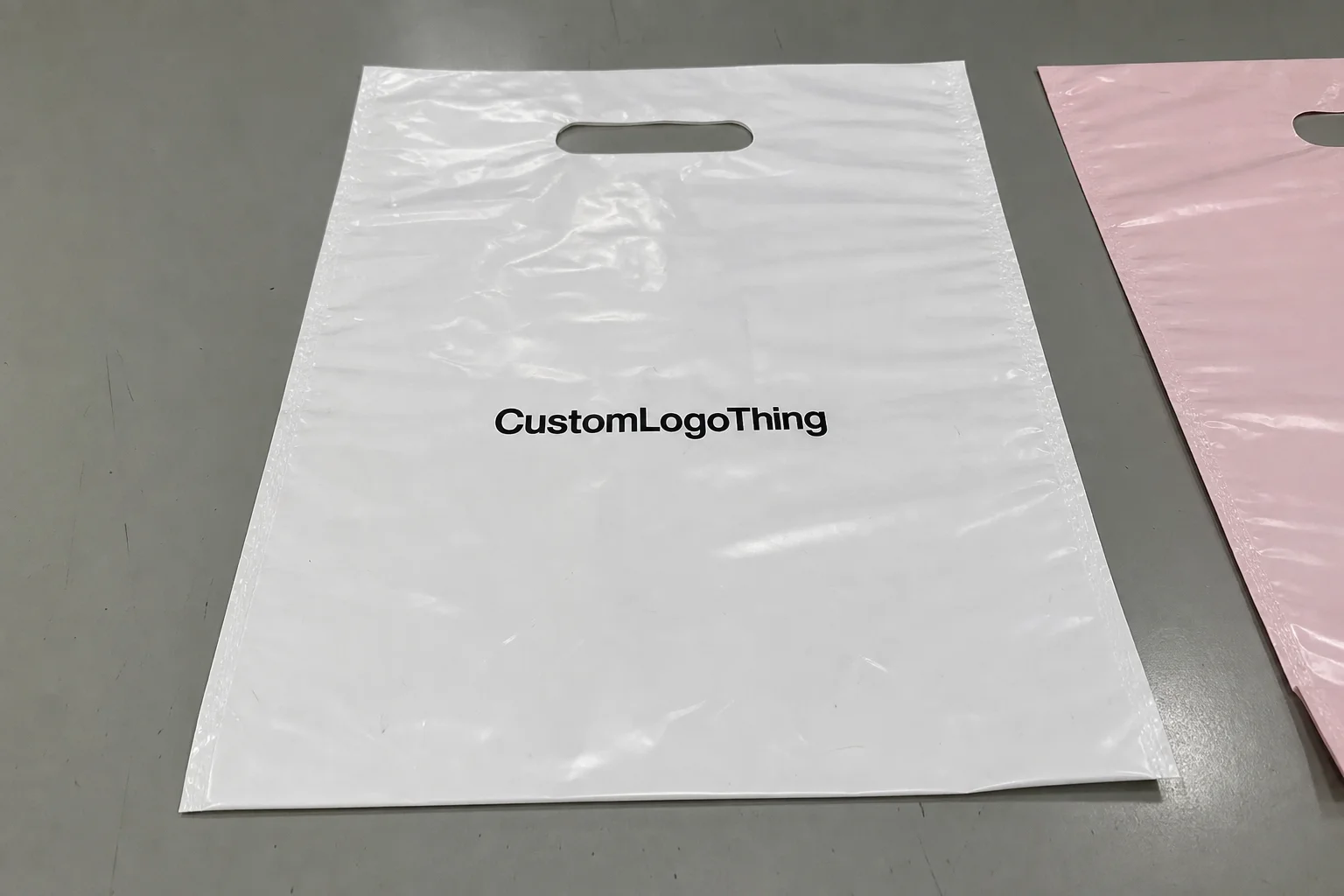
Toy Retailer Poly Mailers sample approval is where packaging programs either stay controlled or start leaking money in small, irritating ways. A mailer can look perfect in a PDF and still fail in hand if the film feels flimsy, the seal grabs unevenly, or the toy shifts just enough to wrinkle the front panel. Those are not cosmetic issues. They are production issues, warehouse issues, and sometimes return issues dressed up as design choices.
For toy buyers, the sample is the first real test of whether the bag works for the product, the packing line, and the route it has to survive. Seasonal toys are especially unforgiving. One month the item is a compact plush. The next it is a boxed bundle with a hanging card, a scratch-off promo, and a shape that refuses to sit flat. That is why it helps to compare the mailer spec against the actual product, not against a mental image of the product. The material options on our Custom Poly Mailers page and the broader Custom Packaging Products catalog make it easier to weigh print quality against film weight, closure style, and packing speed.
Outside references are useful too. ISTA gives a framework for distribution testing, and FSC matters if your packaging program includes paper components elsewhere in the line. Neither one replaces a physical sample. They just keep the decision grounded in something more useful than optimism.
Why sample approval matters for toy packaging
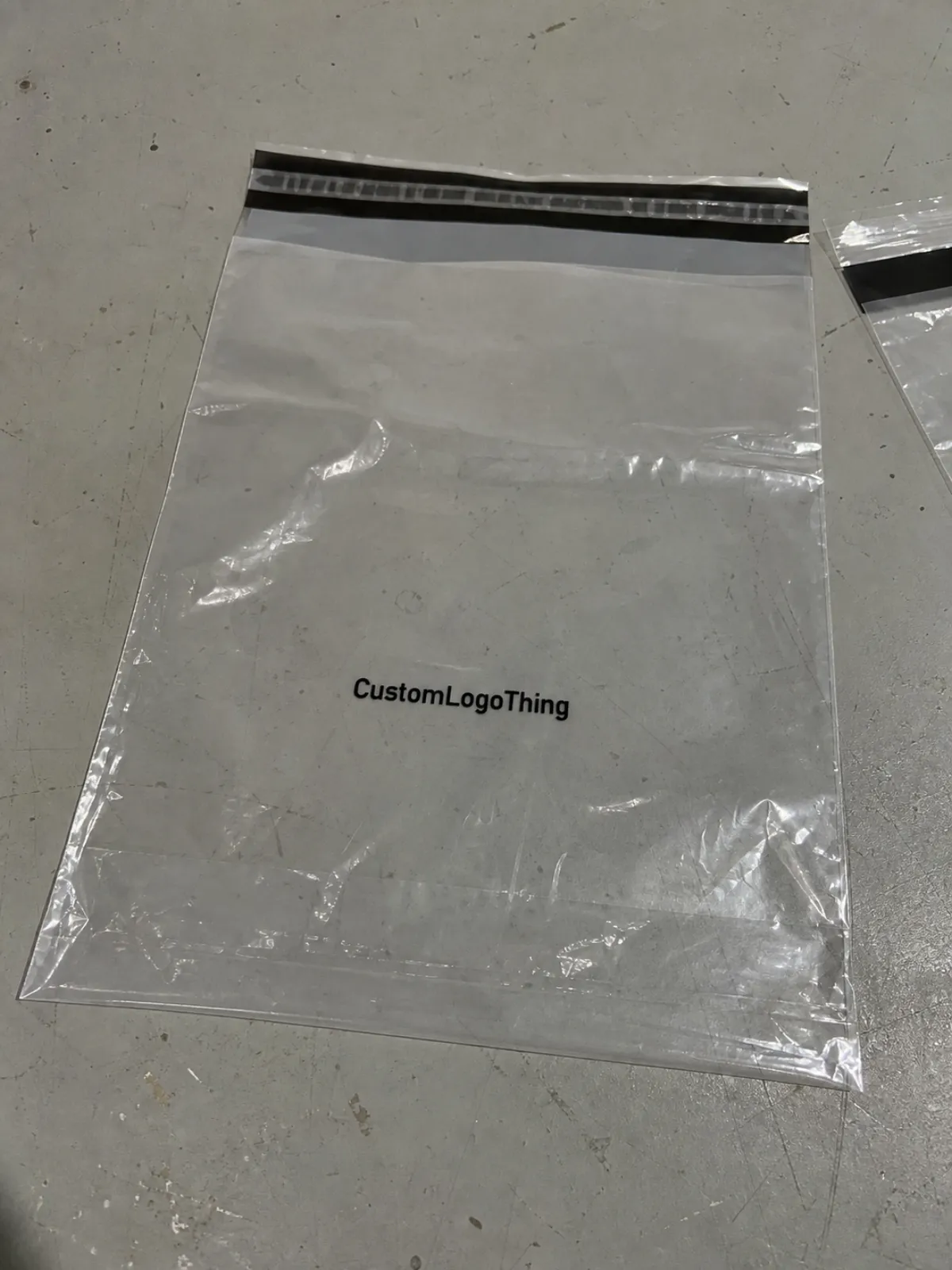
Most poly mailer failures do not begin with the artwork. They begin with fit and handling. A bright, polished design can still create problems if the toy is too tight in the bag, the adhesive strip curls after one open-and-close cycle, or the film shows scuffs before it ever reaches a shelf. Toy packaging magnifies those flaws because the product shapes are often awkward, the weights are inconsistent, and the margin for sloppiness is thin.
That is the real function of sample approval: it prevents a low-cost packaging choice from becoming a high-cost correction. For a 500 to 2,000 piece seasonal run, a bad sample can erase the savings fast. Rework, freight, and remaking art files usually cost more than the sample ever did. For retailers handling mixed bundles or boxed toys, the risk is even stranger. A size that works for one SKU may force a second order for the same campaign, which is how a simple mailer program turns into two timelines, two budgets, and one annoyed operations team.
A sample is not a decorative preview. It is a working model. It should answer a practical question: can this mailer protect the toy, move through packing without slowing people down, and still look credible when the shipment is received, shelved, or opened by a customer? If the answer is yes, the specification has a chance. If the answer is no, the problem should be fixed before production starts.
A sample is approved because it fits the product, holds up in handling, and performs like the order needs it to perform. Nice color alone does not qualify.
That sounds obvious, but it is where many teams drift. They approve from the proof, trust the art, and assume the packaging mechanics will sort themselves out. They rarely do. Toy products are often bundled, irregular, or attached to display components that add a few millimeters in the worst possible place. That small mismatch is enough to bend the top edge, stretch the seal, or make the whole pack look rushed.
Toy Retailer Poly Mailers Sample Approval: What Gets Checked First
Before anyone says yes, toy retailer Poly Mailers Sample Approval should answer a simple operational question: does the sample work in the real order? That means looking beyond print and into the parts that affect fit, speed, and durability. A good sample review starts with size, then moves to closure behavior, film structure, and the way the artwork lands on the actual bag.
Size comes first because “large enough on paper” is not the same as “usable on the packing table.” A mailer can be technically wide enough and still bunch at the corners, crush the header card, or leave no room for the seal to close cleanly. For toy retailers, that matters more than for many other categories because products are often irregular rather than rectangular. A plush toy squashes differently than a boxed toy. A bundle pack with a hang tag behaves differently again. The sample has to prove the bag can take the shape without looking stressed.
Then comes the seal and closure. If the adhesive strip grabs too hard, packers slow down. If it is too weak, the mailer becomes a returns problem or a receiving-room complaint. The feel of the closure matters too. You can learn a surprising amount from five minutes at a bench: whether the release liner peels cleanly, whether the closure sticks evenly, and whether the seal edge stays flat after pressure.
Artwork is the part people notice first, but it should not be the only thing anyone reviews. Placement near the seal line can warp the logo. A glossy film can make color pop, yet also expose scuffs faster. Matte film hides minor scratches better, but it can flatten the visual impact of toy graphics if the artwork depends on bright contrast. The sample should settle those tradeoffs in the actual material, not in an attachment.
There is also a governance problem inside many teams. Merch wants the brand to look right. Operations wants the bag to pack quickly. Purchasing wants the quote to match the spec. All three are valid, and all three can be wrong if nobody owns the final decision. The cleanest programs assign one person to gather feedback and one person to sign off. Without that, sample approval turns into a chain of almost-yes decisions that no supplier can act on.
- Merchandising: checks logo placement, color accuracy, and shelf presentation.
- Operations: checks pack speed, fit, closure behavior, and handling.
- Purchasing: checks MOQ, lead time, freight, and total landed cost.
The phrase Toy Retailer Poly Mailers sample approval sounds narrow, but the review is broader than the keyword suggests. You are not just approving a printed bag. You are approving the packaging behavior of a real product under real constraints.
Sample process, timeline, and turnaround from proof to sign-off
A workable sample process usually moves in a sequence: spec collection, digital proof, sample build, shipment, internal review, revision if needed, and final sign-off. The step that slows teams down is rarely the sample itself. It is the missing information before the sample is made. If the supplier does not have the toy dimensions, the desired seal type, the artwork file, and the expected handling method, the first sample is more of a guess than a test.
Practical timing varies, but the ranges below are common enough to plan against. A digital proof can return in 1 to 2 business days if the artwork is usable. A blank physical sample often takes 5 to 8 business days, depending on film stock and current production load. A printed pre-production sample usually lands in 7 to 12 business days, especially if the art is detailed or the structure needs a specific coex film. If revisions are needed, add another 4 to 7 business days. Production itself often runs 10 to 15 business days after approval, with freight layered on top.
Those numbers can move. A supplier already running the exact film and size may be faster. A custom gauge, special finish, or unusual print coverage can slow things down. The important part is not pretending every order follows the same clock. It does not.
One of the fastest ways to keep Toy Retailer Poly Mailers sample approval moving is to make the ask concrete:
- Send full specs, not informal notes.
- Name one final decision-maker.
- Use a written pass/fail checklist.
- Test the actual toy or bundle, not an empty bag.
- Reply with one revision list, not three competing opinions.
That last point saves more time than teams expect. A long thread with partial feedback delays everything because nobody knows which version is approved. If a change is needed, the instruction should be specific enough to build from: increase width by 0.5 inch, add a stronger seal margin, shift the logo 12 mm upward, or move to a thicker film. “Make it better” does not help anyone.
Cost, MOQ, and quote tradeoffs
Sample approval is not a single cost line. It is a set of tradeoffs that show up in material choice, print coverage, tooling, freight, and how many revisions the sample needs before it passes. A plain blank sample can be inexpensive. A printed pre-production version can cost more, especially if the supplier has to build new plates or adjust a custom film structure. That extra spend is often justified if the sample prevents a weak production run.
MOQ changes the picture quickly. A lower minimum order quantity sounds attractive for test launches, but the unit price usually rises as volume drops. That does not make the order bad. It just means the cheapest quote is not always the cheapest program. Buyers should compare landed cost, not just the unit number in the email. Freight, sample revisions, and secondary runs can change the economics more than the first quote suggests.
| Sample or quote option | Typical cost range | Typical turnaround | Best for | Watch-outs |
|---|---|---|---|---|
| Digital proof | $0-$25 | 1-2 business days | Artwork placement, copy checks, logo sizing | Does not confirm physical fit or seal performance |
| Blank physical sample | $25-$75 plus freight | 5-8 business days | Size, closure feel, film thickness, handling | No print, so it only answers part of the question |
| Printed pre-production sample | $75-$250 plus freight | 7-12 business days | Final color, logo placement, retail appearance | Needs complete specs or it may require rework |
If one supplier looks cheaper than the next, ask what is actually included. Does the sample price cover one revision or two? Is tooling part of the quote? Is freight included? If the first sample fails, what happens to the second one? Those are not hostile questions. They are basic controls.
For toy retailer Poly Mailers Sample approval, the temptation is to chase a low sample number and hope the production quote stays friendly. Often the opposite happens. A low sample price hides a weak spec process, then the final order absorbs the cost through delays, extra freight, or an unnecessary increase in MOQ. A realistic sample quote is usually the cleaner starting point.
Sizing, film, adhesive, and print factors that change the final yes
The final decision usually comes down to four variables: size, material, closure, and print. If one of them is off, the sample may still look acceptable in a photo and fail in motion. That is the useful thing about a physical sample. It reveals the friction points that a mockup hides.
Size is the first mechanical issue. Lightweight plush toys may be fine in a 1.5 to 2.0 mil LDPE or LLDPE mailer if the pack is straightforward and the product is not being stressed by sharp corners. Boxed toys, multipacks, and promotional bundles often behave better in 2.5 to 3.0 mil film because the extra structure resists stretch and corner deformation. That does not mean thicker is always better. It means the film has to match the product weight and the handling environment.
Closure behavior deserves more attention than it usually gets. A strong adhesive strip can speed up packing if it opens cleanly and seals evenly. A weak strip can create rework, and a sticky one that over-grabs can slow the line. Seal width also matters. Many retail mailers sit in the 10 to 12 mm range, but the best number depends on weight, handling, and whether the package will be opened and reused. The sample should show whether the seal stays intact after pressure, not just whether it closes on the first try.
Print is where visual judgment can become misleading. Color shifts are common across film types. Matte film reduces glare and tends to hide minor scuffs, while gloss lifts saturation but can show abrasion sooner. Heavy ink coverage can also change the feel of the bag slightly, especially on thinner films. If the package needs to survive transit compression and shelf handling, it should be tested under those conditions. A sample viewed under perfect lighting is useful. A sample viewed after being packed, stacked, and handled is better.
For toy retailers managing sample approval, the right question is not whether the artwork looks attractive. It is whether the entire package still looks intact after it has gone through packing, carton loading, transport, receiving, and shelf placement. That is a longer path than the mockup suggests, which is exactly why the sample exists.
If the shipment is expensive or the route is rough, more formal tests may help. Seal strength can be checked against flexible packaging methods, and distribution testing often lines up with ISTA procedures. Not every program needs lab validation. Some do. The sample should tell you which side you are on.
Step-by-step approval checklist for buyers and merch teams
A short checklist keeps approvals sharper than a giant spreadsheet full of notes that nobody reads. The goal is not complexity. It is repeatability. If the same checks happen every time, the team catches problems before they reach production.
- Confirm the sample matches the quoted spec sheet.
- Check width, length, gusset, and usable fill space.
- Insert the actual toy or retail bundle, not a substitute.
- Inspect logo placement, trim, and color shift under normal light.
- Test the closure with the real packing motion.
- Handle a packed sample roughly enough to mimic warehouse use.
- Confirm barcode, label, and retailer marks remain readable.
- Record the approved file name, revision, and date in one place.
Use pass/fail language wherever possible. “Looks good” is vague. “Pass, but the color needs a slight correction” is workable. “Fail, because the product pushes the seal open after packing” gives the supplier something concrete to fix. That difference matters because approval is really a communication tool, not just a sign-off event.
Keep one backup sample in the office or warehouse if the program is ongoing. People forget what was approved once the PO leaves the desk. A backup sample gives the team a reference point when production questions come back weeks later. It also helps if someone swaps art files or updates a spec without realizing it. That happens more often than anyone likes to admit.
There is one more practical habit worth keeping: tie approval to the use case. If the mailer will be packed in a high-volume fulfillment center, test a run of ten units in a row. If it will ship with other products, stack and handle it like a mixed carton. If it will sit in retail light, check how the colors hold up under those conditions. A mailer is never judged in a vacuum. It is judged in the environment around it.
Toy retailer poly mailers sample approval works best when the checklist reflects the real job the package has to do. If the sample packs fast, protects the toy, and still looks branded after handling, it deserves a yes. If it misses any of those tests, the right answer is no, even if the mockup looked polished on screen.
Common mistakes, expert tips, and next steps after approval
The most common mistakes are predictable. Teams approve from images alone. They skip the fit test because the dimensions “should” work. They ignore the feel of the adhesive because the print looks right. Or they let several departments send mixed comments until the supplier cannot tell which version is current. None of that is unusual. It is just expensive.
A better process is less dramatic. Ask for one physical backup sample. Keep all notes in one thread. Confirm the same spec file before release. If the film gauge, seal type, or print coverage changed after the sample passed, write that down before the PO goes out. Small drift is how a final order ends up looking related to the approved sample, rather than identical to it.
One useful test is to simulate the expected use case, not the ideal one. If the bag will live in a busy packing center, have someone pack ten units in a row and watch for hand fatigue or closure failure. If the mailer will travel inside a larger carton, stack it and inspect the corners after compression. If the retail environment is bright and unforgiving, view the sample under the same lighting the customer will see. Packaging gets judged where it lands, not in a clean conference room.
Once the sample is approved, the next step is discipline. Lock the spec sheet, confirm the PO, verify the ship date, and ask for a new pre-production sample if anything changes after sign-off. That last step can save a run. Suppliers sometimes make helpful adjustments without realizing they have moved the order off the approved baseline. Helpful and compliant are not the same thing.
For toy brands, the finish line is not “looks nice.” It is “matches the approved sample and works in the real order.” That is the point of toy retailer poly mailers sample approval: close the loop before production starts so the packing table, the warehouse, and the buyer are all looking at the same object, not three different interpretations of it.
FAQ
How long does toy retailer poly mailers sample approval usually take?
Most timelines are shaped by proof revisions and internal sign-off, not the sample build itself. A complete spec sheet and one decision-maker usually shorten the process more than anything else.
What should I check before approving a toy retailer poly mailers sample?
Check size fit, closure behavior, print placement, color accuracy, and how the mailer handles the actual toy or bundle. Empty-bag testing misses the most useful part of the review.
How much does a sample and quote review cost for custom poly mailers?
Costs depend on material, print complexity, tooling, and whether revisions are needed. A low sample price is not helpful if it leads to a higher MOQ or a more expensive final run.
What if the sample looks right but the seal or adhesive feels weak?
Do not approve it as-is. A weak seal can turn into a packing delay or a returns issue fast. Ask for a revised closure spec and retest the new sample under real handling conditions.
Can I approve one sample and still change the order later?
You can, but every change can affect the proof, the schedule, or the unit price. If possible, lock the final spec before approval so the production run matches the sample instead of chasing it.