A toy Ribbed Winter Beanies Digital Proof checklist sounds simple until the first mockup lands. On screen, the logo can look centered, the color can look close, and the cuff can appear generous. Then the actual beanie arrives as a different object entirely: flexible, textured, and far less forgiving than the flat template suggested.
That gap is why proof review deserves more attention than many buyers give it. A ribbed knit changes how artwork reads. A folded cuff changes what is visible. Seam placement, rib count, and stitch density all affect whether a small logo feels crisp or cramped. The proof is not just a preview; it is the last cheap chance to catch mistakes before yarn, labels, and labor are locked in.
For teams handling decorated merchandise across apparel or packaging-adjacent programs, the process is familiar: confirm the spec, confirm the art, then confirm who has final approval. The same discipline that prevents a carton error also prevents a beanie order from missing the fold line. If you need a wider view of product and decoration capabilities, see our Manufacturing Capabilities.
Toy ribbed winter beanies digital proof checklist: why it matters
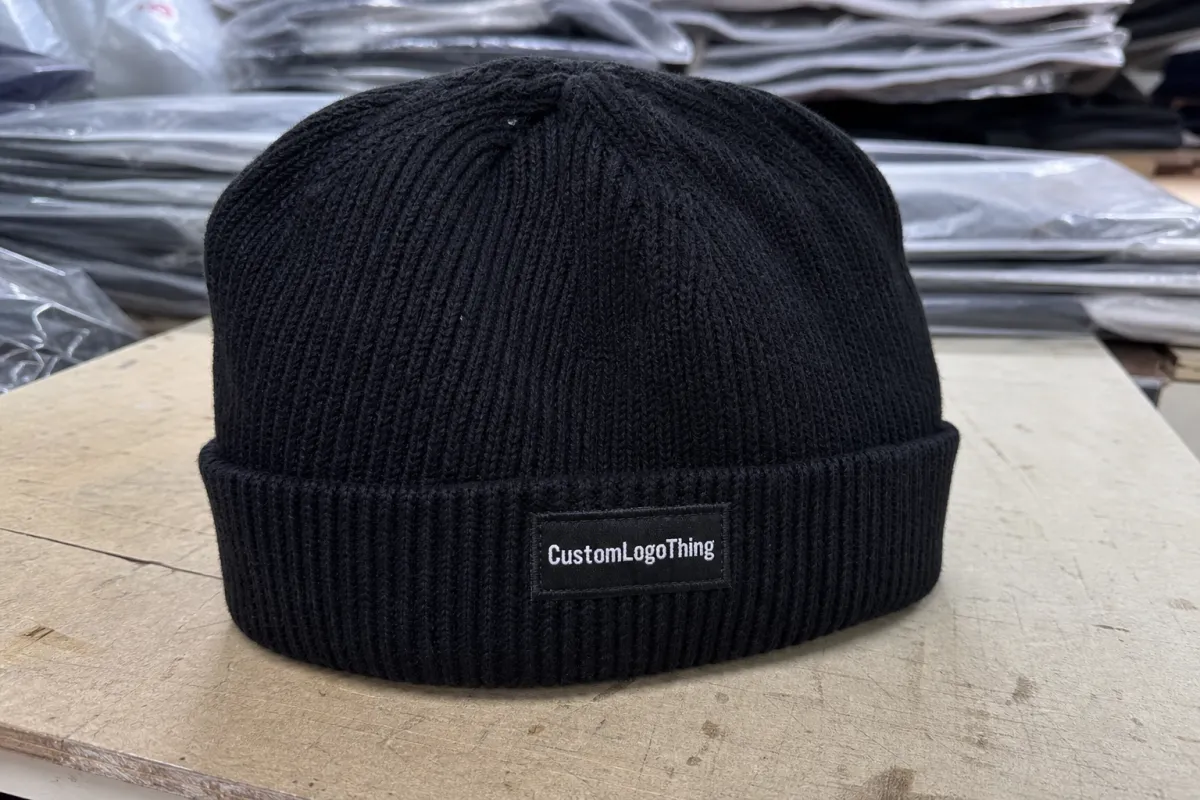
Ribbed beanies do not behave like flat garments. The knit stretches sideways, compresses vertically, and changes shape again once the cuff is folded. A logo placed perfectly on a digital flat can shift into a different visual position after knitting and finishing. That is why the proof checklist has to cover more than spelling and color blocks.
A useful toy ribbed winter beanies Digital Proof Checklist checks what the eye sees and what the product structure will do. A placement that is off by a quarter inch may sound trivial, yet on a narrow cuff it can move the design into a seam zone or push text too close to the edge. Small changes are amplified on small products.
The practical cost of missing those details is usually higher than one extra review cycle. Rework after yarn selection or embroidery setup slows everything down, and it can turn a clean quote into a more expensive order. If your program includes custom colors, woven labels, or a patch, the margin for error drops even further.
"A good proof answers the questions that production would rather not answer later."
That means checking the boring items first. How deep is the cuff? Which rib band carries the logo? Does the seam sit behind the mark or cut through it? Is the decoration method shown at actual scale, or just scaled to fit the page? Those are the details that decide whether the finished beanie looks deliberate or improvised.
The core checks usually look like this:
- Placement: confirm the logo sits on the right rib band and clears the seam.
- Scale: compare artwork width against the actual decoration area, not the mockup page.
- Cuff depth: make sure the fold will not hide part of the design.
- Method: verify whether the proof reflects embroidery, woven label, patch, or knit-in decoration.
- Legibility: check that small type and thin lines still read at the applied size.
Use the checklist beside the artwork file, not after the file has already been approved. That habit keeps the review focused on the product instead of the presentation.
How the digital proof review process works
Most suppliers start with your artwork file and place it on a product template. The proof should show enough context to review size, position, and decoration method without guessing. Front and side views are often enough for a centered front logo, but a wrapped design or back label usually needs more than one angle.
Digital proofs are best at showing proportion and placement. They are weaker at showing texture, yarn sheen, stitch density, and how a ribbed surface will break up a fine outline. Treat the proof as a planning document, not a finished sample. If the cuff depth says 2.5 inches on the proof but the spec sheet shows 2.25 inches in production, the art position can drift enough to matter.
One approver should own the final answer. Internal review can involve sales, operations, marketing, and compliance, but the supplier needs one consolidated response. Scattered comments across multiple emails create revision noise and make it harder to see which instruction is actually final.
That becomes especially important when a design crosses a seam, uses small lettering, or includes a subtle contrast color. In those cases, a single mockup can hide the problem. Ask for extra views if the logo wraps around the hat, sits close to the seam, or depends on precise centering across visible ribs.
A practical review process usually has three layers:
- Art layer: spelling, logo integrity, color references, and any legal marks.
- Product layer: dimensions, rib count, cuff fold, and seam placement.
- Production layer: decoration method, thread or yarn choice, and revision timing.
When those three layers line up, the proof becomes useful instead of decorative. That is the real purpose of the toy ribbed winter Beanies Digital Proof Checklist: to catch production issues before production starts.
Key specs that change fit, color, and decoration results
Several specs can make two apparently similar beanies finish very differently. Rib gauge, yarn weight, cuff depth, and overall stretch all affect how the hat sits on the head and how the decoration reads. A tighter rib often pulls the visual field narrower. A softer knit can relax after handling and open up slightly. That is one reason a logo that looks perfect on the proof can still feel different on the finished piece.
Material choice matters too. Common winter beanies use acrylic, recycled acrylic, polyester, wool blends, or acrylic-wool mixes. Each behaves differently in knitting, dyeing, and wear. Acrylic is usually the easiest for color consistency and broad price control. Wool blends can feel warmer and more premium, but they may introduce more variation in handfeel and shrink behavior. Recycled yarn can be a good fit for sustainability goals, though it sometimes narrows color availability.
Color matching is another place where screens mislead. Embroidery thread, woven labels, patches, and knit yarn do not render the same way. A navy thread can look brighter than navy yarn under warehouse lights. A heathered knit can flatten contrast. If exact color matters, ask what the proof is based on: Pantone reference, thread chart, yarn card, or a digital approximation. Those are not interchangeable.
The checklist should also flag fine-detail risk. Thin outlines, small type, and multi-line logos can disappear into the knit if the decoration area is too small. When a design has narrow letter spacing or delicate icon edges, simplification often improves the final result more than scaling the artwork down ever could. That is a design decision, not just a production decision.
The base beanie spec matters as much as the decoration. Is the body a standard blank color, a custom-dyed yarn, or a special-order shade matched to a brand palette? Custom color work changes lead time and can raise MOQ. It can also produce a shade that looks close on screen but slightly different once knitted into a ribbed surface, especially if the logo and body colors sit near each other on the same tonal family.
There is also a real difference between proofing and sampling. A digital proof shows intent. A sample shows texture, stretch, and visual weight. For standard embroidery on a familiar blank, the proof may be enough. For tighter color targets, unusual yarn, or complex placement, a physical sample is a better check. Both are useful; they answer different questions.
| Review option | What it confirms | Typical timing | Best use |
|---|---|---|---|
| Digital proof | Placement, size, artwork layout, basic color intent | 1-3 business days | Fast approval on standard decoration |
| Pre-production sample | Texture, fit, thread behavior, real-world look | 5-12 business days | Orders with tight color or sizing requirements |
| Final production sign-off | Last confirmation before the bulk run starts | Depends on revision speed | Custom programs with multiple stakeholders |
Thread count, stitch density, and decoration method also affect price and appearance. A woven label gives clean edges and works well for small logos that need sharp detail. Embroidery adds texture and depth, but the stitch thickness can swallow very fine features. A patch can provide stronger shape definition, though it adds application steps and may change the feel of the front cuff. There is no universal winner. The right method depends on the artwork and the budget.
Proof process and timeline: from art file to final sign-off
Start with a clean artwork file. Vector art is best, especially when the logo needs resizing or a simple redrawing. Send the exact product size, note where the decoration should sit, and describe the placement in plain language. If the design should center on the cuff, say so. If it should sit slightly above the fold, say that too. The clearer the input, the fewer proof corrections you will need.
Most orders take at least one revision round, even when the artwork is already well prepared. The proof may need a narrower logo, a smaller label, or a small shift away from the seam. Those changes are normal. The point is to catch them before production setup begins, not after.
Planning gets harder when the order includes custom trim, a redraw, or a special finishing step. Even a simple beanie can take longer if the factory needs to create a new label file or confirm a yarn shade against a reference swatch. A proof is not just a document; it is part of the schedule. If one step slips, the whole order can move.
Assigning a single final approver saves time. That person can collect internal feedback, but they should be the one to return the official sign-off. It keeps the approval chain readable and avoids situations where one team assumes another team already agreed. That kind of confusion is one of the easiest ways to lose a day.
A clean digital proof often moves in 1-3 business days. More complex orders can take longer if they involve redraws, custom labels, or multiple decoration methods. Once the proof is approved, production timing depends on quantity, method, and factory capacity. The safest mindset is to treat proofing as a gate, not as a quick admin task.
This is also where the habits used for packaging proofs or label approvals carry over well: one source file, one markup, one final response. The same discipline keeps the toy ribbed winter Beanies Digital Proof Checklist useful instead of noisy.
Cost, MOQ, and quote details to confirm
Pricing for ribbed winter beanies is usually driven by quantity, decoration method, yarn choice, and the amount of custom work required. A standard run with stock colors and single-location embroidery will almost always cost less than a custom-dyed order with woven labels, extra sampling, and a tighter approval cycle. The difference is not subtle once the setup is included.
Ask whether the proof is included in the quote or treated as separate artwork setup, sampling, or revision work. Some suppliers fold proofing into the development cost. Others itemize it. Either approach can be fine, but the line items should be clear before approval begins. A surprise setup charge late in the process wastes time as well as money.
MOQ matters as much as unit price. A low per-piece quote can look attractive until the minimum quantity is higher than the inventory your program can realistically absorb. Sometimes a larger MOQ is acceptable because the setup cost gets spread across more units. Sometimes it creates stock pressure and ties up budget you need elsewhere. The right answer depends on how the beanies will be used.
Always compare landed cost, not just the factory price. Freight, split shipments, rush fees, sample charges, and special packaging can change the final number more than expected. If you are comparing two proof paths, ask for the cost difference in writing. The number is easier to evaluate when it is separated from the rest of the quote.
Use the table below as a basic framework:
| Cost factor | Usually lowers price | Usually raises price |
|---|---|---|
| Quantity | Higher volume | Small test run |
| Decoration method | Simple single-location embroidery | Woven label, patch, or multi-step application |
| Color work | Stock colors | Custom yarn or special matching |
| Timeline | Standard production window | Rush or split shipping |
| Proofing | One clean approval round | Multiple redraws and change requests |
If the budget is tight, prioritize the variables that affect what the wearer sees first: placement, size, and contrast. Fancy extras are not useless, but a crisp logo in the right place usually matters more than a polished line item that no one notices on the finished hat.
Common proof mistakes that cause delays
The most common mistake is approving a proof without checking cuff depth, logo width, and seam placement together. Those three details shape the final look more than almost anything else. A mockup can make a mark appear centered even when it lands too high or too low once the cuff is folded. That kind of error is small on paper and obvious on product.
Another issue is treating a digital image like a physical sample. A screen cannot fully show yarn sheen, knit density, or how thin lines will break up across a ribbed surface. If the design uses small text or narrow line work, ask whether it should be simplified or enlarged. Sometimes the best production fix is a design edit, not a decoration tweak.
Late changes cause avoidable delays. Once the proof has been circulated internally, every extra comment can trigger another revision loop. A slogan change, a new thread color, or a different label position can all reset the clock if they arrive after the final layout is nearly done. That is especially frustrating on orders with a fixed ship date.
Too many reviewers can slow the process as well. One person checks brand accuracy, another reviews budget, and another focuses on timing. Those concerns are all valid, but the supplier still needs one final decision. Without that, the proof can sit in limbo long enough to miss the production slot.
Never assume a reorder will match automatically. Yarn lots change. Artwork templates shift. Decoration methods evolve. Even if the last order looked right, the next proof should still be checked against the current spec sheet. A fresh review is faster than correcting a mismatch after the bulk run starts.
- Do not approve without checking the fold line.
- Do not assume the mockup shows true size.
- Do not scatter feedback across multiple emails.
- Do compare the proof to the written spec sheet.
- Do keep a clear record of the final approval.
Next steps to approve confidently and keep production moving
Build a short approval sheet before the proof arrives. Include artwork size, placement, color references, cuff depth, decoration method, and the person who owns the final decision. That one page keeps the review tied to the order rather than drifting into opinions that do not change the product.
Mark up one version only. If comments live in several emails, a spreadsheet, and a chat thread, the factory can miss the real instruction. A single annotated file is easier to read and much less likely to produce a second correction cycle.
Set an internal deadline early. The proof itself may take only a few days, but your review chain could take longer if managers are traveling or approvals sit across time zones. Buffer time matters. It is far easier to request a redraw before the run is booked than to fix a mistake after materials are already allocated.
If something feels unclear, ask before signing. A small question about rib count, logo height, or label size can save days later. That is the value of the toy ribbed winter beanies Digital Proof Checklist: it slows the review at the right points so production can move faster with fewer corrections.
Save the approved PDF, note any exceptions, and store the final spec in a place the next buyer can find. Reorders become much easier when the record is clean. That habit matters more than it sounds, especially for seasonal products that get reordered under time pressure.
A good proof process is not complicated. Check the art. Check the structure. Check the schedule. Approve only when the proof matches the product you actually want. Done well, the checklist is a working tool, not a formality.
What should I check first on a toy ribbed winter beanies digital proof?
Start with logo placement, size, and cuff depth. Those three details have the biggest effect on how the beanie will look once it is folded and worn. After that, confirm color references and any small text, because those are the details most likely to shift in knit or thread.
How many revisions are normal for a beanie digital proof?
One or two minor rounds are common when the artwork is clean and the product spec is clear. If the proof needs a redraw, a different placement, or a new decoration method, the revision count can rise and the schedule usually stretches with it.
Does a winter beanie digital proof show exact color and texture?
No. A digital proof is a planning tool, so it shows placement and proportion much better than it shows knit handfeel or yarn sheen. If color accuracy matters, ask for thread cards, yarn references, or a physical sample when the order needs tighter control.
What affects pricing on ribbed winter beanie proofs and samples?
The biggest drivers are order quantity, decoration method, custom color work, and whether the proof requires a sample or extra revision time. Rush timing, freight, and special packaging can also change the final number, so it helps to ask for the full landed cost early.
When should I approve the digital proof to avoid production delays?
Approve it as soon as the final decision maker has reviewed the art, because every extra day can affect the production slot and ship date. Leave a small buffer for one last correction cycle if the order includes custom colors, labels, or tight delivery timing.