Most buyers ask for hotel embroidered logo Hats Unit Cost as if it should arrive as a neat little number. It rarely does. Two caps that look similar on a screen can finish at very different costs once you account for blank quality, stitch count, digitizing, packing, and freight.
For hotels, that matters because the hat is usually a uniform item, not a fashion purchase. It may go to front desk staff, valet teams, housekeeping leads, event crews, or a property-wide giveaway. The need is consistency: a clean repeat order, a stable spec, and no surprises when the next shipment lands.
What hotel embroidered logo hats unit cost includes
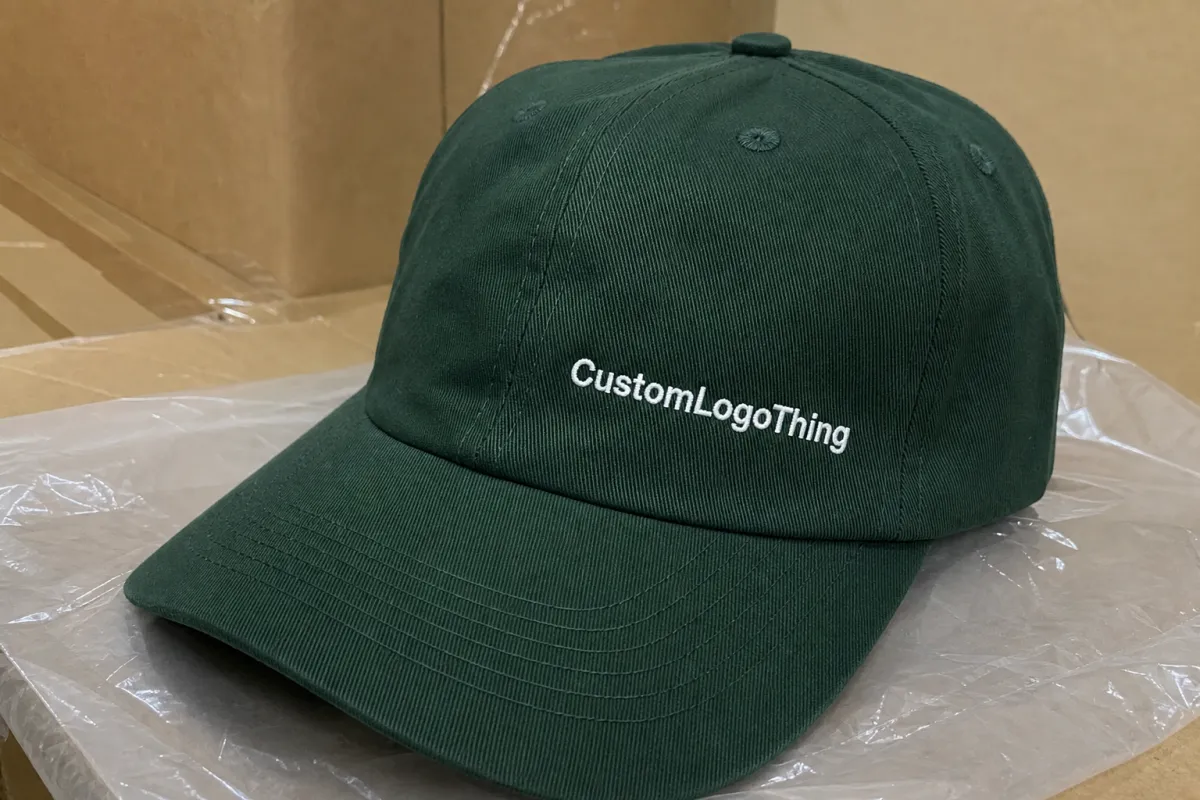
Hotel Embroidered Logo Hats unit cost is built from several separate decisions. Buyers often compare only the headline number and miss the rest. One vendor may include digitizing, a proof, and standard polybagging. Another may leave those charges outside the quote, then add them later. The first quote looks more expensive until the invoice tells the real story.
A clean quote should show the cap blank, digitizing, embroidery labor, thread colors, setup or run charges, quality control, packaging, and freight. If those costs are bundled into a single line, it becomes difficult to see what is driving the price. It also becomes harder to compare vendors on equal terms.
The blank itself matters more than many procurement teams expect. A cheap cap can create added labor if the crown is too soft, the front panel lacks structure, or the fabric shifts under the needle. That leads to puckering, uneven logo edges, and rejected pieces. A slightly better blank often reduces waste and gives a more polished result. The cheapest input is not always the lowest finished cost.
“A cap that looks weak before embroidery usually looks worse after embroidery.”
That is the practical reality. A better foundation lets the logo hold its shape, especially if the design has fine lettering or a small crest. It also reduces rework. Once a supplier needs multiple rounds of sampling, the savings from the lower blank price disappear quickly.
Set every quote up with the same assumptions: same cap style, same logo size, same placement, same quantity band, same thread colors, and same packing method. If those variables are not matched, the comparison is not useful. Once the inputs are standardized, hotel embroidered logo Hats Unit Cost becomes a real procurement metric instead of a moving target.
Hotel cap styles that move the quote fastest
Cap style changes both the base cost and how well the logo stitches out. A structured dad cap with a firm front panel usually delivers the cleanest embroidery. An unstructured low-profile cap feels softer and more relaxed, but it can distort small lettering or detailed crests. Trucker caps, performance caps, and basic snapbacks each bring their own tradeoffs in comfort, appearance, and reorder consistency.
If you are comparing hotel Embroidered Logo Hats unit cost across vendors, the silhouette matters. The more support the front panel has, the less the embroidery has to fight the fabric. Soft crowns can still work, but they are less forgiving with thin lines, stacked text, or tall logos that need a stable surface.
| Cap style | Typical blank cost behavior | Embroidery behavior | Best hotel use |
|---|---|---|---|
| Structured dad cap | Mid-range | Stable stitch surface, good for detailed logos | Front desk, guest-facing staff, property branding |
| Unstructured low-profile cap | Usually lower | Can wrinkle or distort small text | Casual team wear, relaxed properties, outdoor crews |
| Trucker cap | Low to mid-range | Strong front panel, mesh back changes comfort | Outdoor service, resort teams, event staff |
| Performance cap | Often higher | Works well for simple logos, sweat-friendly | Housekeeping leads, valet, warm-weather properties |
| Snapback | Mid-range | Sturdy crown, easy to size, more fashion-forward | Promotional runs, branded giveaways, mixed staff use |
Closures matter more than buyers expect. Velcro is easy, but it can age less cleanly than a metal buckle. Snapback closures are useful for reorders because they reduce size confusion. Fitted caps can feel more premium, yet they create inventory risk if staff sizes vary or turnover is high. For multi-property hotels, an adjustable one-size style is usually the safest way to keep pricing manageable.
Decoration placement changes the quote too. Front-only embroidery is the cleanest and least expensive option. Add a side hit or back hit and labor rises. Add both, and the unit cost can move enough to matter, especially on a modest order. That is why front desk and valet programs often stay simple, while event teams sometimes accept a more decorated version for visibility.
Embroidery specs that control durability and look
Stitch count is the first spec to watch. A clean two-color logo with moderate fill can stitch quickly and keep the cost per piece under control. A crest with tiny text, multiple fills, outlines, and dense borders takes longer. The machine does not care about brand pride. It cares about stitch quantity and density.
Digitizing is another line item that gets buried too often. A straightforward logo often falls around $25-$75 for digitizing, while a difficult redraw can cost more. Some suppliers label it a setup fee. Others call it tooling or art conversion. The wording changes; the charge does not.
The backing material is just as important as the visible thread. Proper backing keeps the logo flat and readable. Weak support can cause puckering, curling, or a crooked placement after wear. If the hats will be used often, ask what stabilizer is used and whether the vendor adds support for soft crowns or performance fabrics.
Thread selection also affects the final number. Standard thread colors are efficient. Metallic thread, special brand matches, or frequent color changes add machine time and can raise the quote. Thin fonts can be another trap. A delicate serif may look elegant in a PDF, then collapse on fabric. Redrawing artwork for embroidery usually costs less than forcing a bad file through production and fixing the result later.
One practical rule helps a lot: ask for a proof on the exact hat style, not a generic mockup on a blank silhouette. The right proof shows logo size, stitch density, and how the crown behaves on the actual cap. If the vendor cannot show that, the order is built on assumptions rather than process control.
For shipping and packout standards, it helps to keep transit durability in mind as well. The ISTA guidelines are a useful reference for cartons that survive handling without crushed brims or loose packing.
Unit cost, MOQ, and pricing breaks for hotel orders
MOQ changes the math immediately. At lower quantities, setup charges and digitizing are spread across fewer hats, so the unit cost is higher. As the order moves into better production bands, the per-unit number drops. That is not a trick. It is simply how fixed costs work.
The pattern usually looks like this: a 25-49 piece order carries a higher cost per piece; 50-99 pieces improves the price somewhat; 100-249 pieces often reaches a better band; and 250+ pieces can unlock stronger bulk pricing if the spec stays simple. Exact breakpoints vary by blank, location, and decoration method, but the curve is consistent.
A practical quote should separate each cost bucket. Ask for line items for the hat blank, embroidery, digitizing, sample or proof, rush fees, packaging, and shipping. If everything is bundled, it is hard to tell whether the quote is competitive or just structured to look that way. This matters even more if a supplier quietly changes the cap style or packing method to make the total appear lower.
For reference, a simple stock cap with a single front logo might fall in a range like $7-$12 per finished hat on smaller runs, while larger standardized orders can move closer to $4.50-$8 depending on blank quality, stitch count, and shipping distance. Those are planning numbers, not promises. If a quote looks unusually low, there is usually a hidden tradeoff somewhere.
The easiest way to improve hotel embroidered logo hats unit cost is often the least flashy. Pick one approved style. Keep the logo in one place. Use two or three thread colors rather than seven. Order enough to reach the next pricing band, but not so much that stock sits unused. Standardization tends to beat cleverness.
Production steps and turnaround for hotel embroidered hats
The production path should be straightforward: inquiry, art review, quote, digital mockup, sample approval, production, inspection, packout, shipment. If a vendor cannot describe that flow clearly, the timeline usually gets messy later. The real question is not just how long production takes. It is when the clock starts. Does it begin after inquiry, after proof approval, or after payment? That detail changes the lead time more than most buyers expect.
Artwork readiness makes a large difference. Clean vector files move quickly. A blurry JPG, a logo copied from a website, or a file with microscopic text slows everything down. Hotel teams that send final quantities, delivery addresses, logo files, and brand approval notes in one package usually avoid the back-and-forth that can burn a week without adding any value.
Typical production timing for embroidered caps is often 10-18 business days after proof approval. Simple stock styles can move faster. Large, complex, or split-ship orders take longer. If a grand opening, conference, or seasonal program depends on the hats arriving on time, build in buffer. A few days late can be a nuisance. Missing the event date can become an expensive mistake.
The usual delays are predictable: low-resolution art, late quantity changes, stock outages on the selected cap, and revised approvals after the proof has already been signed off. None of that is mysterious. It is mostly the result of treating production like a moving target. The cleaner the approval package, the less likely the order is to wobble.
Packaging deserves attention too. If the order needs to be split by property, department, or individual hotel, say that before production begins. Better packout instructions reduce receiving problems later. If the brand prefers tissue inserts, branded cartons, or recyclable shipper materials, that also needs to be in the quote. The FSC site is a useful reference if your team is tracking certified paper or packaging materials.
One more point: proofing is not the place to be vague. If the logo should sit 2.5 inches wide, state it. If the hat needs a specific panel location, specify it. If the hotel is ordering for multiple properties, list the split quantities before the first proof is approved. Small details like that protect the timeline and keep hotel embroidered logo hats unit cost from creeping up through avoidable revisions.
Why hotel buyers stick with a repeatable cap program
Hotels usually get better results from a repeatable cap program than from one-off emergency buys. The reason is consistency. Once the first sample is approved, the real value shows up on the second and third reorder. A saved spec sheet keeps logo size, placement, thread colors, and crown structure from drifting when another person handles procurement later.
Approved samples matter because they freeze the job. A clean sample gives everyone a reference point for the next order. It also reduces unnecessary debate over thread color or logo placement. Brand teams, property managers, and purchasing staff stay aligned more easily when there is a physical example, not just a memory of what the logo looked like in an email thread.
Quality control here is basic, which is exactly why it matters. Straight embroidery, clean backing, correct closure, consistent crown shape, and neat packing are not glamorous checks. They are the difference between a wearable uniform piece and a pile of rejects. A lot of hotel programs run into trouble because nobody wants to spend five extra minutes checking the details before release.
There is also a real advantage for multi-site brands. One approved cap spec reduces approval cycles, simplifies stock planning, and lowers the chance that one property orders something slightly different from another. If the same hat can serve front desk, event staff, and leadership visits without looking off-brand, the program is doing its job.
Shipping and receiving improve too. A standard carton count and repeatable packout method reduce damage and miscounts. That is not exciting, but it prevents a box of phone calls later. Good vendors keep reorder records, saved art files, and property-specific ship-to details so the next order moves without starting from zero.
Over time, that repeatability is what protects hotel embroidered logo hats unit cost. The first order might be acceptable. The repeat order is where the real savings appear, because the setup is already defined and the vendor is not rebuilding the job every time someone asks for another dozen caps.
Next steps to lock in a clean quote
Start with a tight RFQ. Send the logo file, cap style, quantity bands, shipping deadline, ship-to addresses, and whether the order is front-only or multi-placement embroidery. If the supplier has to guess at any of those details, the quote will be soft and the follow-up questions will stretch the process. Buyers do not need more email. They need a usable number.
Ask for two options: a standard build and an upgraded build. Keep the same logo and quantity so the comparison is real. That gives you a baseline and a premium path without rebuilding the spec from scratch. If the vendor cannot show both, the conversation is probably more sales-led than procurement-led.
Insist on line-item pricing. The hat blank, digitizing, embroidery, packing, and shipping should be visible. If the vendor changes the blank or quietly alters the stitch count, the comparison becomes unreliable. Approve the proof quickly once the layout is right. Delayed approvals are one of the fastest ways to waste lead time and then blame production for the delay.
For hotels, the smartest quote requests are usually the plainest ones. Exact logo. Exact placement. Clear quantity tiers. Clear ship-to list. Clear deadline. If you want the supplier to understand that you need a real buying comparison, use the phrase hotel embroidered logo hats unit cost in the request and then ask for the numbers that actually justify that cost.
FAQ
What affects hotel embroidered logo hats unit cost the most?
Stitch count and logo complexity usually move the price more than the hat blank itself. Order quantity, embroidery placement, and rush timing can also shift the per-unit cost quickly. Simple front-only logos on stock caps are usually the easiest way to keep pricing under control.
How does MOQ change the cost of hotel logo hats per unit?
Lower quantities spread setup and digitizing costs over fewer hats, so the unit price rises. Once the order reaches a better production band, the per-hat cost usually drops noticeably. Choosing one standard style for multiple departments often helps the order qualify for a better MOQ tier.
Can I get a low price on embroidered hotel hats without losing quality?
Yes, if you keep the logo simple, use a stock cap, and limit embroidery to one placement. The cheapest blank is not always the cheapest finished product if it needs extra labor or fails inspection. The cleanest savings usually come from standardizing the style, not cutting corners on durability.
What information should I send for an accurate hotel cap quote?
Send vector artwork, quantity, hat style, thread colors, logo placement, and delivery deadline. Include whether the order is for one hotel or multiple properties, because that changes packing and shipping. Ask for separate line items so you can see where the price is actually coming from.
How long does production usually take for embroidered hotel hats?
Artwork review and proofing can move quickly if the logo file is ready. Production commonly needs enough time for setup, stitching, inspection, and packing after approval. Rush orders are possible, but they usually cost more and leave less room for correction.