For buyers comparing fitness trucker Caps Unit Cost, the blank cap is only the starting point. The final number usually moves because of decoration, setup, sampling, freight, and the amount of manual work hidden behind a product that looks simple from the outside. A trucker cap can appear standard on a screen and still price very differently once you add a woven patch, color-matched mesh, or a custom underbill.
That is why the useful question is not just, “What does the cap cost?” It is, “What does each finished piece cost once it is approved, packed, and ready to ship?” On a 300-piece order, the difference may be moderate. On a 5,000-piece run, the same choices can change the budget in a way that is hard to ignore. For fitness brands, gym merch lines, and retail accessory programs, that gap matters more than a headline unit price.
Unexpected Cost Drivers Behind Fitness Trucker Caps
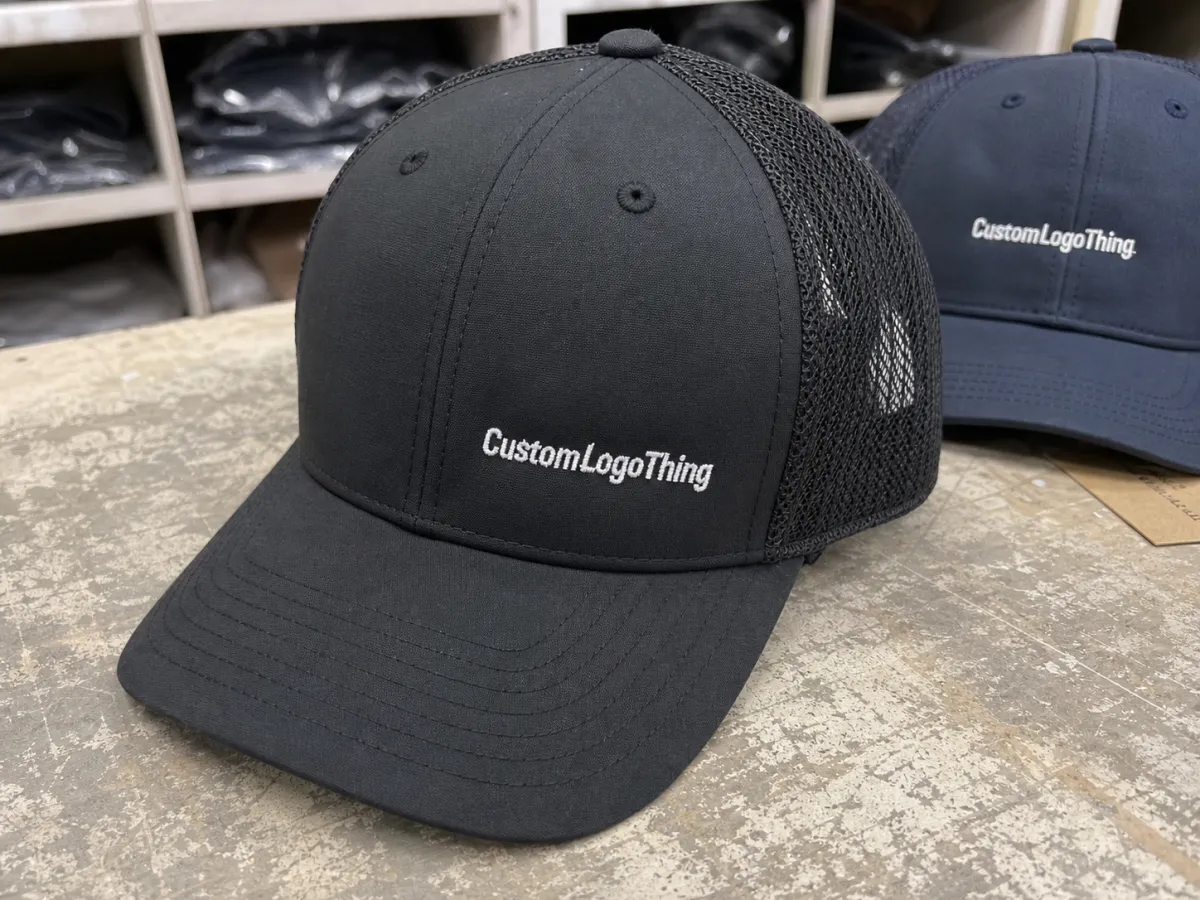
The first surprise for many buyers is that the cap body often sits lower in the cost stack than decoration and production prep. A basic stock trucker in a standard color can be relatively economical, while embroidery, patch application, and proofing may add more than the blank itself. That pattern shows up often with activewear-adjacent products, where buyers want a cap that feels cleaner and more substantial than a promo giveaway.
Construction is the next variable. A stock 5-panel or 6-panel trucker usually keeps costs steadier because the factory is working from known patterns, familiar materials, and repeatable sewing lines. A custom build changes the math. Custom panel shapes, special taping, branded labeling, a different sweatband, or a nonstandard closure all add labor and sometimes tooling. None of those changes is dramatic on its own. Together, they move the quote.
Material planning matters too. Standard mesh is the baseline for breathability, but premium mesh can improve finish and consistency. Foam fronts can lower cost in some programs, although they may not hold shape as well under heavier decoration. Structured cotton twill tends to look more polished and often handles embroidery better. If the cap is meant to sit next to performance apparel, that difference becomes visible quickly.
| Option | Typical Cost Impact | Best Use Case |
|---|---|---|
| Stock trucker cap, direct embroidery | Lowest setup burden; often the most stable cost per piece | Small to medium orders with simple logos |
| Stock cap with woven patch or PVC patch | Moderate labor and patch setup; higher decoration cost | Brands that want a sharper, more premium finish |
| Custom colorway, custom underbill, special labeling | Higher material planning, extra approvals, and more prep time | Retail programs and launches with strict brand rules |
Revision cycles also affect price. One proof round is normal. Three or four rounds, especially if placement, thread color, or patch border width keeps changing, can increase labor enough to show up in the quote. Buyers often assume the first number is the real number. It usually is not. It is a starting point that assumes the design is close to final.
Total landed cost deserves equal attention. Freight, sample charges, packaging, and carton labeling can all change the real budget. For domestic or regional deliveries, transit may be a smaller share of the total; for international shipments, it can be large enough to change the buying decision. Packaging standards matter here, and the Packaging Institute is a practical reference if the team wants a more disciplined view of shipping and material choices.
A low quote only helps if the cap that arrives matches the spec sheet. Real savings come from fewer surprises, not from shaving a few cents off a line item.
Product Details Buyers Should Compare Before Ordering
Two caps can look nearly identical in a photo and still land in different price bands. Start with the structure. A 5-panel cap gives a cleaner front field with fewer seams, which is useful for logos that need to read fast. A 6-panel cap has a more traditional crown shape and can feel more familiar to buyers who want a classic sportswear look. For fitness brands, that front-panel space matters because it helps the mark sit flatter and stay legible from a distance.
Then look at the fabric. Cotton twill usually feels more premium than basic foam-front constructions, even before decoration is added. Standard mesh is common because it vents well and keeps the cap lighter, while premium mesh can improve the overall finish and consistency from unit to unit. If the brand promise leans toward training, running, or gym use, a cap that traps heat or collapses too quickly will work against the line.
Closure style changes perception as much as price. Plastic snapbacks remain the most cost-efficient option. Fabric-and-buckle or metal buckle systems can lift the perceived value, although they typically add cost and a bit of assembly time. Brim shape matters as well. A pre-curved bill reduces adjustment and can feel more ready-to-wear, while a flat bill gives a sharper, streetwear-oriented profile. Sweatband quality is another detail that often gets missed until samples arrive. A basic band may be acceptable for promotional work, but a better sweatband improves comfort and can reduce complaints on products that are worn through long sessions or hot weather.
Decoration should match the intended use, not just the artwork. Embroidery tends to give the most familiar premium look on a clean front panel. Woven patches hold small text better and keep edges crisp. PVC patches can create a harder, more dimensional finish, though they are not the right fit for every brand. Printed logos can keep the budget lower when the design is simple and the run is large. The right answer depends on whether the cap is a giveaway item, a retail accessory, or a core brand piece that has to hold up under closer inspection.
Fitness Trucker Caps Unit Cost: What Changes the Quote
Fitness Trucker Caps Unit Cost usually comes down to five levers: construction, decoration method, artwork complexity, order size, and finishing. If a supplier does not separate those clearly, ask for a line-by-line breakdown. A useful quote should identify the blank cap, decoration, setup charges, sampling, and shipping. Otherwise, a low unit number can hide a one-time fee that only makes sense at scale.
Setup charges are often misunderstood. Some suppliers treat them as fixed fees for digitizing embroidery or preparing a patch mold. Others build them into the product price and recover the cost through the first run. Either approach can work. The key is comparison. A first-order sample may also include extra proofing labor, so the sample invoice can look high relative to the bulk run. That does not mean the pricing is wrong. It means the sample is doing a different job.
Artwork complexity changes labor in ways buyers do not always see. A logo with one bold mark and two thread colors is much simpler than a design with fine lettering, multiple placements, or gradient effects. Add a second logo on the side or back, and the decoration time rises again. Specialty finishes such as metallic thread, 3D puff embroidery, or embossed PVC patches increase both setup and production time. On a clean stock cap, the decoration choice can move the final number by 20% to 40% before shipping is even counted.
Sample orders need a separate budget line. In many programs, a sample might run from $30 to $150 depending on construction and setup, and some suppliers credit that amount back on a larger production order. The exact number depends on whether the factory is making one proof piece, a near-production sample, or a short pre-production run. The point is simple: sample cost is a control tool, not the benchmark for a full bulk order.
- Construction: 5-panel, 6-panel, foam front, structured cotton twill, or custom panel layout.
- Decoration: embroidery, woven patch, PVC patch, print, or mixed methods.
- Artwork: number of thread colors, text size, edge detail, and logo locations.
- Finishing: custom labels, underbill color, sweatband upgrade, and packaging format.
- Order handling: sample preparation, rush timing, and carton labeling.
For a practical benchmark, simple stock-style orders with one clean logo often price lower per piece than fully custom runs. The gap widens when the order size is small and narrows when the run is large enough to absorb setup costs cleanly. A 300-piece order and a 3,000-piece order can use the same cap body and still land in very different price bands. That is normal.
What matters most is whether the quote cleanly separates recurring unit cost from one-time tooling and setup. Without that split, it is hard to know if the number is genuinely competitive or simply shifted around on the page.
Pricing, MOQ, and Volume Breaks for Bulk Orders
MOQ is tied to the amount of sourcing and setup a factory has to absorb before production starts. If the cap uses standard materials and a common decoration method, the minimum order quantity can stay relatively low. If the order requires a custom mesh color, a special patch construction, or multiple branding details, MOQ often rises because the supplier has to commit more labor and material before the first unit ships.
The pricing pattern is straightforward: smaller quantities carry higher cost per piece, while larger runs spread setup across more caps. A 200-piece order may look expensive next to a 1,000-piece order even when the cap body is unchanged. Buyers sometimes read that as markup. Usually it is math. One-time preparation costs are simply divided by fewer units.
Volume breaks reward repeatability. If the same artwork is used across multiple colors, the supplier can keep the decoration setup stable and only adjust the colorway. That reduces friction. A buyer who can approve one logo version for a full run often gets cleaner bulk pricing than a buyer who wants each variant to carry a different patch style or placement. In many programs, that difference is larger than the price gap between two cap bodies.
A realistic planning range helps here. On modest runs, sample and freight charges can weigh heavily on the first invoice. On larger programs, those fixed costs are diluted and the unit rate becomes more meaningful. A quote that looks inexpensive on paper can still be the costlier choice if it requires rush production, extra approvals, or packaging changes that only show up later.
| Order Profile | Likely Pricing Behavior | Buyer Takeaway |
|---|---|---|
| Low MOQ, simple logo | Higher unit price, lower commitment | Useful for testing design acceptance |
| Mid-volume, repeat artwork | Better spread of setup charges | Often the best balance for new brand drops |
| High-volume, standardized build | Strong bulk pricing, lower cost per piece | Best when demand is already proven |
One rule holds up across most headwear programs: if the design is still changing, keep the MOQ moderate. If the design is locked and the cap will stay in the line for multiple reorder cycles, a higher MOQ can reduce fitness trucker Caps Unit Cost enough to justify the larger commitment. That is the real decision point, not the first quote number.
Production Steps, Lead Time, and Approval Milestones
A clean production flow keeps delays under control. It usually starts with spec confirmation: cap shape, mesh color, front panel type, closure, decoration method, and packaging. After that comes artwork proofing. Then the supplier prepares a sample or pre-production approval, followed by bulk sewing, decoration, inspection, packing, and dispatch. The biggest delays usually happen before bulk production begins.
Logo sign-off is the first common bottleneck. If the buyer has not approved thread colors, patch outline, or placement height, production stops. Color matching can also slow the order, especially when a brand needs a precise navy, olive, or charcoal that must align with existing apparel. Carton labels and retail packaging may seem minor, but if they are not approved early, they can hold up the finished goods even after the caps are complete.
Simple orders move faster because the supplier can work from known materials and repeatable molds or patterns. That does not mean they are rushed. It means the decision tree is shorter. A standard stock cap with a single embroidery placement may move through proofing and production with fewer back-and-forth messages than a fully customized style with multiple finishes. Fewer unknowns usually means fewer delays.
Sample lead time and bulk lead time are not the same. A sample can often be produced faster because it is one piece, but it may still take time if the factory is waiting on a special fabric or a custom patch mold. In many headwear programs, a sample takes about 7 to 14 days once artwork is approved, while bulk production can take 15 to 30 days after final sign-off. Custom materials, holiday congestion, and order volume can push those numbers out. Shipping is a separate clock. Air freight can cut transit time but lift cost sharply; ocean freight is cheaper per carton and asks for more patience.
Packaging should be treated like part of the product. If cartons are part of the presentation or need to survive longer routes, they should be tested that way. The ISTA testing framework is a useful reference point for buyers who want packaging to survive handling rather than just look acceptable on a pallet. That is more reliable than guessing at carton strength.
Typical turnaround depends on the order profile, but many cap programs move within a few weeks once approvals are complete. Holiday congestion, port delays, and factory workload can shift that timeline. A buyer who plans the launch backward from the ship date usually avoids emergency freight and rushed revisions later.
Why Direct Manufacturing Keeps Pricing Predictable
Direct factory sourcing tends to keep pricing clearer because fewer hands touch the order. Every extra handoff can add markup, delay, and spec drift. A broker model can still work for certain buyers, but if the quote is not tied closely to the factory’s actual material and labor structure, the final price may move more than expected. That hurts confidence, especially on repeat programs where consistency matters as much as the first-order margin.
In-house sampling, embroidery, and packing improve consistency because the same team is controlling the finish standard. That does not guarantee perfection. Nothing does. But it reduces the odds that one department interprets the logo one way and another executes it differently. For buyers who need repeatable quality across reorder cycles, that control matters as much as the price line.
Documented QC checkpoints are the difference between a quote and a dependable supply plan. Stitch density, logo placement, panel symmetry, color tolerance, and carton counts should all be checked before shipment. A cap that looks fine from three feet away but fails close inspection can cost more later through replacements, credits, or rework. That risk is especially visible for fitness brands, where the product may be judged in retail lighting, under gym lights, and after repeated wear.
There is also a brand perception angle. A small price difference can be justified if the cap wears better, holds shape longer, and arrives in clean packaging. That is not hype. It is ordinary product math. If the cap line supports apparel, supplements, or training programs, the hat should look intentional, not like a leftover promotional item.
Material documentation can help too. FSC-certified paper inserts or hangtags, when used, support a more disciplined sustainability story without complicating the cap itself. The goal is not to make every order heavy with process. It is to keep the spec sheet precise enough that the factory can price the job correctly from the start.
Direct manufacturing is not a cure-all, but it usually makes fitness trucker Caps Unit Cost easier to forecast because the process is more visible, approvals are tighter, and the final shipment is less likely to drift from the original quote.
Next Steps to Lock In Specs and Request Quotes
Before asking for pricing, gather the essentials: logo file, quantity, preferred cap shape, color references, decoration method, packaging needs, and any label or insert requirements. If the target audience is already clear, include that too. A cap for a premium gym launch is not the same as a cap for a summer promo drop, and the pricing should reflect that difference.
Request two or three comparable quote options so the tradeoffs are easy to read. One version might use direct embroidery, another a woven patch, and a third a printed mark with upgraded packaging. That comparison reveals more than a single number ever will. It also exposes hidden assumptions about setup charges, sampling, and freight before they become problems.
Ask for timing in writing. Confirm sample timing, production timing, and transit timing separately. A supplier that only gives one combined estimate is harder to plan around. Also confirm whether freight is included, whether cartons are standard or retail-ready, and whether the quote assumes one artwork version or several. Those details often decide whether the purchase stays on budget.
A useful rule is simple: compare every line item, then choose the version that offers the best balance of brand impact and cost stability. The lowest number is not always the best one if it brings extra revisions, weak materials, or packaging that feels out of place next to the rest of the line.
Before approving the order, check Fitness Trucker Caps unit cost against MOQ, decoration complexity, and delivery timing. That final pass protects the budget and keeps the product aligned with the brand it is meant to represent.
What affects fitness trucker cap unit cost the most?
Decoration method usually has the biggest impact because embroidery, patches, and specialty labels require different labor and setup. Material choice comes next: premium front panels, better mesh, and custom closures raise the price faster than standard stock parts. Order volume changes the per-unit math because setup costs are spread across more caps on larger runs.
How does MOQ change fitness trucker caps pricing?
Lower MOQs usually carry a higher unit price because the factory still needs to cover setup, proofing, and production prep. Higher MOQs often unlock cleaner volume breaks when the same materials and artwork are repeated across the run. A simple stock-style cap typically supports a lower MOQ than a fully custom colorway or complex decoration package.
Which decoration keeps the price lower on custom trucker caps?
A simple logo layout with limited colors usually costs less than multi-location or highly detailed artwork. Flat embroidery or a standard patch often stays more economical than specialty textures, metallic thread, or oversized appliques. The cheapest option is not always the best fit; compare price with how the decoration will wear during active use.
What is the usual turnaround for fitness trucker cap orders?
Turnaround depends on sample approval, artwork readiness, and whether the materials are stock or custom sourced. Simple orders typically move faster than projects that require color matching, special labels, or multiple revisions. Shipping method and factory workload can change the final timeline, so confirm both production lead time and transit time.
What should I send for the fastest accurate quote?
Send the logo file, quantity, target colors, preferred cap structure, and decoration method first. Add packaging requirements, sizing notes, and any brand standards so the quote reflects the real job. If possible, include a reference cap or photo so the supplier can match the style instead of guessing.


