People usually judge a cap by the logo first. That is backward. The fabric stack decides whether a trucker cap feels airy, stiff, scratchy, or worth keeping after the event is over. A good Trucker Caps Material guide needs to read the whole product, not just the crown fabric on a spec sheet.
That distinction matters for promo orders, retail programs, workwear, and seasonal merch. A cap can look clean in a render and still arrive with weak foam, uneven mesh, or a sweatband that irritates after an hour outside. Materials also affect freight weight, decoration results, and how many complaints come back later. Those are not minor details. They are the difference between a reorder and a return.
What a Trucker Caps Material Guide Actually Reveals
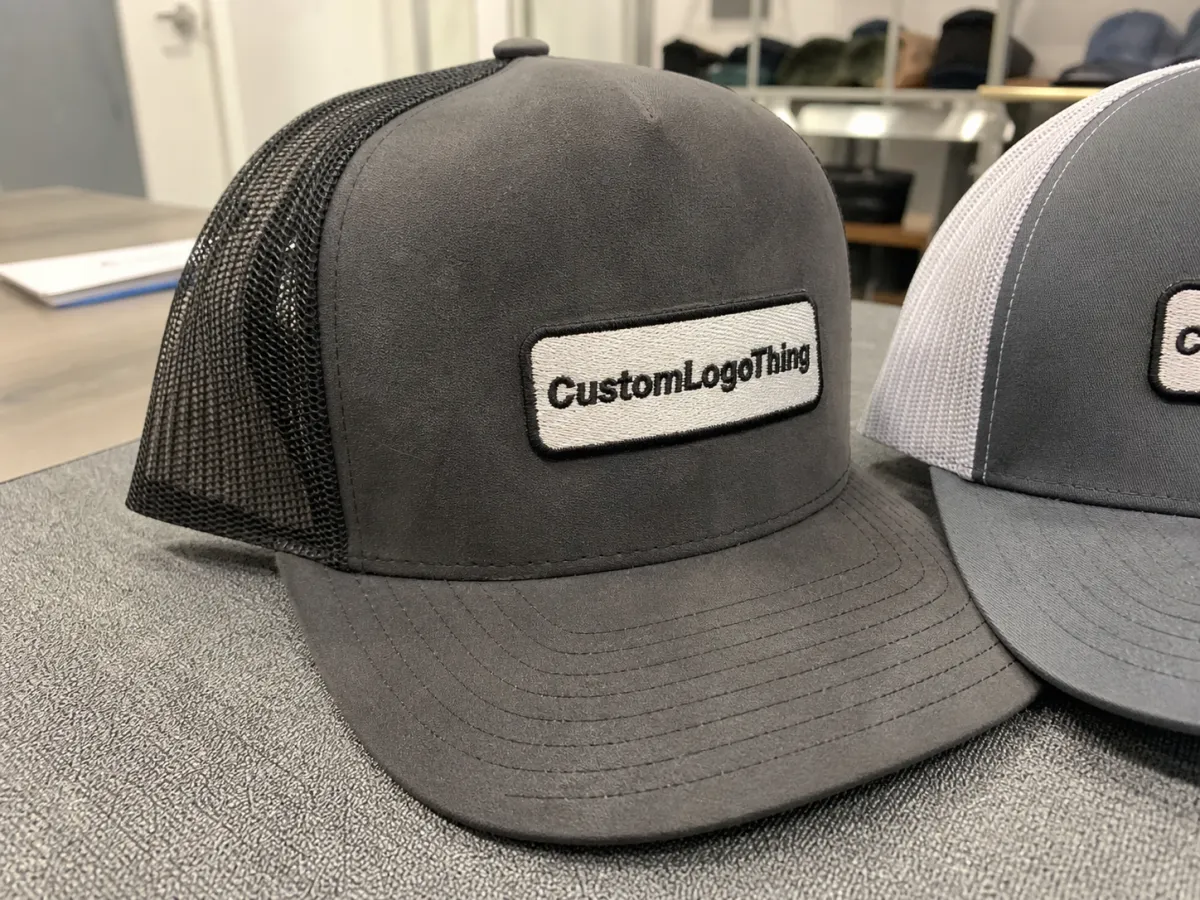
Most buyers start with style and only later ask about material. That sequence causes problems because a trucker cap is not one fabric. The front panel gives the shape. The mesh controls airflow. The sweatband determines comfort. The closure affects fit and how forgiving the cap is across different head sizes.
Foam fronts create the classic promotional look: light, simple, and easy to print on if the panel stays flat. Cotton twill feels denser and usually looks more polished. Polyester tends to hold color well and resists wrinkles better in shipping. Blends sit between those positions and often give the cleanest tradeoff between softness and structure. None of them is universally best.
The question that matters is not “what is it made from?” but “what does the whole cap do?” A cap can use the same front fabric and feel completely different depending on mesh density, seam tape, crown height, and band finish. One version reads like a disposable giveaway. Another reads like a piece people will actually wear after the campaign ends.
That is why the use case should lead the decision. A giveaway cap needs cost control and airflow. A retail cap needs a firmer silhouette and cleaner finishing. A workwear cap needs durability, repeat wear, and decent comfort over long shifts. A serious Trucker Caps Material guide should help buyers make that call without guessing.
How the Front Panel, Mesh, and Band Work Together
The front panel carries the logo, so its material and build affect how decoration lands. Foam-front caps are forgiving for bold graphics and simple embroidery because the surface is smooth. Cotton twill gives a firmer base and usually handles structure better. Polyester fronts often keep color consistency across larger runs, which matters if the order is split across multiple production lots.
Mesh is where many buyers oversimplify. Mesh is not just mesh. Tighter knit mesh tends to hold shape better and looks cleaner in product photos. Looser mesh improves airflow and can feel cooler in heat, but it can also look less refined and collapse more easily after packing. Fiber content matters too. Some mesh recovers well from compression. Some stays dented.
The sweatband and internal seams do quiet work. They do not show up much in a mockup, but they dominate comfort. A thin or rough band can rub the forehead by mid-day. Better bands use smoother finishing and more consistent stitching, which is one reason higher-quality caps feel less like throwaways even when the exterior looks similar.
Put the parts together and the personality changes fast. Foam front plus airy mesh reads casual and light. Cotton twill with tighter mesh feels more deliberate. A heavier blend with reinforced stitching pushes the cap toward workwear or a higher-ticket merch tier. The point of a Trucker Caps Material guide is to show that these are system choices, not isolated ones.
Choosing the Right Material Blend for Your Use Case
The right blend depends on how the cap will be worn and decorated. For hot-weather giveaways, a foam front with polyester mesh usually keeps cost low and breathability high. For retail programs, cotton twill with a tighter nylon or polyester mesh often looks cleaner and photographs better. For workwear, heavier blends and stronger stitching usually justify the higher unit price because the cap has to survive repeated wear, sweat, packing, and transit.
Decoration method should narrow the options quickly. Embroidery likes a firmer front panel because stitches need something stable beneath them. Patches can work across more material types, but the base fabric still affects how flat the patch sits and how the crown bends. Heat-applied labels and printed decoration tolerate more variation, though soft or stretchy fabrics can still distort detail. If the logo has fine lettering, that choice matters more than many buyers expect.
Simple specs are easier to compare than glossy samples. A foam-front cap may use a 5 mm to 7 mm foam layer with standard polyester mesh. A more retail-oriented cap might use cotton twill or a cotton-poly blend on the front with denser mesh and a smoother sweatband. Those differences sound small. In hand, they are not.
| Material blend | Typical feel | Decoration fit | Relative unit cost |
|---|---|---|---|
| Foam front + standard mesh | Light, casual, airy | Good for bold prints and simple embroidery | $0.95-$1.40 blank equivalent at larger runs |
| Cotton twill front + polyester mesh | Cleaner, more structured | Strong for embroidery and patches | $1.20-$1.85 blank equivalent at larger runs |
| Polyester front + tighter mesh | Sleek, color-consistent | Works well for mixed decoration | $1.10-$1.70 blank equivalent at larger runs |
| Heavier blend with reinforced band | Sturdy, workwear-oriented | Best for frequent wear and clean branding | $1.50-$2.25 blank equivalent at larger runs |
Presentation matters too. The softest cap is not always the most convincing cap once it has been packed, shipped, and worn. A crown that collapses easily can look fine in a product render and tired in a photo booth. The better question is whether the cap keeps its shape after transit and storage.
Packaging can support that outcome. Many buyers use corrugated cardboard mailers, kraft paper tissue, or other recycled materials to keep unboxing tidy without pushing freight costs higher than necessary. For programs with a sustainability angle, FSC certified cartons and post-consumer waste content can strengthen the brief. Biodegradable packaging can also fit short-life promotional orders where disposal impact is part of the conversation. None of that changes the cap itself, but it changes how the product is received.
Material Cost, MOQ, and Unit Pricing
Material choice affects price more than many buyers expect. Entry-level foam and standard mesh usually sit at the low end. Cotton twill fronts, specialty mesh, thicker sweatbands, and cleaner finishing push the number up. The jump may look small on a single unit and still become meaningful across 500, 2,500, or 5,000 pieces.
MOQ changes with material too. Stock fabrics and standard mesh backs usually allow lower minimums because the supplier already has the components. Custom colors, uncommon mesh weaves, specialty closures, and unusual trims often require a larger MOQ or a longer sourcing window. Ask whether the quote is based on stock inventory, mill-dyed goods, or a true custom run. Those are very different pricing models even if the sample photos look nearly identical.
There are hidden cost drivers as well. Sampling, color matching, decoration complexity, freight weight, and packaging upgrades can move the landed cost more than the blank cap price. A cap that weighs a little more does not seem like a problem until the cartons are tallied and dimensional shipping kicks in. Even the shipper format matters. A properly sized carton can reduce waste, and a simple kraft paper wrap may be enough for a clean presentation without adding unnecessary volume.
ISTA publishes transit-testing standards that are useful if you want to understand how packaging and shipping affect product condition after distribution. That matters for caps because a good material stack can still arrive crushed if the carton design is poor or the pack-out is too loose.
Ask for a line-item quote whenever possible. Separate blank cost, decoration cost, and packaging cost. Otherwise, comparison shopping gets messy fast. A lower sticker price may hide a higher defect rate, slower approvals, or a packaging spec that needs to be reworked. Many buyers obsess over unit price and ignore the cost of mistakes. That is usually the expensive part.
Production Steps, Lead Times, and Sample Checks
The production flow usually starts with spec approval and fabric sourcing, then moves through cutting, panel assembly, mesh insertion, decoration, finishing, and final quality control. If the order uses stock materials, the schedule can move fairly quickly. If the front fabric or mesh needs custom dyeing, lead times expand because color approval and material availability add extra steps. A typical custom order often lands around 12-15 business days after proof approval when materials are in stock, though more complex specs can stretch that window.
Sample rounds matter because they catch the things a render cannot. Check crown height, seam symmetry, mesh density, closure strength, logo placement, and how the cap feels after a few hours of wear. A cap that looks perfect in a photograph can still pinch, tilt, or collapse under real use. For larger orders or fixed event dates, a pre-production sample is worth the delay.
Artwork changes are one of the most common schedule risks. Fabric substitutions are another. If a supplier has to swap mesh type because the original material is unavailable, the final cap may still match the visual brief but feel different on the head. That is a real issue if the buyer has already committed to a specific feel or fit.
For urgent orders, choose stock materials, avoid unnecessary color changes, and approve samples quickly. That combination removes most of the waiting. Packaging should stay simple and tested. A tidy carton or mailer with minimal insert work usually performs better than a fancy package that slows fulfillment. If the project includes branded packaging, specify whether you want recycled materials, FSC certified paper, or biodegradable packaging before production starts, not after the caps are already on the line.
Ask how the caps will be packed for transit. Protective inserts, stacked cartons, and folded pack methods each affect the final result. A low-cost cap can still arrive in good shape if the pack-out is disciplined. A better cap can arrive misshapen if shipping is careless. A useful Trucker Caps Material guide should make that impossible to ignore.
Common Mistakes That Make Caps Feel Cheap
The biggest mistake is chasing maximum airflow without enough structure. A very open mesh and a flimsy front panel can make the cap collapse around the logo, which immediately signals low value. The cap may breathe well, but it will also look temporary.
Another common miss is ignoring the sweatband and closure. Buyers compare front fabrics for days and then accept a cap that fits poorly or scratches the forehead. Adjustment hardware matters more than catalogs admit. Snapbacks, hook-and-loop closures, and metal sliders each feel different in use, and the wrong choice can narrow the fit range more than expected.
Not all mesh behaves the same. Knit density, fiber content, and backing all affect appearance and durability. A looser mesh feels cooler, but it may stretch, snag, or show wear faster. Dark colors hide some of that damage. They do not hide everything. Light colors, especially on thinner material, can show sweat marks and edge wear sooner than buyers expect.
One practical check: bend the cap, pack it, wear it for a few hours, then inspect it again. Does the front recover? Does the mesh crease sharply? Does the band still feel comfortable? Photos rarely answer those questions well. The difference between a decent cap and a good one usually becomes obvious in the hand.
“If the cap needs a paragraph of explanation, the material stack probably is not doing enough work on its own.”
That line is harsher than a sales deck, but it is accurate. A good cap should communicate quality fast. The structure should feel intentional. The surface should support decoration. The inside should disappear after a minute of wear. Anything less, and the buyer starts paying for replacements, rework, or complaints.
Expert Selection Tips and Next Steps for Buyers
Start with the end use, not the catalog photo. Climate, decoration method, target cost, and expected wear should drive the material decision. A hot outdoor event has different needs than a retail shelf. A workwear order has different demands than a social merch drop. That sounds obvious, but procurement meetings often drift toward the sample that looks nicest instead of the one that fits the job.
Build a one-page spec before requesting quotes. Include front fabric, mesh type, crown profile, closure style, sweatband, decoration method, target quantity, and packing method. That document keeps suppliers aligned and makes quotes easier to compare. If packaging matters, note whether you want a basic shipper, a branded insert, or a more eco-forward pack using kraft paper and corrugated cardboard.
Compare two or three samples under the same conditions. Put them in heat. Pack them in cartons. Wear them during movement. Open them after shipping. Material differences are much easier to judge that way than under showroom lighting. If the order has a sustainability angle, confirm whether packaging and inserts can be sourced from FSC certified paper stock or from content with post-consumer waste. That detail can matter a lot in retail and corporate gifting.
There is a clean decision path here. Weigh comfort against presentation. Then choose the combination that gives you the best balance of structure, breathability, and unit cost. If the cap will be worn outside for long stretches, airflow and band comfort deserve more weight. If the cap will be photographed or sold at retail, front-panel structure and finish matter more.
Use this trucker caps material guide as a checklist for the next sample review, quote request, and production approval. The right material mix will not just reduce complaints. It will make the cap feel deliberate from the first touch, which is usually what buyers remember.
What is the best material for breathable trucker caps?
A polyester or foam front with a breathable mesh back is usually the most effective setup for hot-weather comfort. Choose a tighter mesh if structure matters, or a looser mesh if airflow matters more than a polished look.
Are foam-front trucker caps better than cotton twill?
Foam-front caps usually feel lighter and more classic for promo use, while cotton twill often looks more substantial and retail-friendly. The better choice depends on whether you want a casual, airy cap or a sturdier cap with a cleaner profile.
How do trucker cap materials affect embroidery quality?
Firmer front panels usually hold embroidery better because they resist puckering and keep the logo area flat. Soft or stretchy fabrics can still work, but they may need backing, stabilizers, or a different decoration method.
What MOQ should I expect for custom trucker cap materials?
MOQ can stay low for stock materials, but custom colors, specialty mesh, and unique trims often require larger runs. Ask suppliers whether MOQ changes by fabric choice so you can compare materials before you commit to a quantity.
How should I compare samples before ordering trucker caps?
Check structure, breathability, fit, decoration clarity, and how the cap holds up after bending or wearing for a few hours. Compare samples side by side under the same conditions so the material differences are easier to spot.

