The fastest way to avoid a bad hat order is to use a Trucker Caps Sample checklist before production is approved. Trucker caps can look similar in photos and still differ in fit, structure, and decoration once the sample is in hand. A single physical sample can expose a crown that sits too high, foam that dents too easily, or mesh that feels rougher than expected.
A sample is more than a smaller version of the final cap. It is the easiest way to confirm whether the front panel holds shape, whether the bill curves correctly, and whether the logo sits where the buyer expects. For volume orders, that is where you catch problems before they turn into rework, delays, or an entire run that misses the spec.
Why a Single Sample Can Expose a Full-Order Problem
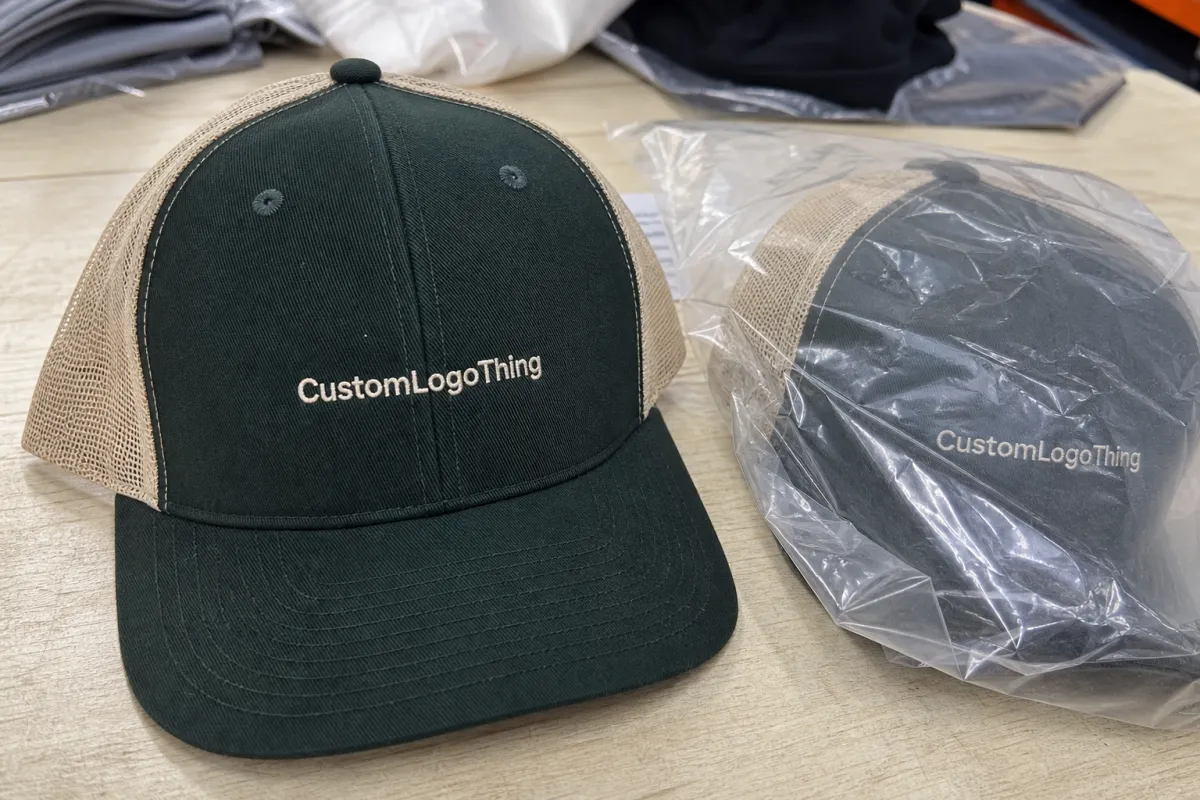
A trucker cap is simple only at a glance. A 5-panel foam front feels different from a structured 6-panel build, and a soft mesh back wears differently from a tighter, denser mesh. Even the bill curve changes how the logo reads from a distance.
That is why the trucker Caps Sample Checklist is a real buyer safeguard, not just paperwork. It compares the spec sheet against the actual product. If the cap is meant for a large embroidered logo, the sample will show whether the front panel supports that thread density without puckering. If it is meant for summer wear, the sample will show whether the mesh and sweatband deliver the comfort the buyer needs.
From a packaging buyer's perspective, this stage works like reviewing a carton proof before a full press run. You are not looking for a nice-looking proof; you are looking for anything that would cost money later. With caps, those issues usually include crown height, closure range, panel symmetry, and decoration placement.
A good sample is not the prettiest version of the cap. It is the version that tells the truth about production.
If the first sample is close but not right, that is still valuable. It shows where the risk is and gives the supplier a clear target for revision before bulk production starts.
What the Trucker Caps Sample Checklist Should Verify
Start with the build. Check crown height, front-panel structure, mesh quality, bill curve, and closure style first, because those are the details buyers notice immediately when they wear the cap. A cap can look right flat on a table and still sit too high or pinch at the temples.
Then inspect decoration. Embroidery, woven patches, PVC patches, screen print, and heat transfer all behave differently on cap fronts. Thick embroidery can pull on thin foam panels, while an oversized patch can crowd a narrow front panel. The sample should confirm that the logo size fits the available space and that it is centered correctly.
Next, review finishing details. Stitching density, seam alignment, sweatband feel, and color consistency matter, especially for retail or branded giveaway programs. Private-label elements should also be confirmed: woven labels, printed size tags, barcode placement, and retail-ready packaging all belong on the checklist.
A simple pass-fail note system keeps feedback clear:
- Pass - crown height, mesh color, and closure range match the spec.
- Needs revision - logo sits 5 to 8 mm too low on the front panel.
- Hold - sweatband feels coarse and should be upgraded.
That kind of note is much more useful than vague feedback like "make it better." It gives the factory a measurable target and reduces back-and-forth.
For packaging-minded buyers, it also helps to review the cap sample the same way they would review packaging: placement, consistency, and repeatability. For broader shipping and transit expectations, the International Safe Transit Association is a useful reference when you want to think beyond appearance and consider how the finished item handles shipping.
Sample Process and Turnaround: From Proof to Approval
The sample flow is usually straightforward: artwork review, blank cap selection, decoration setup, physical build, inspection, and buyer feedback. If any step changes, the schedule changes too. A revised patch, a different mesh color, or a new closure style can add days.
Clear ownership keeps the process moving. Design approves the artwork, sourcing confirms the cap body and material, production builds the sample, and the buyer signs off. If responsibility is unclear, the sample can sit waiting while each side assumes someone else has approved it.
Lead time depends on four things: material availability, decoration setup, shipping distance, and revision requests. A simple blank sample may be ready faster than a decorated one, while custom patch work or private-label finishing usually takes longer. In many cases, a decorated sample lands in the 7 to 15 business day range after proof approval, but workload and sourcing constraints can stretch that.
Photo approval can work for a very standard style when the buyer already trusts the supplier. A physical sample is better when shape, foam density, or logo scale needs hands-on review. That matters most if the cap will be sold retail or worn widely, where comfort and appearance both affect acceptance.
Every revision should be treated as a reset point. Once the sample is approved, the final product should match it closely. If anything is allowed to change later, the buyer needs to know exactly what can move and what cannot.
Fit, Foam, Mesh, and Decoration Details That Change the Result
Foam-front truckers, structured mesh-back caps, unstructured builds, and performance versions all behave differently. Foam creates a bold, flat front for graphics, but it can dent more easily if packaging is rough. Structured fronts hold shape better, while unstructured caps sit lower and feel softer.
Closure choice changes fit range. Snapbacks give broad adjustment, strapbacks can feel a little cleaner, and fitted styles need tighter size control because they allow less forgiveness. If the order will go to a mixed audience, have more than one person try the sample.
Decoration size matters more than many buyers expect. A large embroidered logo can pucker a thin front, and a patch that is too tall can crowd the top seam. On a tall crown, artwork may need to sit slightly lower than expected to stay balanced. The sample is where that becomes visible; a mockup will not show how material tension changes under stitching or heat.
Comfort is not a minor detail. Sweatband softness, crown pressure, bill flexibility, and mesh breathability all affect whether people actually wear the cap. If it will be used outdoors for long periods, a scratchy sweatband or stiff front can make the cap hard to keep in rotation.
Lighting matters too. Color shifts under daylight, warehouse lighting, and phone cameras, so review the sample in consistent light before approval. If the buyer and vendor are comparing revisions by photo, keep the lighting consistent from one version to the next.
For material sourcing, FSC-certified packaging materials can matter if the order includes inserts, hang tags, or retail cartons. The Forest Stewardship Council is a useful reference point when sustainability claims are part of the broader program.
Cost, Pricing, and MOQ: How to Read a Sample Quote
Sample pricing usually breaks into cap base cost, decoration setup, packaging, shipping, and any revision or rush charge. A blank sample is often relatively inexpensive, while a decorated sample with a custom patch, label, and retail packaging costs more because each step adds labor and setup.
MOQ, or Minimum Order Quantity, affects pricing as well. Special materials, custom colors, or decoration methods that need separate setup often push the sample quote higher. Buyers sometimes compare quotes that look similar but differ because one includes a basic blank cap and the other includes a finished, decorated proof.
Ask what is included, what is optional, and what counts as an extra service. Some suppliers credit the sample fee back after the bulk order is placed. Others treat the sample as development cost. Either approach is normal; what matters is knowing the rule before approval.
| Sample Type | Typical Cost Range | Best For | What to Watch |
|---|---|---|---|
| Blank cap sample | $12-$20 | Checking fit, crown shape, mesh feel | Does not confirm logo placement or finish |
| Decorated sample | $28-$65 | Testing embroidery, patch size, and placement | Setup fees may apply if artwork changes |
| Private-label sample | $35-$85 | Retail programs and branded launches | Includes tags, packaging, and label checks |
| Rush revision sample | $45-$100+ | Tight launch windows | Shipping and rework can raise the total fast |
These ranges are not fixed, but they give buyers a realistic frame of reference. If a quote falls far outside them, ask why. Sometimes the reason is legitimate, such as a special fabric or imported patch. Sometimes it is only a quote that includes more than the buyer expected.
Step-by-Step Review: How to Approve a Cap Sample Without Guesswork
Start with a clean review sheet before the sample arrives. It keeps every stakeholder looking at the same details in the same order. If one person is checking color, another fit, and another packaging, the feedback can get messy quickly.
- Match the spec sheet - compare crown height, bill shape, closure range, and front-panel structure.
- Inspect the build - look at stitching, seam alignment, mesh placement, and sweatband finish in good light.
- Check the decoration - confirm logo size, centering, stitch density, patch edges, and thread color.
- Wear the cap - test comfort, pressure points, and adjustability instead of judging only on a desk.
- Document everything - take front, side, and back photos with notes so the approval trail stays clear.
This process keeps the review grounded in what matters. A cap that looks fine at arm's length may still pinch after ten minutes of wear, and a logo that seems centered in a photo may sit too high once the brim is curved. Real approval means checking all of that before production starts.
If the cap will be reordered later, keep the approved physical sample and the final spec sheet together. That pairing is the best reference point for future runs and helps prevent drift when the order moves to a new production cycle or decorator.
If packaging is part of the order, check it now, not later. A cap can be perfect and still disappoint if the polybag, insert card, or label placement is wrong for the intended retail or giveaway use.
Common Sample Mistakes That Lead to Rework or Delays
The biggest mistake is approving from one photo alone. Texture, proportion, and color often look different in person, especially with foam fronts and mesh backs. Phone images flatten detail and can hide the issues a buyer needs to catch.
Skipping the fit check is another common problem. That is risky if the final order will be worn by a wide range of head sizes. A cap can have the correct logo and still fail if the crown is too tall or the closure range is too tight.
Vague feedback slows revision cycles. "Make it better" does not tell a factory whether the buyer wants a smaller logo, a softer front, a darker mesh, or a lower crown. Exact notes move faster because they give the vendor something measurable to fix.
Sample and bulk specs also drift more often than buyers expect. Decoration size, mesh color, closure style, or packaging format can change after approval if the final spec sheet is not locked. One version-controlled document matters, and so does one approved reference sample.
Most delays are not caused by the factory alone. They also come from unclear direction, changing expectations, or a sign-off that happened before the buyer really checked the details. The easiest way to avoid that is to slow down enough to inspect the sample properly the first time.
Expert Tips and Next Steps After the Final Sample Passes
Once the sample passes, sign off only when the physical piece and the spec sheet match. If the sample is approved with exceptions, write those exceptions down clearly instead of leaving them in email threads where they can be missed later.
Before production starts, confirm final lead time, shipping method, packaging details, and any remaining pre-production steps. The sample is often the last safe place to catch a mismatch between expectation and reality, so the handoff into bulk should be deliberate.
Archive everything: photos, notes, measurements, artwork versions, and the approved sample itself. That may feel tedious, but it pays off when you need to reorder. Reorders go smoother when there is a real reference point instead of a memory of what the cap "sort of looked like."
This discipline also helps across other branded products. Whether the order is hats, cartons, mailers, or inserts, the strongest programs keep one approved standard and return to it every time. It keeps quality checks faster, more predictable, and easier to defend internally.
My practical advice is simple: use the trucker caps sample checklist, request a revised sample if anything misses the mark, and approve production only after every fix is documented and accepted. That habit saves money, prevents avoidable rework, and gives buyers more confidence before a bulk order moves forward.
What should be on a trucker caps sample checklist?
Include fit, crown height, bill curve, mesh quality, closure style, and front-panel structure. Add decoration checks for logo size, placement, stitch density, patch alignment, and color match. Finish with packaging, label placement, and a pass-fail note for each item so the review is easy to share.
How many samples should I review before bulk ordering trucker caps?
Review at least one physical sample before approving a large order. Request a second revision sample if the first version misses fit, color, or decoration goals. Use a final approved reference sample when the bulk run starts so the factory has one clear standard.
What affects trucker cap sample pricing the most?
The biggest drivers are the cap base, decoration method, setup work, shipping, and any rush or revision fees. Custom materials and low quantities usually increase the per-sample cost. Ask whether the sample fee can be credited against the production order.
How long does trucker cap sample approval usually take?
Timing depends on blank cap availability, decoration complexity, and shipping distance. Simple samples move faster, while custom colors or patch work usually add time. Each revision extends the schedule, so clear feedback keeps the process moving.
What if the sample looks right but the bulk run could still change?
Lock the final spec sheet, including materials, logo size, closure type, and packaging. Ask for a pre-production reference photo or pre-production sample before the full run starts. Keep one approved sample on file so any future check can be compared against the same standard.


