Vitamin Brand Kraft Paper Bags Sample Approval Checklist
For supplement packaging, vitamin brand Kraft Paper Bags sample approval is the point where a design stops being theoretical. A file can look polished and still miss the real requirements: the gusset may be too narrow, the handle may sit too close to the edge, or the logo may soften once natural kraft starts absorbing ink. Those are not small details. They shape how the bag feels in the hand, how it holds up in transit, and whether the brand reads as credible on shelf.
The first mockup often gets too much credit. The sample is the part that exposes what the artwork cannot show. Buyers see how the bag folds, how the seams behave, how the paper takes color, and whether the product still feels balanced once loaded. For vitamin packaging, that matters because the bag is carrying more than a product. It is carrying trust, and trust is quick to erode if the package looks improvised.
There is also a commercial side that is easy to underestimate. Every revision after sample review can add setup fees, shipping time, and another round of internal approval. A small dimensional mistake can become a delivery delay. A vague color note can become a second prototype. That is why sample approval should be treated as a production checkpoint, not a courtesy step. Case Studies often show the difference between a controlled approval path and a project that keeps slipping because the details were never locked.
"The quickest approvals usually come from the clearest briefs: fixed dimensions, one decision owner, and a sample tested with the actual filled product."
That practical rule holds up across most supplement runs. A rendered image cannot confirm load behavior. A PDF cannot show fold memory after shipping. Only the sample can reveal whether the kraft bag still looks clean once it has been handled, packed, and stacked. That is the reason experienced buyers pay close attention to the physical proof before they release production.
Why sample approval matters more than the first mockup
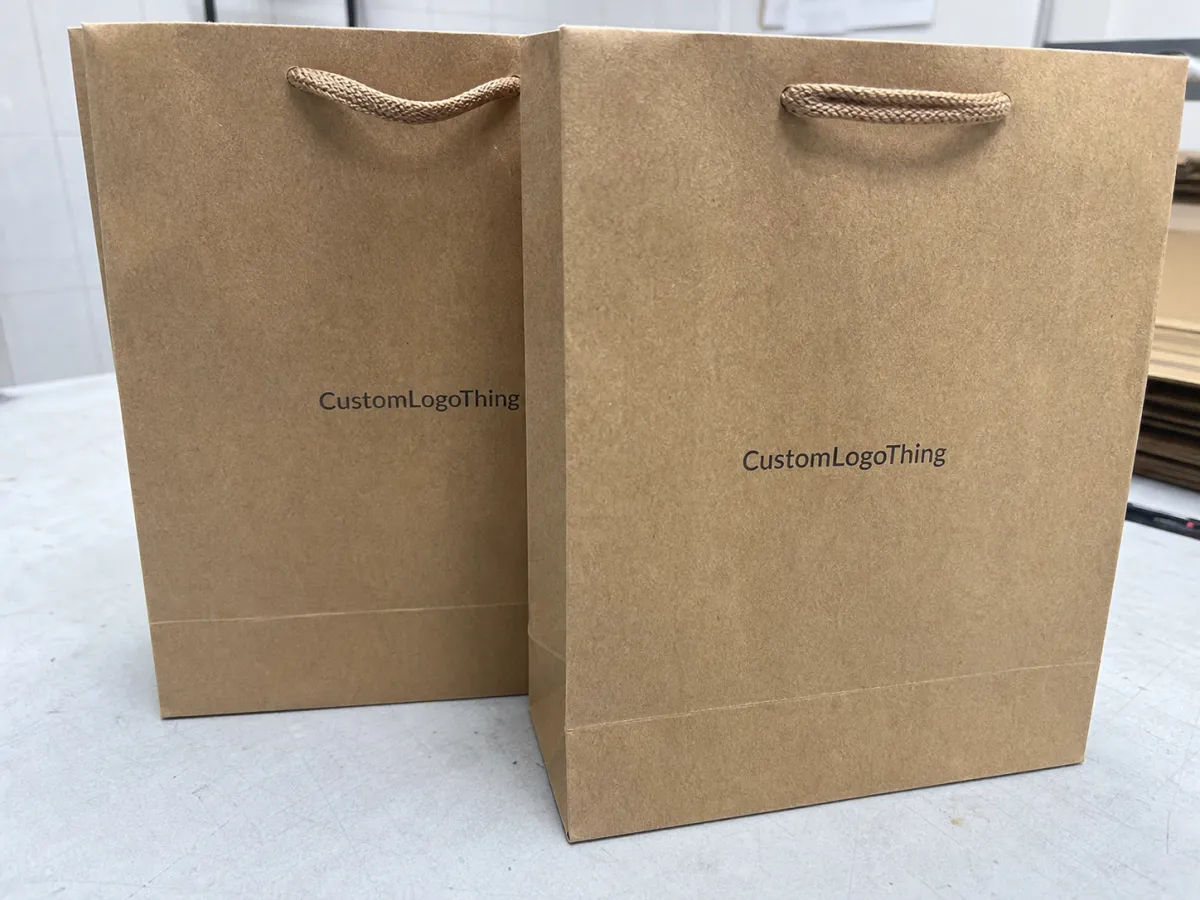
Vitamin brands tend to judge packaging more strictly than many other categories, and for good reason. Supplements often sit in a space where consumers expect order, discipline, and a certain level of restraint. Kraft paper can support that feeling beautifully. The material suggests warmth, care, and a lighter footprint. It also introduces a few technical challenges that only show up once the sample is in hand.
Natural kraft does not behave like coated board. Ink sinks differently. Fine lines can soften. Bright colors shift against the brown or tan paper tone. A shade that looked crisp on screen may appear flatter after printing, especially if the artwork depends on pale tones or delicate typography. That is why vitamin Brand Kraft Paper Bags sample approval has to happen under real lighting with the actual material, not as a digital guess.
The sample also confirms whether the structure matches the intended use. If the bag is meant to carry a bottle, sachet set, or multipack, the opening width and handle position matter more than they would on a decorative retail pouch. A few millimeters can change the way weight distributes across the top panel. Too little depth and the product presses against the seam. Too much slack and the pack looks unfinished.
For brands that ship bags inside corrugated cardboard shippers, the outer system matters as well. A bag that looks stable on a table may scuff, bow, or flatten in a carton. Some teams borrow basic transit thinking from ISTA methods or simple drop and compression checks. Others use a plain pack-out test with real product and actual shipper cartons. Either approach is more useful than approving from a photo set alone.
What often slows projects down is not the sample itself but the false confidence around it. A bag can feel close enough on first glance and still fail in the areas that count: stiffness, seam strength, print density, or fit with the product inside. Close enough is a visual opinion. Safe to approve means the package survived a real test.
Vitamin Brand Kraft Paper Bags Sample Approval: Process and Timeline
The approval path usually follows the same sequence. First comes the brief: size, fill weight, closure style, print coverage, paper grade, and whether the bag needs a window, liner, or coating. Then comes the dieline and artwork proof. After that, the supplier produces a physical sample, ships it, and waits for feedback. Once the sample is signed off, the order can move into production.
Timelines vary more than buyers expect. A straightforward sample with final artwork can sometimes move through in 7 to 12 business days. More complex builds, such as specialty handles, multiple print colors, foil, or recycled-content documentation, often take 2 to 3 weeks before the approval team is ready to sign. Transit time adds another 2 to 5 days depending on route and courier speed. The slowest part is usually internal review, not manufacturing.
That review goes better with a clear owner. Packaging should inspect structure and fit. Brand should review look, color, and copy. Operations should check pack-out, carton loading, and whether the bag can be handled without damage. QA or regulatory may need to verify barcode placement, lot code space, and claim language. A broad review can be useful, but only one person should collect the final decision. Without that, the same comments tend to circle back in different wording.
A simple order of review keeps the process grounded:
- Confirm dimensions and structure first, because those affect fit and function.
- Check print position, type size, and logo placement next.
- Review coating, texture, and color under normal store lighting.
- Confirm pack-out, carton loading, and shipping expectations last.
That order is more than administrative neatness. Dimensional changes can force new tooling or a new proof. A text tweak is easy. A panel change after the sample is made can reset the schedule. For that reason, sample approval is most efficient when the decision starts with the parts that are hardest to reverse.
If the supplier sends photos or a short video before the physical sample arrives, review them immediately. They can reveal obvious problems such as uneven folding, offset logos, or handle asymmetry. They do not replace the sample, but they can save a few days if the issue is already visible.
Specs that change the final look, feel, and protection
“Kraft” describes a family of papers, not one fixed material. Fiber mix, weight, finish, and coating all change the outcome. Two bags with the same size can feel completely different in the hand. One may fold crisply and stand well. Another may feel softer and show more spring at the gusset. For supplement packaging, that difference affects both appearance and durability.
Paper grade and finish
Paper weight is one of the first specs to verify. Smaller vitamin bags can often work with 120gsm to 150gsm kraft paper, depending on the fill and structure. Larger retail bags or reusable packs usually feel better at 170gsm or above. If the brand wants a premium natural look, FSC certified sheet stock can support the sourcing story without changing the visual tone. If the bag needs more resistance to scuffing or moisture, a light coating or aqueous finish may be worth discussing.
If sustainability claims are part of the packaging language, ask for documentation before those claims are printed. FSC certification is easier to support than vague environmental language. Recycled content, post-consumer waste content, and biodegradable statements all need the exact material basis and the right paperwork. Packaging copy should follow the spec, not lead it.
Print coverage and color behavior
Natural kraft absorbs ink differently than coated artboard. That means bright blues, reds, and pastels often shift. Solid fills may look darker and less saturated. Reversed text can lose sharpness if the artwork is too fine. For a vitamin brand that wants a clinical, tidy presence, that becomes a practical issue rather than a design preference.
Spot color is often the safer route if consistency matters more than visual complexity. Heavy coverage can help a design stand out, though it may also cover the natural fiber texture that gives kraft its appeal. The sample should be checked in the lighting where the bag will actually be seen, not only under a desk lamp or monitor glow. Natural kraft can change character fast once the room lighting changes.
Structure and protection
The sample should be tested while filled. Lift it, set it down, and leave it standing for a while. Check whether the handle pulls the top edge into a slight curve. See whether the base still sits flat after repeated handling. If the product is going into a shipper carton, test the full packed set rather than the empty bag. Empty samples hide a surprising amount of behavior.
For shipping-related checks, a full lab program is not always necessary, but the logic behind ASTM D4169 or an ISTA distribution test helps teams think more clearly about vibration, compression, and handling. That matters most when the bags travel through multiple warehouses or retail partners before they reach the customer.
Small details deserve the same attention. Barcode readability affects receiving. QR code placement affects education or authenticity workflows. Batch code space matters if variable data is added after approval. A tidy mockup can hide those issues. The physical sample makes them obvious.
Pricing, MOQ, and quote factors buyers should compare
Price decisions go better once the sample has exposed the real spec. A quote that looks inexpensive can turn out to be a different product entirely if the paper is lighter, the print is simpler, or the finish has been downgraded. That is especially common in supplement packaging, where brands are trying to balance cost, shelf image, and claims about recycled or natural materials.
Sample costs are worth separating from production costs. A basic prototype sample may run about $20 to $75 plus shipping. A production-oriented sample that matches the final paper, print, and finish more closely can land around $60 to $180 depending on complexity. Revision samples often add another $25 to $90, especially if a new plate, new dieline, or different finishing step is required.
MOQ affects the unit price too. Smaller runs carry more setup cost per bag. Larger runs usually lower the unit price but increase the amount of inventory sitting on hand. Buyers often compare only the quoted unit number and miss the shape of the total cost. That misses the point. The real question is what spec you are actually buying and whether the sample proved it can be produced consistently.
| Quote element | Typical range | What to verify | Buyer risk |
|---|---|---|---|
| Basic prototype sample | $20-$75 plus shipping | Size, fold, handle position | Looks correct, but may not match final finish |
| Production-ready sample | $60-$180 plus shipping | Paper weight, print density, coating | Best for final sign-off and launch readiness |
| Revision sample | $25-$90 additional | Exactly what changed and why | Extra time if feedback is not consolidated |
| Rush sample | 10%-30% premium | Transit time, line priority, cutoff date | Higher cost if the review team is slow |
Several hidden cost triggers show up late if nobody looks for them early. Rushed freight can add more than expected. Last-minute artwork edits can restart a proof. Specialty inks, foil accents, soft-touch finishes, or a dimension change can all push the order into a more expensive lane. The sample stage is the right moment to catch those variables, not after the purchase order has been sent.
Good buyers compare quotes like-for-like. If one option uses thinner board or fewer print passes, the lower price is not really the same thing. It is a different bag. The sample should make that difference visible before money is committed.
Common sample approval mistakes that create rework
The most common mistake is approving the bag before the real product has been tested inside it. An empty kraft bag can look perfect on a desk. Once the bottle, pouch, or jar is inserted, the top may pinch, the base may shift, or the handle may pull awkwardly. The sample should always be checked with the final product or a dummy load that matches the same weight and shape closely.
Color disputes are another frequent source of rework. Teams compare the sample to a monitor rather than a physical standard. That is a poor method, especially on natural kraft where the substrate already changes the look of the print. A printed swatch or approved reference sample is much more reliable than a screen image.
Technical checks are often skipped because the sample seems “good enough.” That shortcut can create trouble later. Barcode scans can fail if placement is wrong. Seal strength can be weak around fold areas. Carton fit can be tight enough to damage the corners in transit. For vitamin packaging, those are not edge cases; they are normal failure points if nobody tests them.
Vague feedback slows everything down. “Make it premium” is not a usable instruction unless it is tied to something concrete such as heavier board, deeper ink, cleaner typography, or a different finish. “Make it greener” needs the same level of precision. Otherwise the supplier has to guess, and guessing leads to another sample.
Approval by committee can be even more expensive. One reviewer wants a darker logo, another wants more texture, and a third wants a wider base. Without one final decision owner, the project keeps moving in circles. A simple approval log prevents that more often than teams expect.
Expert tips for faster approval and fewer revisions
Build one approval sheet before the sample is ordered. It should list dimensions, paper weight, print colors, finish, handle style, copy claims, barcode placement, and pack-out details. A single page is enough if it is clear. The point is to keep the review focused on production facts instead of drifting into general preference.
Approve against the actual product whenever possible. If the vitamin item is not ready yet, use a dummy load that closely matches the final size and weight. Empty bags hide too much. A full bag shows whether the top closes cleanly, whether the base sits straight, and whether the handle pull feels balanced.
Ask for photos or a short video before the physical sample arrives. That gives the team an early look at handle alignment, fold symmetry, and print placement. If the sample is visibly off, there is no reason to wait for the courier to finish the trip before flagging it.
Keep a decision log. Record the sample version, the date, the reviewer, and the exact comments. Mark up the same image set every time. That makes version control easier, and it helps later if a reorder needs to match the original run. The best approval records are boring in a good way: clean, dated, and easy to follow.
Final sign-off is not casual. It is a handoff from development to production. Once the sample is approved, the bag is expected to represent the brand exactly as reviewed. That is a serious decision for any vitamin line, especially one trying to build a clean and dependable shelf presence.
Next steps before you place the order
Before production starts, place the final artwork file, approved sample version, exact bag spec, and MOQ into one shared record. If the supplier, brand team, and operations team are working from different files, mistakes multiply. One source of truth keeps the order consistent and gives everyone the same reference point.
Send one consolidated approval note. It should state what is approved, what is still pending, and whether any exceptions are allowed. Long threads with scattered comments slow everything down. A single message with the right attachments is easier to action and easier to audit later.
Before the PO is released, verify the practical items that tend to get skipped:
- Lead time from approval to production and shipment.
- Carton count, shipper format, and pallet expectations.
- Shipping address and receiving contact.
- Compliance wording, barcode format, or variable data requirements.
- Whether the approved sample will be stored for future reorders.
That last point matters more than many teams realize. A stored approved sample gives you a direct reference for future runs. If a later batch shifts in stiffness, color, or print density, there is something physical to compare against. For repeat vitamin lines, that helps protect consistency from one order to the next.
A tidy approval record is a small piece of discipline with a long tail. It makes reorder discussions easier, helps avoid unnecessary complaint loops, and keeps the packaging story stable over time. For brands using Kraft Paper Bags, the goal is not just to approve a sample. It is to approve a package that will keep behaving the same way after the first order, the second order, and the one after that.
How long does vitamin brand kraft paper bags sample approval usually take?
Most timelines depend on artwork readiness, sample complexity, and shipping time. A simple sample can move quickly if the brief is complete and one person owns the decision. Add extra days if the bag needs special printing, unique handles, coatings, or a second revision. Once the sample arrives, review it the same day so changes can be requested before the production slot shifts.
What should I check before approving a kraft paper bag sample for vitamins?
Check dimensions, print placement, paper feel, handle strength, seam quality, and how the bag sits when filled. Confirm that any barcode, QR code, or batch area is readable and in the right spot. Review the sample under real lighting and against a filled product, not only as an empty bag on a desk.
Why does sample approval affect the unit cost of vitamin paper bags?
Every change after sampling can trigger new setup work, new proofs, or a fresh prototype run, which raises cost. Tighter specifications, specialty finishes, and lower quantities also push unit pricing upward. Approving the right sample early is one of the simplest ways to avoid avoidable rework charges.
What causes delays in the sample approval process?
Common delays come from unclear feedback, slow internal review, artwork changes after the sample is made, and back-and-forth on specs that were never locked. Shipping time can also become a bottleneck if the physical sample has to cross regions or pass through internal receiving. A single approval owner with a checklist usually cuts review time faster than a committee-style process.
How can I make vitamin brand kraft paper bags sample approval faster?
Send one complete brief, one artwork file, and one list of must-have specs before the sample is produced. Use a structured approval sheet so the supplier knows exactly what is approved, what is pending, and what must change. Test the sample against the filled product right away and return feedback in one consolidated message.


