Soap brands usually discover quickly that soap brand Kraft Paper Bags cost is not just a paper-and-ink line item. The real price is tied to how well the bag fits the bar, how much handling it survives, and how the pack behaves in storage, transit, and on shelf. A bag that holds its shape, keeps the soap clean, and prints clearly can save more money than a prettier but weaker structure that creates waste later.
Soap is a simple product on the surface, but packaging decisions around it are not. The bar might be hard and dry, softly cured, highly fragranced, or bundled with a card insert and a seal. Each of those details changes the right bag structure, the paper grade, and the finish. That is why a useful quote starts with the product itself, not with a generic packaging template.
For brands comparing options, the key question is practical: does the bag protect the product without making packing slow or expensive? If the answer is yes, the order tends to work better at scale. That is where soap brand Kraft Paper Bags cost becomes easier to judge, because the price starts to reflect performance rather than presentation alone.
Why kraft paper bags can reduce soap returns and waste
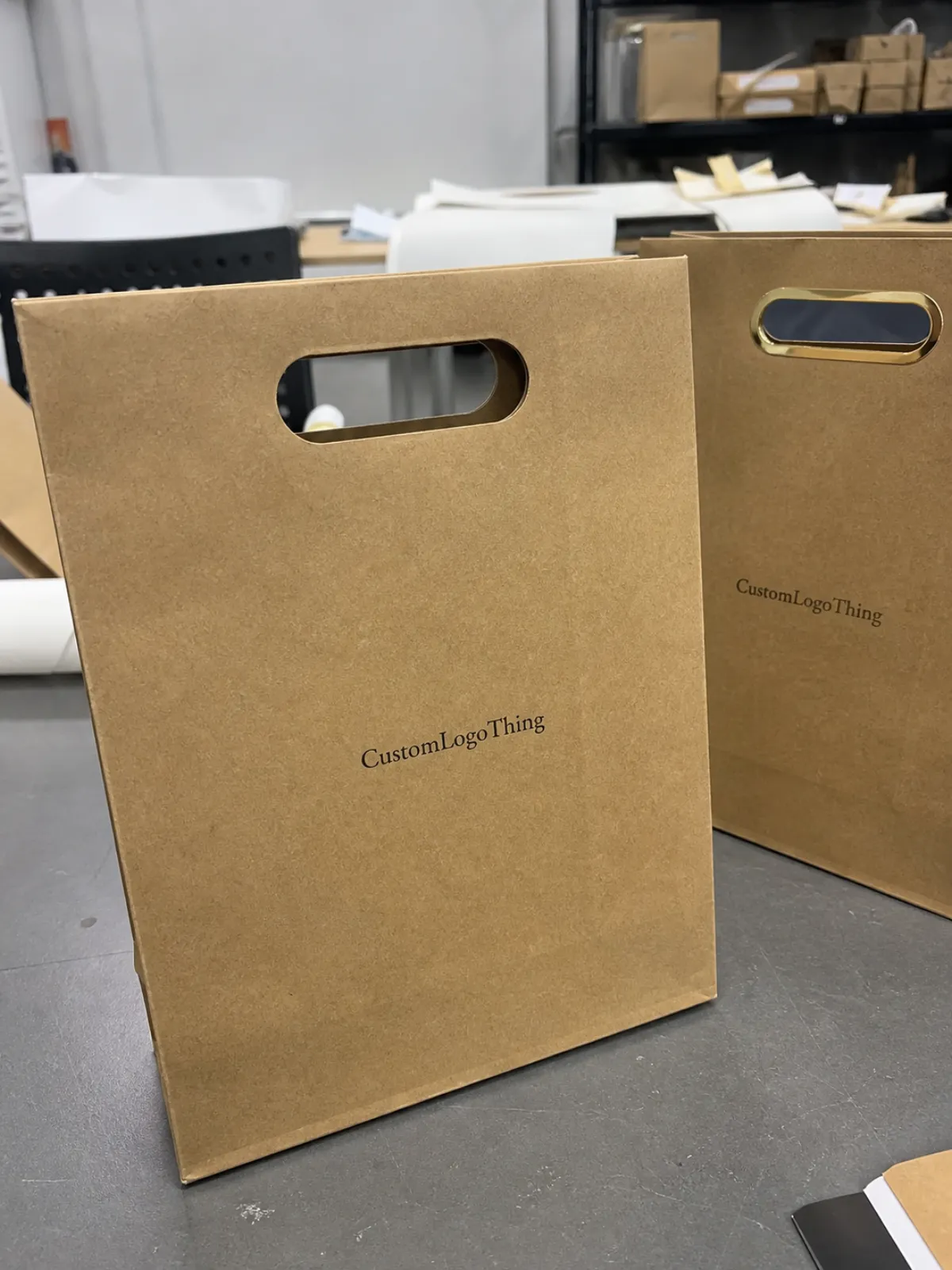
A soap bar that rattles inside oversized packaging usually arrives with rubbed edges, dented corners, or a surface that looks tired before the customer even opens it. Kraft Paper Bags help because they can be sized closely and built with enough stiffness to hold the bar in place. That smaller movement inside the pack matters more than many buyers expect.
Less movement means less scuffing. Less scuffing means fewer returns, fewer rejects, and fewer units pulled aside for hand inspection. On a small order, that may only show up as a few damaged bars. On a steady replenishment program, the waste becomes noticeable in labor and replacement cost. A bag that performs well can cut those losses without adding much weight or complexity.
Kraft also works well for brands that want a natural visual cue. The material gives an honest, restrained look that suits handmade or plant-based soap lines, especially where the packaging is meant to feel plain rather than polished. That visual fit is useful, but the structural side is more important. A clean-looking bag that collapses in transit is still a bad buy.
There is another practical benefit: packing speed. A bag that opens well, folds cleanly, and does not fight the line can keep labor predictable. That matters for brands assembling by hand, where even a few extra seconds per unit can stretch a run by hours. Small efficiency gains often matter more than a slightly lower print quote.
Kraft paper also gives buyers a workable path for recycled content, FSC-certified stock, and lower-plastic packaging claims. Those features do not automatically make a bag better, but they do fit brands that want a clearer sustainability story. The important part is consistency. A claim only helps if the bag, adhesive, ink, and closure all support it.
A good soap bag is quiet about its work. It keeps the bar in shape, keeps the finish presentable, and does not get in the way of packing or display.
That is the main reason many soap makers keep returning to kraft. It offers a stable middle ground between low-cost protection and retail readiness, without forcing the order into a rigid carton or a highly engineered pouch that the product does not need.
Bag structures that fit soap bars without overpacking
Soap bars are compact, but the bag around them still has to do real work. A flat kraft bag is usually the simplest choice for single bars, sample packs, or lightweight promotional runs. It keeps material use low and is easy to stack, label, and hand-pack. For small bars with a narrow profile, that format often gives the cleanest cost profile.
Gusseted bags are better when the soap is thicker, wrapped in paper, or paired with a tag, insert, or display card. The gusset gives the pack room to hold shape without crushing the product. That extra side volume often matters for soap because many bars are square-edged and prone to corner wear if the fit is too tight in the wrong place.
Stand-up formats have a different purpose. They can make sense for gift sets, multi-bar bundles, or seasonal collections, especially when shelf presentation matters as much as protection. The tradeoff is cost. They usually need more material and more fabrication steps, so they should be chosen for a real merchandising reason rather than as a default premium upgrade.
Closures are just as important as the body structure. Folded tops are economical and quick. Adhesive closures add dust protection and a more secure feel. Tear notches or easy-open scores can help retail teams open the pack without damaging the face panel. Windows let the soap color show through, but they also add cut lines and sometimes reduce stiffness, which should be checked against the bar weight.
| Structure | Typical use | Approx. unit cost impact | Practical note |
|---|---|---|---|
| Flat kraft bag | Single bar, sample, low-weight retail pack | $0.10-$0.20 at 5,000 pcs | Lowest material use, fastest to pack |
| Gusseted kraft bag | Thicker bars, gift sets, multi-packs | $0.16-$0.30 at 5,000 pcs | Better shape retention and shelf presence |
| Stand-up pouch with kraft finish | Premium gifting or mixed kits | $0.28-$0.55 at 5,000 pcs | Stronger display impact, usually higher setup cost |
Those figures are only a guide, because paper stock, print method, and finishing can move the number in either direction. Still, the structure itself is often the first place where a buyer can save money. Choosing the simplest format that still protects the soap is usually better than overbuilding the pack and trying to force efficiency somewhere else.
If you want to compare packaging approaches more broadly, the Case Studies page is a useful reference point for how structure, quantity, and finish shift the final order.
Specs that affect fit, shelf life, and print clarity
The first spec to settle is size. Measure the finished soap bar, then allow for any inner wrap, label, card insert, or closure fold. A bag that is too tight tends to wrinkle the front panel and distort the logo. A bag that is too loose lets the bar shift and rub. Either problem makes the pack look less controlled and usually increases rejection risk.
Paper weight matters next. Lightweight kraft can work for simple, low-risk retail bars, but thicker stock usually gives better stiffness and tear resistance. For many branded soap projects, the useful range sits around 100-150 gsm, although the right choice depends on the format and the handling the bag will see. A hand-packed boutique order does not need the same build as a national retail run that will move through distribution centers and multiple stock rooms.
Print clarity is another place where the spec should be realistic. One-color artwork is economical and often looks best on kraft when the brand wants a natural, understated feel. Multi-color artwork can strengthen shelf impact, but it also needs cleaner file preparation and more careful press matching, especially because kraft stock absorbs ink differently from white-coated paper. Colors shift more easily on brown stock, and that should be expected rather than treated as a defect.
Finish choices affect both appearance and performance. Matte coatings reduce glare and can help the bag look calmer under store lighting. Varnish can sharpen graphics and improve scuff resistance. Soft-touch finishes feel premium, though they add cost and may not fit every soap brand. The right choice depends less on trend and more on how the product is actually sold.
- Measure carefully: length, width, depth, and any wrap thickness should be recorded before quoting.
- Check storage conditions: humidity, heat, and long shelf dwell times can change performance.
- Leave room for artwork: logos and text should avoid folds, seams, and glue zones.
- Match the line: hand packing needs easier folds than fully automated runs.
For brands using FSC stock, recycled paper, or other low-plastic claims, the whole pack should be reviewed together. A bag can be made from responsible paper and still underperform if the adhesive fails, the finish scuffs easily, or the closure opens during transport. Buyers comparing soap Brand Kraft Paper Bags cost should look at the full spec sheet, not only the paper grade.
Soap Brand Kraft Paper Bags Cost: What drives the quote
Soap Brand Kraft Paper Bags cost usually moves with five variables: size, paper grade, print coverage, quantity, and finishing. If a bag is standard-sized, uses common kraft stock, and carries a single-color logo, the quote can stay modest. Add a window, multiple print colors, a liner, or a special closure, and the price rises because each element adds material, setup, or labor.
Quantity has a strong effect. Smaller runs are possible, but the setup work does not shrink much, so the cost per unit climbs. A 2,000-piece order may quote much higher per bag than a 10,000-piece order even if the design looks nearly identical. That is one reason buyers should compare landed cost and not stop at the headline unit price.
Special features add up fast. Cutout windows require extra tooling and sometimes a clear insert. Barrier liners help with grease and fragrance control but increase material use. Handles, hang holes, custom seals, and multiple ship-to destinations all affect the final number. Even carton packing can change the total if the bags need protective outer packaging or additional labeling.
The numbers below are a practical range rather than a promise, but they show how the spec usually shapes the quote:
| Typical order profile | Unit price range | Setup complexity | Best fit |
|---|---|---|---|
| Stock-size kraft bag, 1-color print | $0.12-$0.18 | Low | Trial runs, simple retail bars |
| Custom gusseted bag, 1-2 colors | $0.18-$0.32 | Moderate | Core soap line, gift bundles |
| Custom bag with window and finish upgrade | $0.25-$0.45 | Higher | Premium shelf presentation |
| Barrier-lined pack with specialty closure | $0.30-$0.60+ | Higher | Fragranced, oily, or humid-storage products |
Shipping can change the delivered number just as much as production does. Master cartons, pallet count, and freight class all influence landed cost. A low unit quote is not very helpful if the packing method leads to damage, repacking, or extra freight charges later. That is why experienced buyers read soap brand kraft paper bags cost as a complete order number, not a single line in isolation.
There is also a simpler way to control the budget: simplify the structure before negotiating the print. Many brands try to shave a few cents from a complicated spec when the larger savings are sitting in the bag design itself. Removing a window or choosing a standard closure can save more than asking for a lower quote on the same heavy spec.
Barrier and finish choices that protect aroma and presentation
Soap is not fragile in the same way as cosmetics, but it still has two weaknesses: scent loss and surface wear. If the bar is strongly fragranced, the pack should slow aroma migration enough to preserve the first impression after opening. If the soap contains oils or a softer binder, the bag should help reduce rubbing, dust pickup, and handling marks.
Barrier choices can help, but they should be added only when the formula needs them. A dry, hard bar sold through a local boutique may do well in a simple kraft bag with no liner at all. A richly scented bar packed for ecommerce, handled in fulfillment, and stored in warm stock areas may need a coated interior or a light barrier layer. The formula and the route to customer matter more than the idea of a universal best material.
Finish affects how the pack reads on shelf. Matte lamination gives a quieter surface and hides fingerprints better. Varnish can improve edge clarity in printed areas. Soft-touch coating creates a premium feel, though it can raise cost and may not fit a brand that wants a more natural, handmade look. The finish should support the product story, not fight it.
For brands using custom soap packaging as part of their display strategy, finish also affects photography and retail perception. A pack that looks good on a screen but scuffs in transit loses value quickly. It is better to choose a finish that survives handling than one that only looks good in a mockup.
Testing should stay simple and practical. Drop checks, carton compression checks, and short humidity exposure tests reveal a lot before production starts. Transit conditions are rougher than a sample table, so packaging should be judged by how it behaves after stacking, movement, and repeated handling. ASTM-based paper checks and ISTA-style thinking are useful even for modest soap runs because they catch problems early.
Process, approval, and lead time from dieline to delivery
The cleanest projects usually follow the same path: confirm size, build the dieline, review artwork, approve a sample, then release production. Skipping one of those steps often leads to avoidable problems, especially around folds, glue zones, and closure placement. A dieline is more than a technical file; it shows how the finished bag will fold, seal, and sit once the soap is inside.
Lead time depends on the amount of custom work. A straightforward order can often move from proof approval to shipment in about 12-15 business days. Specialty finishes, liners, or multi-step structures take longer. If a project needs a printed sample, custom cutting, or humidity-related testing, the schedule should be padded accordingly. Rushing proofing almost always costs more than one extra revision.
Good approvals reduce reprint risk. Common mistakes include barcode placement too close to a seam, logo scale that looks fine on screen but disappears in hand, and color expectations that do not match what kraft stock can actually hold. Kraft is not a white substrate, so the brown tone of the paper will shift inks and muted colors in a visible way. That is normal and should be checked before release.
A careful supplier will explain those limits early. That matters because soap brand kraft paper bags cost is easier to hold in line when the first sample is right. Every correction after approval adds time, freight, or rework. A small change before production is always cheaper than fixing a full run.
Written signoff should cover dimensions, artwork, finish, carton pack method, and ship-to details. If the bags are headed to a distributor, a fulfillment center, and a retail warehouse, those destinations should be locked before the line starts. Changing destination rules after production begins creates needless friction and can delay receipt.
How to judge a packaging partner on repeat orders and consistency
Repeat orders show the quality of the working relationship better than a polished sample ever will. A reliable supplier keeps color, fold accuracy, glue performance, and carton packing consistent from one run to the next. That matters because soap lines are often reordered seasonally, and even a small shift in tone or structure can make the next batch look disconnected from the last one.
Ask how reference samples are stored. Ask whether approved artwork files, paper records, and production notes are tied to the SKU. Ask how the supplier handles paper lot variation, because kraft stock naturally shifts from batch to batch. A good answer includes what can be controlled and what variation is normal. A vague answer usually means the buyer will have to manage the risk later.
Communication is part of quality control. The right partner does not rush to quote the lowest soap brand kraft paper bags cost before the spec is clear. They ask about bar size, fragrance concerns, artwork coverage, pack counts, and shipping conditions. That kind of discipline usually saves time and cost later because the order is built on actual use rather than a guess.
Long-term value often shows up in small things: fewer misprints, tighter tolerances, cleaner edge finish, and fewer cartons opened at receiving. Those details are easy to overlook on a first order, but they become visible once a brand starts reordering and comparing lots. The cheapest quote is rarely the cheapest supplier over time if the product needs constant correction.
What to send for a faster quote and smoother first run
The fastest quotes start with measurements. Length, width, and depth should be listed clearly, and the finished pack weight helps too if the soap is already wrapped. A photo of the current pack is useful because it shows the actual shape, fold style, and label placement far better than a short description can.
Then share the order conditions that matter. Quantity is obvious, but packing location, storage conditions, and selling channel shape the recommendation just as much. A soap line that sits in a humid stockroom needs a different spec than one that moves straight from carton to shelf. Ecommerce orders also need more attention to transit handling because the customer gets the product after more touchpoints.
Be direct about the priority. If keeping the order cost-controlled is the main objective, say that. If the brand wants a more premium tactile feel, say that too. If scent protection is the big concern, that should be written into the brief from the start. Clear priorities help the packaging team balance the spec and provide a cleaner soap brand kraft paper bags cost estimate.
For the first run, include the details that often get missed: target ship date, destination, carton labeling, and whether the bags will be hand packed or machine packed. If the order is for a trade show, a seasonal launch, or a retail reset, mention that early. Timing changes the level of risk a team should take on finishing, proofing, and freight.
FAQ
What drives soap brand kraft paper bags cost the most?
Size and structure usually matter most, followed by print coverage and quantity. A simple flat bag costs less than a gusseted or barrier-lined version, and smaller runs carry more setup cost per piece.
Are kraft paper bags suitable for fragranced soap?
Yes, but the bag should match the formula. Hard, dry bars may only need a basic kraft structure, while stronger scents or softer formulas often benefit from a liner, coating, or tighter closure.
Does FSC paper always add much to the price?
Not always. FSC stock can raise cost in some markets, but the difference is often modest compared with changes in print coverage, finishing, or custom tooling. The full spec matters more than the certification alone.
How can a brand reduce scuffing inside the bag?
Choose a size that fits the bar closely, use the right gusset depth, and avoid too much empty space. If the soap has a delicate surface, ask about a liner or a finish that improves surface protection.
What should a first-time buyer request before ordering?
Request a dieline, a sample or proof, a clear unit quote, carton pack details, and a production timeline. Those five items make it easier to compare offers and avoid surprises later.
Soap packaging works best when it solves real handling problems instead of adding decoration for its own sake. A well-sized kraft bag can protect the bar, support the brand, and keep the order manageable from production through delivery. That is the real measure of value, and it is the lens that should be used whenever soap brand kraft paper bags cost is compared across options.


