Vitamin Cuffed Knit Beanies Bulk Order Planning Guide
Vitamin Cuffed Knit Beanies Bulk Order planning works best when the decoration choice is set early and the cuff is treated as the main branding zone. That keeps the order easier to price, sample, and approve, whether the beanies are for staff uniforms, campus retail, winter promotions, or resale.
Cuffed Knit Beanies are practical because one silhouette can cover a wide range of wearers without multiple sizes, and the folded cuff gives decorators a stable surface. For seasonal programs, that simplicity usually matters more than style language. A clear spec, a visible logo, and a realistic lead time reduce most of the problems buyers run into later.
The cuff is the billboard; the crown is the backdrop.
That is not a rule for every program, but it is a useful way to decide logo size, placement, and color contrast before proofing starts. The more the team agrees on who will wear the beanies, where they will be used, and how visible the mark needs to be, the cleaner the order will be.
Vitamin Cuffed Knit Beanies: Bulk Order Basics
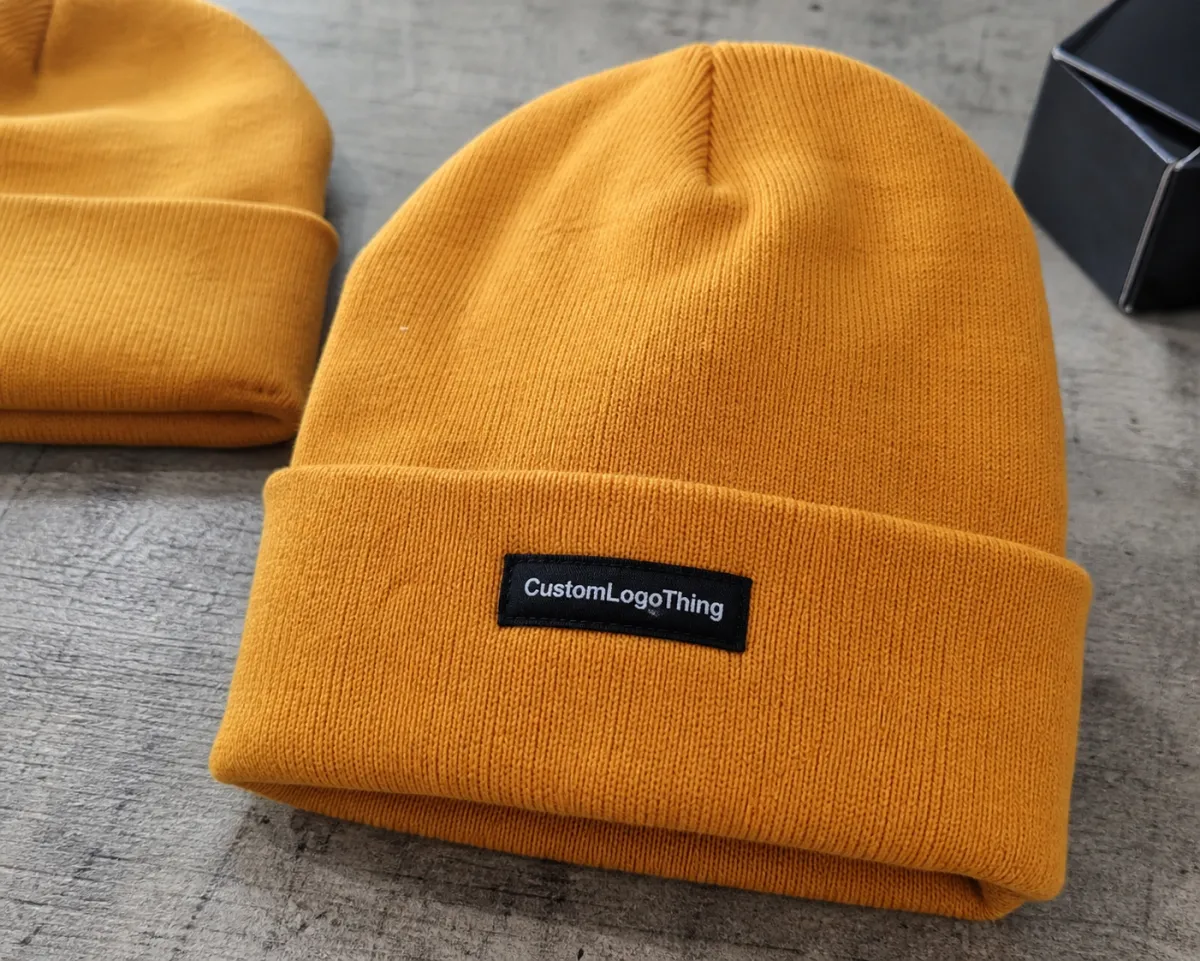
A cuffed knit beanie is more than a winter cap with a fold. The cuff gives embroidery, woven patches, and stitched labels a stable placement area, and it helps the hat keep a cleaner profile after repeated wear. That makes a single style easier to standardize across multiple use cases without building separate SKUs.
Use case should drive the spec. A trade show giveaway can handle a smaller logo and lighter packaging. A retail beanie needs tighter color control, cleaner finishing, and presentation that looks deliberate on a shelf. A beanie for outdoor staff should prioritize warmth, stretch recovery, and a cuff height that keeps the mark visible after long wear.
Speed and complexity work against each other. Every extra color, second placement, or added label step usually increases proofing time and unit cost. One shell color, one decoration point, one label spec, and one carton plan are easier to manage and less likely to drift during production.
If the order spans several departments, lock the non-negotiables first. Decide whether the beanie is promotional, retail, or uniform apparel. Then set the quantity target, because production economics often change once the order reaches a few hundred units. For larger programs, volume pricing should be discussed before artwork is finalized.
Factory capacity is also seasonal. A standard color and a simple decoration can move quickly, but custom dyeing, specialty labels, and retail folding can add time even when the order looks small on paper. If schedule matters, ask about yarn availability, decoration method, and packing requirements early.
Knit Construction, Cuff Height, and Fit Choices
The knit structure affects both appearance and performance. Rib knit usually offers stronger stretch and a familiar cold-weather look, while smoother knit construction can feel more polished and retail-friendly. Tighter knits tend to hold embroidery better, while looser knits can let small details sink into the fabric.
Cuff height deserves real attention. A deeper cuff gives more vertical space for the logo and improves visibility in photos, which helps retail assortments and sponsor programs. A shorter cuff can look cleaner and less promotional. Many programs land around a 2.5 to 3.5 inch cuff because that range balances readability with a restrained look.
Fit should be confirmed before approval. If the same order needs to work for adults, teens, and mixed field teams, check the stretch range on the sample. Most bulk buyers are better served by a one-size-fits-most spec that covers roughly a 21 to 24 inch head circumference, but the actual usable range depends on yarn type, stitch density, and cuff depth.
Yarn choice affects comfort, price, and shape retention. Acrylic is common because it balances warmth, cost, and color range. Acrylic blends can add softness or reduce pilling depending on the mix. Wool-rich yarns often feel warmer and more premium, but they can raise cost and change care expectations.
Once the first sample is approved, keep yarn type, stitch pattern, cuff depth, crown shape, and label placement consistent. Repeat orders are much easier to manage when the spec does not drift from one season to the next.
Artwork, Color Matching, and Label Specs to Lock Down
Decoration should fit the knit, not fight it. Embroidery is the most common option because it is durable and reads cleanly on a cuff. Woven patches work well when the logo has multiple colors or finer detail. Faux leather patches add a more premium, outdoors-oriented feel. Stitched labels can look understated when the brand wants less contrast.
Artwork has to be prepared for texture. Knit fabric does not behave like smooth twill, so fine lines and delicate type can fill in or break apart once they are stitched into place. Simple shapes, thicker letterforms, and stronger contrast usually hold up best.
Color matching also needs discipline. Ask for PMS references where possible, but do not expect yarn-dye results and screen colors to align perfectly. Heather effects, melanges, and brushed fibers can all shift the final appearance slightly. The better move is to define the acceptable shade window before sampling.
Label and packaging specs belong in the same brief as the logo. Care labels, woven branding labels, polybags, hang tags, folding instructions, and carton marks all affect timing and cost. If the beanies are going to retail, ask for a retail-ready fold and a hang-tag plan. If they are for fulfillment or event handout, a simpler bagging method may be better.
A useful buyer brief separates mandatory items from optional ones. Mandatory usually means logo placement, yarn color, cuff height, label type, and pack-out count. Optional usually means alternate packaging, insert cards, and decorative hang tags. That keeps proof cycles shorter and cuts down on avoidable back-and-forth.
For programs that need paper components, ask about certified stock rather than assuming it will be included. FSC-certified paper is a sensible option when the buyer needs accurate sustainability language or internal procurement documentation. The FSC standard library at FSC is a reliable reference for that kind of sourcing check.
Cost, Pricing, MOQ, and Quote Drivers That Move Budget
Price moves for a few predictable reasons: quantity, decoration complexity, yarn choice, packaging, and the amount of setup work behind the scenes. A plain beanie with one-color embroidery usually sits at the lower end of the range. Add a woven patch, custom woven label, multiple thread colors, or retail packaging, and the price rises because labor and setup rise with it.
MOQ, or minimum order quantity, is the point where setup costs start to make sense across the run. Lower MOQs usually cost more per unit and can reduce customization options. If you need multiple colorways, a small MOQ can look appealing at first, but the split can push the program into a more expensive lane than one larger run would have.
| Quantity | Typical Build | Estimated Unit Price | Best Fit |
|---|---|---|---|
| 250 | Single-color embroidery, basic polybag | $5.25-$7.10 | Small promotions, pilot programs |
| 500 | Embroidery or patch, custom label | $4.10-$5.80 | Campus groups, seasonal retail tests |
| 1,000 | Patch or embroidery, retail fold | $3.35-$4.90 | Brand programs, staff uniforms |
| 2,500 | Custom branding package, tiered packing | $2.85-$4.25 | Large seasonal drops, reseller programs |
Those ranges are typical, not universal. A darker yarn, a more detailed patch, or a higher-end label can move a quote up. Freight, duties, sampling, and rush charges can do the same. Landed cost matters more than the line-item quote alone.
Compare supplier quotes with the same checklist every time:
- Base product: shell material, knit pattern, cuff depth, and fit range
- Decoration: embroidery, woven patch, faux leather patch, or stitched label
- Packaging: polybag, hang tag, retail fold, insert card, carton marking
- Fees: sampling, setup, digitizing, color matching, rush handling
- Shipping: freight method, duties, carton count, delivery window
If the order is retail-ready or needs careful transit protection, ask how the cartons are packed and whether the pack-out has been checked against a transit profile such as those used by ISTA. That helps buyers discuss compression, stacking, and damage risk instead of guessing.
Production Process, Timeline, and Lead-Time Checkpoints
The production timeline is usually predictable if approvals happen in order: artwork submission, sample or mockup approval, bulk production, inspection, and outbound shipping. Delays tend to appear at the approval gates, not on the floor. A logo that is still changing, a yarn color that is unconfirmed, or a packaging spec that is undecided can hold a job longer than the manufacturing itself.
Sampling and bulk production do not run on the same clock. A sample often takes about 5 to 10 business days depending on artwork complexity and yarn availability. Bulk production typically runs 12 to 20 business days after approval, but that window stretches if the order needs custom yarn, specialty packaging, or more than one decoration method.
Rush orders are possible, but they depend on a simple spec, in-stock yarn, and final artwork. If the beanie needs special dye matching, a new patch build, or an unusual carton pack-out, the lead time usually returns to a normal window. A supplier that explains that early is easier to work with than one that promises a date it cannot keep.
Approval checkpoints should be specific. Confirm logo placement, cuff height, color references, label artwork, carton markings, and packing method. Those details feel administrative until they create a problem. Clear approvals also make repeat orders easier because the next run can follow the same spec with fewer questions.
Shipping deserves its own planning note. Knit goods compress under load, so carton count and pack density matter. Ask how the goods are boxed and whether the cartons are labeled for warehouse intake. If the delivery date is fixed, build buffer time into the schedule instead of assuming the factory calendar is enough.
Sampling, QC, and Reorder Signals from the Factory Floor
A good sample should prove five things: color accuracy, cuff elasticity, logo clarity, label placement, and hand feel. If it misses one of those, do not dismiss the miss as minor. That one miss usually predicts a larger issue in bulk. For vitamin cuffed knit beanies Bulk Order Planning, the sample is the baseline for everything that follows.
Bulk quality control should check more than the logo. Stitch consistency, measurement tolerance, folding accuracy, bag count, and defect handling all matter. A reasonable tolerance on knit accessories is often around plus or minus 1 cm on dimensions because knit fabric stretches and relaxes. The supplier should still be able to explain what range is acceptable and what defect count triggers rework or replacement.
Reorder records are a quiet advantage. A supplier that can repeat the same beanie six months later, with the same yarn, the same cuff, and the same decoration placement, is usually more valuable than a supplier that only produced one attractive sample. Repeatability protects brand consistency and cuts down on re-approval time in the next season.
Ask for production photos or reference runs that are close to your spec, not just polished sales material. Similar cuff height, similar decoration method, and similar pack-out are more useful than a broad capability deck. If the supplier is open about QC notes, defect rates, and packing methods, the working relationship tends to hold up better over time.
Transparency reduces downstream cost. Fewer surprises mean fewer returns, less rework, and less internal debate after the shipment lands. That is how bulk apparel and accessory programs actually behave.
What to Send Before Requesting a Bulk Beanie Quote
Put the request into a one-page brief and the quote process gets faster. The goal is to avoid several rounds of clarification over details that should have been decided once. For bulk beanie planning, the best briefs are short, specific, and complete enough that the supplier can price the right configuration on the first pass.
- Artwork: vector logo file, brand colors, and any required text
- Quantity: target volume plus any likely tier breakpoints
- Delivery date: ideal arrival window and any hard deadline
- Decoration method: embroidery, woven patch, faux leather patch, or label
- Packaging: polybag, retail fold, insert card, hang tag, carton notes
- Audience: retail, promo, staff uniform, campus, or event use
- Fit notes: adult, teen, mixed team, or specific comfort concerns
If cuff height, logo scale, or label placement is still open, ask for a mockup before the quote is finalized. That saves time later because those are the details most likely to change pricing and production steps.
Do not bury the objective. Is the beanie meant to sell, to unify a team, or to support a campaign? That answer shapes decoration, packaging, and quantity. Once those are aligned, the order is easier to buy, easier to approve, and easier to repeat without starting over.
FAQ
How many vitamin cuffed knit beanies should I order to keep pricing efficient?
Pricing usually improves as the order gets larger because setup, decoration, and admin costs are spread across more units. A quote at 100 pieces can look very different from a quote at 500 or 1,000, even if the beanie itself is unchanged. Ask for tiered pricing at several breakpoints so you can compare the actual unit drop.
Which decoration method works best for cuffed knit beanie bulk orders?
Embroidery and stitched patches usually perform best because the cuff gives a stable placement area. Simple logos with bold shapes tend to read better than fine-line artwork on knit surfaces. If the goal is a polished retail look, a woven patch can add detail without losing clarity.
What artwork do I need for a cuffed knit beanie quote?
Send a vector logo, preferred placement, brand colors, and any copy that must appear on the beanie or label. If the decoration is embroidered or patched, include a target size or a reference photo so the supplier can estimate the visible area correctly.
How long does sampling and bulk production usually take?
A sample often takes about 5 to 10 business days, while bulk production may take 12 to 20 business days after approval, depending on yarn sourcing and decoration method. Simple orders can move faster. Custom yarn, special labels, or complex packaging usually add time.
Can I mix colors or sizes in one vitamin cuffed knit beanies bulk order?
Mixed colors are often possible, but they can change pricing and minimums depending on the yarn plan and stock position. Mixed sizes are less common for knit beanies, so confirm fit range before building the order. If you need variety, ask whether the supplier can split the run without changing lead time, carton count, or packing method.
If the spec is clean, the sample is approved, and the production calendar is locked, the order becomes straightforward instead of stressful. That is the real benefit: fewer unknowns, tighter pricing, and a product that can be reordered without rebuilding the whole program.