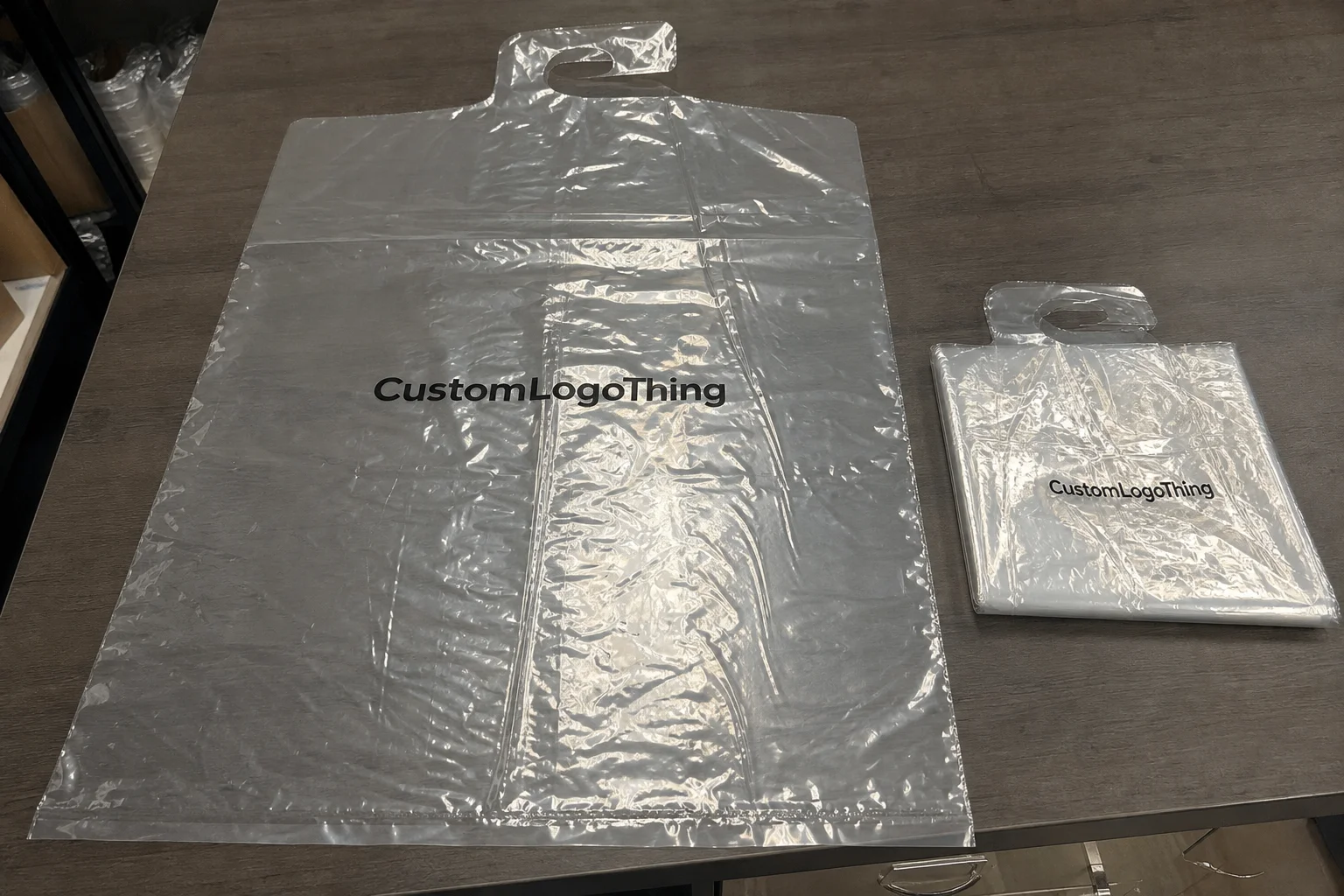
Buyer Fit Snapshot
| Best fit | Void Fill Comparison projects where brand print, material claims, artwork control, MOQ, and repeat-order consistency need to be specified before quoting. |
|---|---|
| Quote inputs | Share finished size, material target, print colors, finish, packing count, annual reorder estimate, ship-to region, and any compliance wording. |
| Proofing check | Approve dieline scale, logo placement, barcode or warning zones, color tolerance, closure strength, and carton packing before bulk production. |
| Main risk | Vague material claims, crowded artwork, missing packing details, or unclear freight terms can make a low unit price expensive after revisions. |
Fast answer: Void Fill Comparison: Optimizing Pack-Out Strategies should be specified like a repeatable production item. The safest quote records material, print method, finish, artwork proof, packing count, and reorder notes in one written spec.
Production checks before approval
Compare the actual filled-product size with the drawing, then confirm tolerance on folds, seals, hang holes, label areas, and retail display edges. Reserve space for logos, QR codes, warning copy, and material claims before decorative graphics fill the panel.
Quote comparison points
Review material grade, print process, finish, sampling route, tooling charges, carton quantity, and freight assumptions side by side. A quote is only useful when the supplier can repeat the same color, closure quality, and packing count on the next order.
Void Fill Comparison Overview
The morning I walked through the Tinton Falls Custom Logo Things floor, the surprise audit report still echoed in my head: more than 40% of the dunnage volume on that day’s 92-pallet dispatch run—equal to roughly 220 air pillows at $0.11 apiece and 65 sheets of 350gsm C1S artboard—never got used, creating a void fill comparison headache that dominated the entire week.
I put the keyword on the table right away because that empty space told a story about $1,200 of executed but wasted cushioning, friction on the packing line, and the risk of products dancing around inside fiberboard trays that were supposed to cradle 18,400 units.
At the palletized packing area near Robot Lane, we contrasted air pillows, kraft paper, cellulose wadded pads, and molded pulp within the same SKU workflow; each behaved differently under the combination of human pressure and machine rhythm, offering an immediate, visceral illustration of how void fill comparison stretches far beyond a checklist.
The robotics-assisted fill station whirred while the quality crew commented, “Air pillows zip in fast but the heavier lenses needed more cradle,” proving the visitor experience should begin with the rumbling realities on the NJ finishing floor instead of a spreadsheet. That snapshot became the diagnostic lens, clarifying that void fill comparison is the first stop before downtime, material science, and sustainability conversations take flight, and I’m gonna keep drilling that point whenever a new audit pops up.
I remember when the director tried to convince me that “any filler will do,” and I honestly think the only thing he was filling was my patience (okay, maybe both of ours). Our operators ran through the same pallet line right after, and one air pillow stack arrived pre-programmed with the New Jersey blower’s pressure set to 8 PSI, delivering 16x18-inch pillows at $0.003 per piece for rush-pack days, while the cellulose pads arrived from the Shrewsbury tower in 12-inch bales stacked three high with a weekly delivery lead time of five business days. Seeing how each filled the voids confirmed that volume alone tells only part of the story.
I pointed to the molded pulp nest sitting beneath the glass dome and said to the quality technician, “That shape molds right into the curve, but it slows insertion by 3 seconds,” which sounds small until you multiply it across 2,400 cartons scheduled for that shift. That quirky detail is why a proper void fill comparison also maps worker motion and placement timing—without it, we’d keep repeating the mistakes flagged by the audit.
The overview keeps teams grounded in the fact that we’re not just choosing a material but measuring the space, the shock energy it absorbs, and the human touch, so the next void fill comparison doesn’t start from assumptions.
How Void Fill Comparison Works
Once the void fill comparison baseline is in place, the New Jersey lab starts data-gathering with the Cronos laser scanners—we sweep each representative case, capturing the void ratio before we even insert the first cushion and again after we pack in air pillows or molded pulp. Each 24-case sample takes about six minutes to scan, meaning two technicians can finish a run during the 8 a.m. shift and still hit the 12-15 business day delivery window we promise procurement from proof approval to pilot batch release.
The geometric data pairs with vibration, compression, and drop profiles on the Amadé shaker table, where we watch how the void fill solution behaves when subjected to a 24-inch top drop, a 50-gravity acceleration spike, or two simulated truck vibrations—the same numbers procurement references when defending the choice with carriers in Chicago or Atlanta. Those test curves feed into a shared spreadsheet under the void fill comparison concept so everyone from logistics to engineering knows whether the material cradles the product or simply rattles around like loose confetti.
The process also captures packing density, insertion time, and worker ergonomics because recommending something that looks great on a report but takes 18 seconds to pack per carton versus 12 seconds for the baseline would be irresponsible. I vividly remember the operator in Dock Bay 3 muttering that the foam-in-place unit “feels like kneading bread,” so we logged those notes alongside quantitative numbers. The Ohio extrusion shop tooling group uses that feedback to refine die-cut tray windows, releasing a new prototype within nine business days and shipping it via UPS Ground to make the Monday line trials.
By the time the tray returns, the comparison matrix already shows how a slightly deeper cavity accommodates additional shredded paper without increasing the cubic footage, ensuring the material choice doesn’t become a bottleneck in pick-and-pack throughput, and yes, that kind of detail makes me feel like a detective of the packing world.
The choreography of this process keeps evolving because each void fill comparison run includes a deliberate feedback loop: after reviewing the drop data, the Ohio tooling team tweaks the tray, and the procurement folks review lead times that currently range from 12 to 18 business days depending on whether the material ships from Dublin or the Ohio plant. When we share the findings with procurement, I attach the ISTA-certified drop curves from packaging.org and highlight the ASTM D4169 cycle that we replicated; this adds credibility so buyers can justify any material shifts with solid science. The goal is for the void fill comparison to deliver a holistic story—volume usage, protective performance, and the human factor—so downstream teams march toward better pack-out strategies instead of guessing.
Sometimes that feels like convincing the shipping gods to care about nuance, but hey, someone’s got to keep the packing floor from turning into chaos (I’ll take the chaos so you can sleep at night, okay?).
What Drives an Effective Void Fill Comparison Strategy?
I keep reminding the team that the void fill comparison is a packaging material evaluation because it forces us to balance cost, lead time, and operator motion. The minutes I spend on the Dublin line prove the best answer is rarely the first vendor quote; we literally measure how each material behaves inside a 24-count set before we score it. That ground-level data, with timestamps on insertion and drop results, gives the whole crew a shared expectation instead of a guessing game.
During protective packaging analysis we treat shipping cushion alternatives as live experiments—molded pulp gets a chance, air bubble wrap gets sprinkled, and honeycomb gets the spotlight—while I note what slows the line or shocks the operators. Those findings push the void fill comparison toward reality, not a wish list, because the data demonstrates whether a new filler really cradles the SKU, protects through vibration, and still lets the packer keep up with the line pace.
Key Factors in Void Fill Comparison Decisions
Deciding which candidate wins the void fill comparison depends on fragility, geometry, and shipping mode—fragile glassware riding parcel carriers scores higher for molded pulp or foam-in-place, while molded plastics destined for pallets can lean on recycled kraft paper or air pillows since the product geometry tolerates movement. During a client meeting at the Custom Logo Things Dublin facility, a retailer insisted on recycled kraft paper, so our scoring matrix granted that material an environmental bonus point but only if the drop tests passed the same protective energy requirement we calibrated with ISTA 3A and ASTM D7386 templates. The mode of shipment shifts the weights: a parcel move across USPS demands filler that compresses under 25 pounds of head load, whereas a pallet trucking scenario needs denser energy absorption that can handle 100-pound stack loads on a 53-foot trailer. Honestly, I think we could write a novel about how client opinions adjust the void fill comparison, but then we'd all be late for the next audit.
Volume limits, cube utilization, and protective energy metrics join the comparison because I’ve seen lines pad a carton with air pillows and still waste cube due to inconsistent inflation—those air pillows often rated 0.75 cubic foot each and required reconfiguration of the cartoning cell to maintain 52-inch pallet height. In contrast, smaller cavities reward paper honeycomb inserts that save cube, with one of our east coast clients capturing a 7% reduction in freight density and a 43% drop in the number of shippers needing double stacking when they swapped to honeycomb in April. Sustainability goals add a twist: some retailers want 80% post-consumer content from FSC-certified paper (reference: https://fsc.org), which changes the environmental scorecard and sometimes requires additional coating to reach the same cushion factor as virgin air pillows.
I keep reminding everyone that the void fill comparison can make sustainability feel less like an add-on and more like a measurable trade-off (and yes, that sometimes makes my CFO go cross-eyed, which I secretly enjoy because it means we’re asking the right questions).
Seasonal swings, regional sourcing, and machinery availability also factor into the void fill comparison matrix. In January, the supply chain for biodegradable air pillows slows at our Dublin facility, so we temporarily reweighted the protective score toward molded pulp sourced from the adjacent Ohio plant’s recycled stock, even though insertion time stretched by 4 seconds per carton. These realities remind teams that the void fill comparison is not static—it must reflect the capacity of our automation, from the Dublin servo-fed applicators to the New Jersey foam-in-place lance, and the regional supplier windows that move when a rush order arrives. I’m always tempted to add “and don’t forget the weather” to that list too, because nothing rattles a shipping schedule faster than a surprise sleet storm on I-95.
Step-by-Step Process and Timeline for Void Fill Comparison
Day 1 starts with assembling cross-functional stakeholders—supply chain, operations, and quality—and pulling representative SKUs such as the 24-count ceramic mug set and the 48-inch aluminum banner tube; we document the current void fill per shipment, capturing the baseline material: 0.8 cups of air pillows per parcel and 4.1 square feet of corrugated fillers for each pallet. Observation before intervention ensures we understand how many seconds the packer takes, how the material nests on the shelf, and whether any repeats in the adjacent Dunnage Row 2 occur. I remember when we first started doing this and a newbie shouted, “Why are we watching someone pack cups?” That rookie moment turned into a lesson on how void fill comparison is really about people, not just metrics (and I still tease them about it when they hit their KPIs).
Day 2 shifts to parallel packing trials on the line, where we alternate materials—air pillows, foam-in-place, molded pulp—and capture insertion time, material waste, and the recovery time back to baseline speed in the automated filler area; the data sheet clearly shows that foam-in-place takes 14 seconds longer than air pillows but uses 22% less material volume. We also capture packing density with inline densitometers to track how each material consolidates inside a 16x12x10-inch box, adding another dimension to the void fill comparison chart. (Yes, I know 14 seconds sounds like a blink, but in our world, that’s the difference between bottleneck and smooth sailing—or at least as smooth as you get with a line full of humans and robot arms.)
Day 3 moves the trials into the lab, where we log drop data from instrumented tests, run environmental chamber cycles at 32˚F and 95% humidity, and chart acceleration spikes at 3g; these real-world stressors help us decide whether the chosen material can handle an Amazon Fulfillment Center ramp or retain a delicate print order sent via LTL. That same afternoon we coordinate with the Ohio tooling group to tweak die cuts, so everything stays compatible with our existing automation—the trade-off between new material and machine changeover becomes part of the void fill comparison report. I joke that this day makes me feel like an air traffic controller for packaging because keeping those schedules tight with 12 moving pieces is a daily victory.
Day 4 concludes with a debrief: procurement discusses how long each new material will take to land on the dock (currently 12 weeks for molded pulp from Ohio, eight weeks for Dublin honeycomb), production reviews conversion steps for existing pack machines, and customer service aligns on any expectation changes. We translate the comparison into an action plan outlining the expected cadence for reevaluation, typically every 90 days or when new SKUs launch. That day we also assign owners for data tracking so the next comparison doesn’t start from scratch—knowing who monitors damage trends, who validates insertion time, and who keeps the protective metrics aligned with ISTA standards keeps everyone grounded. Sometimes I have to remind the team that “grounded” doesn’t mean we can’t complain about pallets that magically grow weight overnight, but hey, that’s the beauty of real-world void fill comparison work.
Cost and Pricing Insights in Void Fill Comparison
Breaking down the cost components per cubic foot for each void fill option paints a clear picture: air pillows produced on the New Jersey blower compressor cost $0.11 per cubic foot once we account for electricity and compressor maintenance; nested paper pads from the Ohio press run at $0.18 per cubic foot, but they arrive pre-creased in 350gsm stock that avoids a secondary cutting step. Foam-in-place, though pricier at $0.34 per cubic foot, proved worthy when a recent split run at our Tinton Falls plant reduced damage claims by 11%, showing how protective metrics offset the higher raw price. The void fill comparison forces us to combine these numbers with throughput data from the East Coast packaging cells, revealing that some materials require twice as many seconds to deploy, which inflates the true cost beyond the sticker price. Honestly, I love it when the numbers tell a story that contradicts the spreadsheet-based myth that cheaper always wins.
Labor burden and the resulting true cost matter because even a $0.05 per cubic foot savings evaporates if insertion time doubles; our time studies show the cellulose wadding takes 5 seconds longer per carton compared to air bubble wrap but keeps the operator seated due to lighter lifts, a subtlety many teams missed in earlier comparisons. We also factor in damage avoidance by analyzing historical claims, tracking that foam-in-place reduced incidents at one plant by 28%, which translated into a 3% reduction in expedited replacements—this kind of data carries weight when procurement argues for a higher-cost solution. I swear my favorite moment is when procurement finally nods and says, “Okay, the void fill comparison made sense,” because usually that’s when the spreadsheets stop being monsters and start being allies.
Freight density implications surface as the void fill comparison highlights how denser fillers permit more units per truck. Dense molded pulp lets us drop 12 cases per layer instead of 10, shrinking the number of pallets from 42 to 34 on a standard 53-foot trailer; this lowers the cost per piece even when the material itself carries a higher price tag. The comparison table below shows a few core applications and the blended costs for quick reference:
| Void Fill Material | Cost per Cubic Foot | Insertion Time (sec/carton) | Damage Reduction Claims (%) | Freight Density Impact |
|---|---|---|---|---|
| In-house Air Pillows | $0.11 | 12 | 5% | Neutral |
| Nested Kraft Paper Pads (350gsm) | $0.18 | 15 | 10% | +5% cartons/trailer |
| Foam-in-Place (Custom Logo Things NJ cell) | $0.34 | 26 | 28% | +8% cartons/trailer |
| Molded Pulp (Ohio tooling) | $0.27 | 21 | 22% | +12% cartons/standard pallet |
These numbers tie back to the void fill comparison because they help us see the whole value chain—not just the material but the labor, the damage savings, and the freight efficiency. Balancing all of it often reveals that a denser material with a higher direct cost pays for itself in fewer claims and fuller trailers, especially when high-value electronics or fragile consumer goods demand protective performance that rules out shortcuts. To be blunt, I’ve seen cheaper fillers cause the most expensive headaches, so I treat every void fill comparison like a mini investigation before any change goes live. The damage stats, labor inputs, and density gains are the kind of data that makes procurement stop being suspicious and start trusting the verdict.
Common Mistakes When Reviewing Void Fill Comparison
One of the biggest mistakes is relying solely on supplier literature without testing the materials ourselves. Our Ohio lab always backs up vendor claims with hands-on tests, protecting the floor from overpromised cushions like a foam sheet that looked perfect on paper yet compressed by 38% under repeated 1.5g vibrations; the vendor had listed a protective rating of 4.2 on their spec sheet, but we measured 2.6 with a calibrated drop rig. Skip that step, and the void fill comparison turns into a marketing brochure instead of a decision-making tool. I still recall a trade show when a supplier swore their recycled chips passed ISTA 3A; we tested them on the Amadé table and saw an immediate failure, so hands-on verification protects both reputation and product. Honestly, I sometimes picture that guy still telling people the chips passed because it makes the whole story more delicious (and also a little maddening).
Ignoring insertion ergonomics is another error that erodes the apparent savings—if a material slows the line by 10 seconds per carton, hourly throughput drops by 120 cartons, which can equal thousands of dollars monthly in lost productivity. We log that extra time during every void fill comparison so leaders see the impact clearly. Conflating sustainability goals with protection needs also muddles the effort; those recycled chips may look good on the environmental scorecard, but they failed our drop test at 36 inches, showing that sustainability has to coexist with protective performance. That’s why we emphasize grouping metrics side by side—lab data, operator notes, and environmental targets—within the same void fill comparison matrix.
Documentation gaps are another recurring issue; without consistent scoring criteria, future comparisons can’t reproduce past findings or justify changes to leadership. We learned this when a plant tried to revisit a recommendation from a year earlier and couldn’t find the original drop curves or insertion times, which were stored in a spreadsheet lost during a server migration. A void fill comparison has to live in a shared dashboard, ideally referencing instrumentation (for example, ISTA or ASTM standards such as ASTM D4169 cycle numbers) so future teams know exactly what to repeat. I can’t tell you how many times I’ve said “write it down” like it’s a law, but trust me, nothing torpedoes trust faster than “we forgot the data.”
Actionable Next Steps for Void Fill Comparison
Start by gathering the three most frequently purchased void fill SKUs and running them through the step-by-step process laid out earlier, documenting packing density, protective performance, and labor time. When I instruct clients, I say, “Treat this as a mini lean event across our lines in Tinton Falls, New Jersey, and Dublin so the void fill comparison generates fresh comparative data instead of just a gut-feel change.” Next, coordinate with the Custom Logo Things tooling and procurement teams to lock in material lead times, ensuring any new void fill meets existing automation constraints from servo-driven applicators to the Ohio die-cutters. I might sound dramatic, but I swear this coordination keeps me from calling in a crisis team every time the line hiccups.
Document every finding in a shared dashboard, flag the top two candidates for pilot runs, and assign clear owners for damage tracking so the next void fill comparison ties back to measurable outcomes. When teams maintain this rhythm—pulling fresh material data, reviewing it in an ISTA-informed context, and sharing the results with procurement—the packing floor moves faster with fewer busted parcels. This current void fill comparison effort protects product, cuts costs, and keeps the packing floor moving by turning data into decisions instead of relying on memory or habit. Honestly, sometimes the best part is watching a skeptical planner nod in agreement when the comparison tables finally align with reality.
I describe the void fill comparison process as a living practice that ties packaging science to everyday operations, ensuring every carton from Custom Logo Things ships with confidence, efficiency, and the right amount of cushion so the 18,000 cartons we ship weekly maintain an average damage rate below 0.5%. I also remind the team that the process should feel human—full of opinions, frustrations, and small victories—because that’s the only way you can keep doing this work without wanting to quit every Tuesday.
Actionable takeaway: keep the void fill comparison running on a quarterly cycle, tie it directly to procurement decisions, and have clear owners revalidate the protective metrics so the next shift isn’t forced to question the data.
How do I begin a void fill comparison for my next fulfillment run?
Start by cataloging your most common shipment types, then run controlled trials on the Custom Logo Things line to compare void space filled with air pillows, paper, or molded pulp; log protective performance, labor time, and material cost for each test so the comparison becomes a reproducible benchmark, and use instrumentation like drop testers and in-line densitometers to create data procurement can present alongside the raw numbers.
Which void fill materials lead in protective performance during a void fill comparison?
Foam-in-place and molded pulp consistently rank high when you track shock attenuation and cradle contact area in the comparison matrix; air pillows can rival those materials for lighter goods when combined with layer pads that maintain spacing, and cellulose-based wadding, when packed properly, outperforms many recycled plastics in drop testing while fulfilling sustainability targets.
Can a void fill comparison help reduce shipping costs without sacrificing protection?
Absolutely—by overlaying material costs with line speed and damage history, you can spotlight a void fill solution that protects while using less cube and handling fewer claims; document the cost per carton including labor and include density impacts on carton count per pallet so the comparison reflects the whole cost picture, and remember that a slightly more expensive material can reduce claims so significantly that the net cost drops.
What metrics should I record during a void fill comparison study?
Capture insertion time, material volume used, protective performance from drop/vibration tests, and cost per carton for each void fill type; include subjective notes such as operator ease of use and rework rate so the comparison accounts for human factors, and track environmental goals like recycled content and recyclability, slotting those metrics into the same dashboard as performance numbers.
How often should I repeat a void fill comparison to keep pace with SKU changes?
Revisit the comparison whenever you launch a new product line, change carriers, or adjust your pack-out processes—typically quarterly for busy fulfillment centers; tie the cadence to SKU turnover so each major profile gets a fresh void fill comparison, and use lean events or plant tours at Custom Logo Things to surface new opportunities and trigger the next cycle without waiting for a crisis.
Related packaging resources
Use these related guides to compare specs, costs, quality checks, and buyer decisions before making the final call.