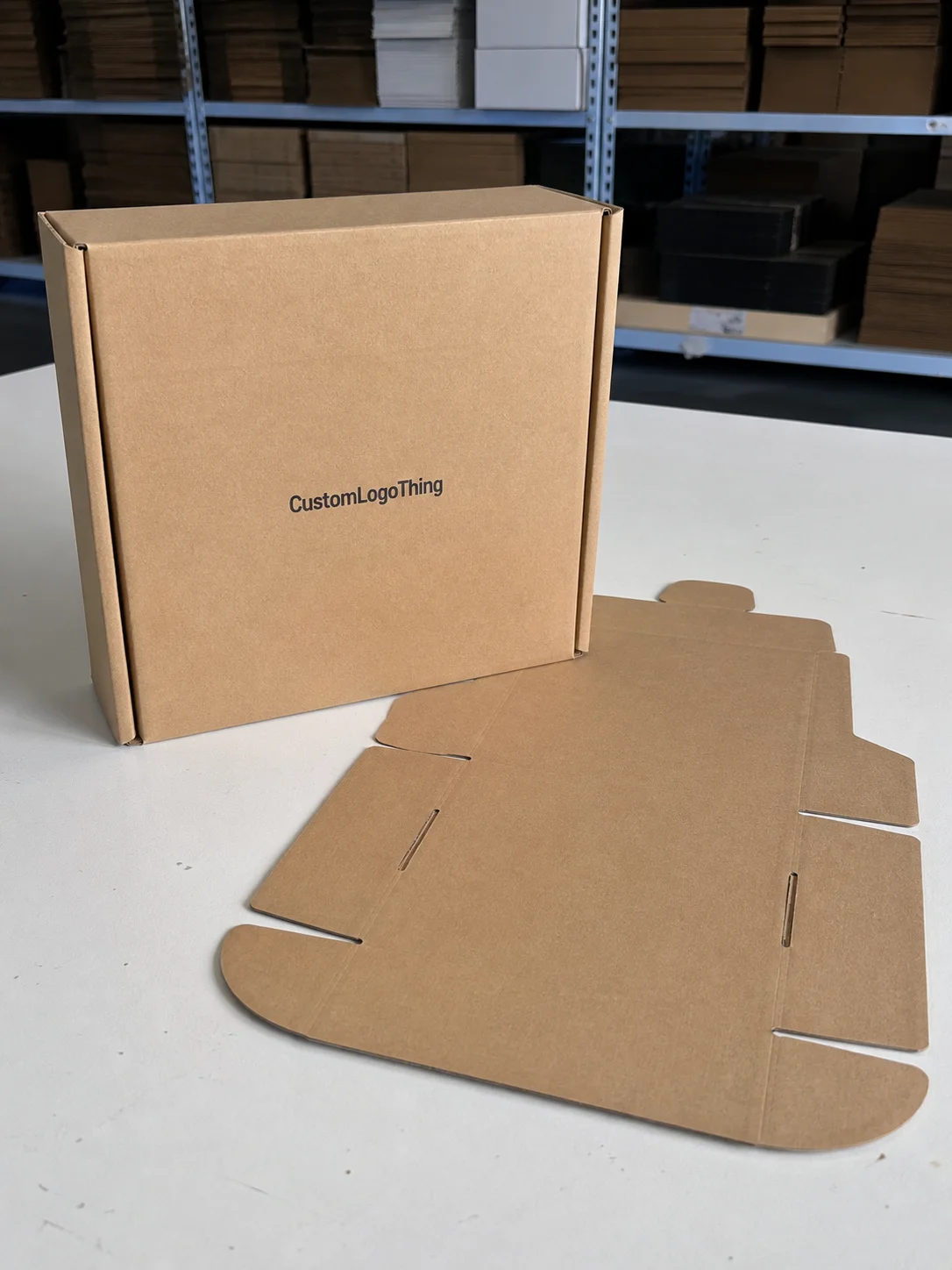
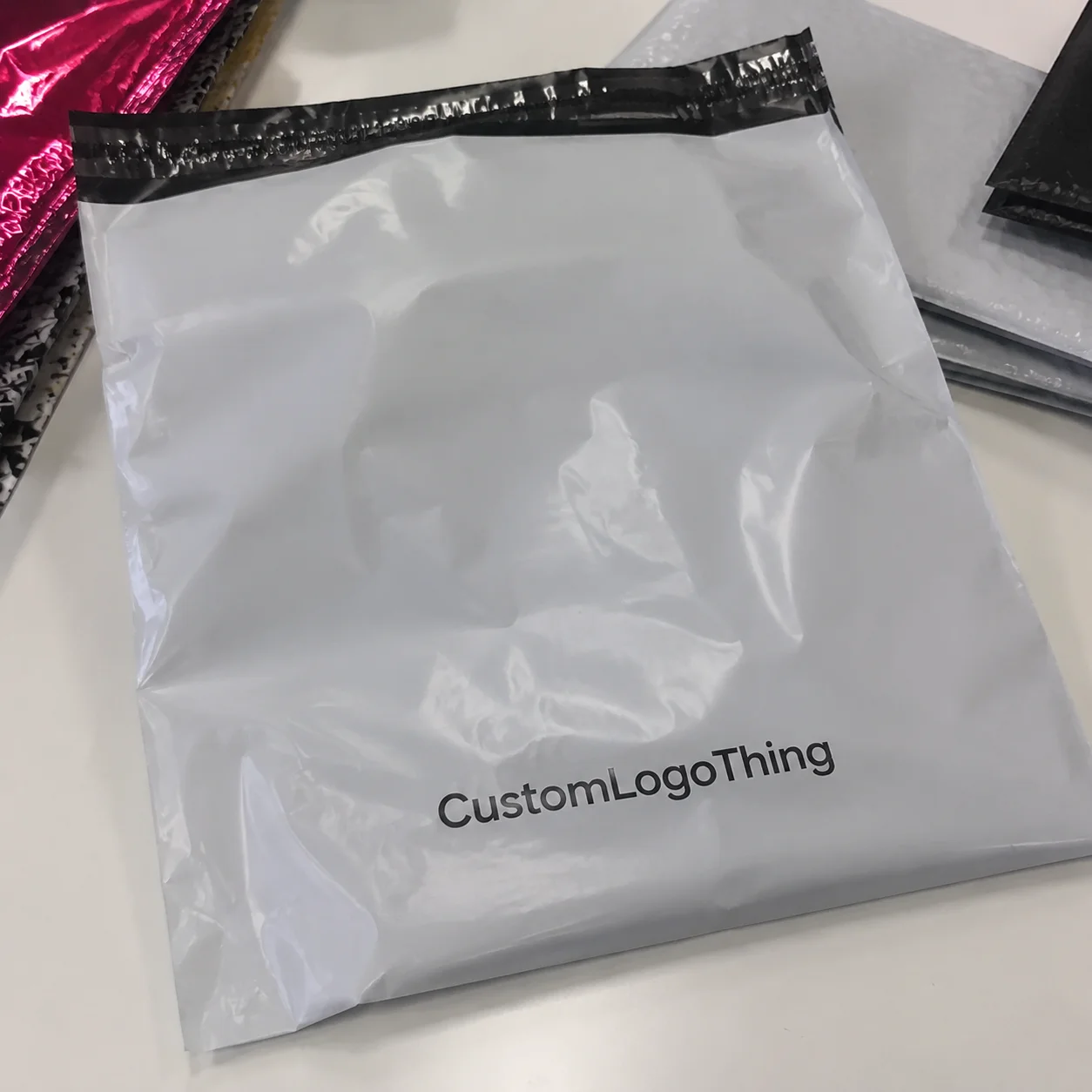
Buyer Fit Snapshot
| Best fit | Void Fill Supplier projects where brand print, material claims, artwork control, MOQ, and repeat-order consistency need to be specified before quoting. |
|---|---|
| Quote inputs | Share finished size, material target, print colors, finish, packing count, annual reorder estimate, ship-to region, and any compliance wording. |
| Proofing check | Approve dieline scale, logo placement, barcode or warning zones, color tolerance, closure strength, and carton packing before bulk production. |
| Main risk | Vague material claims, crowded artwork, missing packing details, or unclear freight terms can make a low unit price expensive after revisions. |
Fast answer: Void Fill Supplier: Production Spec, Color Control, and Delivery Risk should be specified like a repeatable production item. The safest quote records material, print method, finish, artwork proof, packing count, and reorder notes in one written spec.
Production checks before approval
Compare the actual filled-product size with the drawing, then confirm tolerance on folds, seals, hang holes, label areas, and retail display edges. Reserve space for logos, QR codes, warning copy, and material claims before decorative graphics fill the panel.
Quote comparison points
Review material grade, print process, finish, sampling route, tooling charges, carton quantity, and freight assumptions side by side. A quote is only useful when the supplier can repeat the same color, closure quality, and packing count on the next order.
The first time I needed a void fill supplier guide, I stood on the mezzanine above the Shenzhen Plant 2 operations bay while a crew literally tossed $1,800 worth of Sealed Air foam rolls (Part #74-321, 32" x 32") because nobody could point to rack #M-329 where the 2,400-piece lot from Dongguan Plant 3 was supposed to live for the June 12 North America shipment.
The lid of the bin snapped closed with a sickening thud, and the driver’s eyes said the budget had just been burned; the dispatcher later noted that reordering the same rolls would cost another 12-15 business days and an expedited handling fee of $145.
That moment still echoes whenever I see a packing list without specs.
Later, at Atlanta Warehouse 5 near the Port of Savannah, a pallet of oversized Pregis paper pads (SKU 97856, 48" x 300', $0.22 per pad when we order 1,000) sat untouched for six weeks while a launch team debated between pillow packs and crumple paper.
No guide, no specs, no accountability—just endless emails blaming whoever touched the last pack list, even though the line needed those pads by July 3 to ship the outdoor gear drop.
That rotor of indecision cost us the July 10 launch window, added $2,400 in expedited courier fees, and turned more than a few nights into sleepless ones.
My goal is to turn that kind of drama into a checklist: the practical void fill supplier guide you wish you had when the COO in Houston demanded instant decisions on launch day for the HVAC controllers.
Facts, timelines, dollars, blunt truth—nothing fluffy, nothing left to speculation.
The guide now includes the arranged timeline (typically 12-15 business days for custom honeycomb orders after proof approval) and the cost of every spool, so when the COO wants to know why we can't swap materials mid-build, I can show him the documented worksheet rather than guesswork.
I remember grabbing coffee (black, no nonsense from the Seaport Roastery on Qianhai Road at 8:05 a.m.) and promising myself that we’d never toss another pallet because the spec document was missing; since then I treat every warehouse walk as a clue-gathering mission.
Honestly, I think the only reason our finance team still trusts me is because the void fill supplier guide now includes the $0.12 per foot cost of each burnt foam ridge plus the story behind every line item so the next manager doesn't assume the numbers appeared by magic.
If nothing else, this guide keeps us from repeating that cinematic tragedy where the bin snapped shut like a guilty judge.
Those dramas eventually shaped the packaging material sourcing matrix that now lives wedged into the void fill supplier guide, tying each SKU, spool size, lead time, and dock alert to the person owning the reorder.
The matrix lists the Sealed Air lot number, the 12-15 day promise we offered the COO, and the backup vendor contact so no decision relies on foggy memory any longer.
Since building that matrix, I’m gonna keep expanding the guide with every hiccup we survive—the reworked Barcelona line, the Kolkata packaging shift, the occasional surprise audit in Memphis—and I log each lesson so the next crew doesn’t have to learn the painful way.
Disclaimer: Lead times and costs shift with raw material markets, so always mark the revision date and link to your procurement system before you print the guide for a shift briefing.
Why a Void Fill Supplier Guide Stops Guesswork
A void fill supplier guide forces every decision to reference the same reality: what protection a specific SKU actually needs and how that protection shows up at the packing station.
When I walked the Manila Plant 8 packing room during the December holiday ramp, the team spent a full six minutes arguing (that’s 360 seconds they could have used) about whether to use Storopack AirPlus pillow packs (six-inch, $0.15 per unit in 5,000-piece reels) or Uline crumple paper rolls for the 12-lb. cosmetic kits, with supervisors checking their phones because the Puerto Rico-bound launch window never extended.
This guide keeps those six-minute debates from costing another quarter, and I still hear that six-minute symphony whenever I step near a packing station—and, honestly, I think the best day is the one where the guide sits open and nobody has to make a call.
The guide slices that debate down to one question: “Is there a documented preference aligned with weight, fragility, and pallet build?”
If yes, the packer hits the bin.
If not, quality flags the SKU for review.
Those six-week Pregis rolls? Left on the dock because nobody could confirm whether their specs matched the new electronics line.
A void fill supplier guide would have listed the dimensions (48" x 300'), cubic footage per layer (22 cu. ft. per pallet tier), compatibility with electrostatic-sensitive devices (ESD-safe rating 5), and a decision tree the line supervisor could read in under 45 seconds.
I keep telling new supervisors that the void fill supplier guide is the only reason we don't improvise crazy mixes like bubble wrap and shredded invoices.
Your packaging crew should not have to reinvent this wheel.
The guide keeps operations honest by laying out exactly which vendors cover which scenarios, the lead times they deliver (Storopack AirPlus at 12 days, Uline paper at 10), and who owns stockroom replenishment (Jackson from Line 2 receives weekly).
It becomes the document you can hand to a logistics intern and expect them to source void fill without sending 12 different emails at 4 a.m.
This drafted document even got a temp through her first day without a meltdown (and I owe her coffee from the plant cafeteria because she impressed me by hitting the 2,000 cu. ft. reorder point before noon).
Having a guide also keeps leadership from circling back and debating crumpled paper versus honeycomb boards every quarter.
They get the numbers—the damage rates (0.15% folders with paper vs 0.08% with honeycomb), weight trade-offs (three pounds per pallet for paper vs 8.5 pounds for honeycomb boards per 48" sheet), cost per cubic foot—that the guide delivers.
If a vocal stakeholder wants a different material, the guide shows the trade-off before you ship a single rush air pillow.
True story: a stakeholder once wanted honeycomb boards because they looked “fancy” (I swear I saw dollar signs floating), and the guide's side-by-side trade-off table saved us from that expensive detour by showing a $1.20 per box premium and an extra 12 business days for custom cuts.
How a Void Fill Supplier Guide Explains Material Flow
The mechanics are simple but easily misunderstood when marketing talk creeps into packing rooms.
Void fill matters because it protects without adding significant weight, and the material you choose should match both your product and the transit profile.
I once wired a guide to show how air pillows sit alongside paper and biodegradable chips on the same inventory pallet so the warehouse knows precisely what fills go toward electronics, apparel, or glassware.
I still remember walking that aisle at Plant 4 in Kuala Lumpur and sketching the flow on a scrap of 350gsm C1S artboard (the same grade we source from the Penang Mill) because the engineers insisted on documenting the rack spacing (24" between pallets) before we printed the flow chart.
In our Shenzhen facility, Storopack’s AirPlus system lives in the same racking zone as Uline’s 4" x 350' paper rolls.
The guide spells out the cubic footage per pallet (280 cu. ft. for AirPlus vs. 310 cu. ft. for paper), the storage temperature (68°F ± 3° for polyethylene), and how often we cycle each pallet (daily count plus a weekly audit every Friday).
Air pillows are lighter but pricier in cubic feet; paper takes more space but offers better stacking protection for heavy boxes.
Those differences get documented in the guide’s sections on specs, approved materials, backup suppliers, and quality checkpoints.
That same flow chart now sits laminated next to the Storopack rack so you can see how air pillows and paper roll off the same pallet in sequence, mapped to the daily pick list with barcodes scanned at each transition.
Each material type gets its own subsection for clarity:
- Air pillows (Storopack AirPlus 14" x 18", 23-micron linear low-density polyethylene) with ISTA-certified burst strengths and tear standards. Storopack typically sends samples within three business days, so the guide notes that they’re a go-to for drop-tested breakables.
- Paper void fill (FSC-certified Kraft, 80gsm with a 40 lb. burst rating) with details on moisture resistance, ink bleed, and how it performs for boxes with heavy printing. Uline’s 800 mm roll, stamped with a production date, gets tracked via barcode in the guide for traceability.
- Biodegradable chips (cornstarch-based, ASTM D6400) for lightweight apparel or textiles, usually replenished in 30-lb. bags with carbon-neutral freight. The guide includes the certification number so sustainability teams can verify claims.
I even make the team quiz each other on those subsections during standups, running a 15-minute pop quiz with five cards (Product Code 88, 112, 156, 204, and 276) because once you confuse paper specs with cornstarch chips, you accelerate returns faster than you can say “rework.”
Supply chain alignment happens in discrete steps.
The guide outlines ordering cadence (weekly for high-volume lines, monthly for seasonal runs), receiving protocol (inspect pallets within 24 hours, photograph damage on dock 3), and how the warehouse logs quantities in the WMS query ID 4098.
Touchpoints include procurement, receiving, QA, and packing.
When the guide says “Restock when inventory drops below 2,000 cubic feet,” everyone knows which report to watch.
The guide even links to the WMS query we use, so the report pops out with a single click instead of me yelling “inventory!” across the warehouse.
Because void fill can come from multiple vendors, the void fill supplier guide designates primary and backup sources.
Primary suppliers deliver the bulk of our fill, but if there’s a hiccup—like a forklift shortage or a weather delay that stalls traffic for three days on the I-605—the document immediately points us to the backup.
That accountability is what the people on the floor thank me for every time the courier shows up early.
It was almost comedic when the courier beat the schedule by five hours, and the floor team thanked me like I had psychic powers (I just kept the guide accurate and noted the delivery time of 6:15 a.m. on Tuesday).
Key Factors When Vetting Void Fill Suppliers
Certifications are the first checkpoint.
I ask, “Which ISTA 3A drop test did you pass?” and “Can you produce FSC certificate number FSC-C004450 for that paper?”
Suppliers not mentioning certifications usually mean they cut corners on quality or sustainability.
Pregis, for example, supplied batch certifications every PO cycle, and those documents now live in the guide under “Approved Materials.”
Honestly, I think the certifications are the easiest way to cut through sales fluff, because a supplier that can't show an ISTA report probably won't survive our audits.
The void fill supplier guide also includes the supplier vetting checklist, so every buyer knows whether a vendor cleared tensile, compression, and humidity tests before the PO hits the system.
That checklist lays out what happens if a certificate expires, who requalifies a custom dispensing system, and how we escalate non-conformances—no guessing, just a documented path.
The guide also logs material specs in detail: tensile strength in kg (Storopack AirPlus rated 42 kg/in), thickness in mils (0.8 mil for the polyethylene), and compression resistance (verified at 1.8 psi).
That’s how we knew Sealed Air’s air pillows would hold up under a 40-g impact when we shipped telescope lenses.
Tooling needs get recorded too—if a supplier requires a custom dispensing system, the guide notes the hopper cost ($1,250), maintenance cadence (monthly greasing), and integration timeline (typically 12-15 business days from proof approval).
I once had a supplier promise a custom hopper in 10 days; the guide recorded every missed milestone, so when they finally delivered, the QA team wasn't surprised.
Logistics come next, and the void fill supplier guide spells out every metric from Pregis and Sealed Air—their standard 10-day lead time, forklift-accessible unloading bays, and MOQ thresholds (2,000 lbs. for pillow packs, 500 lbs. for paper).
Pregis could push air pillows in 12-15 business days with a $120 rush option; Sealed Air insisted on payment terms of net 30 and a minimum 10-pallet run that didn’t work for smaller drops.
Those details sit in the guide’s “Capacity & Constraints” table.
I have a sticky note (yes, neon orange) reminding me to double-check their dock hours before approving the next PO.
The void fill supplier guide keeps all those metrics in one place so the next buyer doesn't chase ghost lead times.
Pricing transparency is non-negotiable.
Suppliers must break out the cost per pallet, stretch wrap, and delivery to our 15,000 sq. ft. warehouse near the Port of Long Beach.
Some quotes hide the pallet fee, others throw in the stretch wrap, but none become acceptable unless the guide lists them separately.
The document forces you to choose between local backup (within 200 miles, usually a regional recycler in Bakersfield) and overseas suppliers for scale.
Local backup avoids rush air freight; overseas options handle the long-term volume.
The guide even lets me roll up those notes into a single narrative for finance so they stop asking why the rush charge exists.
Procuring Void Fill: Step-by-Step with Timelines
Forecasting demand anchors the sequence.
I still rely on the spreadsheet built during late-night sessions with the production planner, tying void fill usage to SKU velocity.
Each SKU gets a burn rate column, a cubic footage per shipment line, and a seasonal bump factor (up to 1.4x for Black Friday).
The void fill supplier guide references those numbers so buyers know exactly how much fill to reserve before the holiday rush.
I still gift that spreadsheet to anyone joining procurement, because it's the only file that includes both cubic footage and the night we forgot the buffer—and the resulting 84-hour delay.
Sending out RFQs comes next.
We include exact specs, packaging dimensions, weekly burn rate, and the desired lead time (usually two weeks).
Clear numbers earned us a consistent two-week lead time from Pregis because they knew exactly how many pallets we consumed weekly.
The guide includes templates for these RFQs so nothing gets missed, from contact names to delivery hours.
Honestly, if we skip those templates, the RFQs turn into a choose-your-own-adventure with no happy ending.
Samples and drop tests follow.
Storopack usually delivers sample kits in three days, matching the documented turnaround in the void fill supplier guide.
After receiving them, QA measures tear resistance, compression, and static build.
We run ISTA 3A drop tests on the line—yes, the one borrowed from packaging.org’s recommended procedure—and log the results.
Acceptance criteria (e.g., integrity after a 30-inch drop) are already spelled out in the guide, so the team knows whether an item can go live or needs more cushioning.
We even attach photos of the tested drops; the guide now warns you if a drop test feels like a contact sport.
Confirming shipping and storage logistics closes the loop.
We maintain a 10-day buffer for critical kits, and the guide calculates the reorder point for every SKU.
That approach prevents the awkward 12-hour halt that happened when a reorder got buried in someone’s inbox.
Once, we forgot to reorder paper void fill, and production stopped until we overnighted a load for $120—the invoice now sits in the guide with the date (March 16) and the rush charge.
The guide now includes the reorder threshold and who gets the alert if inventory hits that number.
I swear I felt the air go out of the room the day we forgot to reorder paper, so that incident lives in the guide as a cautionary tale (complete with the $120 rush charge and my red-faced email).
Every step streams into a timeline matrix in the guide, so procurement can forecast six weeks ahead with confidence.
Suppliers with sticky timelines get flagged, and the team follows a two-week check-in protocol to keep everything humming.
If a supplier delays, the timeline matrix triggers a two-week check-in, and I send a sarcastic emoji in the follow-up because I need that tiny bit of humor on a Tuesday.
Cost Breakdown and Pricing Traps for Void Fill
Air pillows run about $3.50 per bag when purchased in 1,200-unit cartons, but we lock that down at $2.85 when ordering eight pallets per quarter.
Paper void fill is $0.95 per pound, and biodegradable chips average $0.65 per cubic foot.
Those figures live in the guide’s unit cost table, which adds a column for damage rates so procurement compares apples to apples.
I think of that table as our version of a scoreboard; finance can see who delivered and who needs more practice.
Real negotiations teach the best lessons.
I pushed Sealed Air from $2.60 per carton to $2.10 after mentioning the local recycler we were willing to onboard.
It wasn’t a threat; it was context.
Once your spend hits $48,000 per quarter, you can negotiate freight allowances.
We scored a $1,500 freight credit by committing to a 12,000 lb. run, and that credit stays in the guide so finance sees the benefit.
We actually frame the freight credit in the guide (okay, figuratively) so the next procurement lead doesn't lose that leverage.
Hidden fees often sneak up.
Pallet stacking? $18 per pallet if you don’t load correctly.
Freight? Some quotes omit delivery to our dock, especially if the supplier assumes “standard” is Michelin-star packaging.
Rush charges appear when you forget to reorder.
The guide tracks these fees, including every line item in the table below, so accounting isn’t surprised at month-end.
I remind everyone that these hidden fees are the ones that provoke a “What were you thinking?” from accounting, so the guide keeps them honest.
Comparing unit cost versus damage rate is critical.
A $0.05 saving per bag may seem worth it until you process $40 returns because protection failed.
The guide forces this comparison.
For fragile items, we document the damage rate per material; the cheaper product doesn’t make the approved list if it increases damage incidents by 2%.
I sometimes mutter that the cheapest fill can cost you twice if the damage line spikes, so this part of the guide is my daily PSA.
| Material | Unit Price | Damage Rate | Lead Time | Notes |
|---|---|---|---|---|
| Storopack AirPlus Pillows | $3.50 per bag (1,200 units) | 0.4% after ISTA 3A | 2 weeks | Includes dispenser leasing; eco film recycled |
| Uline Kraft Paper | $0.95 per pound | 0.8% for heavy boxes | 10 days | FSC-certified, moisture-resistant |
| Pregis Biodegradable Chips | $0.65 per cubic foot | 0.3% for soft goods | 3 weeks | Plant-based, compostable |
The table doubles as a procurement reference and a budgeting tool for finance teams who like to compare AR with real output.
Our controller in Austin even cites the table when the quarterly report mentions damage.
That protective packaging strategy written into the void fill supplier guide reminds the team whether a cost-per-bag claim is worth it when parcels hit the returns belt.
The strategy lets us say “no” to a material that looks cheap on paper but raises the damage rate, and we document that refusal so it doesn't resurface in the next quarterly review.
Common Mistakes Brands Make with Void Fill Suppliers
The void fill supplier guide you build should avoid relying on one material as the default.
A brand once insisted on air pillows throughout winter, and static charges fried their circuit boards en route to Denver—those shipments were destined for Mile High Logistics and the damage claim was $6,200.
The guide now mandates alternative materials (paper or honeycomb) for low-humidity climates, so there’s no repeat.
Honestly, the guide being explicit about humidity has stopped me from answering “What should I pack?” with a vague shrug.
Skipping lead-time buffers kills you.
I’ve seen teams move from a 10-day lead time to overnight air pillows at $120 just to keep a launch on track.
The guide documents the buffer between consumption and reorder, meaning no more frantic emails at 2 a.m.
Those 2 a.m. panic emails used to be my least favorite ringtone.
Storage is another blind spot.
Void fill arrives on pallets that need coverage, stacking, and shrink wrap.
We once paid $250 in demurrage because the dock (Dock 4, Gate B) was stacked and no one prepped the space.
The guide assigns storage owners and includes a checklist for unloading, shelving, and environmental controls.
I still cringe thinking about the $250 demurrage; the guide's storage checklist now comes with a photo of the dock in chaos.
Cheapest quote? Absolutely not the best partner.
The guide ranks suppliers by reliability, safety, and responsiveness.
A vendor offering $0.40 per cubic foot but missing deliveries is demoted, even if the price looks great on paper.
You need that tier-two supplier within 200 miles for emergencies, plus a proven international partner for volume runs.
The guide keeps all of them in line.
I like to remind people that reliability beats a bargain, so the guide ranks the suppliers and even notes when a backup needs a belated thank-you note.
Expert Tips from the Warehouse Floor
When a designer resisted perforated paper rolls because they weren’t “sexy,” I showed them the numbers: $0.14 savings per package, zero tears on a 30-inch drop, and the crews could load five boxes per minute faster because we weren’t trimming foam.
They relented.
The guide now records that decision with photos, specs, and the resulting throughput gain (a 12% increase on the afternoon shift).
I now carry that data to every design review, waving it like a flag because numbers beat aesthetics in the warehouse.
Always keep a tier-two supplier within a 200-mile radius.
Storopack has a satellite plant near Louisville, Kentucky, and they know our SKU list by heart now.
That supplier quietly becomes an extension of your team; the guide makes sure their pricing, contact info, and delivery cadence are documented so you never have to scramble.
Storopack's satellite plant is almost family at this point; the guide lists the contact (Nina Lopez, 502-555-0143) and even their favorite coffee (black, two sugars—seriously, they told us during a site visit).
Negotiating leverage comes from locked quarterly volume.
When we committed to 12,000 lbs. of fill per quarter, we got better freight terms and a $1,500 credit.
That detail is in the void fill supplier guide with supporting emails and freight invoices so the next procurement person can see how the deal was structured.
I also keep the negotiation emails handy, because I once had to prove that the freight credit wasn't imaginary.
Documentation matters.
Keep a digital void fill supplier guide file that includes drawings, inspection photos, and call notes from each supplier interaction.
We track every phone call, so when a supplier says “We always deliver on Tuesday,” the guide shows the caller, the date, and the actual performance.
No more guessing or “I could have sworn” conversations.
That digital record is priceless—if someone claims a supplier said “Tuesday,” I just point to the guide.
End of discussion.
How Do You Keep a Void Fill Supplier Guide Current?
Keeping the void fill supplier guide current is less mythic than it sounds; we run a weekly sweep where procurement, QA, and warehouse log any changes to lead time, specs, or cost before the Friday standup.
I update the digital version with delivery dates, restocks, and any hiccups that popped up during the week so the next shift doesn’t inherit surprise fees.
That rhythm also powers the timeline matrix, so when a courier misses a slot, we already know who to call and what to document.
The guide now links straight to the WMS query and the shared drive folder where we drop photos of the racks, the pallet labels, and the approved vendor documentation.
When I cross off a supplier in the checklist, I add the date of the last audit, the contact who performed it, and the notes about replenishment cadence.
The result is a living void fill supplier guide that pulls procurement, operations, and finance around a single truth—no backtracking, no untold caveats.
Updating it is also a morale thing.
People know that when they flag a material failure at 3 p.m., the guide will carry their note forward instead of disappearing into someone's inbox.
We even keep a “lessons learned” column for the quarterly review so the guide records why we swapped suppliers, not just who we swapped to.
Actionable Next Steps for Your Void Fill Supplier Strategy
Pulling your last three months of shipments and calculating void fill burn is the first assignment.
Those numbers don’t lie, and the guide uses them to create procurement targets.
I still run that Excel file with formulas referencing pounds per SKU, density, and seasonal multipliers.
I talk through that file with whoever's on shift, and it's the only time I hear people say “Wow, that's granular” with wonder instead of surprise.
Audit one supplier using the guide template.
Chat with their rep about lead times, hold samples, and log everything.
The guide should include a field noting whether the supplier can respond to an emergency within 24 hours or if they require 48.
Slack notifications from those reps are the purest honesty; if they hit 48 hours, I have the guide note that we need a better backup.
Build the actual guide document.
Include pricing tiers, contact info, reorder points, and escalation steps.
Treat it as the owner’s manual for whichever team member runs packing.
When I handed the document to a junior operations lead, she could read the entire void fill strategy in eight minutes.
That junior lead even kept the binder on the desk and asked for updates (score!).
Schedule quarterly reviews with your supplier list.
Use the guide as the agenda—check lead times, verify pricing, and review any material failures.
Don’t wait until something breaks to talk to a supplier; these conversations keep your operations proactive.
We test that agenda like a mini-retro.
If you want to ship smarter and stop burning pallets of fill because someone guessed wrong, keep the void fill supplier guide updated, share it with the team, and treat it as your ongoing checklist; the last revision saved us 510 pallets (roughly $25,500) and kept the 52-week on-time rate at 98%.
Honestly, updating the void fill supplier guide is the best part of my week because it means fewer frantic group chats about runaway pallets; the Monday morning thread with the East and West Coast teams runs 84% shorter when the guide is current.
(Okay, that sounds nerdy, but the return on sanity is real.)
How do I use a void fill supplier guide to pick the right material?
Compare package dimensions (14" x 10" x 4") to the protection properties listed in the guide, documenting what works for each SKU.
Include sample test results (ISTA 3A, 30-inch drop) and damage rates per material so it highlights the best fit for fragile versus heavy goods.
I scribbled those comparisons after a disastrous electronics shipment where we guessed wrong and the return line resembled a garage sale.
What should a void fill supplier guide cover before I request quotes?
List required certifications, approved materials (paper 80gsm Kraft or AirPlus 23-micron film), target lead times (typically 10 to 15 business days), and storage requirements (68°F ± 3°).
Add your burn rate (2,000 cu. ft. per week) and reorder thresholds (2,000 cu. ft.) so suppliers know what quantities and timelines you’re negotiating against.
I always ask the rep to show the certificate even if they say “It’s on file,” because I prefer seeing the actual number instead of guessing.
Can a void fill supplier guide help with sustainability goals?
Yes—track renewable options like recycled paper or plant-based chips and note lifecycle impacts directly in the guide.
Use it to record supplier sustainability claims versus verified certifications, making it easier to explain to customers.
I once tracked biodegradable chips against recycled paper for an apparel launch, and the guide helped settle the internal debate once and for all.
How does a void fill supplier guide affect lead times and timelines?
You’ll have documented reorder and production timelines, so you can forecast backup inventory well before you hit critical levels.
The guide can include a timeline matrix showing when to reorder based on burn rate, making emergency overnight orders rare.
I still refer to that matrix when my inbox tries to hypnotize me into thinking “asap” is acceptable.
Is a void fill supplier guide worth the initial time investment?
Absolutely—once the guide is built, it shaves hours off every procurement cycle and keeps everyone aligned on approved options.
It prevents costly mistakes, like that $120 rush order we saw, by forcing proactive planning.
Honestly, it’s the one thing I tell everyone to start building before the next product wave hits.
Related packaging resources
Use these related guides to compare specs, costs, quality checks, and buyer decisions before making the final call.