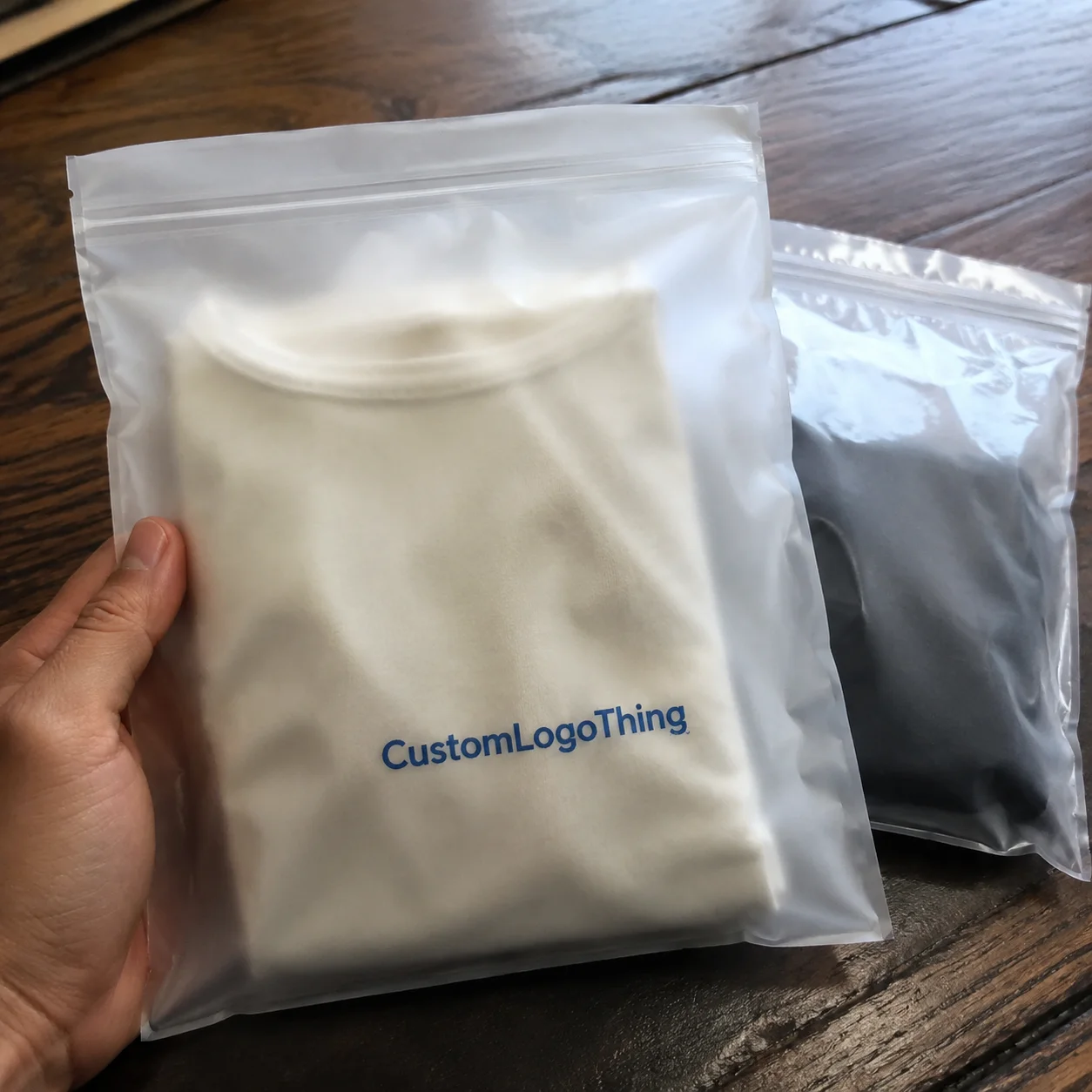
If you sell clothing at a farmers market, packaging is part weatherproofing, part presentation. It has to keep folded tees, hoodies, and accessories dry through damp grass, sudden showers, condensation from coolers, and the occasional rough ride in a tote or van. That is why a Waterproof Apparel Mailers material guide for farmers market sellers is more than a materials chart. Choose the wrong film and you risk wrinkled product, weakened seals, and a customer who notices the damage before they notice the design. Choose well and the garment arrives looking like it left a clean retail shelf, not a wet folding table.
The practical version: a waterproof apparel mailer is usually a flexible poly mailer or sealed pouch built to keep clothing protected during storage, transport, and handoff. Some are only splash-resistant, which helps with light moisture. Others are built to be genuinely waterproof in normal outdoor selling conditions, meaning the film structure and seal design do a better job of keeping water out. The right format depends on garment weight, fold size, branding needs, and whether customers are likely to reuse the package after the sale.
What Waterproof Apparel Mailers Actually Need to Survive at the Market
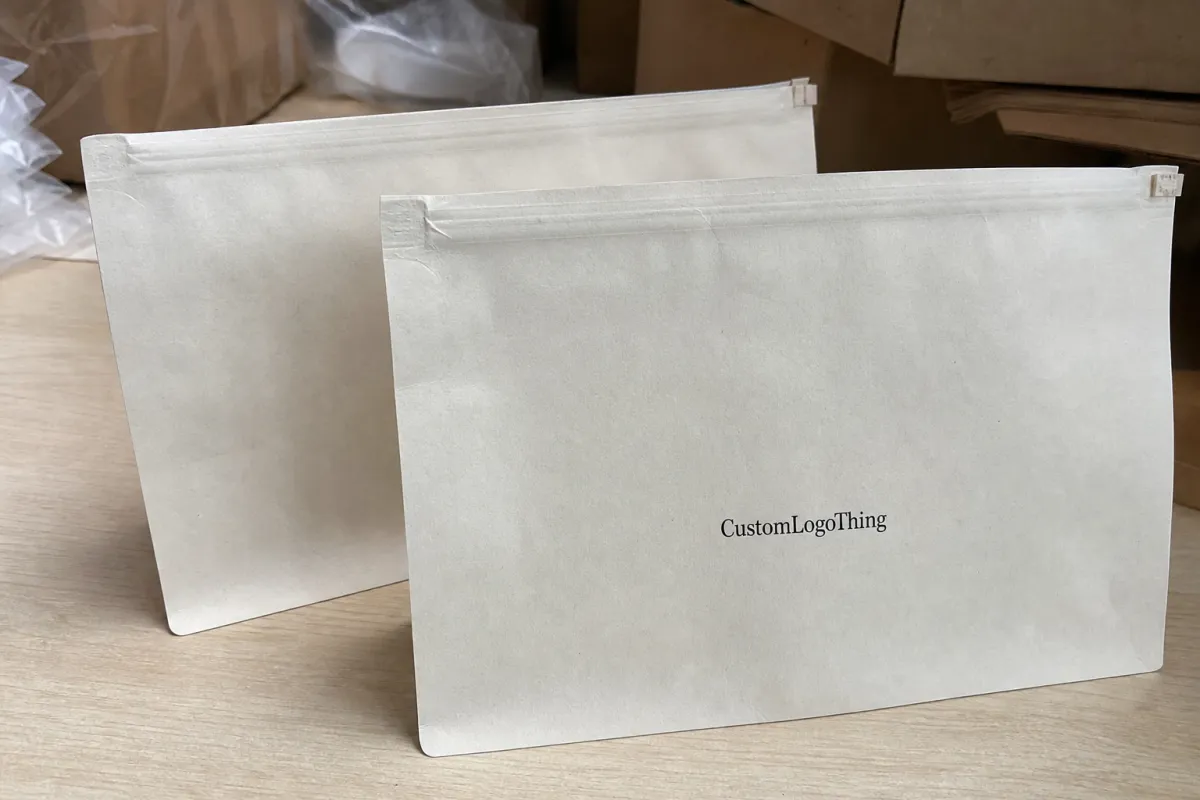
Farmers markets are harder on packaging than many sellers expect. The morning may start dry, then turn into wet pavement, mist, or a quick shower while shoppers keep handling bags, cash, and product at the same table. Add condensation from coolers or cold vehicles and the package is exposed from multiple directions, not just from above. In those conditions, a standard retail bag often falls short.
Waterproof Apparel Mailers need more than a shiny exterior. They need consistent film quality, strong seals, and enough puncture resistance to handle zippers, hang tags, buttons, and folded corners. A weak spot anywhere along the closure or edge can let moisture creep in. That is especially true if the package gets tossed into a cart, stacked under other purchases, or carried against wet clothing.
It helps to separate the terms buyers tend to blend together. Splash-resistant packaging can shrug off brief contact with moisture, but it is not meant for sustained wet handling. Water-resistant mailers hold up better against light rain or damp surfaces because the film and closure are tighter. Fully waterproof constructions go further, using a more controlled film structure and seal pattern to block water intrusion around the edges and flap. That distinction matters when you cannot control the weather.
For many sellers, the best choice is not the thinnest mailer or the cheapest quote. It is the mailer that protects the product and still fits the brand. A small-batch tee label may want a printed pouch with a strong adhesive strip. A sweatshirt seller may need a thicker gusseted mailer to manage bulk without stressing the seal. If the package is part of the customer’s carry-home experience, it becomes part of the product spec, not an afterthought.
A mailer that looks fine on a dry bench can fail fast in a wet market. If the film and seal are only barely adequate, moisture finds the weak point sooner than most buyers expect.
For sellers comparing packaging formats across the season, it can help to compare apparel mailers with other custom options such as Custom Packaging Products or specialty Custom Poly Mailers when product mix changes from lightweight basics to heavier layers.
How the Material Layers and Seal Structure Keep Apparel Dry
The film matters, but the mailer works because several components do their jobs together. A simple single-layer polyethylene bag can be acceptable for light, low-risk packaging, yet open-air selling usually calls for something more stable. Co-extruded polyethylene is common because it combines useful traits in one construction: flexibility on the outside, toughness in the middle, and a more dependable moisture barrier overall.
Thickness matters, though not in the simplistic way many buyers first assume. A 2.5 mil film with sloppy seals can fail before a 2.0 mil co-extruded structure with clean, consistent edges. Most moisture problems start at the seal line. If the seal is weak, uneven, contaminated with dust, or poorly formed, water can wick inward during handling. That is why suppliers who talk only about thickness without discussing seal quality are leaving out half the story.
Three durability traits deserve attention. Tear resistance helps when packages snag on shelving or when customers pull them from a basket. Puncture resistance matters if the clothing includes sharp tag pins, heavy hardware, or folded denim corners. Cold-crack performance matters when mailers are stored overnight in a cold vehicle and flexed first thing in the morning. Some films are perfectly serviceable at room temperature and then split when handled cold.
Surface finish affects performance and appearance. A matte printed surface can look more premium, but the coating needs to be chosen carefully so it does not scuff too easily or interfere with seal integrity. Gloss finishes usually hide handling marks better, while some matte coatings show rub wear faster when packages are stacked tightly. That is why print method and film structure should be discussed together, not as separate decisions.
Closure style also changes the package’s real-world behavior. Adhesive strips are fast and convenient, but the adhesive must hold up in changing temperatures. Zip seals support reuse and create a cleaner opening experience, though they usually add cost and a bit of bulk. Heat seals offer strong moisture control and are common in higher-volume operations, but they require equipment and a more controlled packing flow.
| Construction | Moisture Protection | Durability | Typical Use |
|---|---|---|---|
| Single-layer polyethylene | Moderate | Light to medium | Light apparel, lower-risk setups |
| Co-extruded polyethylene | High | Medium to high | Most farmers market apparel sellers |
| Laminated film combination | High to very high | High | Premium branding, heavier goods, added scuff resistance |
Waterproof Apparel Mailers Material Guide for Farmers Market Sellers: Key Material Factors
When buyers ask for a Waterproof Apparel Mailers material guide for farmers market sellers, the real question is usually simpler: which film gives the best balance of protection, feel, and cost? For most apparel sellers, the decision starts with LDPE, LLDPE, and blended polyethylene films. LDPE tends to feel softer and more flexible, which helps with hand packing and customer handling. LLDPE usually offers better puncture resistance and stretch, so it often performs better where corners and closures take more stress. Blends try to capture both qualities while keeping the product practical for production and pricing.
Thickness is usually measured in mils, and that number matters more than many first-time buyers realize. Lightweight tees or children’s apparel may work in thinner structures, while thicker hoodies, sweatshirts, and two-item bundles usually need a sturdier film. The key is to think about the package when it is full, not flat. A bag that seems acceptable on a desk can be under real strain once the garment is inside and the corners are stretched.
Opacity is another quiet factor that affects both presentation and privacy. White or frosted mailers create a cleaner retail look, while black or custom-colored films support branding and reduce show-through. In bright outdoor settings, darker colors can make lower-quality packaging look less obvious. If you sell products in multiple sizes or styles and do not want them visible through the package, the right opacity protects the customer experience before the mailer is even opened.
The selling environment matters too, especially in market settings that sit beside food vendors or craft stalls. Apparel packages may be placed near produce, coffee, baked goods, or wet tables, and customers notice every crease, stain, and weak seal. A clean custom mailer can make a simple garment feel more finished than a thin generic bag, and that visual signal often matters as much as the artwork on the front. A package that looks intentional tells buyers the contents were handled with care.
Some sellers prefer recycled materials or downgauged films to reduce plastic use while keeping enough performance for outdoor sales. Recycled-content mailers can be a sensible middle path, but they are not all equal. Print consistency, seal behavior, and clarity can vary more than with virgin resin, so a supplier should be able to tell you where the tradeoff sits. If the packaging will be handled repeatedly, recycled content should be tested for scuffing and adhesive performance, not just advertised as an eco feature.
There is also a lot of loose language around environmental claims. Some products are marketed with post-consumer waste content, while others use the label biodegradable packaging. Those terms are not interchangeable. Biodegradable claims can depend heavily on testing conditions, heat, moisture, and time, and not every claim is relevant to a clothing mailer used at a market. In many apparel applications, a durable recycled-content polyethylene mailer is more practical and more honest than a vague green label.
Cost, Pricing, and MOQ Tradeoffs That Affect Your Margin
Cost is where many sellers rush and regret it later. A stock white mailer may be the lowest upfront option, but custom printed Waterproof Apparel Mailers often pay off in presentation, repeat recognition, and fewer complaints about damp or damaged goods. Unit price changes with size, film thickness, print coverage, adhesive upgrades, gussets, and any special closure design. A one-color logo on a standard pouch lands in a very different price band from a full-color printed mailer with a reinforced seam.
Think in terms of total cost, not just quote price. Low MOQs help when you are testing a seasonal design or trying a new apparel line, but the per-piece price usually rises because setup cost is spread over fewer units. That can still make sense for a small seller with a narrow market schedule. Higher quantities bring the unit cost down, but they also increase storage needs and tie up cash in inventory. For some operations, that tradeoff is fine; for others, it creates more risk than it saves.
| Option | Typical Cost Behavior | Best For |
|---|---|---|
| Stock white waterproof mailers | Lowest upfront cost, limited branding | Testing, simple operations |
| Custom-printed mailers | Higher setup, better presentation | Brand building, repeat customers |
| Upgraded closure or thicker film | Higher unit price, lower damage risk | Heavier apparel, rainy markets |
Do not compare landed quotes by unit price alone. Landed cost includes freight, storage, packing labor, and the cost of replacing damaged garments if moisture gets through. A mailer that saves a few cents but increases spoilage or returns is not really cheaper. Packaging can also affect perceived value at the point of sale. A clean, well-fitted printed mailer supports the price signal better than a generic bag that wrinkles at the first touch.
That matters at farmers markets because customers are buying with their eyes and hands at the same time. A package that feels structured and clean tends to make the product inside feel more deliberate. That does not require luxury-level packaging. It does require a mailer that fits the garment and holds its shape instead of collapsing into a limp sleeve.
Production Process and Timeline: From Spec Sheet to Delivery
The production path for custom waterproof mailers is straightforward, but small front-end mistakes create delays later. It usually starts with sizing, because the mailer has to fit the folded apparel without too much slack. After that comes film selection, artwork setup, proofing, printing, conversion, packing, and shipping. A supplier that explains each step clearly usually makes the whole process easier to manage.
Timeline depends on quantity, print complexity, custom color matching, and seasonal demand. A simple order may move through production in roughly 12-15 business days after proof approval. More complex runs can take longer if the print requires multiple passes or the closure style is nonstandard. Transit time is added on top of that, which is why it pays to plan before the busiest market weekends. Running out of packaging a week before a major event is one of those problems that costs time in the booth and time in the back room.
Good information speeds the process. If you can provide garment dimensions, packed weight, closure preference, and branding files early, the quote and proof usually become much cleaner. Sellers sometimes send a logo but forget to mention whether the bag needs to fit one folded sweatshirt or two stacked tees. That missing detail can produce a mailer that is technically correct and still awkward in use.
Samples or pre-production proofs are especially useful when fit and moisture resistance matter. A sample pack lets you check how the film behaves under rubbing, whether the adhesive holds in your storage conditions, and whether the garment shifts too much inside the pouch. A small test order often reveals more than a spec sheet ever will.
For reference on transit testing and environmental packaging standards, many buyers look at resources from the International Safe Transit Association and broader guidance from the EPA when evaluating recyclability and packaging reduction. Those sources do not replace supplier testing, but they do help frame a more disciplined buying process.
Step-by-Step Selection Guide for Selling at Open-Air Markets
Start with the garment, not the packaging. What are you folding, and what does it measure once packed? A slim tee, a ribbed tank, and a brushed fleece hoodie behave very differently inside a pouch. Choose the width first, then decide whether you need depth. If the item has irregular bulk, it is usually better to size up than to force a tight fit that stresses the seal.
Next, match film strength to the handling environment. A calm setup with short carry distances may work with a lighter construction, but busy market days, wet mornings, and repeated handoffs call for a tougher film. That is why the same seller may use one mailer for basic tees and another for heavier seasonal pieces.
Closure choice should follow how customers interact with the package. If shoppers open the mailer at the table and leave with the garment in hand, a simple adhesive strip may be enough. If they carry the package home and may reuse it for storage or travel, a zip seal can improve the after-sale experience. If you sell some pieces in person and ship others, it can make sense to keep both options within one packaging family.
Branding is the final layer. Some sellers only need a logo and website. Others want full-coverage graphics. Neither is automatically better. The right amount of branding is the one that fits your budget, your booth display, and your product category without overwhelming the package. A restrained, well-placed design often works better than heavy ink coverage on a small mailer.
- Measure the folded apparel, not the unfolded garment.
- Choose film thickness based on weight and handling risk.
- Decide on closure style and reuse expectations.
- Select print coverage that fits your budget and brand.
- Test one sample against moisture, handling, and pack-out.
That last step matters more than people think. One sample can show whether the adhesive survives cool morning air, whether the film scuffs inside a tote, and whether your best-selling item fits without pulling on the seal. A simple test often beats a polished quote sheet.
Common Material and Ordering Mistakes to Avoid
The most common mistake is choosing a mailer that is too thin for the garment. It may work for lightweight tees and then fail when the order includes a sweatshirt or multiple items bundled together. Once the film stretches at the corners, puncture risk rises, and the package can start looking worn before the customer even leaves the booth.
Skipping sample tests is another frequent problem. Humidity, rain, and repeated handling are normal at farmers markets, not rare edge cases. If you do not test how the mailer behaves after sitting in a hot van or being handled with slightly damp hands, you are guessing. Guessing gets expensive fast when the product inside is soft goods that need to stay clean and dry.
Overbuying can be just as damaging as underbuying. A large MOQ may lower the unit price, but it can also tie up cash if your product mix changes with the season. Sellers who move between tees and heavier layers need flexibility. Buying too far ahead can leave you stuck with packaging that no longer fits what you are selling.
Artwork mistakes cause delays too. Missing bleed, unsafe edge placement, or tiny text near the seal zone can create print problems that slow approval. A design that looks clean on a screen can become a production issue once the artwork is mapped to the actual bag dimensions. Clear files save time and reduce rework.
Storage gets overlooked more often than it should. Direct sun and heat can weaken adhesives and warp stacked mailers over time. If packaging sits near a window, heater, or roofline with temperature swings, even a decent film can behave badly. Clean, dry storage matters more than many buyers assume.
Expert Tips and Next Steps Before You Place an Order
Before approving a quote, ask for the film spec, thickness, closure details, and sample photos. If a supplier cannot explain those basics clearly, you do not yet have enough information to compare options. A useful quote is not just a price; it is a description of what you are actually buying.
Build a simple test matrix. Check water exposure, drop handling, and customer presentation. That does not need to be formal or complicated. A few trial packs carried through a wet morning can reveal whether the mailer feels trustworthy in the hand and whether the closure stays tight after movement.
If your apparel is bulky or inconsistently folded, order one size larger than you think you need. Extra room protects seal integrity and makes packing faster when the market gets busy. Fast hand-packing on a cold morning is not the place to fight a too-tight mailer.
Plan a reorder point around seasonality and lead time. If your market schedule spikes on weekends or holiday periods, keep enough buffer so you do not scramble for packaging at the last minute. The best packaging decision is often the one that keeps operations steady.
The simplest next move is to compare two material options, request samples, and verify fit against your top-selling apparel. Keep the decision tied to real handling, real moisture exposure, and real pack-out sizes, and the waterproof apparel mailers material guide for farmers market sellers becomes a practical buying tool instead of just another spec sheet.
What is the best waterproof apparel mailers material for farmers market sellers?
For most sellers, co-extruded polyethylene gives the best balance of water resistance, flexibility, and cost. Thicker films work better for heavier apparel or repeated handling in outdoor conditions, especially when tables stay damp or customers are carrying bags across uneven ground.
Are waterproof apparel mailers better than paper bags at open-air markets?
Yes, if rain, damp grass, or condensation are likely, because sealed film keeps garments dry far better than paper. Paper can still work for dry indoor setups, but it does not provide the same moisture barrier. Kraft paper may suit presentation-focused packaging, yet it is not a true replacement for waterproof film when weather is part of the equation.
How thick should apparel mailers be for hoodies and sweatshirts?
Heavier garments usually need a sturdier film, often in a thicker mil range than lightweight tee mailers. The right thickness depends on packed size, puncture risk, and whether the customer will reuse the mailer. If the hoodie has bulky seams or hardware, move up in film strength rather than forcing a thinner bag to do too much.
What should I ask for when requesting a quote for custom waterproof mailers?
Ask for film type, thickness, size, closure style, print method, MOQ, unit price, and estimated lead time. Request sample options so you can check fit and water protection before committing. If you are comparing greener options, you can also ask whether any stock includes recycled materials or whether the packaging system uses FSC certified paper inserts for secondary components.
Can I use waterproof apparel mailers for more than one product type?
Yes, many sellers use one or two sizes across tees, accessories, and folded light outerwear. Just verify the pack-out size so items do not shift around or stress the seal. If you also package accessories with corrugated inserts or branded tissue, those additions affect presentation more than moisture protection, but they can still influence the final fit.