If you are ordering wedding favors or bridal-party merch, the wedding logo patch beanies Digital Proof Checklist is the fastest way to keep a small design decision from turning into an expensive delay. A proof should show more than a logo sitting on a hat. It needs to show how the patch size, cuff height, placement, and color balance will actually read once the beanie is sewn, packed, and worn outside in real light.
That matters more for wedding orders than for casual promo runs. The guest list is fixed. The date is fixed. And nobody wants to discover the patch is too wide, too low, or half-hidden by the fold after production is already underway. A proof is not a decoration. It is the last useful chance to catch a problem before it becomes a production bill.
What a Wedding Patch Beanie Proof Actually Shows
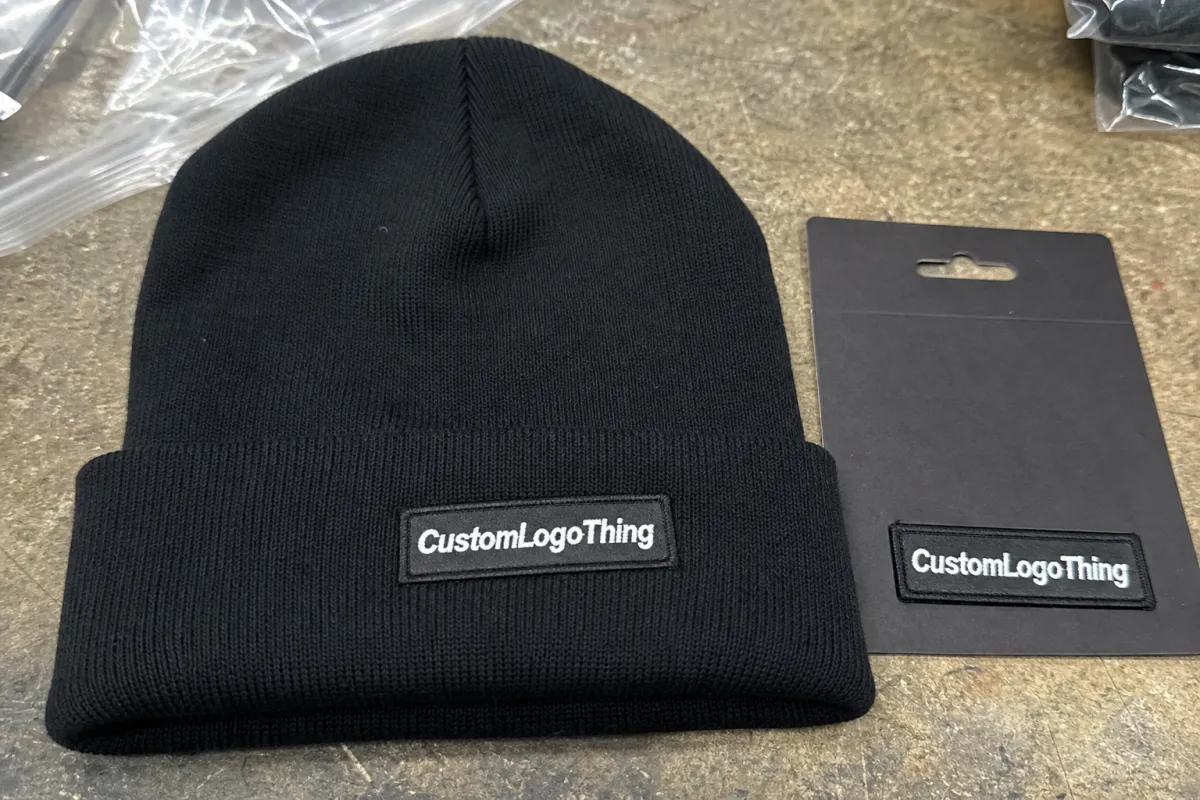
A digital proof is a control document with a visual layer. Pretty is fine. Accurate is better. For a wedding beanie, the proof should show the beanie style, cuff height, patch shape, patch size, logo artwork, border treatment, and the exact decoration position on the front panel or cuff.
The real question is simple: will this look right on a head, not just in a browser window? A patch that looks modest on a flat mockup can feel oversized on a narrow cuff. A patch that looks clean on a wide beanie can disappear if the logo has fine lettering or thin outlines. That is why the wedding Logo Patch Beanies digital proof checklist belongs at the center of the order, not as an afterthought.
Scale trips people up all the time. A 3-inch patch may sound reasonable until it lands on a short cuffed beanie and takes over the whole front. A 2-inch patch may seem neat until the initials and date become hard to read from a normal viewing distance. Wedding pieces usually work best when they feel deliberate, not promotional. Nobody wants their favor to look like a staff cap from a minor league concession stand.
Approve the proof you are comfortable defending on delivery day, not the one you hope production will interpret for you.
That line saves grief. Most revision loops start because the buyer reacts to the artwork alone instead of judging the whole package: hat color, patch type, size, placement, and finishing details. A proper proof makes those tradeoffs visible before anything gets stitched, pressed, or cut.
How the wedding logo patch beanies digital proof checklist Fits Into the Order Flow
The order flow is usually straightforward, but every step has a trap door. Artwork comes in first. The decorator prepares a mockup. The buyer reviews it and requests changes if needed. A final proof gets approved. Only then does production begin. That sequence is why the Wedding Logo Patch Beanies digital proof checklist should be treated like a gate, not a courtesy step.
A useful proof gives the production team enough information to work without guessing. It should show the selected beanie style, patch shape and border, logo placement, and any notes about thread color, patch backing, or special finishing. If the proof only shows floating artwork with a nice shadow, it is missing the part that matters.
Approval language matters more than many buyers expect. “Looks good” is vague enough to cause trouble later if one person assumed black thread, another assumed charcoal, and the order moved forward with the default spec. If the patch needs a different shade, a different size, or a different decoration method, say it before final approval. No one enjoys discovering that a polite comment became a manufacturing instruction.
For buyers who want to compare decoration methods before locking anything in, our Manufacturing Capabilities page is a useful reference. It helps separate patch constructions, finishes, and packaging options before the proof becomes final. That matters when the wedding set includes multiple pieces and you want the whole order to feel consistent.
- Artwork submission: send the cleanest file you have, ideally vector art.
- Mockup creation: the decorator maps the design to the chosen beanie and patch style.
- Buyer review: check scale, placement, wording, and visual balance.
- Revision round: request changes before approval if anything feels off.
- Final approval: the proof becomes the production reference.
Once the proof is approved, changes can trigger a new file, schedule shift, or price adjustment if materials or setup work have to change. That is not a penalty. It is just how custom production works. The setup time is real whether the order is twelve pieces or one hundred.
Materials, Patch Style, and Artwork Choices That Change the Look
Material choices change the final result more than most buyers expect. A cuffed acrylic knit beanie reads differently from a slouchy rib-knit style. A cream or oatmeal hat softens some logo colors, while black or navy makes contrast sharper. The proof should show the actual hat color and decoration position together, because those two decisions shape the whole mood of the piece.
Patch construction matters just as much. An embroidered patch gives texture and a classic raised feel. A woven patch handles tighter detail and smaller lettering better because the thread sits flatter. Faux leather pushes the look toward clean and fashion-forward. Printed patches are the most forgiving for gradients, tiny elements, and multi-color graphics that would get muddy in embroidery.
| Patch style | What it does well | Best fit for wedding beanies | Watch-outs |
|---|---|---|---|
| Embroidered patch | Strong texture, classic raised edge | Simple monograms, bold initials, short names | Fine text can close up at small sizes |
| Woven patch | Cleaner detail, smoother line work | Logos with thin fonts or detailed icons | Less texture, so the look is flatter |
| Faux leather patch | Sharp contrast, premium fashion feel | Minimal marks, initials, modern wedding styling | Not ideal for tiny or intricate artwork |
| Printed patch | Best for color variation and small graphics | Full-color logos and artwork with gradients | Needs careful review so it does not look busy |
Thread density and border style change the impression too. A dense satin stitch border can make the patch feel polished. A merrowed edge gives a softer, more traditional finish. On wedding designs, cleaner usually wins. Too much visual noise makes a beanie feel like trade-show swag instead of a keepsake someone might actually wear again.
Simple artwork tends to hold up best at patch scale. If the logo has tiny script, thin outlines, or several elements packed too close together, it may need simplification. Enlarging the icon, removing a small tagline, or increasing contrast often makes the final patch look more expensive. That is the annoying truth. Less detail can cost less and look better.
If sustainability matters for inserts, hang tags, or belly bands, ask about paper sourcing too. FSC-certified paper is a practical option for branded packaging, and the FSC site is a clear reference for certified fiber and chain-of-custody basics.
Production Process and Timeline Checks
The timeline starts when you approve the proof, not when the artwork first arrives. Before approval, the order may still need cleanup, digitizing, mockup revisions, or layout changes. For a wedding run, that early stage matters because one slow step ripples through the whole schedule.
When I review a custom order, I want five things visible right away: proof turnaround time, revision window, approval deadline, production start date, and estimated ship date. If any of those are vague, the buyer does not really know when the order is moving. Clear dates reduce stress and make it easier to keep planners, bridesmaids, or event coordinators aligned.
Wedding timing creates a chain reaction. If a revision sits for two days while three people debate patch placement, the ship date moves. Then packaging slips. Then the arrival buffer gets thinner than anyone planned. The fix is boring but effective: build cushion on the front end instead of hoping for magic at the back end.
Shipping matters too. If the beanies are boxed in cartons, sent by parcel, or stacked for pallet freight, ask how the packing is structured and whether the cartons are sized to handle transit abuse. The ISTA site is a useful reference for why carton strength, stacking, and vibration handling matter even for soft goods. Beanies crush more easily than people think.
From a production standpoint, the clock usually looks like this:
- Artwork cleanup and digitizing, if needed.
- Digital proof generation for buyer review.
- Revision round, if the buyer requests one.
- Final approval and order release.
- Material allocation, patch setup, and production.
- Packing, carton labeling, and shipment.
The smoother the approval path, the more likely the order finishes on time. That is true for 24-piece wedding favors and for larger family orders alike. The math does not care how cute the theme is.
Cost, MOQ, and Quote Variables That Move the Price
Pricing for wedding beanies is driven by more than the hat itself. Patch construction, artwork complexity, stitch count, color count, backing type, packing method, and the number of units all affect the quote. A clean one-color monogram on a standard cuffed beanie is a different job from a full-detail logo on a custom woven patch with individual bagging.
For a short-run wedding order, a realistic per-piece range often lands around $7.50 to $18.00, depending on the base beanie, patch style, and quantity. Smaller orders usually carry more setup cost per unit. Once quantities rise, that setup gets spread out more efficiently and the price per piece tends to settle down.
MOQ can shape the whole buying decision. If the minimum is 24 pieces, a couple ordering gifts for the bridal party may get a different quote structure than a family ordering 100 favors for guests. In some cases, a lower MOQ is available, but the per-piece cost can rise because the setup work is the same either way.
Be careful with add-ons. Rush service, special labeling, split sizes, custom tissue, individual polybagging, and tight ship windows can all add cost before you ever see a finished box. That is not hidden if the quote is written well, but it does need to be confirmed before approval so there are no awkward surprises later. Wedding budgets are already busy enough.
Compare quotes only when the specs match. Two proofs can look similar while one uses a heavier knit, a thicker patch, and better thread density. That second option usually costs more for a reason, and the difference shows up in hand feel and in how the logo reads in daylight at the event.
If you are comparing vendors or decoration methods, ask for the same quantity, same beanie color, same patch style, same packaging, and same timeline. That keeps the conversation grounded in the actual order instead of a vague price that means almost nothing.
Common Proofing Mistakes That Cause Delays
The wedding Logo Patch Beanies Digital Proof checklist catches the mistakes that are easy to miss in a hurry. Most of them are not technical. They are human. A name is spelled one way in a text thread and another way in the proof request. A monogram uses one case in the logo file and a different case on the invitation. Someone assumes the patch is 2.5 inches wide when the proof clearly shows 3 inches.
Here are the issues that slow wedding orders down most often:
- Spelling and formatting errors: names, initials, dates, and monograms need line-by-line checking.
- Color assumptions: screen color is a guide, not a perfect material sample.
- Placement mistakes: a patch can sit too low, too high, or too wide for the cuff.
- Too many decision-makers: mixed feedback creates revision loops.
Color is the one buyers underestimate most. A digital proof shows contrast reasonably well, but it cannot fully mimic yarn, thread, or faux leather under different lighting. If color match matters, ask what reference is being used and whether a material sample or thread chart is available. That is more reliable than trusting a laptop screen set to whatever brightness it decided on that morning.
Placement matters just as much. On a folded cuff beanie, a patch that looks centered in a flat mockup can drift once the cuff is turned up. A design that should feel polished can end up cramped if it sits too close to the fold line. A good proof makes that geometry obvious before production starts.
The cleanest approval path is to choose one final decision-maker. Family input is useful early on. At the end, it turns into noise if three people keep asking for different changes. One voice, one final review, one approval. That keeps the schedule moving and lowers the odds of a last-minute scramble.
Expert Tips and Next Steps Before You Approve
If you want a better proof on the first pass, send stronger input. Vector artwork is best because it holds edges, curves, and type cleanly when the mockup is built. If the logo has color standards, include them. If the patch must be a certain shape, say that too. A clear brief saves time for everyone.
I also recommend asking for three views whenever possible: a front view, a close-up detail view, and a ruler or dimension reference. Those three pieces answer different questions. The front view shows overall balance, the close-up shows stitch or print clarity, and the ruler reference helps you judge whether the patch is actually the size you want. One view alone is rarely enough.
Work backward from the wedding date. Leave enough time for one revision, not three. Then add shipping cushion on top of that. A disciplined wedding logo patch Beanies Digital Proof Checklist is what keeps a cute idea from turning into a late-night logistics problem.
Before you approve, use this order:
- Confirm exact wording, initials, and date format.
- Check patch size against the beanie cuff and front panel.
- Review color contrast, not just color names.
- Ask whether the patch style matches the complexity of the artwork.
- Verify quantities, packaging, ship date, and final destination.
The best proof is the one that leaves no room for guessing. If the mockup answers scale, placement, color, and timing, you are ready to move.
For buyers planning matching pieces alongside the hats, it helps to review our Manufacturing Capabilities page so the beanies, patches, and any add-on packaging follow the same production logic. Consistency matters. Mixed specs are where small wedding orders start acting expensive.
Once those checks are done, the order can move into production with far less risk of revision loops, timeline drift, or a finished product that looks good only because everyone hoped it would.
Frequently Asked Questions
What should I check first in a wedding patch beanies digital proof?
Start with the exact spelling of names, initials, dates, and any monogram layout. Then confirm patch size, placement, and whether the logo still reads clearly at beanie scale. After that, check color contrast and make sure the mockup matches the style you want for the wedding.
How long does proof approval usually take for custom wedding beanies?
Most approvals move quickly when the artwork is clean and one person is making the decision. Revision time grows when multiple family members want changes or when the logo needs cleanup. The safest approach is to approve as soon as the proof matches the final wedding details.
What affects the cost of wedding logo patch beanies the most?
Patch type, artwork complexity, color count, and the total quantity usually have the biggest impact. Rush timing, special packaging, or lower order volumes can also raise the per-piece price. Ask for quotes on the same specifications so you are comparing the same decoration method and materials.
Can I trust the screen colors on a digital proof for a wedding patch beanie?
Use the proof as a layout guide, not a perfect color sample, because screens can shift color slightly. If color matching matters, ask what reference system or material sample is being used. Focus on contrast and readability first, since those matter most on a small patch.
What files should I send for the fastest beanie proof turnaround?
Send vector artwork when possible, plus any fonts, logo notes, and exact wording for the wedding. Include quantity, color preference, patch placement, and the event date so the proof reflects the real order. Clear input reduces revisions and helps the proof move into production faster.
Handled this way, the wedding logo patch beanies digital proof checklist does exactly what it should: it catches artwork, sizing, color, and timeline issues before approval, so the finished beanies arrive looking like they were planned that way from the start.


