For a bakery, zip lock Bags for Bakeries unit cost is not just a line item. It affects freshness, labor, waste, and how the finished product looks on shelf. A bag that seems cheap can become a headache if the zipper sticks, the film oils through, or the pack line slows down because the mouth collapses during filling. That’s not savings. That’s a bill with better branding.
The smarter way to compare packaging is to look at the whole job the bag has to do. It should protect cookies, pastries, granola, frozen dough, or snack mixes without using more material than necessary. The best unit cost usually comes from right-sizing the structure, not chasing the lowest quote and hoping the product survives on vibes.
Why cheap bakery bags turn expensive
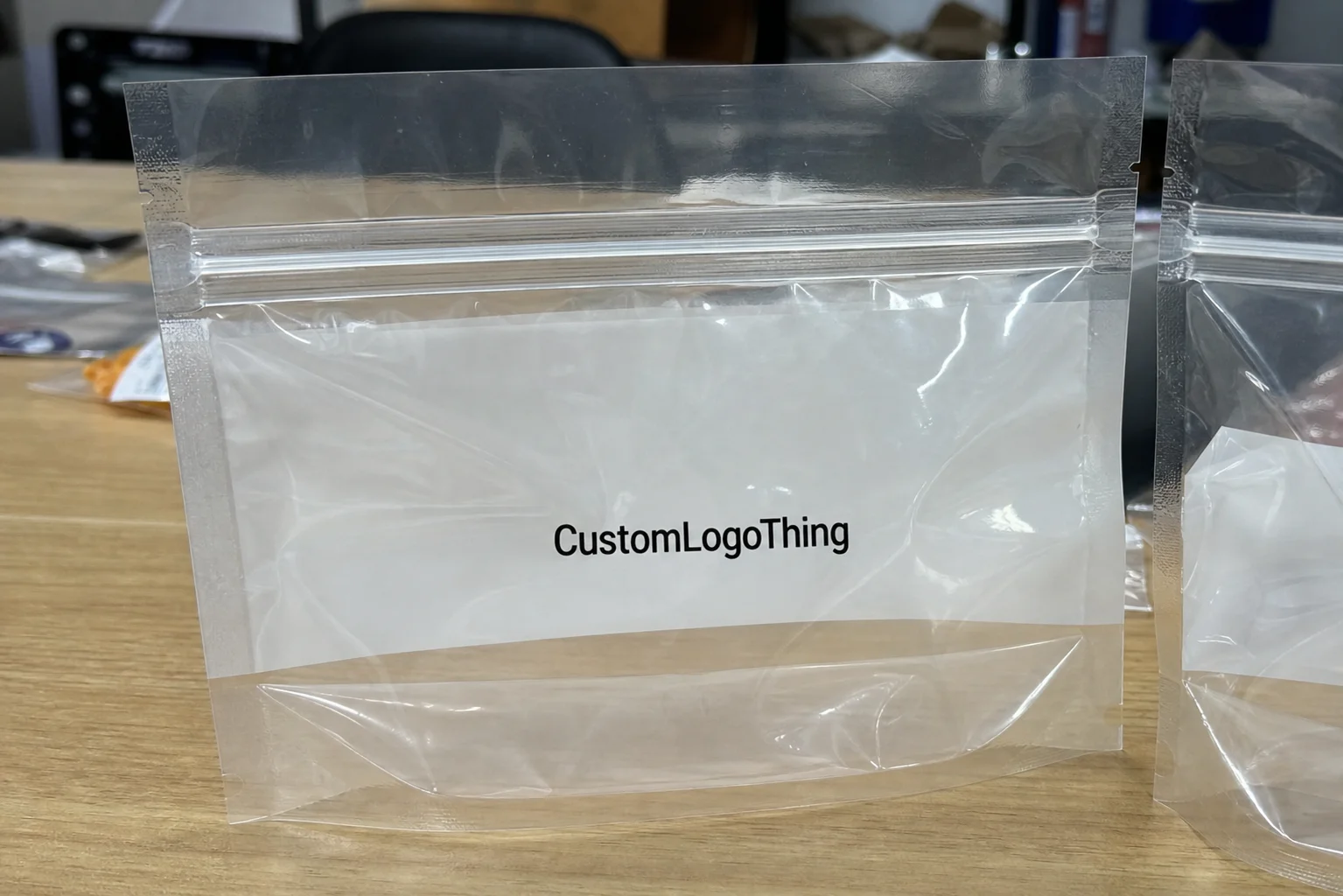
The lowest-priced bag on paper is often the priciest one once it reaches the line. If the bag is too large, you pay for extra film, extra carton space, and extra freight. If it is too tight, operators waste time forcing product inside or reworking failed packs. If the zipper does not close cleanly, freshness drops and returns rise.
Most hidden cost comes from labor and rejects, not the bag price itself. A flimsy zipper that won’t reseal, a cloudy film that makes the product look tired, or a seal area that folds over crumbs can turn a simple pack-out into a mess. Bakery teams notice these things fast because they have to keep moving.
Dry products like cookies, crackers, and granola usually need clarity and reliable sealing more than heavy barrier. Sticky or fatty products need better resistance to oil migration and a film that keeps its shape. Frozen items bring another issue: the package has to stay functional through temperature swings without becoming brittle or losing closure performance.
If the bag is meant for retail display, presentation matters more than some buyers want to admit. A clean, clear zipper bag can make a small product line look organized and deliberate. A bag that wrinkles badly, blooms, or distorts the contents can make a good bake look like it was packed during a power outage.
“The packaging is part of the product. Buyers see it before they taste anything.”
That is why pricing should be judged against performance, not just a number on a quote sheet. The right zip lock Bags for Bakeries unit cost is the one that supports throughput, reduces waste, and keeps the product in sellable shape.
Material and closure options that fit bakery products
Most bakery buyers start with two questions: do we need a clear economical film, or do we need more protection? For many dry baked goods, clear polyethylene is the practical default. It is cost-conscious, easy to fill, and gives strong product visibility. For bakery items with sharper edges or a little more handling abuse, a heavier-gauge PE can improve puncture resistance without making the package feel overbuilt.
Laminated structures make sense when the product needs better barrier, a more premium shelf feel, or stronger resistance to oils and moisture. That does not mean every bakery needs laminate. Plenty do not. But for specialty snack cookies, glazed pastries, or frozen dough portions, a laminate can hold product quality better through storage and transport.
The closure matters just as much as the film. A standard press-to-close zipper is usually the most practical choice for bakery pack-outs because it is familiar, easy to use, and repeatable on a busy line. Tamper-evident features are useful when the product is sold through retail channels and the buyer wants a visible first-open cue. Reusable closures matter more for products customers will open several times at home or in café service.
Clarity should not be treated like an optional nice-to-have. Bakery products are visual. Crumb color, icing, mix-ins, and texture all influence purchase decisions. If the film turns hazy or overly soft, the product has to work harder to sell itself. For a buyer comparing unit cost, clarity and zipper feel are part of the economics too.
| Option | Best for | Typical tradeoff | Relative cost pressure |
|---|---|---|---|
| Clear polyethylene | Cookies, granola, dry pastries | Lower barrier, excellent clarity | Lowest |
| Heavier-gauge PE | Items needing better puncture resistance | More film weight, firmer feel | Moderate |
| Laminated structure | Greasy, fragile, or premium bakery goods | Higher performance, higher conversion cost | Higher |
| Press-to-close zipper | Most retail bakery applications | Easy use, standard spec | Lowest to moderate |
| Tamper-evident zipper | Retail or wholesale packs needing first-open indication | Added feature, more conversion steps | Moderate to higher |
One detail buyers often miss: a softer film may feel easier to pack by hand, but it can wrinkle around the zipper area and look less premium. A stiffer film can present better on shelf, though it may ask more from the packing team. There is no magic answer. There is only the spec that fits the product, the line, and the margin.
Specifications that affect shelf life, fill speed, and presentation
Before you ask for pricing, lock the spec. The usual variables are width, height, gusset depth if needed, gauge, seal area, zipper track style, and print space. Those details sound basic, but they change both performance and price. Small changes in one dimension can ripple through material usage, waste, and fit.
Dimensions should match the finished product, not the theoretical fill weight. A bag that is too tight can crush flaky pastry or flatten a cookie stack. Too much extra room makes the pack look undersold and can let the contents move around during shipping. The sweet spot leaves enough headspace for closure without turning the product into a loose project in a plastic sack.
Shelf life depends on different things depending on the product. For dry baked goods, moisture control and seal integrity usually matter most. For items with higher fat content, oil migration is the bigger concern. Frozen dough needs a bag that can survive temperature swings without becoming brittle or losing closure performance. That is why a spec sheet is worth more than a sales pitch.
Fill speed matters too. Bags with a wide mouth and a zipper that closes cleanly can improve throughput and reduce operator frustration. If the team has to fight the closure or keep reopening half-sealed bags, line speed drops. That loss shows up directly in labor cost and overtime, which nobody enjoys explaining later.
For buyers comparing options, four questions usually expose the difference between a decent bag and a costly one:
- Does the zipper close cleanly after the first fill?
- Does the film keep the product visible and attractive?
- Does the size fit the actual product shape, not just the SKU name?
- Does the package protect freshness without adding unnecessary material?
Distribution testing matters if the product is shipping beyond the bakery door. Industry references such as ISTA are useful for understanding transit performance, especially if packs move through multiple handling points before they reach store shelves. For broader packaging operations context, PMMI has practical resources that help teams talk about packaging as a production issue, not just a design decision.
Zip lock bags for bakeries unit cost: what actually moves the price
Here is the part buyers usually want first: what actually drives zip lock Bags for Bakeries Unit cost? The main levers are material grade, bag size, zipper style, thickness, print coverage, and order quantity. Those are the factors that usually move pricing more than anything decorative.
MOQ matters because setup and inspection costs get spread across the run. A small order carries more overhead per bag because the line still has to be set up, tested, and checked. Larger volume dilutes those fixed costs. That is why bulk pricing can improve fast once a program gets past the trial stage.
Tooling and setup charges also affect first orders, especially when the bag is custom sized or the print layout needs a specific sealing arrangement. A stock-style clear bag is usually the least expensive way to get started. A custom print with multiple colors, special zipper features, or unique dimensions will nearly always cost more up front.
Special features can raise the quote in ways that catch buyers off guard. Window panels, frosted finishes, tamper-evident details, heavier gauges, and barrier layers all add material or conversion complexity. Even a small width change can affect web utilization and trim waste, which is another way unit cost gets pulled upward.
As a practical range, plain stock-style clear zipper bags at volume can sit in a lower cost band, while custom-printed laminated bakery bags with specialty closures can land much higher. The exact number depends on volume, artwork, dimensions, and material choice. That is not a dodge. It is how packaging pricing works.
Use landed cost, not sticker price, when comparing offers. Freight, carton count, pallet efficiency, pack-out time, and reject rate all belong in the math. A bag that costs a little more but fills faster and rejects less can outperform a cheaper option that slows the line or creates returns.
| Quote factor | Lower-cost scenario | Higher-cost scenario |
|---|---|---|
| Order quantity | Repeat run with higher MOQ | Small one-time test order |
| Material | Clear PE for dry bakery goods | Laminated barrier structure |
| Zipper | Standard press-to-close | Tamper-evident or specialty closure |
| Plain bag or one-color print | Multi-color full coverage | |
| Dimensions | Standard-style size | Custom dimensions with unique tooling |
If the goal is to reduce cost without wrecking performance, the first move is usually not to remove the zipper. That is the sort of shortcut that looks clever until the complaints start. Better options are to right-size the bag, simplify the print, or match the material to the actual product instead of designing for a worst case that never happens.
Production process and lead time from approval to shipment
The normal process starts with a spec review. The supplier should confirm dimensions, material, zipper type, print requirements, and volume before anything is released. If artwork is involved, the design file needs to fit the printable area. Leaving that until later is how teams end up in a round of corrections nobody asked for.
Next comes sample or proof approval. For first-time custom orders, this stage matters because it confirms fit, closure function, clarity, and appearance. If the bakery is uncertain about zipper feel or how the film presents around a filled product, a sample is the cheapest place to find out. Repeat orders are easier because the spec is already approved and the file is locked.
Lead time depends heavily on how complete the buyer’s request is. If dimensions, zipper choice, and artwork are final from the start, production can move faster. If the team keeps revising copy, changing size, or adjusting the print panel, the schedule stretches. That is normal, but it should be built into planning instead of treated like a surprise.
Delays usually come from the same few places:
- Artwork revisions after proofing
- Missing dieline or print-area information
- Late sample approval from the bakery team
- Midstream changes to zipper style or bag dimensions
Repeat programs are typically quicker because setup already exists and the production file is approved. First-time custom runs take longer because the bag has to be checked for print readiness, closure performance, and packaging fit. In practical terms, that can mean the difference between a routine replenishment and a launch that needs extra calendar time.
Sustainability questions are part of the conversation too, but they should be handled honestly. Recyclable claims depend on material type and local collection systems, and not every structure is recyclable everywhere. If the bakery is evaluating material reduction or end-of-life options, the EPA’s recycling resources are a reasonable starting point: EPA recycling guidance. Packaging decisions should be grounded in what the supply chain can actually support, not in hopeful wording on a spec sheet.
Why bakery buyers reorder from a supplier that understands volume and compliance
Consistency keeps packaging programs alive. If film thickness drifts, zipper engagement changes, or dimensions vary too much from run to run, the production team notices immediately. That kind of variation creates line slowdowns, QC questions, and a lot of avoidable noise.
Volume handling matters just as much as bag performance. Carton counts, pallet stackability, and storage durability affect how the product arrives and how quickly it can be put into use. A lower unit cost means very little if the cartons are awkward to move or the bags get damaged in transit.
Documentation is another quiet advantage. Buyers often need material notes, tolerances, and inspection checkpoints for internal quality control. That is especially true for food brands that manage multiple SKUs or contract-packed goods. Clear paperwork saves time, reduces back-and-forth, and makes reorders less painful.
For brands with broader sustainability requirements, fiber-based secondary packaging and printed inserts may need certification support. The FSC site is useful for understanding certified paper and board options around the bag, even though the film itself follows different material standards.
The best suppliers do more than quote a number. They help the buyer avoid hidden cost across the life of the program. That can mean cleaner pack-out, fewer rejects, more predictable replenishment, and fewer emergency buys when a product suddenly picks up sales.
What to prepare before you request a bakery quote
If you want a useful quote quickly, send the details that actually change the spec. Precision cuts down on follow-up rounds and gets pricing closer to reality. For zip lock bags for bakeries unit cost comparisons, vague requests usually produce vague answers. Shocking, I know.
Start with the finished product dimensions and target fill weight. Then include the material preference, whether you need clear film or a barrier structure, the zipper style, artwork status, and your estimated annual usage. If you know the MOQ you can support, include that too. It helps the supplier quote a production plan instead of a placeholder with a nice font.
Also explain how the bags will be used. Are they hand packed or machine packed? Do they need to fit a display shelf? Will they go into freezer storage? Will the product be opened and closed multiple times? Those details change the recommendation, not just the price.
Before approving a run, ask for a sample or spec sheet review. Check zipper feel, clarity, seal strength, and the actual fit with product inside the bag. One sample can catch a size issue, a weak zipper, or a flimsy feel before a full order makes the mistake expensive.
If you are choosing between a stock-style bag and a custom spec, think in terms of SKU count, shelf presentation, and packing labor. A stock-style option can work well for straightforward dry bakery items. A custom bag makes more sense when the brand needs a specific size, print layout, or closure performance that supports the product in real conditions.
Send the specs, ask for the unit cost breakdown, and make the supplier explain the tradeoffs in plain language. A useful quote should show the price, MOQ, setup charges, and why the recommended structure fits the product you are actually selling. That is the kind of answer that helps a bakery Buy With Confidence.
What drives bakery zip lock bag pricing the most?
Material grade, bag size, zipper type, thickness, and print coverage usually move price more than cosmetic details. Order quantity matters because setup and inspection costs are spread across more bags on larger runs. Special barrier needs or unusual dimensions can increase cost because they change the structure or the tooling.
Can I get a lower unit cost with a higher MOQ?
Yes. A higher MOQ usually reduces unit cost because setup, conversion, and inspection expenses are spread across more bags. The better comparison is total landed cost versus inventory risk, not just the lowest per-bag number. A solid quote should show the breakpoints clearly so the bakery can judge whether the savings are worth the volume.
Which material works best for cookies, pastries, and dry bakery items?
Clear polyethylene is often the most practical choice for display-driven dry items because it balances cost, clarity, and seal performance. Heavier gauges or laminated structures may be better when the product needs more puncture resistance or a stronger shelf feel. If grease migration is a concern, the material should be tested against the actual product rather than assumed from appearance.
How long is the usual lead time for custom bakery zip bags?
Lead time depends on whether the order is a repeat spec or a new custom run that needs artwork, sampling, and approval. First-time custom projects usually take longer because the bag must be reviewed for fit, closure function, and print readiness. Repeat orders are faster when the spec is already locked and the production file is approved.
What information should I send to get an accurate quote fast?
Send finished product dimensions, fill weight, zipper preference, material or barrier requirement, artwork status, and estimated annual volume. Include whether the bag must fit a display shelf, freezer storage, or a hand packing line so the quote matches real operating conditions. The more exact the specs, the less back-and-forth is needed before pricing and sample confirmation.
If you are comparing suppliers now, send your dimensions, product type, print needs, and expected volume to Custom Logo Things, and ask for a quote that breaks down zip lock bags for bakeries unit cost, MOQ, setup charges, and the best material recommendation for your line.


