apparel Embroidered Baseball Caps Bulk Order Planning looks straightforward until the logo meets a real crown and the front panel starts dictating the rules. A mark that looks crisp on a screen can skew over a seam, lose legibility in small text, or feel crowded once thread replaces ink. The cap is not a flat canvas. It is a curved, stitched structure with its own limits.
Embroidery is still the default for most bulk cap programs because it holds up, feels finished, and behaves well on repeat orders. But the best decoration choice depends on the job. A promo giveaway, a staff uniform, and a retail merch drop do not need the same build quality, and they definitely do not tolerate the same level of design complexity.
A mockup is not a cap. Panel height, seam layout, stitch density, and profile determine whether the logo reads cleanly or looks forced.
Why bulk embroidered cap orders go sideways fast
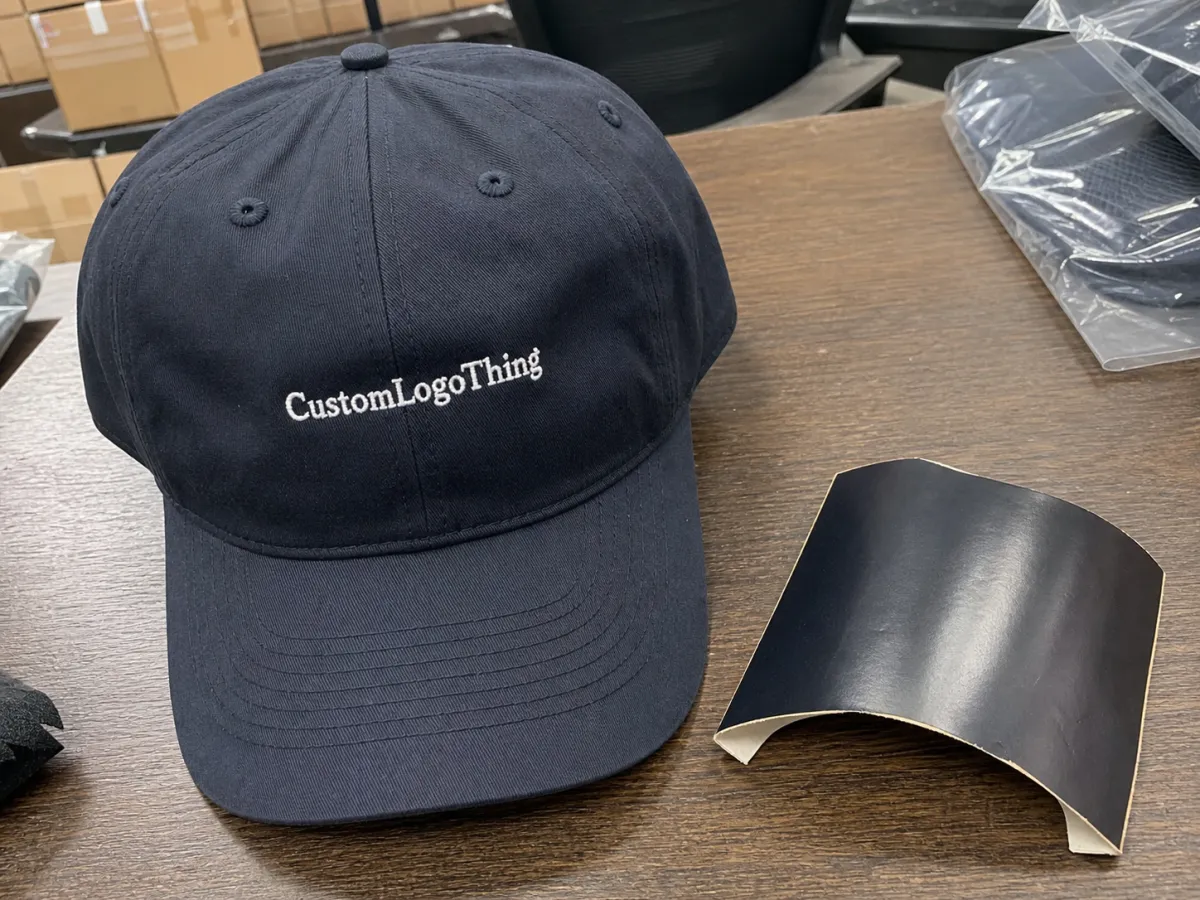
The same artwork can behave very differently on a structured cap, a soft unstructured cap, or a low-profile dad hat. Buyers usually discover that too late because they approve the graphic before they confirm the cap body. That sequence is backwards. The silhouette controls the embroidery more than the artwork does.
For bulk orders, embroidery usually makes more sense than print when the goal is durability, repeatability, and a more retail-ready finish. Print can work on some hats, but it tends to sit flatter and read as temporary. Embroidery adds texture, holds up better under wear, and photographs well for product listings and event merch.
Three order types drive different decisions. Employee uniforms need restrained branding and predictable sizing. Promo caps need a logo that stays readable from a distance. Merch drops need enough visual weight to justify the retail price. If those goals are mixed together, the order tends to drift toward the wrong specs.
Lock these variables early:
- Logo size and exact placement on the crown or side panel
- Thread count and whether the artwork needs simplification
- Closure style such as snapback, buckle, strap, or fitted
- Cap profile and whether the front panel is structured or soft
- Stock color versus custom-dyed body and trim
From a buyer's point of view, this is the same discipline used for cartons, labels, or inserts: decide the parts that drive cost and consistency before asking for a quote. If the front-end decisions are fuzzy, every supplier answer will be fuzzy too. The quote is only as precise as the brief.
Most production mistakes are not dramatic. They are cumulative. A logo is 2 mm too low, a thread color is slightly off, the cap crown is softer than expected, and the sample gets approved anyway because the differences seem small. Put together, those small misses create a cap that looks less premium than the budget implied.
Cap styles, crown shapes, and decoration placement options
Start with construction. A 6-panel cap usually gives a more traditional fit and a larger center-front embroidery area. A 5-panel cap often gives a flatter front and cleaner decoration for bold logos or script. Structured fronts hold shape better. Unstructured fronts feel softer, but the embroidery can sit differently after wear and washing.
Profile matters more than many buyers expect. Low-profile caps sit closer to the head and often suit lifestyle merch. Mid-profile caps are the safest middle ground for staff programs and resale. High-profile caps give more front panel height, which helps when the logo needs room to breathe or when 3D puff needs extra clearance.
Placement should match the purpose of the cap, not just the artwork file. Center-front embroidery is the most visible option and the easiest to quote. Side embroidery works well for dates, initials, or secondary marks. Back embroidery is usually better as a support detail unless the brand is already widely recognized and the back view carries meaning.
Consider these decoration options:
- Flat embroidery for clean logos, thin lettering, and most corporate orders
- 3D puff embroidery for bold initials, sports styles, and thicker letterforms
- Patches for textured branding, complex artwork, or a more vintage look
- Side or back hits for secondary messaging without crowding the front panel
Seam layout can ruin an otherwise good design. If a logo crosses the center seam on a 6-panel cap, the digitizing has to work harder to keep the shape balanced. Small text across a seam is usually a bad idea. Larger type, fewer details, and strong outlines are safer for apparel Embroidered Baseball Caps Bulk Order Planning, especially if the order needs to stay consistent across multiple colorways.
3D puff adds thickness and visual punch, but it also limits fine detail. Patches can hide stitch complexity, yet they add setup steps and sometimes a second labor stage. So the right answer is not "best decoration." It is "best decoration for this logo on this cap at this price." That distinction matters.
Cap fabric also changes the outcome. Brushed cotton twill accepts embroidery differently than polyester mesh or washed cotton. A firmer fabric typically gives the stitch a cleaner edge. A softer fabric can pucker if the backing is not chosen carefully. That is why the same logo may need different stitch settings across two cap bodies even if the artwork never changes.
Embroidery specs that keep the sample and bulk run identical
Good embroidery starts with clean files. A supplier should ask for vector artwork, final logo dimensions, thread color references, and exact placement notes. If the logo has tiny text or hairline strokes, say so early. Do not wait for the sample to reveal the problem. By then, the quote has already been built around the wrong assumptions.
Digitizing is the translation step. The artwork is converted into stitches that fit the hat's surface, and that means line weight, curves, and spacing all change. A design that looks balanced in Illustrator may need simplification to work on a curved crown. Small details can disappear or turn fuzzy if they are pushed too far. A 14-color logo on a 2.5-inch cap front is a common example of too much detail for too little space.
The approval set should cover more than a pretty mockup. Ask for stitch count, underlay style, backing type, thread type, and whether a sew-out sample is part of the process. If the cap is going to be worn hard, the backing and thread choice matter. If it is going into a retail box, consistency and surface finish matter just as much. A sample should answer both questions: does it look right, and will it survive use?
Use this list before approval:
- Artwork format: vector preferred, not a flat JPEG
- Final size: width and height in inches or millimeters
- Placement: center-front, side, back, or wrap detail
- Color match: Pantone reference or thread match target
- Sample rule: sew-out approved before bulk starts
Late changes are expensive. Move the logo after digitizing and you may trigger a fresh setup fee. Change thread colors after approval and you can create drift between the sample and the bulk run. Change the decoration location after sample sign-off and the order clock starts over. That is why apparel Embroidered Baseball Caps bulk order planning should be treated like a production brief, not a casual email.
Thread choice deserves more attention than it usually gets. Standard polyester embroidery thread is common because it is durable and color-stable. Rayon has a softer sheen but is less common in hard-wear programs. Metallic thread can look sharp in small accents, yet it is less forgiving and usually costs more. If a quote never mentions thread type, that is a gap worth closing before approval.
If you need plain-English help on common ordering questions, the FAQ is a useful starting point before you send art.
Cost, pricing, MOQ, and quote drivers for bulk cap orders
Most buyers ask for a unit price first. That is fair, but incomplete. The real cost stack includes the cap blank, embroidery setup, stitch count, thread colors, packaging, and shipping. Sometimes the "cheap" quote is only cheap because one of those pieces is missing. Low unit prices are easy to print. Landed prices are harder to hide.
MOQ is not a moral issue. It is a production reality. Simple stock caps often start around 50 to 100 units. Custom materials, specialty closures, or mixed sizes can raise that floor. More complex artwork can also increase the minimum because the supplier has to spread setup labor across fewer units.
Pricing usually moves in a predictable way as quantity rises. Setup gets diluted. Shipping per unit falls. The order gets easier to run once the batch size reaches a comfortable production volume. A 100-piece order can look acceptable and still become poor value after setup and freight. A 1,000-piece order can be better value if the design and colorway stay stable.
| Cap option | Typical MOQ | Common unit range | Best use case |
|---|---|---|---|
| Stock 6-panel, flat embroidery | 50-100 pcs | $2.40-$4.20 | Staff wear, giveaways, simple brand marks |
| Structured cap, multi-color logo | 100-200 pcs | $3.20-$5.80 | Retail merch, events, repeat programs |
| 3D puff embroidery | 100-200 pcs | $3.80-$6.40 | Bold letters, sports looks, premium promos |
| Patch application | 100-300 pcs | $4.10-$7.20 | Complex logos, vintage style, textured branding |
Those ranges shift with blank quality, order quantity, decoration area, and shipping route. A cap that looks inexpensive in a factory quote may not stay inexpensive after freight, duties, or sample charges. Ask for landed cost. That is the number that actually matters. Anything else is a nice story with weak legs.
Another cost driver is stitch count. A simple 4,000-stitch logo can price very differently from a 9,000-stitch logo because machine time is the hidden variable. More stitches usually mean more run time and more risk of thread breaks on detailed designs. If two suppliers quote different prices for the same looking cap, ask them to compare stitch counts. That often explains the gap faster than a long email thread.
Packaging can change the final economics too. If you need retail headers, belly bands, hangtags, or polybag inserts, ask whether those pieces are part of the quote or priced separately. Paper quality matters if the packaging carries compliance or sustainability claims. If the cartons are going through rough transit, a supplier familiar with ISTA shipping test methods is worth more than a lower quote that arrives crushed.
If you are buying across multiple SKUs or need volume support, the Wholesale Programs page is the right place to compare options before you lock the run.
Process, timeline, and production steps from art to shipment
A clean order follows a clear sequence: brief, artwork review, digitizing, mockup, sew-out or sample approval, bulk production, inspection, packing, and shipment. Skip one of those steps and the odds of rework climb fast. The buyer does not need more meetings. The buyer needs fewer surprises.
Typical timing depends on the order type. Stock cap orders often move in about 2 to 4 weeks after approval if the artwork is ready and the closure style is standard. Custom builds, dense embroidery, patch work, or special closures often need 4 to 8 weeks. Add more time if you need multiple color approvals or retail packing. A tight event deadline leaves very little room for back-and-forth.
The slowest orders usually stall for boring reasons: missing vector art, indecisive thread colors, unclear placement notes, or late changes after sample approval. Production cannot embroider what has not been finalized. That sounds obvious, yet it still happens often enough to matter.
Build in buffer time for freight and customs if the order is crossing borders. Peak season can stretch lead times without warning. If your event date is fixed, work backward from the latest safe arrival date, not the earliest optimistic ship date. That small difference saves a lot of excuses later.
For caps that ship with paper inserts or retail tags, ask whether the materials are sourced from FSC-certified paper. It is a small spec, but it helps keep sustainability claims tidy and buyer questions easier to answer.
Inspection should not be vague. A useful final check covers thread tension, logo placement, color match, panel symmetry, closure function, and packaging count. If the logo sits slightly higher on one colorway because the crown depth changed, that should be caught before shipping. A bulk order is only economical if the defects stay low enough that the customer never has to think about them.
One more practical point: sample approval is not just about appearance. It is about repeatability. A cap that looks great once but relies on a perfect hand-guided stitch path is a risk in bulk. The sample should prove that the production team can reproduce the same result at volume, not just make one nice piece.
What a serious cap supplier should prove before you order
Sales talk is cheap. Production control is what matters. Ask who handles digitizing, who approves samples, who checks embroidery quality, and who packs the cartons. If one person is promising everything and the factory process is vague, that is not a strength. That is a warning sign wearing a smile.
Look for proof of consistency. Ask for close photos of previous work, especially designs with small text, seam-crossing logos, and multi-color embroidery. Good suppliers can explain tolerances without getting defensive. Weak suppliers hide behind broad claims and vague timelines. The difference usually shows up in the first revision.
Repeat orders are where the difference becomes obvious. Can they keep thread colors stable? Can they source the same cap body again? Can they match a prior run without forcing you to re-explain the whole job? If the answer is no, the first order may look fine while the second one turns into cleanup work.
Useful supplier checks:
- Sampling process with clear sign-off before bulk
- Inspection point for stitch quality and placement
- Reorder system that preserves thread and cap specs
- Communication speed on quote revisions and proofs
- Packing method that protects shape in transit
The best partner makes the order boring. Clear updates. Predictable output. Fewer extra charges. That is the real win. Not fancy language. Not a glossy mockup. Just a job that shows up right the first time.
Quality control is especially important on darker caps, where thread contrast can hide small defects. A loose stitch may disappear in a render and stand out only under daylight. On light caps, the problem often flips: edge fuzz and backing show more easily. A supplier that understands both conditions will mention them before you do.
Next steps to lock the order and avoid costly edits
Send one complete brief instead of five partial messages. Include the final logo file, cap style, quantity split by color, target delivery date, and any packaging requirements. If you are asking for apparel embroidered Baseball Caps Bulk order planning help, that single message should give the supplier enough detail to quote without guessing.
Request the quote in a way that separates the parts. Unit cost. Setup fee. Sample or sew-out charge. Shipping. Reorder price. That format makes comparison easier and exposes inflated freight or hidden extras. If a quote is only one number, it is harder to tell whether it is competitive or just incomplete.
Approve the sample only after checking the real cap, not just the render. Look at logo size, placement, thread color, seam interaction, and how the stitch sits on the crown. If the sample feels off, fix it before bulk starts. Spending a little time there is cheaper than owning 500 caps that are "close enough." Close enough is not a quality standard.
That is the practical version of apparel embroidered baseball caps bulk order planning: lock the cap spec, approve the embroidery details, compare landed pricing, and build the timeline around actual production steps. Do that, and the order usually behaves. Skip it, and the job turns into an expensive lesson in how small decisions compound.
FAQ
How do I plan bulk embroidered baseball cap orders without overbuying?
Start with the actual use case. Giveaway caps, staff uniforms, retail merch, and event items do not need the same quantity split. Add a small buffer for replacements or color mismatches, but do not inflate the order just to feel safe. If the design may repeat, ask about reorder pricing before you choose the first run size.
What MOQ is typical for embroidered baseball caps in bulk?
Stock cap styles often start around 50 to 100 units. Custom materials, special closures, or complex embroidery can push that higher. Lower MOQ orders usually cost more per unit because setup charges are spread across fewer caps. Ask whether MOQ changes by color, style, or decoration placement.
How long does bulk embroidered cap production usually take?
Digitizing and mockup approval can take a few days if the artwork is ready. Simple stock orders often ship in about 2 to 4 weeks after approval, while custom runs need more time. Late approvals, artwork edits, and peak season are the usual reasons schedules slip.
What artwork do you need for a bulk embroidered cap quote?
Send vector artwork if possible, plus the final logo size and preferred placement. Include thread or Pantone color references when brand color match matters. If the design has small text or fine lines, ask whether it needs simplification before digitizing.
Can I change the logo placement after the sample is approved?
Usually yes, but expect extra setup cost and added lead time because the stitch file may need to be revised. Moving the design can also change how it sits on seams or structured panels, so the sample matters. Lock placement early if you want the order to stay fast and predictable.