A cap sample can save a buyer from a very expensive correction. The electronics Embroidered Baseball Caps material sample guide matters because embroidery does not behave like flat artwork. Once thread meets a real crown, you start seeing puckering, crown distortion, thread sheen shifts, and color drift that never showed up in the digital proof. For electronics brands, that difference matters more than usual. The look has to feel controlled, technical, and deliberate, not promotional or casual.
The sample also tests the parts people tend to ignore in a quote review: the body fabric, the front-panel reinforcement, the stitch density, the closure, and the way the cap holds its shape after decoration. A polished mockup can hide problems. A real sample cannot. If the front panel ripples, if the logo sits too high, or if the cap feels stiff after embroidery, the production run will probably carry the same flaw at scale.
The sample is not just a design check. It is a structural check, a comfort check, and a warning system.
That is especially true for field uniforms, trade show gear, customer-facing staff hats, and executive merchandise. Buyers in those programs usually want a quiet, precise finish, but they also need the cap to wear well for hours. A sample gives the first honest answer.
What the Sample Reveals Before You Commit
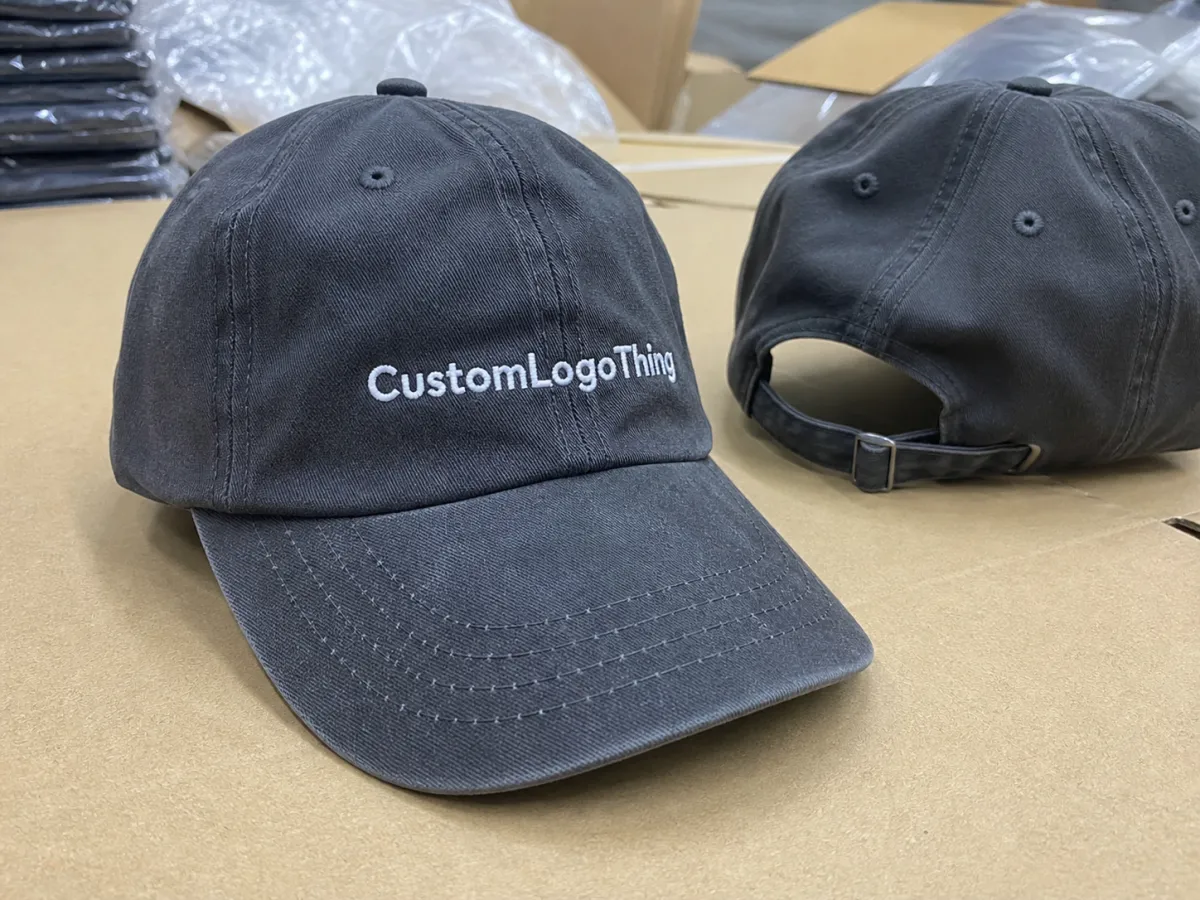
The first thing a sample exposes is structure, not the logo. A dense embroidery file can pull on a front panel, especially on caps with a firm insert or a taller crown. What looks balanced on screen can shift once thread tension starts working against the fabric. Letters can flatten, curves can tighten, and the panel can ripple in the exact spot the client wanted to keep clean.
That is why the electronics Embroidered Baseball Caps material sample guide is useful for buyers who need a crisp corporate finish. Electronics branding usually favors sharper edges, restrained color, and a disciplined visual field. A sample shows whether the artwork still reads at actual size, whether the crown supports the stitch pattern, and whether the cap feels comfortable enough to keep in rotation.
Samples matter most when the build is changing. New fabric, a larger logo, more thread colors, or a switch from low-profile to structured all raise the risk of a bad result. Even a minor digitizing adjustment can change how the thread sits and how the light catches it. That small change may look harmless in a file and obvious in hand.
For electronics programs, a sample is usually worth the extra step in these situations:
- The fabric is new or untested on the cap style.
- The logo includes fine type, thin outlines, or small icons.
- The cap will be worn in customer-facing or executive settings.
- The thread palette uses several colors that must stay accurate.
- The brand has a fixed presentation standard across regions or teams.
Buying the sample is really buying certainty. That is the practical version.
How Fabric, Structure, and Stitching Work Together
A cap is a system, not a blank surface. Crown fabric, reinforcement, stitch density, visor shape, sweatband construction, and closure hardware all influence the final result. If one part is out of balance, the logo can look heavy or the cap can feel awkward after a few hours of wear.
Cotton twill remains one of the safest choices for clean embroidery because it offers enough body to hold stitch tension while still feeling natural. Polyester twill usually gives excellent dimensional stability and resists moisture, which makes it a practical option for active staff or outdoor use. Brushed cotton feels softer, but the surface nap can slightly mute micro-detail. Ripstop is durable and lightweight, although its grid texture can compete with fine embroidery. Performance blends can work well, but they need extra testing because stretch and slickness increase the chance of puckering.
Structure changes the result just as much. A structured front with buckram or similar support keeps the embroidery field flatter, so the logo usually comes out sharper and more predictable. An unstructured crown drapes more naturally and feels relaxed, but it also gives the stitch pull more room to alter the shape. That matters if the design is wide or heavily filled.
Stitch density is another hidden variable. More stitches can improve coverage and make a logo feel richer, but they also add stiffness. On a sample, that shows up fast. The front panel may stand a little taller, the crown may lose softness, and the cap can start to wear more formally. That is not a defect if the buyer wants it; it becomes a defect when nobody planned for it.
Watch the details that get missed most often:
- Sheen under bright light can make the thread look brighter or flatter than expected.
- Edge crispness shows whether the digitizing and backing are working together.
- Seam interaction matters if the artwork crosses a front seam or sits close to it.
- Panel tension can make the logo drift if the crown is not holding its shape.
Packaging matters during sampling too. A crushed cap in transit is hard to judge fairly. Samples packed in corrugated cardboard with kraft paper or recycled tissue hold their form better and give a truer read. If the program expects ISTA-style transit testing, or if the brand wants FSC-certified paperboard, that needs to be part of the sample brief from the start.
Choosing the Right Materials for a Clean Corporate Finish
For electronics brands, the safest choice is usually the one that helps the logo read clearly and keeps the cap looking composed from a few feet away. That means favoring material stability, color consistency, and a smooth embroidery field over novelty textures. A cap can be memorable for the wrong reason. That rarely helps a corporate program.
Matte fabrics often photograph better and present better in meetings, event booths, and sales kits. Too much sheen can make the cap feel less controlled, especially under overhead lighting. I have seen buyers approve a glossy sample in a soft room and dislike the same piece later under retail lights or direct sun.
Color affects the approval process as well. Lighter caps make registration issues easier to spot because the thread edges stand out. Darker caps can hide tiny flaws, but they may also mute small text or thin line work. If the logo is detailed, a medium-toned body often gives the most honest read of both thread color and stitch density.
Closure hardware matters more than many teams expect. A snapback is fast and familiar, but it can feel bulkier at the back. A strap-back with a metal buckle usually looks more refined, though it can add cost and a little weight. Low-profile adjustment systems are comfortable for daily wear, but they should be checked against long hair, safety glasses, and headset use.
Comfort should not get lost in the branding discussion. A cap that looks excellent on a table sample but runs hot in the field tends to disappear into a drawer. For long shifts, service work, warehouse use, or event staffing, fabric weight and sweatband construction matter as much as logo sharpness. Buyers often spend all their time on the front panel and then discover the wearer has a different problem.
The comparison below shows how sample behavior often shifts across common cap fabrics:
| Material | Embroidery behavior | Typical sample risk | Relative cost impact |
|---|---|---|---|
| Cotton twill | Stable with clean stitch edges | Low puckering risk | Usually moderate |
| Polyester twill | Sharp detail and strong shape retention | Low to moderate sheen | Usually moderate |
| Brushed cotton | Softer hand, slightly muted fine detail | Surface nap can soften edges | Moderate to slightly higher |
| Ripstop | Durable, but texture can compete visually | Fine logos need extra testing | Moderate to higher |
| Performance blend | Wearable, but more sensitive to stitch pull | Stretch and puckering need checks | Often higher |
That is the real value of the electronics Embroidered Baseball Caps material sample guide: it matches material behavior to the brand outcome. If the brief calls for a crisp, technical look, a stable twill with restrained thread sheen usually beats a stylish but unstable fabric.
Sampling Process and Turnaround: From Swatch to Approval
A useful sampling process starts with a complete intake. Before any sample is cut, the supplier should have the cap style, panel count, fabric, closure, logo placement, thread colors, backing preference, and any brand rules that apply. If those basics are vague, the sample turns into guesswork instead of a test.
The flow is usually straightforward: digital mockup, material selection, stitch-out, fit review, photo or physical approval, and then a pre-production sample if the order is more complex. That sequence matters. If the mockup is wrong, the sample is harder to evaluate. If the stitch-out is right but the closure or crown profile is off, the cap still misses the brief.
Turnaround depends on stock and revision count. A simple stitch sample made from stocked materials can often be finished in 7-10 business days. A more exact pre-production sample with custom trims, special closures, or multiple logo positions can stretch to 12-15 business days or longer. Add shipping and internal review time, and the calendar grows quickly.
That is where buyers lose time. In many programs, the sample itself is not the delay. Feedback is. One reviewer wants a different thread finish, another wants the crown lower, and a third changes the closure after seeing the first sample. The order sits still while everyone agrees on the same cap.
There is also a real difference between a visual reference and a true pre-production sample. A reference sample may be enough to show color and shape. A pre-production sample should match the final build much more closely, with the same decoration method and as many final components as possible. If finish, fit, and production behavior all matter, request that version.
Packaging should stay simple and protective. A cap folded badly in transit can make a good crown look short or distorted. Using kraft paper, recyclable inserts, or biodegradable packaging keeps the sample presentable without much added complexity. If the brand wants a sustainability angle, confirm whether the mailer uses FSC-certified paperboard or post-consumer waste content so the sample package matches the message.
That is the cleanest way to use the electronics Embroidered Baseball Caps material sample guide: clear specs, realistic timelines, and a physical sample built from the right materials instead of a polished rendering that hides the real behavior.
Cost, MOQ, and Quote Drivers to Compare
Price is driven by more than the cap blank. The blank matters, but so do embroidery complexity, the number of thread colors, digitizing, setup work, sample method, special trims, labels, and packaging. A single-location logo on a stocked cap is a different job from a multi-color, high-density design with custom hardware.
MOQ usually follows material availability and setup, not just the embroidery. If the cap body is a stocked style, the minimum may stay reasonable. If the buyer wants a custom fabric or private-label trim, the MOQ can climb because the base components need to be committed in larger quantities. That is often where surprise costs begin.
Small changes add up. A second fabric option may require another stitch-out. A different backing can mean another test. Rush timing increases labor and freight. A few revision rounds can move the budget more than the decoration itself.
Use the comparison below to keep quote reviews grounded:
| Quote Driver | What Changes | Typical Impact | Buyer Check |
|---|---|---|---|
| Simple stitch-out sample | One logo, stock cap body | $25-$75 sample fee is common | Ask whether the fee is credited back on the bulk order |
| Pre-production sample | Closer to final materials and trim | $75-$150 is common on more exact builds | Confirm whether closures and labels match production |
| Multiple logo options | More stitch-outs and approvals | Added labor and lead time | Request side-by-side comparison photos |
| Special packaging | Kraft paper, inserts, branded mailers | Small but real cost increase | Clarify recycled or FSC-certified specs early |
| Rush turnaround | Priority scheduling and freight | Often 10%-25% more, depending on the schedule | Get the delivery window in writing |
For unit pricing, small changes can move the number noticeably. A basic decorated cap may sit in one range, while a more detailed cap with denser embroidery, premium closure hardware, or specialty labels can rise by $0.20-$0.80 per unit or more at scale. Quantity, artwork size, and manual handling all affect the total.
Compare only like for like. Same silhouette. Same placement size. Same thread count. Same sample depth. If those pieces differ, the quote comparison is not useful.
Common Sample Mistakes That Skew the Final Look
The biggest sample mistake is judging it under the wrong light. Daylight, office fluorescents, warehouse lighting, and retail lighting all change how thread color reads. A navy cap can look nearly black in one room and clearly blue in another. Silver thread can look crisp in sunlight and flat under warm lamps. If the final use is a showroom, an office, or field work, review the sample there.
Another common error is judging only the first photo or only the first physical sample. Small changes in stitch density, backing, or panel tension can shift the final look enough that the first version is not representative. A useful review is calm and methodical. Look at the logo, then the panel, then the fit, then the closure, then the packaging. Rushing through those steps invites rework later.
Hand feel also gets misunderstood. A fabric can feel premium and still embroider poorly. It can feel soft and still hold a logo cleanly. Those are separate questions. Buyers sometimes choose a material because it feels nice in hand and then discover it distorts the stitch field. That is a costly way to learn the difference.
Color is another trap. A screen render is not a thread chart. If brand color matters, request a Pantone check or a physical thread comparison before approval. That one step prevents more arguments than most revision rounds. The same applies to logos with tiny type or very thin outlines. If the artwork is close to the legibility limit, the sample should prove it before the bulk order starts.
Fit issues slip through too easily. A crown that sits too shallow may look sharp in a flat lay and awkward on a real head. A closure that feels bulky can irritate the wearer. A sweatband that presses too hard becomes a complaint after one long shift. The sample should be worn, not just viewed.
That is why the electronics Embroidered Baseball Caps material sample guide pays off. It keeps the decision tied to how the cap will actually function, not only how it looks in a proof.
Expert Tips and Next Steps for a Faster Approval
If the budget allows, ask for one sample built as close to production as possible and a second comparison option that tests a different fabric or backing choice. That small addition can answer a lot of questions before the bulk run starts. It is easier to compare two real caps than to debate a stack of opinions around a render.
Check the logo at actual size, not only at mockup scale. Many designs look balanced when enlarged on-screen, then lose clarity once they are reduced to a real front panel. Fine outlines close up. Tight letter spacing can fill in. Thin shapes sometimes disappear against a darker fabric. The sample should show the finished artwork at usable size.
For remote review, ask for front, side, and close-up photos. Add notes on any deviation from the spec, even if it seems minor. That keeps internal reviewers aligned without guessing whether a thread shift was intentional or a production miss. Clear notes usually help more than a polished sales explanation.
A simple approval checklist keeps the process moving:
- Fabric matches the agreed material and hand feel.
- Crown shape matches the expected height and profile.
- Stitch quality is clean, balanced, and free of distortion.
- Color match holds up under the intended lighting.
- Closure feels comfortable and looks finished.
- Packaging protects the cap and fits the brand image.
Ask how the sample is packed and shipped before approval. If the cap arrives crushed, you are not judging the same product the end user will receive. A better package uses sturdy corrugated cardboard, clean kraft paper, and, if needed, inserts made from recycled materials. That keeps the cap presentable while supporting brands that want biodegradable packaging or documented paper sourcing.
Then move in a straight line: send the spec sheet, request the sample set, compare it against a real use case, confirm the quote, and approve only after the electronics embroidered baseball caps material sample guide has done its work. That is the cleanest way to avoid expensive rework and keep the final order looking like it belongs to a serious electronics brand.
FAQ
What should an electronics embroidered baseball caps material sample include?
It should include the exact cap fabric, crown style, closure type, thread colors, and embroidery placement so the sample reflects the real production build. Ask for notes on backing, stitch density, and any reinforcement used, because those details affect both appearance and comfort. If possible, compare the physical sample with the spec sheet and artwork proof together so color, fit, and finish can all be checked at once.
How long does a sample usually take for embroidered baseball caps?
Simple samples made from stock materials are often completed faster than custom builds, while special fabrics, artwork revisions, or multiple approvals add time. A basic stitch sample can often move through in 7-10 business days, while a more exact pre-production sample may take 12-15 business days or longer. Shipping and internal review time should also be built into the schedule.
Which fabrics are easiest to embroider cleanly on cap samples?
Stable fabrics like cotton twill and polyester twill usually give clean results because they hold stitch tension well. Slick or very stretchy performance fabrics can still work, but they usually need more testing to avoid puckering or logo distortion. If the logo has fine detail, choose a fabric with enough body to keep the edges crisp after stitching.
How do MOQ and pricing change when I request more than one sample option?
Each added fabric or thread variation can increase setup time and sample cost because the decoration has to be tested again. The MOQ may stay the same, but the quote can rise if the sample requires extra revisions or special materials that are not stocked. Ask whether sample fees can be credited back on the bulk order so you can compare options without losing budget efficiency.
What should I check before approving a cap sample for production?
Check logo clarity, stitch alignment, color accuracy, crown shape, and how the cap feels when worn for an extended period. Review the sample under the lighting where it will actually be used, because the finish can look different in office, retail, or outdoor settings. Confirm that the sample matches the intended packaging and presentation so the final order does not need last-minute fixes.


