This apparel Pom Pom Beanies Material guide starts with a practical surprise: two beanies can use the same acrylic yarn and still feel completely different once the knit gauge, cuff structure, and pom attachment change the drape. From a packaging buyer's point of view, that difference matters fast, because the hat that looks fine in a flat photo may sit too loose, feel too stiff, or lose its shape after a few wear cycles.
When buyers spec these styles for cold-weather retail, team merchandise, giveaways, or uniform use, the real decision is not just "what fiber is it?" It is the full build: the shell yarn, the cuff construction, the pom style, and any liner or interior finish that changes warmth and comfort. Get those pieces right up front, and the rest of the project becomes much easier to quote, sample, and ship without surprises.
Apparel Pom Pom Beanies Material Guide: What Matters First
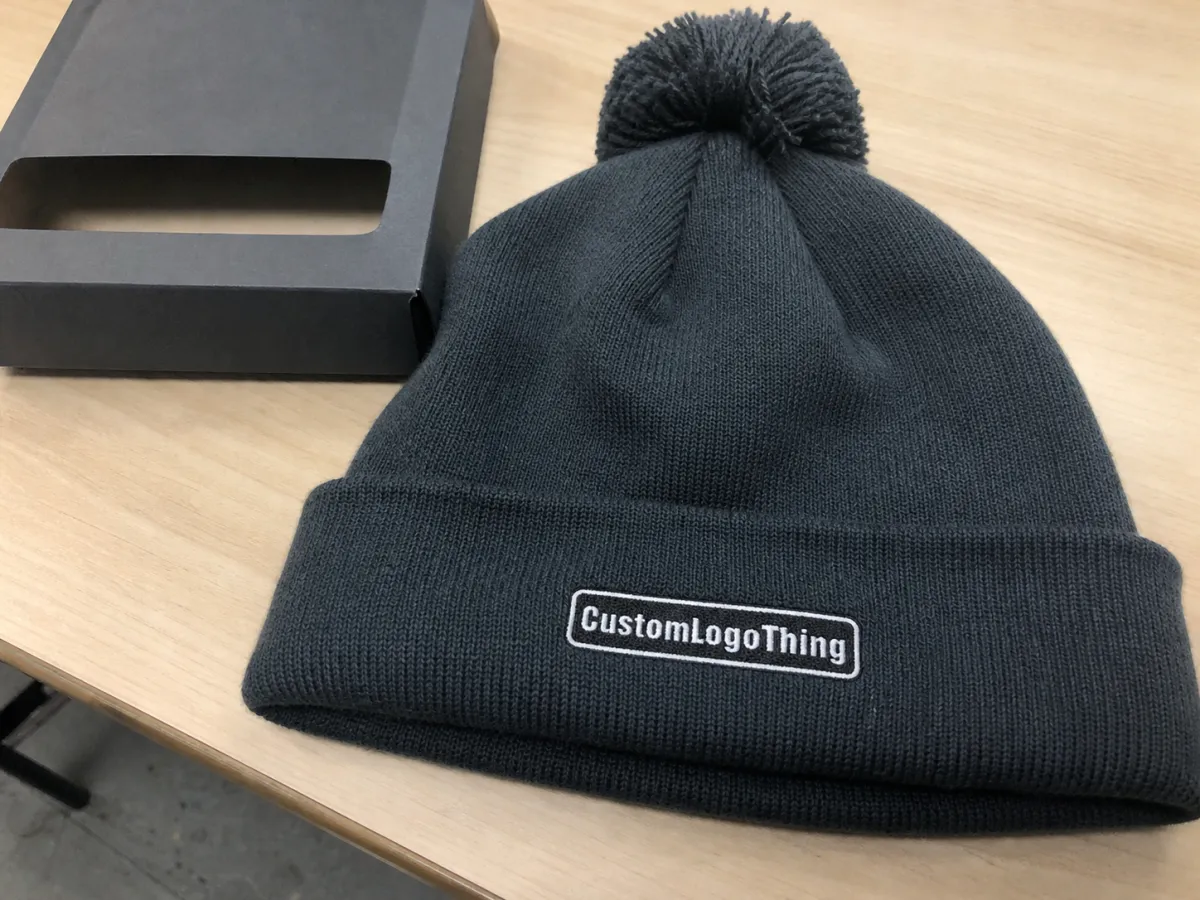
Honestly, I think buyers get tripped up because the word "material" gets used too loosely. In practice, an apparel pom pom beanie is a system, not a single fabric choice. The yarn sets the base hand feel, the knit structure sets the shape, the cuff controls how the hat sits on the head, and the pom adds weight, volume, and personality. If one of those parts is out of balance, the whole piece feels off.
For a clean comparison, start with four questions. What is the shell yarn? How is the cuff built? What kind of pom is attached? Is there any liner, fleece band, or brushed interior finish? Those answers tell you far more than a generic "acrylic beanie" label ever will. A buyer who can answer those questions in the brief usually gets tighter quotes and fewer sample revisions.
Use case matters just as much as fiber content. A promotional beanie for an outdoor event can tolerate a simpler knit and a standard pom if the goal is volume and price control. A retail style needs better stitch consistency, sharper color matching, and a silhouette that holds up on a shelf. Uniform use sits somewhere in the middle, where comfort and repeatability matter more than novelty.
A good Apparel Pom Pom Beanies material guide also connects the product to the rest of the program. If the hats will ship folded into corrugated cardboard master cartons, you want a material that rebounds after compression. If the line needs a retail presentation, you may care about FSC certified hangtags, kraft paper bands, or recycled materials in the packaging. Those details are small individually, but together they shape buyer perception.
The cheapest yarn is not always the cheapest beanie once returns, rework, and unhappy wearers enter the picture.
The key is to spec the whole build, not just the fiber name. That is the difference between a hat that photographs well and a hat people actually keep wearing.
How Knit Structure, Gauge, and Pom Attachment Work Together
Knit gauge changes the personality of a beanie more than most buyers expect. A chunkier 5-gauge build feels substantial, warm, and a little more casual, while a finer 9-gauge or 12-gauge knit usually looks neater and more retail-ready. Dense stitches improve coverage and can help with wind resistance, but they also reduce breathability and can make the hat feel firmer on the head. Looser knits stretch more easily, yet they may lose silhouette faster if the yarn has poor recovery.
The fiber choice sits on top of that structure. Standard acrylic is popular because it is light, color-friendly, and predictable in bulk production. Wool and wool-blend yarns bring a more natural warmth and a richer hand, but they can cost more and may require better care instructions. Recycled polyester or recycled acrylic blends can be a useful middle ground, especially when a brand wants a sustainability story without moving into a luxury price tier.
Pom construction changes both appearance and durability. A sewn-on faux fur pom gives strong visual impact and usually feels premium, but it should be anchored well so the crown does not distort. Knit poms are lower profile and often easier to color match to the body, though they can look less plush. Detachable poms help with washing and styling, but the attachment system adds labor, hardware, and another point of failure if the spec is vague.
Decoration needs to match the surface. A woven label on the cuff usually stays sharp and readable. Embroidery can work nicely on a stable rib knit, but dense or fuzzy surfaces will blur fine text. Patches are a smart choice when the beanie is thick enough to support them without puckering. If the crown is highly textured, test the logo on a sample before you sign off on the bulk run. That single step saves a lot of disappointment.
Wear behavior matters too. Shrinkage, pilling, and color inconsistency often show up after the first stretch, not in a clean showroom sample. If the beanies will be worn hard, ask for basic wash and abrasion checks, and do not rely only on visual approval. Even a short round of testing, aligned with standard methods such as ASTM pilling or dimensional stability checks, can reveal whether the yarn and knit are suited to the job.
Cost, MOQ, and Unit Pricing Factors to Compare
A clear Apparel Pom Pom Beanies material guide should help buyers compare quotes without mixing apples and oranges. Fiber cost is one driver, but it is not the only one. Acrylic usually sits at the lower end of the price range because it is widely available and easy to process. Wool, alpaca content, and specialty blends tend to push unit price upward. Recycled materials can land in the middle or upper-middle depending on the source fiber, yarn consistency, and the supplier's finishing process.
Labor complexity matters almost as much as yarn cost. Multiple color changes, custom cuff heights, pom matching, woven labels, embroidery, and detachable trim all add handling time. That is why MOQ can rise even when the raw material itself is not especially expensive. The factory is not just selling yarn; it is selling machine time, finishing time, and quality control time.
| Build Option | Typical Unit Price at 5,000 pcs | MOQ Pressure | Best Fit | Watch-Out |
|---|---|---|---|---|
| 100% acrylic, mid-gauge, standard sewn label, basic pom | $3.10-$4.20 | Low to moderate | Giveaways, team merch, value retail | Can feel basic if the knit is too loose |
| Wool/acrylic blend, tighter gauge, faux fur pom, woven label | $4.60-$6.80 | Moderate | Winter retail, premium promotions | More care needed on color matching and shrink control |
| Recycled blend, simple knit, cuff embroidery, standard pom | $3.40-$5.00 | Moderate | Brand programs with recycled materials messaging | Ask what recycled content actually means |
| Premium retail build with liner, heavier knit, detachable pom | $6.50-$9.50 | Higher | Higher-margin retail and gift programs | More sampling, more approvals, more time |
Those numbers are useful only if the spec is consistent. A quote for a lined beanie packed loose is not the same as a quote for one packed with corrugated cardboard inserts and kraft paper separators. Packaging can add a little cost, but it also protects shape, reduces crushing in transit, and makes the product easier to unpack at receiving. If the brand wants lower-waste presentation, ask whether the packing plan can use FSC certified paper components or biodegradable packaging where appropriate, as long as the claims are documented correctly.
Samples are another place where price gets misunderstood. A prototype may cost $35-$120 depending on the knit, pom, and label complexity, and that cost often goes up if the factory needs to source custom yarn first. In bulk, a clean spec usually saves more than a hard bargain on a vague quote. If a supplier cannot tell you the yarn blend, gauge, pom method, and finishing plan in the quote, the quote is not ready for a fair comparison.
Process and Lead Time: From Sample to Shipment
The production path is usually straightforward, but every step has a chance to add time. It starts with the brief and spec sheet, moves into yarn sourcing and sample knitting, then into approval, bulk knitting, pom attachment, finishing, inspection, packing, and outbound shipping. If the design is simple and the yarn is already available, the process can move fairly quickly. If the program needs custom color matching, a new liner, or a revised pom style, the calendar stretches.
For most buyers, the biggest schedule risks are not dramatic factory problems. They are small delays that stack up: artwork revisions, slow sample comments, pom color changes, and late decisions on label placement. A beanie that gets approved on paper but revised after the first sample can easily lose a week or more. If the delivery date matters for a seasonal launch, lock the materials first and the small creative tweaks second.
Ask for the timeline in stages. How long for the first sample? How long after approval for bulk production? How many business days for inspection and packing? What shipping method is assumed in the quote? Those questions sound basic, but they prevent a lot of confusion later. If the hats need to arrive retail-ready, the packing spec should be part of the timeline, not an afterthought.
For transit testing, the ISTA methods are a sensible reference point because they focus on how packaged goods survive handling, vibration, and compression. That matters for apparel too, especially if the beanies are boxed in large carton counts and must arrive with the pom shape intact. A supplier that already understands carton sizing, void fill, and pallet stacking will usually protect your schedule better than one that treats shipping as an afterthought.
Late changes to materials or decoration can reset the schedule, even when the body knit is already approved. A different yarn may need a fresh dye match. A new pom style may need a new attachment test. A liner change may alter fit enough to require another sample. Once the production line is running, the cheapest move is to avoid those changes. Decide early, approve carefully, and keep the spec tight.
Choosing the Right Materials for Warmth, Fit, and Decoration
Different programs call for different priorities, and this is where the apparel Pom Pom Beanies material guide becomes more than a fiber comparison. Outdoor promotions need warmth and decent recovery, but they also need a price that survives a big order. Retail winter collections need visual depth, richer hand feel, and a silhouette that reads premium on a shelf. Employee apparel needs comfort and repeatability, because the same style may be ordered again and again. Kid-focused styles usually need softer touch, secure pom attachment, and a fit that does not feel heavy.
Acrylic is still the workhorse choice for many buyers because it holds color well, is easy to wash, and can hit a friendly price point. Wool blends make more sense when the brief asks for warmth and a natural, slightly textured look. Recycled blends are useful when the brand story includes recycled materials or post-consumer waste, but I would still ask for the exact content breakdown before assuming the sustainability claim is strong enough for packaging and retail copy. The word "recycled" by itself is not enough; the source and percentage matter.
Fit is often overlooked, yet it changes how premium the beanie feels. Crown depth should match head size without collapsing over the eyes. Cuff height should balance logo visibility with comfort. Stretch recovery should be strong enough that the hat returns to shape after wear, not just after the first try-on. If the style includes a liner, make sure it adds warmth without turning the crown bulky. The best beanie looks intentional, not overbuilt.
Decoration and merchandising tie into the material choice more than many buyers expect. A dense knit can make a woven label look cleaner. A softer faux fur pom can lift a simple acrylic body into a more retail-ready product. A brushed interior can make the hat feel more expensive even if the outer shell stays simple. If the goal is shelf appeal, texture matters. If the goal is event wear, consistency matters more. Same silhouette, different priorities.
For packaging, I like to keep the finish aligned with the material story. A beanie built from recycled materials can be presented in kraft paper wraps or FSC certified paperboard inserts without feeling overdesigned. If the program wants lower plastic usage, ask whether the carton plan can shift toward recycled corrugated cardboard and cleaner void fill. The packaging should support the product story, not fight it.
One last practical note: if the style is going to be sold alongside outerwear or winter accessories, the pom and cuff texture should photograph well under store lighting. In that setting, a slightly richer yarn or a better pom can lift the whole line more than a complicated knit pattern ever will.
Common Material Mistakes That Cause Rework
The most common mistake is choosing on hand feel alone. A yarn can feel pleasant in a swatch and still fail once it is knitted into a full beanie, stretched over a head, and worn through a cold day. That is why sample review should include stretch, rebound, and a quick look at how the cuff sits after handling. The full shape tells the truth better than a palm-sized swatch.
Another common problem is an oversized faux fur pom on a loose knit body. It looks dramatic in a photo, but the weight can pull the crown out of balance and make the hat sit awkwardly. If the knit is open or soft, either reduce the pom size or tighten the body structure. Balance matters. A beanie should feel like one product, not two parts fighting each other.
Color and finish issues also cause rework. Dark colors may show lint more easily, while lighter shades can expose uneven dye lots. If the order includes multiple colors, ask for lab dip approval or a physical strike-off where possible. Consistency is particularly important in bulk runs for corporate or retail programs, because buyers compare pieces side by side much more than end consumers do.
Do not ignore pilling, shrinkage, or color bleed just because the first sample looks clean. Beanies get rubbed against coats, bags, and hair, and that wear shows up fast. If the decoration is too fine for the knit surface, the logo can blur after only a few wears. In other words, a nice mockup does not guarantee a durable product. It only proves the artwork can be placed.
Here is the simplest way to avoid rework: define the actual use case, not just the style. A charity giveaway, a retail floor display, and a uniform program do not need the same fiber or the same pom attachment. The more clearly the use case is written, the less likely the supplier is to guess wrong.
Buyers usually regret the spec they did not write, not the one they over-explained.
Next Steps: Build a Spec, Request Swatches, and Quote Smart
The cleanest way to move forward is to turn your idea into a working spec before asking for prices. Start with the must-haves: target warmth, target price, decoration method, preferred hand feel, and any packaging requirements. If the beanies must arrive retail-ready, say so. If the line needs to use FSC certified paper components, recycled materials, or a lower-plastic shipper plan, say that too. Clear inputs make clearer quotes.
Then ask for swatches or a prototype. You want to see the actual yarn, not a description of the yarn. You want to feel the stretch, check the cuff height, judge the pom quality, and look at the color in real light. If the beanies are going to be washed, ask whether the sample has been tested for shrinkage or pilling. If the hats will travel in stacked cartons, confirm that the packing method protects the crown shape.
Compare suppliers with the same checklist so the numbers mean something. Ask every vendor the same questions about gauge, yarn blend, pom attachment, label type, sample cost, bulk unit price, MOQ, approval steps, and lead time. That approach makes it much easier to see who is quoting the same product and who is quietly quoting a different one. A smart buyer does not chase the lowest headline number; they compare the full build.
If you keep the spec tight, the process gets simpler at every stage. Sampling is cleaner. Pricing is easier to read. Packaging is easier to plan. And the final result is much more likely to look and wear the way you expected. That is the whole point of this apparel Pom Pom Beanies Material guide: choose the build first, then buy with confidence.
What materials work best for apparel pom pom beanies?
Acrylic is the most common choice for value-driven programs because it is soft, easy to color-match, and generally affordable at scale. Wool or wool-blend options feel warmer and more premium, but they usually cost more and may need clearer care instructions. Recycled or specialty blends can make sense when sustainability or a specific hand feel is part of the brief.
Are acrylic or wool blends better for apparel pom pom beanies material choices?
Acrylic works well when budget, consistency, and easy washing matter most. Wool blends are a stronger choice when warmth, natural texture, and a higher-end retail feel matter more. The better option depends on how the beanie will be used, not just on the fiber name.
How does material choice affect beanie cost and MOQ?
Higher-cost yarns, liners, and pom styles increase unit price quickly, especially on smaller runs. Complex knit structures and multiple color changes add labor, which can push MOQ requirements upward. A simple, well-defined spec usually gets cleaner quotes than a vague request.
What should I ask for before approving a custom pom pom beanie sample?
Ask to see the exact yarn, pom style, cuff height, and decoration method that will be used in bulk production. Check fit, stretch recovery, color accuracy, and how the pom sits after handling. If the beanies will be washed, ask whether the sample has been tested for shrinkage or pilling.
How long does custom apparel pom pom beanies production usually take?
Timeline depends on sample approval speed, material availability, and how many revisions are needed. Simple orders move faster than styles with liners, complex knit patterns, or custom pom matching. Build extra time into the plan if the delivery date is tied to a seasonal event or launch.

