Beer embroidered Beanies Unit Cost Review is really a buying decision about value, not just price. A slightly higher unit cost can still win if the beanie is warm, wearable, and visible long after a taproom event or winter launch. The key is whether the item will be worn enough to justify the spend.
For breweries, taprooms, festivals, staff uniforms, and retail bundles, embroidered knit headwear often outperforms a cheaper promo item because it survives the season. That durability lowers cost per wear and improves the odds that the logo gets seen again and again.
The right question is not just “what is the quote?” It is “what does that quote include in material quality, decoration, setup, and freight?” Read a beer embroidered Beanies Unit Cost Review with that frame and the numbers become easier to judge.
Why embroidered beer beanies convert better than one-off merch
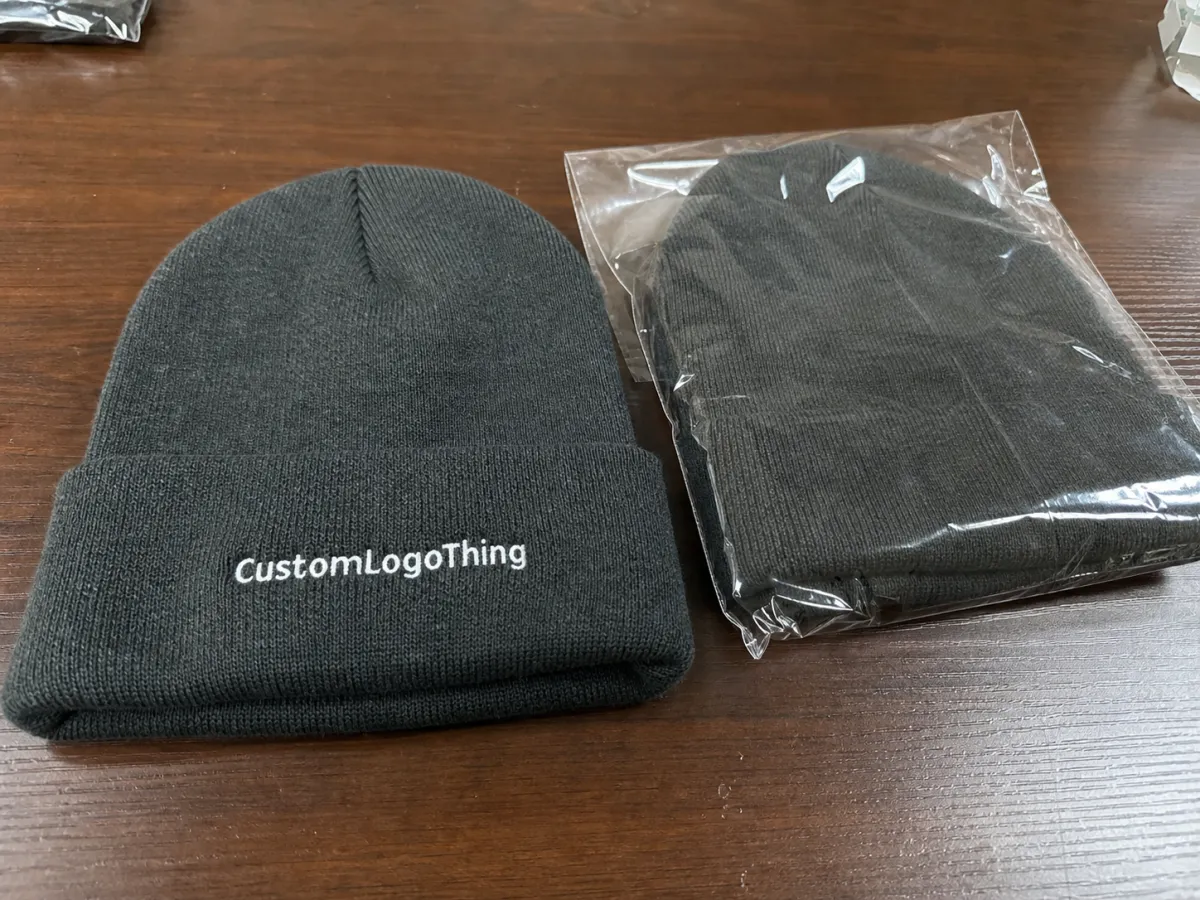
Beer-themed beanies work because they are practical first and promotional second. People wear them in cold weather, at the venue, and after the event. That repeat use matters more than a one-time giveaway because every wear creates another impression.
Embroidery helps because it adds texture and a finished look that suits knit fabric better than many print methods. It also tends to hold up better on cuffs and stretch areas that rub against jackets, bags, and hands.
That changes the economics. A lower-cost item that gets used once is usually worse value than a beanie that gets worn all winter. For that reason, a beer embroidered Beanies Unit Cost Review should weigh lifespan, not just invoice total.
- Brewery taprooms: can be sold as retail stock or used for staff.
- Seasonal bundles: pairs well with cans, glasses, or gift boxes.
- Winter festivals: works as a premium giveaway people keep wearing.
- Uniform programs: gives staff a consistent cold-weather look.
The mistake is comparing items only by acquisition cost. A beanie with stable pricing and durable decoration can be the better spend because it keeps working after the launch is over.
Embroidery placement, knit style, and art that reads cleanly
The main placement choices are center-front cuff embroidery and side placement. Center-front gives the strongest visibility when the goal is brand recognition. Side placement can feel more retail-friendly and less promotional. The better choice depends on whether the beanie is for staff, sales, or giveaways.
Logo size matters just as much as placement. Knit fabric is textured and flexible, so small text and thin outlines can disappear. Bold shapes, limited words, and strong contrast usually read best. A simple hop icon or short brewery wordmark will usually stitch more cleanly than a detailed illustration.
Artwork should be built for thread, not copied from a web header or social graphic. Vector cleanup often reduces stitch issues and keeps the final unit cost from rising due to extra digitizing time or redesign work.
A strong embroidery file is a production file. If the logo cannot survive the move from screen to stitches, it is not ready for bulk ordering.
For buyers using cartons, inserts, or retail sleeves, packaging should be defined early. If hats are being packed for shipping, the transit testing standards at ISTA are a useful reference. If recycled-content or disposal claims appear on inserts, check EPA's Sustainable Materials Management guidance before approving the final package.
Yarn, stitch count, and finish specs that affect quality
Most custom beer beanies use acrylic, wool-blend, or recycled yarn. Acrylic is usually the lowest-cost and most predictable option. Wool-blend can feel warmer and more premium, but it often raises the base price. Recycled yarn can support a sustainability story, though color matching and availability may be tighter.
Cuff style also affects results. A ribbed cuff gives the embroidery a more stable surface, which usually helps the logo stay crisp. Slouch beanies have a more relaxed look, but the placement area is less controlled. For bulk orders, one-size construction keeps the order simple.
Stitch density matters because knit structure changes how embroidery sits. A tighter knit can support finer detail, while a looser knit may need a larger, simpler mark so the thread does not sink into the fabric. That is why the same logo can look better on one beanie style than another.
Other spec choices affect both quality and cost:
- Thread count: more changes can slow production.
- Thread finish: matte reads softer; glossy stands out more.
- Patch vs direct embroidery: patches help when knit is too loose.
- Woven labels: useful for retail presentation or inside branding.
- Packaging: polybags, hang tags, and inserts add labor and freight weight.
Quality control should match the spec. Check stitch registration, thread tension, edge cleanup, and the reverse side of the embroidery. If a sample puckers or distorts before production starts, the bulk run will not fix itself.
Beer embroidered beanies unit cost review: pricing, MOQ, and quote math
This is the section that usually decides whether the order makes sense. A beer embroidered beanies Unit Cost Review should separate the hat price, decoration, setup, packaging, and freight. If only the base number is considered, the landed cost can be much higher than expected.
Pricing improves as quantity rises because digitizing and setup are spread across more units. A practical MOQ often starts around 50 to 100 pieces, but the exact threshold depends on the supplier, the decoration method, and whether the materials are in stock.
| Order Tier | Typical Unit Cost | Common Setup/Digitizing | Notes |
|---|---|---|---|
| 50 pieces | $6.40-$8.20 | $35-$75 | Best for testing demand or small events |
| 100 pieces | $4.90-$6.20 | $25-$60 | Often the first tier where branding feels efficient |
| 250 pieces | $3.85-$4.95 | $15-$45 | Common for retail and seasonal promo runs |
| 500 pieces | $3.20-$4.25 | $0-$35 | Usually the strongest balance of bulk pricing and flexibility |
These are working ranges, not fixed rates. A simple one-color icon on a stock cuff beanie will price differently from a multi-color brewery logo on a premium yarn style. The point is to compare tiers, not accept the first quote as final.
Ask the supplier to itemize the order clearly:
- Base beanie price: the hat before decoration.
- Decoration cost: embroidery, patch application, or label sewing.
- Tooling fees: digitizing and artwork prep.
- Packaging charges: polybag, tag, sticker, or insert card.
- Freight and duties: the landed cost per piece.
That breakdown makes comparison easier. A quote that starts at $4.10 can become $4.85 once freight and packaging are added. On a 250-piece order, that gap matters.
It also helps to compare at least three tiers, usually 100, 250, and 500 units. Sometimes 250 is the best balance of cash flow and inventory risk. Sometimes 500 drops the unit cost enough to justify stocking extra hats for the next seasonal window.
Quote rule of thumb: if the supplier cannot explain what changes the price at each tier, the quote is incomplete.
Production steps, proofing, and turnaround from brief to shipment
The production flow is usually straightforward: artwork intake, digitizing, proofing, sample approval, bulk production, quality check, and dispatch. Problems usually show up when one of those steps is skipped or rushed.
Timing depends mostly on approval speed and material availability. Clean artwork can move through proofing in 1 to 3 business days. Bulk production often takes 12 to 15 business days once the proof is approved, but delays happen if the logo is revised repeatedly or if a specific yarn color must be sourced.
Rush orders are possible, but they do not erase basic constraints. If the artwork needs cleanup, the thread color is unavailable, or freight routing is complicated, the schedule moves. A reliable supplier should explain what can be compressed and what cannot.
For event launches or retail drops, confirm the delivery window in writing. It should name the approval date, production start date, and ship date. Vague timing is how beanie orders miss the season.
A practical timeline usually looks like this:
- Digitizing and proofing: 1-3 business days for clean artwork.
- Sample check: longer if physical approval is required.
- Bulk production: commonly 1-2 weeks depending on volume and season.
- Shipping: depends on destination, carton count, and service level.
Quality control should happen more than once. Early review catches artwork issues, and final inspection catches loose threads, cuff inconsistencies, and color drift between cartons. A photo alone is not enough; the supplier should be able to explain how the order is checked before it ships.
What a reliable supplier should prove before you place the order
A good supplier should prove the work, not just promise it. That means sample photos, close-up stitch images, a line-by-line quote, and a clear answer on whether digitizing, setup, packaging, and freight are included.
Fast replies help, but accuracy matters more. If the supplier can tell you that a tiny logo needs simplification or that a multi-color version is too busy for knit fabric, that is a good sign. It means they are protecting the order rather than just trying to close it.
Use edge cases to test the quote. What happens if the logo has small text? Can two beanie colors be mixed? Does retail packaging change the price? The quality of those answers reveals a lot about the supplier’s process.
The cheapest quote can become the most expensive order if it causes rework, missed specs, or a late shipment. Clarity protects margin.
The supplier should also explain defect handling. If a thread snag, patch misalignment, or color deviation appears, what counts as acceptable and what gets replaced? That answer matters more than a polished sales deck because it shows whether the factory has a real inspection process.
Next steps to lock the right quantity and delivery window
Before requesting quotes, gather the final logo file, preferred beanie color, target quantity, and required delivery date. That simple set of inputs shortens back-and-forth and makes the quote more accurate from the start. It also makes the beer embroidered beanies Unit Cost Review easier because every price is based on the same assumptions.
Then compare multiple quantity tiers. The goal is not just the lowest unit cost. It is the right cost per piece without leaving too much dead stock. A 500-piece run can look attractive, but 250 may be the safer buy if demand has not been proven yet.
For detailed logos, approve a digital proof and, if possible, a sample before bulk production. That matters when the design includes a beer glass outline, hop cluster, or narrow wordmark. A little extra approval time can save scrap and rework later.
Use the beer embroidered beanies unit cost review as a planning tool. Choose the quantity that fits the campaign, confirm the timeline in writing, and reorder before the season opens. That is the most practical way to balance budget, inventory, and delivery risk.
Bottom line: the right beanie is not just a warm accessory. It is a repeat-use brand asset, and the best price review shows whether that asset is worth the spend before the order is placed.
FAQ
What changes beer embroidered beanie unit cost the most?
Quantity is usually the biggest lever because setup and digitizing costs get spread across more hats at higher volumes. Artwork complexity comes next: more stitches, more thread colors, and tiny details can raise the price. Yarn choice, packaging, and freight also move the landed cost even when the base quote looks stable.
What MOQ should I expect for custom beer embroidered beanies?
Many suppliers quote in tiers, with lower quantities available at a higher per-unit cost and better pricing at larger runs. A practical MOQ often starts around 50 to 100 pieces, but the exact number depends on the factory and decoration method. Ask for multiple tiers so you can compare the real cost difference before choosing the order size.
How detailed can the beer logo be on an embroidered beanie?
Bold shapes, thicker lines, and short text usually reproduce best on knit fabric. Very small type, thin outlines, and dense artwork can blur or lose definition when stitched. A vector cleanup or simplified embroidery version usually gives the cleanest result.
How long does production take after artwork approval?
The schedule usually includes digitizing, proof approval, bulk production, quality control, and shipping. Simple orders can move faster, but delays usually come from late proof approvals or artwork revisions. Ask the supplier for a dated production window before you commit to an event or retail launch.
Can I mix colors or sizes in one beanie order?
Color mix options are often possible, but the supplier may require each colorway to meet a minimum quantity. Most embroidered beanies are one size, so size mixing is usually less of a factor than color or logo variation. Confirm whether mixed options change the unit price before you finalize the purchase order.

