Ceramic Trucker Caps Unit Cost Review for Bulk Buyers
For bulk buyers, a ceramic trucker caps Unit Cost Review is really a review of the whole order structure: blank cap, decoration, packaging, freight, and any revision or sampling work. A quote can look low until patch setup, label changes, carton upgrades, and shipping are added back in. Once those items are visible, the “cheap” option is often not the lowest landed cost.
Why This Cap Style Stays Cost-Efficient at Scale
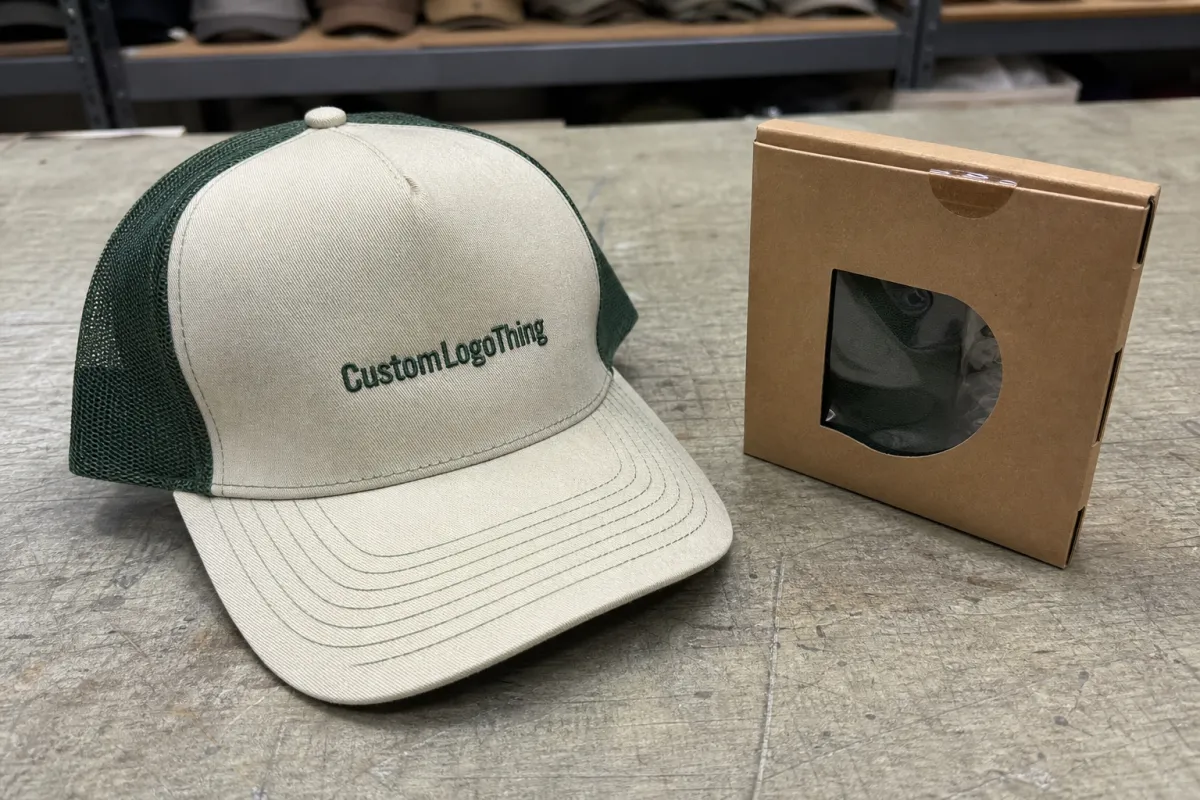
Trucker caps stay popular with volume buyers because the construction is efficient and the front panel gives a clean surface for decoration. The mesh back keeps material use lighter than many full-fabric caps, but the real savings come from how simply the build can be specified. When the cap, closure, and decoration are all kept standard, quotes are easier to compare and production is easier to control.
The blank price is only part of the picture. A cap with a slightly lower base cost can still end up more expensive once the order adds a woven patch, a printed inner label, special carton counts, or retail-ready packing. On smaller runs, those extras can outweigh any savings on the shell itself.
Small construction choices affect perceived value more than many first-time buyers expect. A firmer front panel, cleaner seams, and a better-shaped brim can make the cap feel more premium even when the material difference is small. Buyers usually notice structure before they notice thread count, which is why build quality matters as much as decoration.
A low quote only stays low when the same spec, packing, and freight assumptions are used for every supplier.
That is the core of a useful cost review. Compare the same closure, the same patch size, the same carton count, and the same shipment terms. Then the real price differences become visible instead of being hidden inside inconsistent assumptions.
Body, Mesh, and Decoration Choices That Change the Look
The main build decisions are straightforward: structured front or soft front, five-panel or six-panel crown, flat or slightly curved brim, snapback or strap closure, and the fit profile the buyer wants. Each one changes both the appearance and the cost profile. A structured front gives more logo presence; a softer front can feel less formal and often packs differently.
Mesh density is worth paying attention to. Tighter mesh usually looks cleaner and holds shape better, while looser mesh can feel lighter and more casual. That difference is subtle on a spec sheet but visible when the cap arrives. If the buyer says they want “better quality,” they usually mean stronger structure, cleaner finishing, and more consistent shape.
Decoration is where the look changes fastest. A woven patch gives sharp detail and neat edges, which suits text-heavy or small logos. An embroidered patch adds texture and a more classic headwear feel. Direct embroidery works well for simpler logos and can be efficient when the stitch count stays reasonable. Print-based methods fit flatter graphics or artwork with gradients, but they usually look less dimensional than stitched options.
Finishing details should not be treated as filler. Underbill color can matter in retail presentation, inner labels matter for private-label or compliance needs, and sweatband quality affects comfort. Packaging choices also change unit cost: individual polybags, stickers, hangtags, and master carton labels all add handling. For a buyer comparing options, these details are often where the budget moves more than in the base cap itself.
Material choices should be separated from decoration choices. A thicker front panel can improve perceived quality but may trap more heat. A softer sweatband can improve comfort but may twist if the material is too light. The lowest-friction purchase is not always the best long-term outcome if the cap is uncomfortable or inconsistent across the run.
Specs Buyers Should Lock Before Approving Proofs
Quotes go sideways when the spec is vague. Before approving a proof, buyers should lock the panel count, crown depth, brim type, mesh style, closure hardware, and any tolerance that affects fit consistency. If those basics are not confirmed, two suppliers may be quoting different products while using the same wording.
- Panel count: five-panel and six-panel caps create different front shapes and decoration areas.
- Crown depth: deeper crowns change fit and can affect how the cap sits on larger heads.
- Brim type: flat, slightly curved, or pre-curved brim shapes change both style and packing.
- Mesh style: denser mesh can look cleaner, while lighter mesh may reduce weight.
- Closure: snap, strap, or hook-and-loop closures each affect cost and finish.
- Labeling: woven, printed, or transfer labels can change setup charges and lead time.
Artwork details matter just as much as construction. Vector files reduce redraw time and help keep placement accurate. Patch size should be stated in clear measurements, not estimated from a screenshot. Thread colors need a reference standard, and placement should be measured from seam to center point so the finished product does not drift from sample to sample.
For repeat orders, buyers should also ask how the supplier handles color consistency, stitch density, sample approval, carton counts, and reorder labeling. If the first run is good but the second run changes in crown shape or patch placement, the supplier has not really solved the production problem.
If a revision is needed after sampling, confirm whether it is included or charged as a new sample step. That detail affects both cost and schedule, and it is one of the easiest places for a bulk order to lose control.
Ceramic Trucker Caps Unit Cost Review: What Drives Price
A serious ceramic trucker caps Unit Cost Review starts with the biggest levers first: quantity, decoration method, patch size, color count, and whether the order includes private labeling or custom packaging. Those factors create the largest swing in bulk pricing. If one supplier includes the cap body only while another includes the patch, label, and bagging, the quote comparison is not meaningful until the missing items are added back in.
Quantity matters because setup charges get spread across more pieces on larger runs. A 300-piece order usually carries a higher per-unit cost than a 3,000-piece order because artwork preparation, decoration setup, and packing labor take a similar amount of time. Mixed colorways and multiple logo versions can reduce some of that volume advantage by adding handling steps and production splits.
Packaging is another quiet cost driver. Individual polybags are inexpensive, but the labor adds up. Add a barcode sticker, hangtag, insert card, or custom header card, and a simple cap becomes a retail-ready item with a different production rhythm. The cap may only rise slightly in material cost while the labor increases much more quickly.
Here is a practical comparison for bulk orders. The ranges are directional, because patch complexity, artwork density, and packing requirements all affect the final number.
| Decoration / Build | Typical Use | Approx. Cost per Piece at 1,000 pcs | Approx. Cost per Piece at 5,000 pcs | What Moves the Price |
|---|---|---|---|---|
| Direct embroidery | Simple logos, fewer colors | $2.10-$3.40 | $1.45-$2.35 | Stitch count, thread changes, placement size |
| Woven patch | Fine detail, small text, clean edge | $2.35-$3.80 | $1.60-$2.60 | Patch size, border style, sew-on labor |
| Embroidered patch | Raised texture, classic retail feel | $2.50-$4.10 | $1.75-$2.90 | Thread density, merrow border, backing type |
| Print-based decoration | Flat graphics, color-heavy art | $2.00-$3.25 | $1.40-$2.20 | Print method, artwork coverage, finish requirements |
Those numbers only help if every supplier is quoting the same spec sheet. Freight and duty should be separated from product price, because a low ex-factory number can disappear once shipping, cartons, or customs handling are added. Sample charges should also be confirmed early. Some suppliers credit them back on a confirmed order, while others do not.
There is also a hidden cost in unclear artwork. Re-drawing a logo, resizing a patch, or changing thread colors after proof approval can trigger new setup charges. A useful review checks the workflow behind the product line, not just the item line itself. In practice, the biggest savings often come from simplifying the spec rather than forcing a lower shell price.
Production Steps and Timeline From Approval to Delivery
The order flow is simple in theory: quote, artwork review, sample or mockup, approval, production, packing, and shipment. In practice, the timeline depends on how clean the front end is. A ready vector file and a clear spec sheet usually move faster than pressure added after the order has already been released.
For artwork-ready orders with a straightforward decoration path, production often falls into a practical window of about 12-18 business days after proof approval. More complex patch work, dense embroidery, or special packaging can stretch that to 18-25 business days, especially if the factory is busy. If a sample must be built first, the schedule extends again.
Packing also affects timing. Bulk carton packing is usually faster than retail-ready packing because there are fewer handling steps. Add polybags, inserts, barcode labels, or mixed-size assortments, and the packing line slows down. That is not a problem if the requirement is known early; it becomes a problem when it appears after pricing is already accepted.
Shipping should be treated separately from production. Clean handoff to freight forwarding, confirmed carton counts, and the correct destination address prevent avoidable delays. For buyers who care about transit handling, the ISTA test procedures are a useful reference because they focus on packaging performance in distribution, not just on shelf appearance.
One practical rule applies here: simple orders move faster. A single destination, one artwork version, one cap color, and no spec changes after purchase order release are the easiest ways to keep a schedule under control.
What a Reliable Supplier Should Document Before You Buy
A dependable supplier protects margin by confirming the details early and pointing out where the design can be simplified without hurting the final result. In a custom headwear buy, the best value is not always the most decorated cap. Sometimes a smaller patch, cleaner stitch count, or simpler inside label gives nearly the same visual effect at a better price point.
The quote should be itemized. At minimum, a serious proposal should include the cap body spec, decoration method, patch or embroidery dimensions, packaging type, sample charge, expected lead time, and carton details. If the buyer needs documentation for procurement, those items should appear in writing rather than being scattered across chat messages.
For repeat orders, consistency is the real test. A stable crown shape, repeatable stitch quality, dependable color matching, and packing that arrives ready for distribution all protect the buyer’s time. If the second run shifts in crown height or patch placement, the supplier has not solved the repeatability problem.
Quality checks should be specific. Buyers should ask how the supplier verifies thread tension, patch placement, seam trimming, closure alignment, and carton count. If the order includes printed labels or hangtags, the check should also cover print registration and barcode readability. A cap can look fine from a distance and still fail receiving because the inner label is crooked or the cartons are short.
Packaging detail can matter even for a cap order. If the buyer wants paper inserts, recycled cards, or printed hangtags, it is worth checking whether those materials carry sourcing claims or certification needs. For paper-based components, FSC guidance at fsc.org can be helpful when the buyer wants cleaner procurement records. For broader packaging context, packaging.org is another useful reference.
If a supplier will not state what is included, assume it is not included. That may sound blunt, but it protects the budget and reduces surprises later. Hidden assumptions are one of the main reasons custom headwear programs end up over budget.
Next Steps for a Clean Quote and Faster Order Release
For the fastest quote, send the minimum inputs first: quantity, logo file, preferred cap build, closure type, decoration method, and delivery location. If you already know the target budget, share that too. It helps narrow the options without wasting time on specs that do not fit the buying goal.
A reference sample or clear photo also helps. It gives the supplier a benchmark for crown shape, mesh density, patch position, and overall finish. If you want to see trade-offs clearly, ask for two versions: one optimized for appearance and one optimized for cost per piece. That comparison usually makes the right choice obvious.
For bulk buyers, the cleanest request is not “send me your cheapest option.” It is “show me the best value at this quantity, with the same specs, packing, and delivery terms.” That wording invites a real ceramic trucker caps Unit Cost Review instead of a rough quote built on assumptions.
The best results usually come from restraint. Fewer artwork changes, fewer packaging surprises, and fewer speculative add-ons almost always produce a cleaner order. In practice, buyers usually need a tighter brief more than they need more options.
What changes ceramic trucker cap unit cost the fastest?
Decoration method is usually the biggest swing factor, followed by patch size, color count, and whether the order needs custom packaging. Quantity matters too, because setup work gets spread across more pieces on larger runs.
Is there a low MOQ for custom trucker caps?
Yes, but the unit cost is usually higher on low minimums because setup work stays similar. Mixed styles or multiple logo versions can also increase the effective MOQ even when the factory accepts a small run.
How long does production usually take after approval?
The schedule depends on artwork readiness, decoration complexity, and the factory queue when the order is released. Shipping time should be checked separately from production time so the buyer can plan inventory accurately.
Which decoration method gives the best value on trucker caps?
Woven and embroidered patches often balance appearance, durability, and cost well for bulk orders. Direct embroidery can be efficient for simple logos, while more complex art may work better as a patch.
What should I send for a fast and accurate quote?
Send the logo in vector format, the target quantity, preferred cap color, decoration method, and delivery destination. If you have a budget target or sample reference, include that too so the quote matches your buying goal.

