Cosmetics Ribbed Winter Beanies Unit Cost Review for Buyers
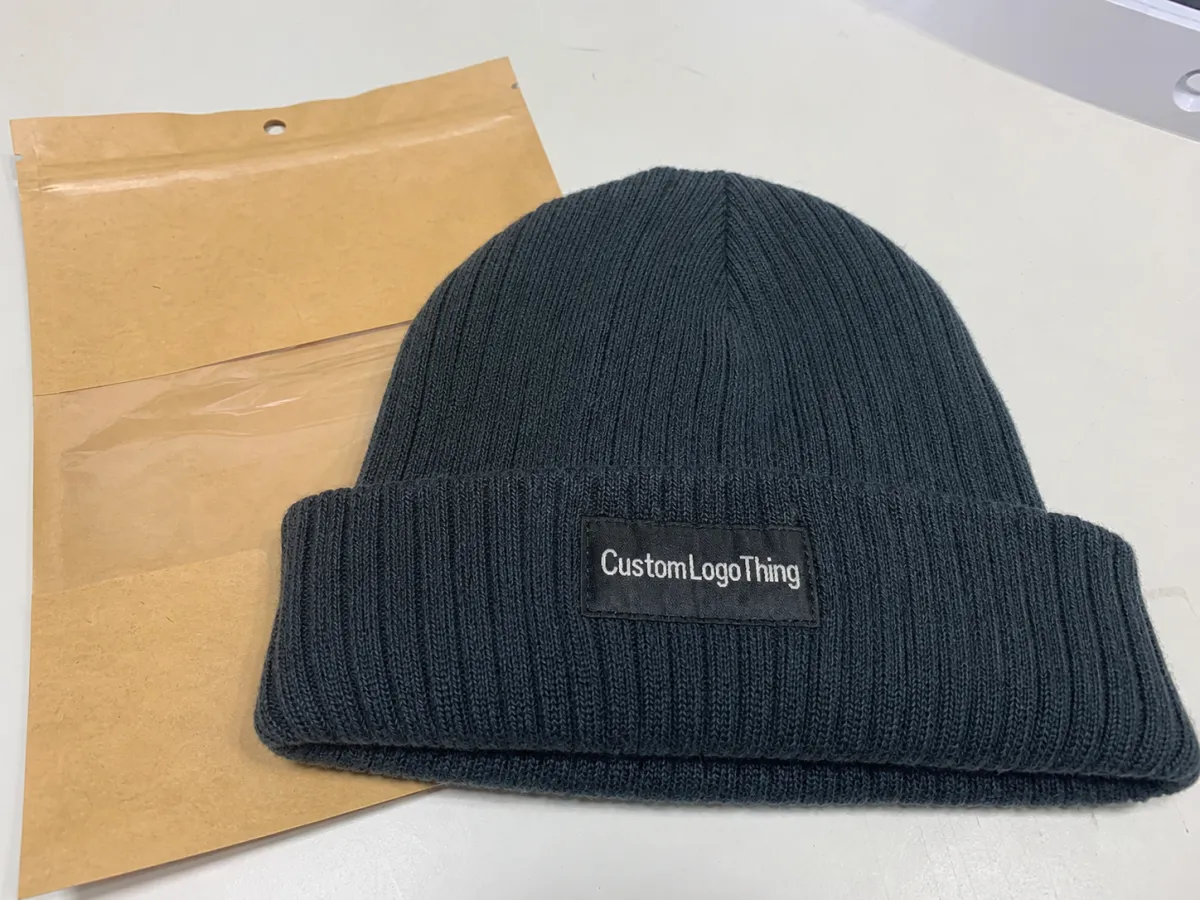
A useful cosmetics ribbed winter beanies Unit Cost Review starts with a simple correction: the hat shape is rarely the main cost driver. Rib knit is efficient to produce, but the final price moves quickly once the logo grows, the cuff needs a cleaner structure, the yarn changes, or the pack-out becomes retail-ready. Buyers often expect the blank cap to set the budget. In practice, decoration and presentation usually do the heavier lifting.
That matters because Ribbed Winter Beanies serve more than one job. They can sit in a holiday gift set, support field staff, go into a retail bundle, or work as an event giveaway for a cosmetics launch. Each use case asks for a different finish. A staff cap can tolerate a simpler build. A consumer-facing piece needs better drape, tighter stitching, and a more deliberate look under bright store lighting or in product photography.
The rib structure itself helps. It gives the fabric recovery, keeps the cuff neater, and creates a stable zone for branding. Compared with a flatter knit, ribbed fabric tends to hold its shape better after repeated wear, which is one reason beauty teams lean toward it for winter programs. The item feels practical, but it still looks planned.
Look at landed value rather than the factory line alone. Freight, duties, carton count, polybagging, inserts, and hang tags can add enough friction to change the true unit cost. A cheap blank quote is not much help if the finished piece still needs half a dozen extras before it can reach shelves or a gift box.
Product Details That Shape Retail-Ready Appeal
A ribbed beanie appears basic, yet the details do most of the work. The folded cuff gives the logo a flat, readable surface. The stretch profile helps the fit work across a wide range of head sizes. The rib texture keeps the silhouette clean instead of drooping. Those traits matter in cosmetics programs because the item has to support the brand, not merely keep someone warm.
Beauty buyers tend to judge these pieces the way they judge packaging: by surface finish, proportion, and how the item will look once opened. A beanie that reads as an afterthought can weaken a premium campaign. A cap with a strong cuff, consistent stitch density, and a soft but controlled handfeel can look retail-ready even at moderate price points. The difference is subtle from a distance and obvious in hand.
There is also a practical divide between promotional and retail-grade construction. A lighter knit can be fine for short-term giveaways or event staff. A denser beanie with better recovery usually earns its higher cost if the item is going into a holiday box or being sold as an add-on product. More stitches per inch do not only change the feel; they affect how the hat sits after wear, how the logo sits on the cuff, and how the garment behaves during packing.
Color, cuff height, and logo placement influence perceived value more than many buyers expect. A deep cuff in a brand color can make a basic beanie feel coordinated with the rest of the kit. A short cuff and oversized logo can push the same item toward promo territory. For cosmetics, the best version usually looks restrained from a distance and polished up close.
Materials, Fit, and Decoration Specifications
Material choice is one of the biggest levers in a cosmetics ribbed winter Beanies Unit Cost Review. Standard acrylic is the common starting point because it is economical, easy to care for, and consistent across large runs. Acrylic blends can feel softer or hold their shape better depending on the mix. Recycled blends may support a stronger sustainability story, though they usually add a small premium. Wool-content options warm well and read more premium, but they cost more and can require more careful care guidance on the label or insert.
The rib gauge matters almost as much as the fiber. A tighter rib with a slightly heavier yarn usually gives a cleaner cuff and stronger recovery. A looser knit can feel softer, but the hat may lose shape faster or show more distortion after repeated wear. For retail or gifting, that tradeoff should be visible before pricing is locked. Confirm flat width, crown height, cuff depth, and the expected stretch range early. Those numbers affect both fit and cost.
Decoration method changes the unit cost in a visible way. Embroidery is still the simplest route for a classic logo on the cuff. Woven labels can capture finer detail and multiple colors, which helps when the brand mark is intricate or small. Faux leather patches and silicone badges create a more fashion-forward look and can lift the perceived value, though they do not always remain the lowest-cost option once setup and application are counted.
Before quoting, I would want these specs in writing:
- Cuff depth: usually 6-10 cm, depending on the logo and the desired proportion.
- Overall height: often 20-24 cm for a standard adult beanie.
- Logo area: a cuff logo around 40-60 mm wide is common; larger marks may move into a higher price tier.
- Color tolerance: knit yarn will never match a printed swatch perfectly, so the allowance should be realistic.
- Care expectations: acrylic and blends are easier to manage than wool-heavy options, especially in gifting programs.
Packaging adds its own layer of specification. If the beanie will travel inside a gift set, the fold direction, bag type, insert stock, and carton fill all matter. Paper components can be FSC-certified if the sustainability brief calls for it; the Forest Stewardship Council outlines that standard at fsc.org. For distribution-sensitive programs, shipping tests matter too. The International Safe Transit Association describes common packaging test methods at ista.org.
Cost, Pricing, MOQ, and Unit Cost Drivers
For a clean cosmetics ribbed winter Beanies Unit Cost Review, split the quote into three layers: the beanie, the decoration, and the packaging. That keeps a bare cap quote from being compared with a fully finished item, which is one of the quickest ways to misread value. A useful quote should show what is included, what is optional, and what still depends on approval.
The biggest cost drivers are usually material grade, stitch density, logo size, decoration method, order quantity, packing style, and any custom labels or hang tags. If the brand wants embroidered cuff art, a woven patch, individual polybags, and retail barcode stickers, the cost per piece should rise. That is not padding; it reflects real handling, setup, and inspection steps. A simpler stock-supported beanie with a small embroidered mark and bulk packing will usually stay leaner.
MOQ has a direct effect on bulk pricing. Lower quantities carry more setup time per piece because the factory still has to prepare yarn, set the machines, digitize the logo, and inspect the first articles. At higher volumes, those setup charges and any small tooling fees are spread across more units, so the price breaks improve. The same beanie can feel expensive at 100 pieces and far more sensible at 1,000.
Approximate pricing ranges help buyers sanity-check a quote, but they should never be treated as fixed. Yarn choice, decoration complexity, and packing can move the final number in either direction. The table below reflects common market behavior for custom winter beanies with cosmetics branding.
| Build option | Typical MOQ | Approx. cost per piece at 300 pcs | Approx. cost per piece at 1,000 pcs | Best use case |
|---|---|---|---|---|
| Blank ribbed beanie, stock-supported color | 100-300 | $1.90-$3.10 | $1.40-$2.20 | Simple promo, fast turnaround, low branding needs |
| Small embroidered logo on cuff | 100-300 | $2.60-$4.40 | $1.85-$3.20 | Classic cosmetics gift item with clean branding |
| Woven patch or label | 200-500 | $2.80-$4.90 | $2.05-$3.60 | Fine detail, multi-color logos, retail presentation |
| Silicone badge or faux leather patch | 300-500 | $3.10-$5.40 | $2.30-$4.00 | More premium fashion look, stronger shelf appeal |
That table only helps if the packing basis is matched. A plain bulk carton costs less than individually folded and bagged units, but many cosmetics programs need a more finished presentation. If the beanie is going into retail, budget for folding, labeling, barcode stickers, and possibly a paper insert or tag. Each add-on may seem small in isolation. Together, they change the landed number enough to matter.
"A beanie is small, but its cost stack is not. Once decoration, packing, and freight enter the picture, the cheapest factory quote is rarely the best buy."
Freight and duties should sit outside the factory price whenever possible. That keeps comparisons honest and makes the unit cost easier to read across suppliers. If you are comparing embroidery, woven labels, and molded patches, ask for the same packaging basis on each line. Otherwise, the quote can look cleaner than it really is.
Production Process and Timeline from Approval to Ship
The production path is usually predictable, but delays show up when approvals are incomplete. A typical run starts with artwork review, then yarn and color confirmation, then sample development, bulk knitting, decoration, inspection, and packing. Each step is simple. The schedule only becomes messy when one of those handoffs is vague.
Sample timing depends on preparation. If the logo file is clean, the color target is realistic, and the decoration method is already selected, the first sample can often be ready in 7-10 business days. If the design still needs fixing, the yarn shade needs adjustment, or the patch style is undecided, that step can stretch longer. Bulk production usually lands around 15-25 business days after sample approval. Larger runs and more complex packing can extend the window.
Buyers planning a seasonal program should separate sample timing from bulk timing. That may sound obvious, but it prevents a common mistake: counting lead time from the purchase order date instead of the date the first sample is approved. For winter beauty campaigns, that difference can be the gap between stock arriving on time and missing the shelf window.
Color matching deserves special care. Knit yarn behaves differently from printed paper or coated board, so a Pantone reference helps, but it is not an exact promise. If brand color is critical, approve a physical sample before bulk. That step eliminates more risk than most people expect. It is better to adjust a shade once than to discover a mismatch on the first carton.
Packaging can slow a project down too, especially if the beanie ships with a hang tag, backer card, or FSC-certified insert. Those elements require artwork sign-off and die-line confirmation. If the hat is going into a gift set, ask whether the carton size or pack-out needs more transit protection. Some programs also benefit from parcel or carton testing, especially if the product passes through a rough fulfillment network before reaching the end customer.
Why Buyers Source Ribbed Beanies Through Our Program
A good supplier program should do more than send a price. It should help the buyer choose the right construction, keep the spec stable, and catch problems before they become expensive. That matters in cosmetics because the product has to support the brand image as much as the budget.
The most useful supplier is the one that explains tradeoffs plainly. Embroidery may look elegant and cost-effective, but a fine logo can become too dense if the stitch count climbs. A woven patch may handle detailed artwork better. A silicone badge can give a more modern finish, though it may not be the lowest-cost route once setup and application are counted. Clear feedback like that saves money because it steers the buyer away from assumptions and toward the build that fits the brief.
Pre-production checks are the quiet part of quality control, and they matter. Artwork sign-off, stitch count confirmation, yarn lot control, and packing review reduce rework. If one carton is packed differently from the next, the brand sees it immediately when the goods arrive. Consistency becomes even more important when the same item has to serve retail gift boxes, field staff kits, and event giveaways. The hat should carry the same brand impression in each channel.
Packaging discipline belongs in the same conversation. If the beanies are bundled with skincare or fragrance, the supplier should think through fold direction, carton fill, and pressure on the embroidery or badge during transit. That sounds minor until the first opening experience feels crushed or uneven. Buyers who care about presentation should ask for that thinking before production starts, not after the first shipment leaves.
The real strength of a technical supplier is repeatability. You want the same cuff height, the same logo placement, the same shade control, and the same packed look every time you reorder. Seasonal programs drift fast when those controls are loose. If the first order works, the second and third should feel like a continuation rather than a new experiment.
Next Steps to Turn the Review Into a Quote
If you want a quote that can actually be compared, gather four things first: quantity, logo artwork, preferred decoration, and your target in-hands date. That is enough to turn a vague costing discussion into a real one. Without those inputs, every price is just an estimate with a better font.
Then compare at least two build options. A small embroidered cuff logo may be the cleanest answer. A woven patch or silicone badge may be better if the logo has fine lines or several colors. The cheapest choice is not always the best fit for the campaign, and the most expensive one is not always necessary either. Cosmetics buyers usually get the best result by matching finish to brand mood, not by chasing the lowest sticker price.
Before approval, confirm the details that most often get missed:
- Logo placement: center front cuff, side cuff, or woven label position.
- Pantone targets: provide references if color accuracy matters.
- Packing notes: bulk carton, folded polybag, retail tag, or gift-set pack.
- Shipping destination: the route affects freight, duty, and lead-time planning.
- Approval method: sample photo, ship sample, or pre-production mock-up.
Winter beauty programs reward detail. The beanie itself matters, but so does the way it lands in the box, the way it reads beside skincare or fragrance, and the way it holds shape after transit. Use this cosmetics Ribbed Winter Beanies unit cost review to compare builds side by side, confirm the right MOQ, and move into quoting with a clear view of landed value rather than a misleading blank price.
What affects cosmetics ribbed winter beanies unit cost the most?
Decoration method, logo size, and stitch complexity usually move the price more than the beanie shape itself. Order quantity matters too, because setup charges are spread across more pieces at higher volumes. Packing style, color matching needs, and any custom tags or inserts can also change the final quote.
What MOQ should I expect for ribbed winter beanies with cosmetics branding?
MOQ depends on whether the beanie is stock-supported or fully custom in yarn, color, and label details. Simple embroidery can often support smaller runs than fully customized patches or molded badges. Ask for MOQ and price breaks together so you can compare unit cost at each quantity tier.
How long is the usual turnaround after artwork approval?
Turnaround depends on sample approval, yarn availability, and the decoration method selected. Simple projects move faster when logo files, color targets, and packaging instructions are already final. Ask for sample timing and bulk timing separately so the schedule is easy to plan around.
Can ribbed winter beanies match cosmetics brand colors accurately?
Yes, but color matching depends on yarn availability and the acceptable tolerance for knit goods. Pantone references help, although knitted yarn can never look exactly like a flat printed swatch. Approving a physical sample is the safest move when color is critical to the brand presentation.
Which decoration is best for a cosmetics ribbed winter beanie review quote?
Embroidery is usually best for a classic premium look and durable branding. Woven labels and patches can work better when the logo has fine detail or multiple colors. The right choice depends on budget, logo complexity, and the finish you want at retail or in gifting.


