Beer merch has a strange habit of proving that the easiest-looking product is often the one with the most moving parts. A cap seems simple until you compare how it wears, how it decorates, how it ships, and how much margin survives after all of that. That is why a beer Unstructured Dad Hats Unit Cost Review matters. The soft cap is not just a blank. It is a retail object, a staff uniform, and sometimes the item that gets bought because it feels more personal than a tee.
Unstructured Dad Hats do well in beer programs because they behave like something people already own. The crown sits low, the front panel relaxes instead of standing at attention, and the brim usually arrives pre-curved. The result is less promotional, more wearable. Buyers see sell-through improve when a hat looks broken-in on day one rather than trying to look premium through stiffness alone.
The mistake is treating blank price as the whole story. A hat that costs less at source can still become expensive once setup, patch tooling, freight, and packaging are added. A quote can look clean and still hide a weak point in the chain. That weak point usually shows up later as a poor fit, a wrinkled logo, or a carton count that does not match the purchase order.
Beer unstructured dad hats unit cost review for orders
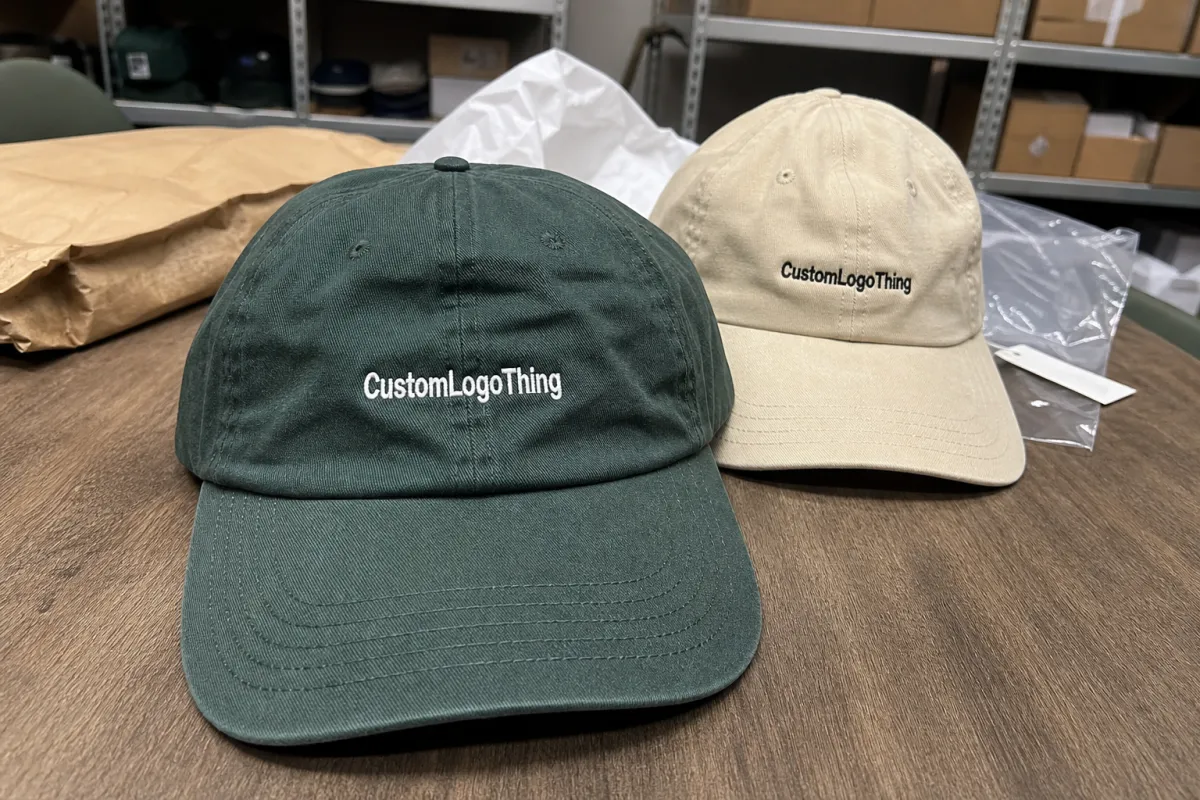
The useful way to read a beer Unstructured Dad Hats unit cost review is to separate the retail logic from the factory logic. Retail logic asks whether the hat will actually move at a taproom counter, in a bottle shop, or as part of a seasonal drop. Factory logic asks what shape, material, and decoration method can be produced at a stable cost. The two are connected, but they are not the same question.
Beer-branded unstructured caps tend to sell because they feel casual from the first wear. That matters more than many buyers expect. A structured cap may photograph well, but the buyer standing at the register usually reaches for the hat that looks like something they would wear on a Sunday, not something that belongs to a trade-show crew. The difference shows up in sell-through, not in a mockup file.
For brewery programs, the strongest use cases are narrow and practical:
- Taproom merch that needs to convert near the counter.
- Staff wear with a relaxed branded look.
- Festival giveaways where comfort matters more than polish.
- Seasonal retail drops tied to a release, collaboration, or event.
There is also a production reason the style keeps winning. Unstructured caps forgive a wider range of logo sizes and decoration types than stiff promotional hats do. That makes them useful when a beer brand wants something retail-friendly without ordering a fully custom silhouette. The cost can stay reasonable while the product still feels deliberate.
Panel shape, crown fit, and fabric choices that define the look
Most unstructured dad hats start with familiar parts: 6 panels, a low-profile crown, a pre-curved brim, and an adjustable closure. Small differences in those parts change the feel fast. A 6-panel build usually looks more classic. A 5-panel version can read a little flatter and a little more modern. Neither wins every time. The right choice depends on the logo, the audience, and how much shape the buyer wants the cap to keep after wear.
Fabric is where the first impression gets locked in. Washed cotton twill gives the broken-in effect that fits brewery merch almost by default. Brushed chino feels cleaner and slightly more polished. Pigment-dyed cotton can create a softer, faded color character, though buyers should expect more shade variation between dye lots. Recycled blends are useful when the brand wants a sustainability angle, but they do not always feel as soft as cotton-heavy options. There is no perfect fabric here. There is only the fabric that fits the brand story and the price bracket.
Color choice matters more than some buyers want to admit. Beer brands usually look strongest on black, stone, navy, olive, tan, faded denim, and muted earth tones. Those shades read as retail-ready without becoming loud. Bright colors can work, but they often drift toward event swag instead of merch people wear repeatedly. That distinction is not cosmetic. It affects reorder potential.
Comfort details are easy to overlook and annoying to correct later:
- Sweatband quality changes how the cap feels after a long shift or a hot event.
- Seam finishing matters when the wearer keeps the cap on all day.
- Closure hardware should match the price point; thin hardware makes the whole cap feel cheaper.
- Label placement can add brand presence without crowding the front panel.
One practical note on shape: very soft fronts do not always like oversized artwork. A dense logo can pull the panel forward, pucker the fabric, or flatten the intended relaxed profile. A cleaner mark often sells better than a bigger one. That is a useful trade-off, not a compromise.
Decoration specs that hold up on soft caps
Decoration decides whether the cap looks considered or like a rushed promo run. On a soft-front hat, the main options are embroidery, woven patches, leather patches, and printed patches. Each has a different cost profile and a different tolerance for detail. Embroidery is the safest place to start when the logo is simple and the budget is tight. It is durable, familiar, and efficient to repeat. Woven patches hold fine detail better than embroidery because the weave can carry smaller text and tighter linework. Leather patches create a more premium, outdoors-oriented feel, which suits some beer labels well. Printed patches work for color-heavy art, but only if the design can carry the flatter finish.
Unit cost moves with the decoration spec more than many first-time buyers expect. Stitch count, patch size, thread color count, and placement all affect labor and machine time. A 7,000-stitch logo is not just a more detailed logo; it usually means more time on the machine and more stiffness on the front panel. A patch that increases from 50 mm to 70 mm sounds small until the material, tooling, and application costs are added together. Tiny changes can add real money.
Front-center placement remains the default because it reads cleanly on a relaxed crown and stays visible in the environments where beer merch gets seen most often: behind a bar, near a register, or in a crowded festival line. Side embroidery works well for location marks, small marks, or limited editions. Back branding can work, but only if the closure and panel shape leave enough clean space. If the layout feels forced, the cap usually looks cheaper, not busier.
Good artwork saves more time than many buyers realize. Vector files are the baseline. Simple outlines help. Thick enough stroke weight helps. Tiny text is risky on a soft front because the panel flexes and the stitch density cannot reproduce hairline detail cleanly. If the logo depends on narrow letterforms or fine geometry, a simplified embroidery version is often the smarter production choice. It is not a downgrade. It is a production-friendly version of the same identity.
Packaging should be quoted alongside the decoration, not after it. The details add up quickly:
- Individual polybags add material and labor, but improve retail presentation.
- Hang tags help with barcode use and shelf storytelling.
- Bulk packing lowers cost for staff-only or event orders.
- Inner carton counts affect both handling speed and damage risk.
If the project uses paper inserts or hang tags, FSC-certified stock is a straightforward paper sourcing reference: fsc.org. For carton and parcel handling, ISTA testing is a better guide than guesswork: ista.org. Those standards do not improve the hat itself, but they can reduce crushed cartons, bent brims, and avoidable claims.
Beer unstructured dad hats unit cost, MOQ, and quote drivers
This is the section buyers usually want first and specify least. A solid beer unstructured dad hats Unit Cost Review needs tiers, not a single magical number. Setup gets spread across more pieces as quantity rises, so the per-unit cost falls. That drop can be meaningful. A $75 digitizing fee adds 75 cents per hat at 100 pieces, but only 25 cents per hat at 300 pieces. The hat did not get cheaper. The overhead got diluted.
| Decoration option | Typical unit cost | Common MOQ | Setup or tooling | Best fit |
|---|---|---|---|---|
| Flat embroidery on stock blank | $3.20-$5.80 | 100-300 pcs | $25-$60 digitizing | Simple brewery logos, staff wear |
| Woven patch on stock blank | $4.10-$6.90 | 200-500 pcs | $50-$120 patch setup | Small type, cleaner detail |
| Leather patch on stock blank | $4.50-$7.40 | 200-500 pcs | $60-$180 tooling fees | Premium brewery merch |
| Printed patch or tonal print | $3.90-$6.20 | 300-500 pcs | $35-$90 setup charges | Color artwork, limited drops |
The ranges above are realistic buying numbers, not fantasy pricing. They move with fabric grade, blank availability, decoration complexity, and packaging. A lower-end quote usually assumes a stock blank, straightforward logo, and basic packing. A higher-end quote often includes better finishing, custom branding, or a more expensive patch style. If a quote sits far below those ranges, the first question is simple: what got removed?
MOQ changes for three reasons. The first is decoration method. The second is color count. The third is whether the supplier is using stock blanks or making a custom component. A simple embroidered cap can usually support a lower minimum than a custom-washed hat with a leather patch. Add three cap colors to one order and the minimum often rises, because the factory has to split production and carry more pieces through the line. That is logistics, not punishment.
The main quote drivers are easy to list and easy to understate:
- Fabric grade and wash treatment.
- Decoration method, stitch count, patch size, or print complexity.
- Packaging level, from bulk cartons to retail-ready packing.
- Labeling, hang tags, and interior branding.
- Freight method, because shipping can erase a low factory price fast.
Ask for landed cost, not just factory unit cost. A cheap production quote is not useful if the freight, carton count, or inland handling pushes the total above budget. For many buyers, the difference between a usable quote and a misleading one is whether shipping is included in the comparison.
The cleanest way to compare suppliers is to standardize the spec: same blank, same logo size, same decoration method, same packaging, same delivery point. Without that, one quote may include a better blank while another quietly strips out finishing. The spreadsheet looks tidy. The comparison is not.
Process, lead time, and approval steps from art to shipment
A capable supplier should have a simple production flow: artwork review, mockup or proof, decoration approval, production, quality control, packing, and dispatch. If the process is vague, the order usually becomes vague too. Clarity does more than save time. It prevents surprise charges and keeps the schedule believable. A beer unstructured dad hats unit cost review is only useful if the approval path is equally clear.
Lead time depends on how much work sits inside the order. Stock blanks with simple embroidery are usually faster than custom washes, specialty patches, or mixed-color assortments. A straightforward run might move in roughly 12-15 business days after proof approval. More complex builds can stretch to 18-25 business days or longer. If the blank needs to be sourced, if the closure is custom, or if the packaging is retail-ready, add time. Rush orders are possible in some cases, but not when every detail is custom and the delivery window is tight.
Most delays come from a short list of familiar problems:
- Slow logo approval.
- Missing vector files or poor artwork.
- Late changes to color or placement after sampling.
- Unclear shipping addresses or delivery windows.
- Back-and-forth on patch size or closure detail.
Sample approval matters because it catches the things a spec sheet can miss. A proof or physical sample confirms logo size, thread color, panel fit, and closure finish before the full run starts. Sample fees are normal, and some suppliers credit them back on larger orders. Skipping the sample and then disputing a visible layout issue later is a waste of time on both sides.
Peak season adds another layer. Freight space can slow down after production is complete, and a buyer-side date change can create a bottleneck even when manufacturing is on schedule. Build a buffer. Not because everyone is careless, but because transport turns clean plans into paperwork faster than production does.
For buyers who care about handling quality, it helps to use recognized standards rather than assumptions. ISTA is useful for carton and parcel testing, while FSC is relevant when the order includes paper-based inserts, tags, or carton components. Those are boring details until the first crushed delivery lands on the receiving dock.
Repeat-order controls that keep soft caps consistent
Repeat orders are where a supplier proves whether they are organized or just lucky on first runs. For a reorder, they should already have the approved artwork, stitch settings, patch dimensions, closure details, and color references on file. If they do not, the buyer is paying to recreate the same work from scratch. That is not repeat production. That is repetition without memory.
Soft caps vary a little from dye lot to dye lot, especially on washed or garment-dyed styles. That is normal. The goal is not absolute sameness. The goal is to control the visible differences and keep the finished product within an acceptable range. Photo approvals and saved production records help because they give the buyer a real reference, not a memory blurred by time and quantity.
The checks that matter most are practical:
- Crown symmetry so the hat sits evenly.
- Embroidery placement so the logo lands where the proof showed it.
- Strap alignment so the closure does not twist.
- Thread tension so the front panel does not pucker.
- Final carton counts so the shipment matches the PO.
Consistent reorders save money in a way headline pricing never shows. If the first run is documented properly, the next run usually needs less sampling, less revision, and fewer corrections. That reduces hidden labor, which is often more expensive than the unit difference between two similar quotes. From a packaging buyer's point of view, the best supplier behavior is boring: fewer excuses, fewer remakes, and fewer details that need to be rediscovered every season.
Bottom line: the best reorder is the one that already knows its own specifications. Saved art, saved measurements, and a plain production record turn a reorder into a repeatable purchase instead of a fresh negotiation.
Next steps to lock art, pricing, and shipping dates
Start with the details that let a supplier quote accurately: a flat vector logo, target quantity, preferred blank color, decoration method, and the date the hats need to arrive. That is enough to determine whether the order fits the schedule and what the real unit cost looks like. If the request consists of screenshots, vague notes, and a hard deadline, the estimate is usually weak before it begins.
Decide early whether the hats are for staff wear, retail merch, or event giveaways. Each use changes the right finish level. Staff wear can handle simpler packaging. Retail merch usually needs better presentation. Giveaway caps can be tighter on price, but the decoration still has to survive handling and a few weeks of actual use. One version does not serve every purpose equally well.
Ask for a quote that separates unit cost, MOQ, sample cost, setup charges, and freight. That makes the budget usable. It also makes comparison easier when one supplier looks $1.40 lower but has thinner finishing and more exclusions hidden in the notes. Lower is not automatically better. Sometimes it is just less complete.
The cleanest buying decision is not the cheapest line on a quote. It is the one that gives you the right cap, the right logo, and a shipping date you can trust.
Confirm the approval window for artwork and sample feedback, then move quickly on sign-off so the production slot does not drift. The longer an order sits in approval limbo, the more likely someone changes a color, adds a patch, or remembers they wanted a different closure. That is how a straightforward beer merch run turns into a re-quote.
Use this beer unstructured dad hats unit cost review as the filter: lock the spec, check the MOQ, ask for landed cost, and verify the ship date before approval. That is the practical path. Fewer surprises, better margins, and a hat that still makes sense after the dust settles.
What changes beer unstructured dad hats unit cost the most?
Decoration method usually moves the price the most, followed by quantity and whether the blank is stock or custom dyed. Patch size, stitch count, packaging level, and freight can also push the number up fast. A quote that excludes shipping is only half a quote.
What MOQ should I expect for custom beer dad hats?
Simple embroidery on stock blanks often supports a lower MOQ than patch work or custom finishes. Once you add multiple colors or mixed decoration methods, the minimum usually rises. The cleanest way to see the breakpoints is a tiered quote.
Can I approve a sample before full production?
Yes, and you should. A proof or physical sample confirms logo size, placement, thread color, and fit before the full run starts. Sample fees are common, and some suppliers credit them back on larger orders.
How long does production usually take for unstructured dad hats?
Timing depends on blank availability, decoration type, and how quickly artwork is approved. Stock hats with simple embroidery are usually faster than custom wash treatments or patch builds. Freight and packing should be included in the timeline.
What artwork works best on beer unstructured dad hats?
Vector art is the safest choice because it keeps lines clean and sizing predictable. Simple logos with thicker strokes usually hold up better than tiny text or fine detail. If color accuracy matters, send Pantone references and confirm them before production starts.

