Supplement Ribbed Winter Beanies Bulk Order Planning Guide
Supplement ribbed winter Beanies Bulk Order Planning works best when the beanie is treated like a functional item first and a branded item second. The rib knit gives buyers a wider margin for error than a flatter construction, which matters when the order is headed into gift boxes, event kits, subscription add-ons, or an e-commerce threshold promo. The hat stretches, settles, and hides minor yarn variation better than a smoother knit, so the finished stack usually looks more uniform than the spec sheet suggests.
The hard part is timing. Winter is predictable on a calendar, but not on a production queue. Stock colors disappear faster than people expect, decoration windows close early, and anything rushed tends to carry extra cost. Buyers who settle the knit, decoration method, and delivery date early usually get cleaner pricing and fewer round trips through email. That is the unglamorous truth behind most successful runs.
Why ribbed beanies are the least fussy winter promo item
Ribbed beanies earn their place in promotional work because they are forgiving. A ribbed surface handles stretch and recovery better than a flat one, so small inconsistencies do not stand out as sharply. That is useful in bulk, where the goal is consistency at a reasonable cost, not showroom perfection. Buyers want warm, wearable, and easy to brand. Ribbed knit delivers all three without forcing the order into a size matrix.
For supplement brands, the use cases are practical rather than decorative. A ribbed beanie can sit in a winter welcome kit, ship with a premium membership tier, support an influencer seeding campaign, or serve as a bonus tied to cart value. The one-size approach removes a common source of friction. Fewer sizes mean fewer inventory splits, fewer labeling mistakes, and fewer complaints from fulfillment teams trying to sort a mixed run.
A good beanie order is boring. That is a compliment. Boring means the fit works, the logo reads cleanly, the boxes are counted correctly, and nobody has to improvise after production starts.
The best buyers start with a sample or a digital mockup and use that to answer three questions: does the beanie fit the brand, does the front panel support the artwork, and can the order land before the cold-weather window opens? Everything else is secondary. A winter promo item does not need to be clever. It needs to be dependable.
That is why supplement ribbed winter beanies Bulk Order Planning should begin with the decoration footprint. Small front logos, especially thin-line marks or tiny text, can look fine on a screen and weak on knitwear. A logo that reads clearly from six feet away is a safer benchmark than a design that looks beautiful only under close inspection.
Another reason these beanies work well is storage. They ship compactly, stack efficiently, and do not create the same carton bulk as heavier winter accessories. For brands moving product through shared warehouses or third-party fulfillment, that matters more than people admit. Less cube means lower freight pressure and less shelf drama.
Cuffed vs uncuffed: the product details that change fit and logo impact
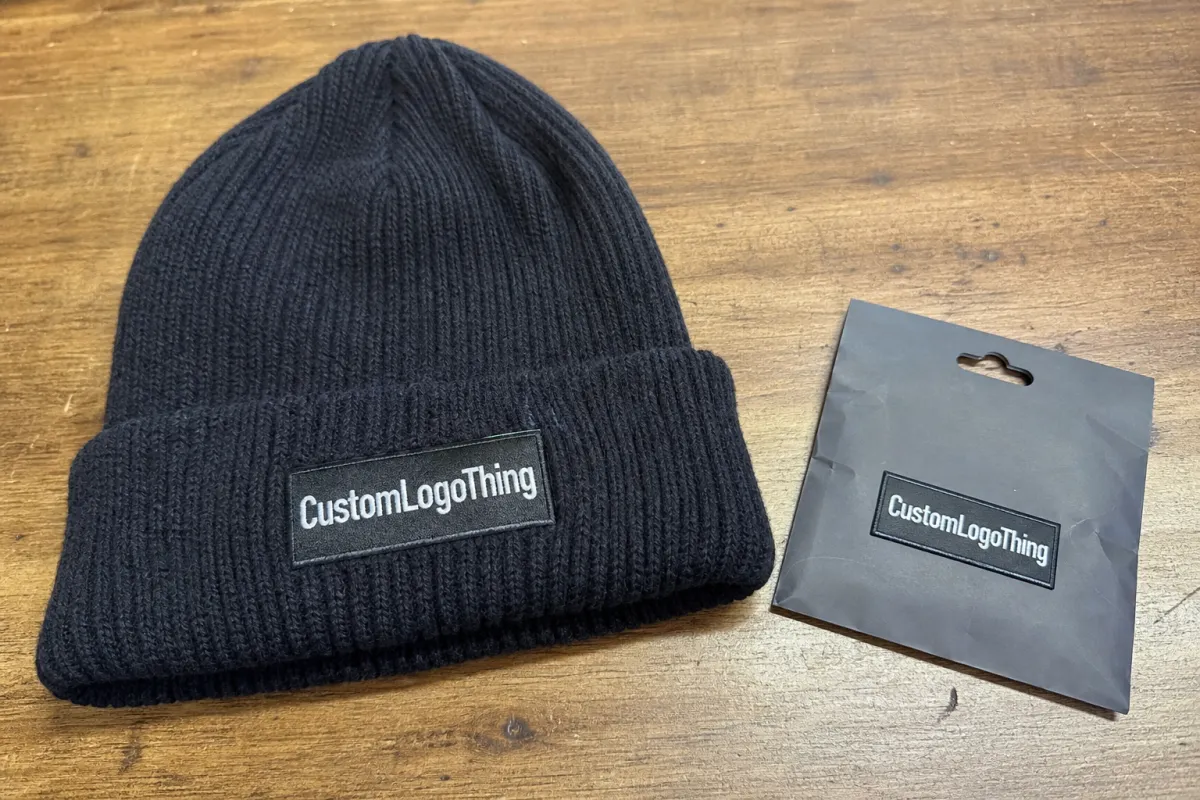
Cuffed ribbed beanies are usually the safer bulk choice. The folded cuff creates a flatter branding zone, which helps embroidery sit cleaner and gives woven patches a more deliberate frame. It also adds a little depth control for the wearer. That flexibility helps when the same item goes to a mixed audience of customers, staff, and event attendees.
Uncuffed styles feel looser and a bit more fashion-forward. They can work well, but they reduce the amount of clean front space available for decoration. If the logo has fine detail, narrow lettering, or a small icon, uncuffed knit can make it harder for the artwork to breathe. The problem is not the style itself. The issue is compression. Knit stretches, and detailed art does not always enjoy the ride.
Rib width changes the look more than many buyers expect. Narrow ribs usually appear tidier and a little more retail-ready. Wider ribs feel chunkier, warmer, and more casual. Crown depth matters too. A shallow crown can look neat on a flat lay and awkward on a wider range of heads. Deeper crowns are often safer for bulk orders because they fit more real-world wearers without becoming fussy.
Decoration should respect the knit. Flat embroidery is still the most common choice because it is durable, cost-aware, and easy to explain to a production team. Woven patches help when the logo has more detail or a sharper edge. Leather patches create a tougher, outdoors-oriented look, but they are not the right answer for every supplement brand. A simple woven label can be enough when the beanie should feel secondary to the product line instead of competing with it.
Color selection changes the order more than the mockup suggests. Black, navy, charcoal, and forest green are still the easiest colors to source and the easiest to resell if a run is overestimated. Brighter colors can look good in campaign photos, but they narrow the user base and can increase inventory risk. If the order is meant to support a broad winter push, one grounded color usually beats four optimistic ones.
Specs that affect warmth, drape, and retail-ready presentation
Material choice sets the tone immediately. Acrylic is still the budget standard because it balances cost, warmth, and available color options. Acrylic-wool blends feel warmer and more premium, but they raise cost and may require more care guidance. Recycled yarns can support a sustainability story, although the exact hand feel depends on the fiber blend and knit construction. Soft-lined versions make sense in colder climates or for brands that want a softer interior against the skin.
Gauge and stitch density influence both warmth and branding clarity. A tighter knit usually feels denser, looks more finished, and supports cleaner decoration. A looser knit has a more casual texture, but the trade-off is that small logos can lose sharpness once the fabric stretches. If the artwork includes fine text or a small mark, tighter construction is safer. If the goal is a relaxed, streetwear-adjacent look, looser can work, but the logo may need to be enlarged.
Every serious quote should define the same core measurements. Beanie height, cuff depth, stretch range, decoration area, patch size, and label size should all be written down. If those numbers are loose, the order can still move forward, but the final product may not match the intent. Missing measurements create avoidable arguments later, and those arguments usually arrive after the production line has already been booked.
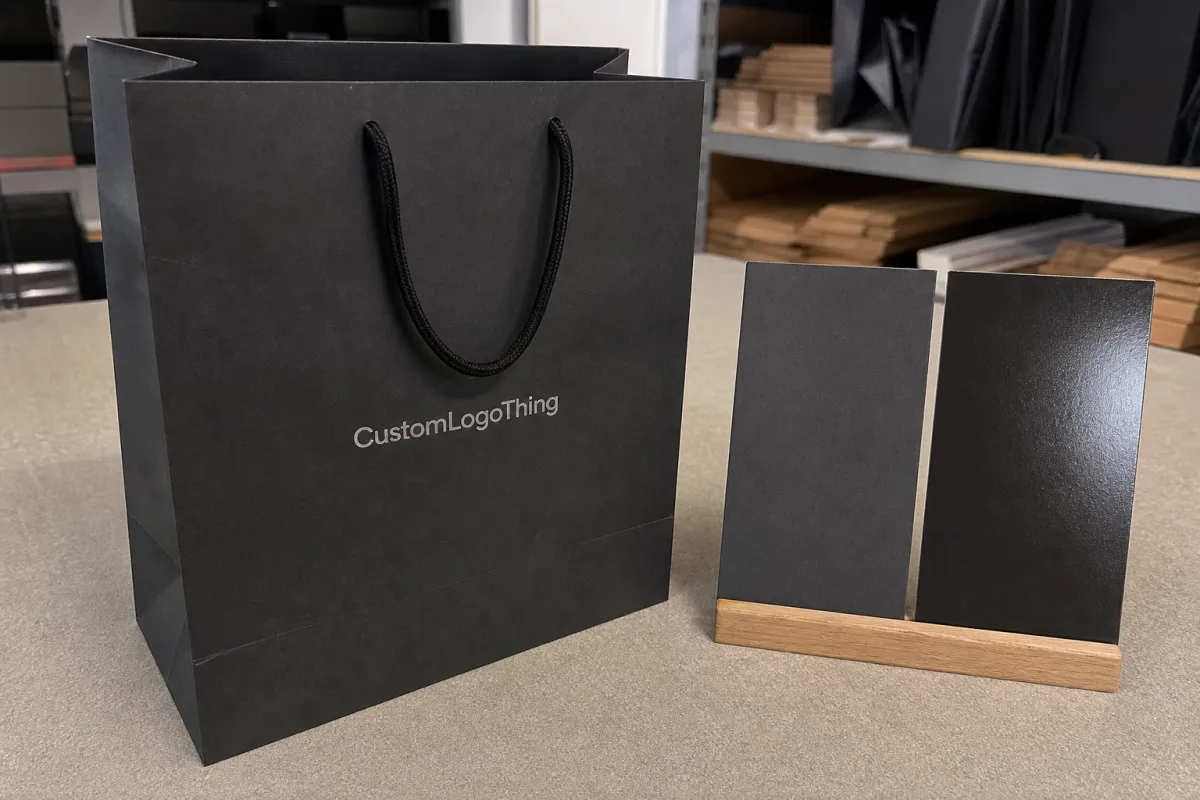
Packaging changes perceived value more than it should. A plain polybag is the cheapest path and fine for internal distribution. A paper belly band immediately makes the item feel more retail-ready without adding much complexity. Hang tags are useful if the beanie will be displayed or used in a merch kit. Boxed packing costs more and eats carton space, but it can be worth it for premium fulfillment or direct-to-consumer bundles. The format should follow the channel, not the other way around.
Transit and paper sourcing add another layer if the order is moving through multiple warehouses or must satisfy a documented material trail. The ISTA transit testing standards are worth checking when long-haul shipping or rough handling is part of the journey, and FSC-certified paper is the usual reference point for paper components that need documented sourcing. Neither of those references is glamorous. Both prevent avoidable surprises.
Packaging buyers often underestimate the visual gap between a beanie in a clear bag and the same beanie with a belly band and tag. The garment is unchanged. The perceived value is not. That difference matters when the item is part of a higher-priced bundle or an upsell. Presentation is not fluff; it is part of the product.
| Option | Typical MOQ | Common unit impact | Best use |
|---|---|---|---|
| Stock beanie + embroidery | 48-100 pcs | Lowest setup cost, often the cheapest route | Fast winter promos, staff gifts, checkout bonuses |
| Stock beanie + woven patch | 100-250 pcs | About $0.35-$0.90 more per unit | Cleaner logo detail, stronger retail feel |
| Stock beanie + leather patch | 100-250 pcs | About $0.60-$1.20 more per unit | Outdoorsy or rugged brand look |
| Custom color or custom label run | 300-500 pcs | Higher base cost and more handling | Private-label programs and repeat retail use |
Cost, pricing, and MOQ: what actually moves unit cost
Pricing is rarely mysterious once the inputs are clear. Yarn quality, custom dyeing, decoration method, packaging, and private labeling are the main drivers. Split colors and split packaging add labor, even when the total quantity looks healthy on paper. One style, one color, one logo setup, one ship-to address keeps the quote cleaner. Every extra variation takes time somewhere in the production chain.
On stock-style runs, simple embroidery often lands in the rough range of $2.20-$3.80 per unit before freight, depending on quantity, stitch count, and thread coverage. Woven patches usually push the number up a little, especially on smaller orders. Leather patches can be higher again if they require extra finishing or a more complex application method. Custom colors, custom woven labels, and special packaging move the price further upward because they add machine time and handling.
MOQ is where buyers get surprised most often. A supplier may quote a low minimum for a stock blank, then require a much higher threshold for custom color, custom patch, or custom packaging. Ask for the minimum by option, not just the headline number. A 250-piece total order can hide separate thresholds by color or decoration method, which changes the real buying decision.
Volume helps, but not evenly. A 1,000-piece run of one beanie color and one decoration is much easier to produce than 1,000 pieces split across four colors and two packaging formats. The second version may look efficient in a spreadsheet, but it adds counting, sorting, and verification work on the floor. The more split logic involved, the more likely the quote will reflect that complexity.
For supplement ribbed winter beanies Bulk Order Planning, the best quote inputs are plain: exact quantity by color, decoration size, packaging style, and ship-to destination. Add the in-hand date. Without it, a supplier may quote a slower path than needed or a rushed one that costs more than necessary. Timing is part of pricing whether the buyer writes it down or not.
A practical note on value: sometimes the cheapest beanie is the most expensive choice if it pills quickly, loses shape, or makes the logo look thin. A slightly higher unit cost can be a better outcome if the item will be worn repeatedly through the season. Winter promo products are judged by use, not by purchase order theory.
Process and lead time for bulk winter beanie orders
The clean process is straightforward. Request the quote. Review the proof. Approve the sample or virtual mockup. Confirm the packing method. Release production. Book shipping. The weak link is usually artwork approval, because people treat it like a formality and it is not one. Once the proof is approved, every mistake becomes more expensive to fix.
- Send the logo file, quantity split, color choice, and packaging preference.
- Review the quote with MOQ, lead time, and any setup fee spelled out.
- Approve the virtual proof or sample and confirm placement measurements.
- Lock freight method and destination before bulk production starts.
- Release the order only after all sign-off points are final.
Lead time depends heavily on whether the order is a stock blank or a custom build. A decorated stock beanie can often move in 12-15 business days after proof approval if the queue is normal and materials are on hand. Woven labels, patch work, or more complex packaging usually stretch that window to 15-20 business days. Fully custom knit or custom color projects need more buffer, often 20-35 business days depending on season, quantity, and how quickly artwork is finalized. Freight sits on top of that clock.
Most delays happen in predictable places. Artwork revisions. Missing PMS references. Unclear label placement. Late freight decisions. These are not exciting problems, but they are the ones that move dates. The best defense is to treat the in-hand deadline as a production spec, not a wish. Build backward from the date the beanies need to be used, not from the day the order was placed.
In supplement Ribbed Winter Beanies bulk order planning, the deadline usually matters more than the decoration itself. A clean but late delivery is still a failed campaign. A slightly simpler design that lands on time is usually the better trade.
What a reliable bulk beanie supplier should handle for supplement brands
A reliable supplier does more than quote a number and wait for approval. The useful work happens in the handoffs. Knitting, decoration, labeling, packing, and carton marking should all be coordinated so the final shipment matches the proof and is easy for a warehouse team to receive. Fewer handoffs usually mean fewer mistakes.
Repeatability is especially valuable for supplement brands that reorder by season. The first run may be for a winter launch. The next may support a fresh flavor line, a membership tier, or an ambassador pack. Whatever changes, the hat needs to stay recognizable. Stitch placement, patch alignment, and label consistency should be stable from batch to batch. If every reorder feels like a new experiment, the brand pays for that in time and corrections.
Good production support is practical, not theatrical. A supplier should be able to advise when a logo is too small for ribbed knit, when the patch border needs more clearance, or when the label will be hard to read once attached. They should also be able to explain carton counts, pack-out preferences, and any special labeling the warehouse needs. If the answer is vague, the buyer usually ends up solving the problem later.
Quality control should be specific. Check stitch consistency, color lot variation, crown depth, cuff symmetry, logo alignment, loose threads, patch adhesion, and packaging count. A decent sampling process will catch most issues before the full shipment leaves the floor. On larger runs, even a basic AQL-style inspection can expose defects that a casual visual pass would miss. Nobody wants a pallet full of slightly misaligned logos.
Quote clarity matters as much as production skill. Buyers need straight minimums, clear production windows, and a written cost for each add-on. That includes packaging changes, label changes, and any rush handling. The more transparent the quote, the easier it is to compare one supplier to another without guessing at what the total will become later.
Documentation is part of the service too. Carton counts, packing slips, and reorder records should be easy to retrieve. If a supplier cannot tell the buyer how the last run was packed, the next run will take longer than it should. That is not a minor inconvenience; it is a clue about how the rest of the process is managed.
Next steps to lock in your ribbed beanie order
Start with the data that actually affects the quote: logo file, quantity by color, decoration method, packaging style, and ship-to destination. Then add the in-hand date. Those details are enough to separate a realistic proposal from a vague one. If a buyer cannot provide all of them on day one, that is fine. But the order gets easier the moment those inputs are fixed.
After that, decide the structure before asking for price. One beanie color or a split run? Embroidery or patch? Plain polybag or retail-ready band? Those choices are small individually and large in combination. The more of them that are settled early, the less likely the order is to bounce back for revision.
Ask for MOQ tiers and sample timing in the same quote. That shows where the price breaks happen and whether it makes sense to move from 100 pieces to 250, or from 250 to 500. Sometimes the extra units create real savings. Sometimes they just increase storage and risk. The numbers should make that obvious.
Final approval should move quickly but not carelessly. One person should own sign-off so the order does not drift through committee. Confirm carton labels, freight method, and delivery window before release. That kind of discipline is what keeps supplement ribbed winter beanies bulk order planning from turning into a rescue project in the middle of the season.
The simplest winter programs tend to work best. A clear spec, a realistic timeline, and a decoration method that fits the knit usually produce a cleaner result than a complicated concept with too many variables. That is the balance to aim for: enough detail to control the order, not so much that production becomes fragile.
FAQs
How many supplement ribbed winter beanies should I order for a promo run?
Start from the real audience count, then add 10-15 percent for replacements, samples, and photo use. If the beanies support multiple channels, split the run by channel instead of one large mixed pool. That makes inventory easier to track.
What decoration works best on ribbed winter beanies in bulk?
Flat embroidery and woven patches usually hold up best because ribbed knit can distort tiny details. Very small text, thin lines, and dense artwork are the main risks. Bigger, simpler logos almost always print cleaner in the final piece.
What MOQ should I expect for ribbed beanie bulk orders?
Stock beanies with simple decoration usually start lower than custom-knit or custom-color runs. Ask for MOQ by color and decoration type, because one total number can hide multiple thresholds. That is where many quotes get misunderstood.
How long does ribbed winter beanie production usually take?
Stock blanks with decoration are usually faster than fully custom knit orders. Proof revisions, label approval, and freight booking add time, so the in-hand date should be set early. Winter queues can tighten quickly once the season starts.
What do I need to send for an accurate quote on supplement beanies?
Send a vector logo, quantity by color, decoration placement, packaging needs, and your ship-to destination. Include the delivery deadline. Without that, the supplier may quote a slower route or a rushed one that costs more than needed.