Book Ribbed Winter Beanies Material Sample guide decisions usually start with a simple reality: two ribbed beanies can look nearly identical in photos and still behave very differently once the knit relaxes, stretches, or starts to pill.
That is why sampling should never be reduced to a color check. A useful sample tells you how the yarn feels against skin, how the rib recovers after repeated stretching, whether the cuff sits cleanly, and whether the shape still looks deliberate after a few minutes of wear. For merch teams, retailers, and private label buyers, those details decide whether the hat feels premium, hits the target price, and survives the first season without disappointing returns.
What a Ribbed Beanie Sample Really Reveals
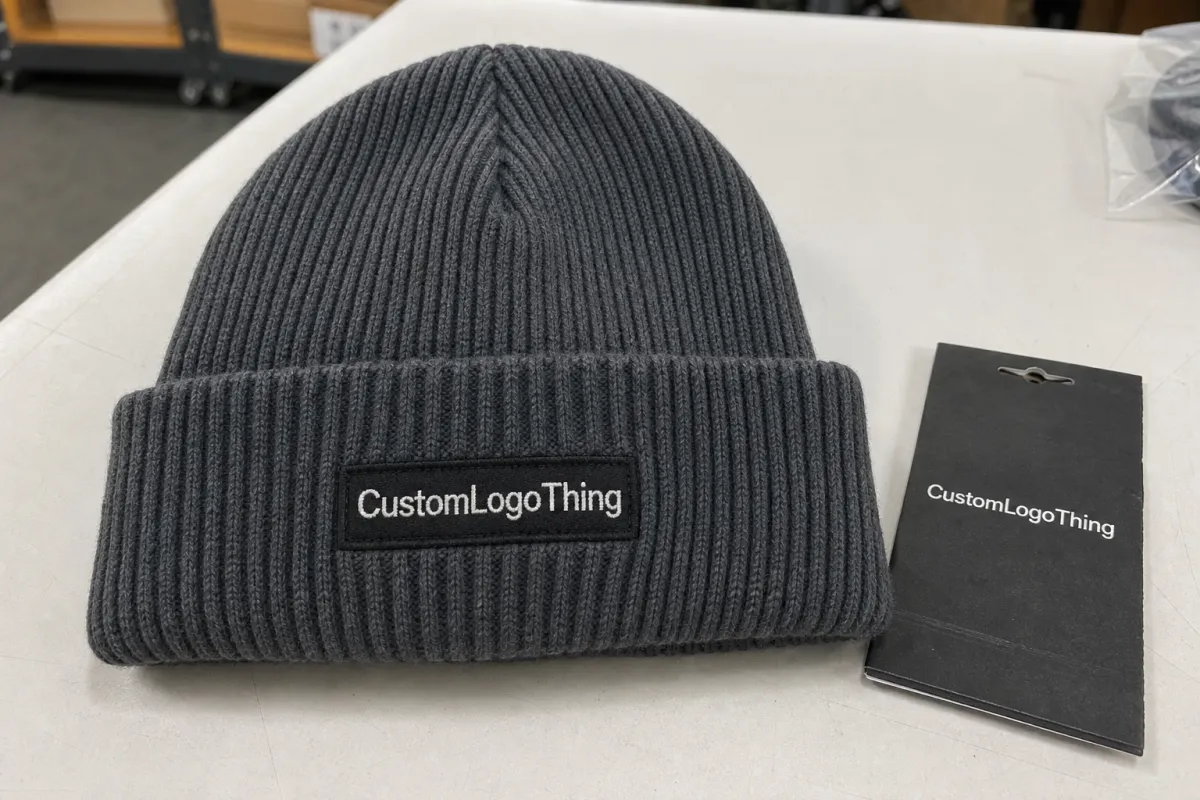
A ribbed winter beanie can be deceptive. Flat on a table, two samples may appear almost the same. Put them on a head, though, and the differences show up quickly: one hugs too tightly, another sags at the crown, and a third feels soft but never quite snaps back into shape.
The sample phase is where those problems surface before you commit to bulk production. A strong book Ribbed Winter Beanies Material Sample guide gives buyers a way to compare feel, recovery, warmth, and finish without leaning on vague impressions. It also gives your team a common language, so one person is not saying "soft" while another is flagging "too loose" and neither is describing the same fault.
From a packaging buyer's point of view, the sample is a working prototype. It should answer practical questions: does the yarn feel smooth or scratchy, does the rib stay crisp after handling, does the seam lie flat, and does the cuff keep its structure if the beanie is folded and packed repeatedly? Those are the issues that shape repeat orders more than a polished product photo ever will.
"A good sample should tell you what the bulk order will feel like after a few wears, not just how it looks fresh out of the bag."
That mindset matters because winter headwear has a narrow comfort window. If the hat feels cheap, too tight, or too warm for the climate, the buyer hears about it quickly. If it feels balanced, the piece becomes the sort of accessory that gets reordered without much debate. In practice, the market usually rewards the middle ground: warm enough, light enough, and structured enough to hold shape without fighting the wearer.
Book Ribbed Winter Beanies Material Sample Guide: How Samples Are Reviewed
The construction of a rib knit beanie is simple on paper and easy to underestimate. Alternating knit and purl columns create stretch, and that stretch is what gives ribbed styles their close fit and their ability to recover after being worn. A tighter rib usually feels more controlled and structured; a looser rib often feels softer, but it can also relax faster after use.
In practice, sample review should start with the knit itself, then move to yarn choice, then to finishing. Acrylic usually keeps cost down and can hold color cleanly. Wool adds loft and warmth. Blends often sit in the middle, balancing comfort, durability, and handfeel. Recycled fibers can shift the surface slightly, sometimes in a helpful way, sometimes in a way that needs a second approval before bulk production.
A proper review compares the sample under real conditions, not just under showroom light. I would look at the beanie after it has been worn for 10 to 15 minutes, folded into a pocket, put back on, and stretched across the same spot several times. That quick routine often exposes weak recovery or uneven tension faster than a visual inspection ever will. If a hat looks crisp until the first stretch and then loses its shape, the sample already did its job by warning you.
There is also a difference between a knit swatch and a full beanie sample. Swatches are good for yarn feel, stitch definition, and color direction. They are poor at predicting fit. A full sample shows crown shaping, cuff depth, seam behavior, and how the knit behaves once the beanie is worn and handled like a real product. If the order depends on a clean silhouette, the full sample deserves more weight than the swatch.
For transit testing, it helps to think like a packaging engineer. If samples arrive in a crushed carton, the knit may be distorted before anyone opens the box. The handling logic used in ISTA package test standards is useful here, even if you are not running a formal lab test, because it reminds buyers to check how the product survives compression, vibration, and repeated unpacking.
Another point that gets missed: sample review is not only about the beanie itself. If the item is shipped with a hangtag, belly band, or folded insert, ask whether those pieces are representative of bulk production. A tidy sample in the wrong presentation pack can hide issues that appear later in the full run. The same applies to size labels and fiber content labels. If the brand wants a consistent unpacking experience, the sample has to reflect the final packaging stack, not a best-case version.
Key Material Factors That Change Fit, Warmth, and Feel
Fiber content is the first thing to lock down. It drives warmth, softness, moisture handling, washability, and how the beanie behaves after repeated wear. A 100% acrylic knit can feel light and consistent, while a wool-acrylic blend often brings a warmer, richer hand. If the buyer wants a more natural story, wool content matters, but so does itch level, because comfort is still the final test. A technically warm beanie that irritates the forehead is a failed product, no matter how good the spec sheet looks.
Knit gauge changes the whole character of the sample. A denser gauge usually gives a cleaner shape and better wind resistance, while a looser gauge can feel airier and more relaxed. A 1x1 rib tends to stretch and recover more evenly; a 2x2 rib can look fuller and feel a touch heavier. If you are comparing two samples that use the same yarn but different gauges, they will almost always wear differently. That is why a swatch alone is not enough to approve a winter hat for real use.
Finishing is where a lot of perceived quality lives. Brushing can soften the surface, washing can reduce scratchiness, steaming can flatten the knit in a helpful or harmful way depending on the heat level, and anti-pilling treatments can keep the surface cleaner after handling. None of those steps is cosmetic only. They all affect the way the hat feels on first wear and after the tenth wear. A sample that feels excellent on day one but pills after a few rubs is not a premium item, even if the yarn content sounds impressive.
Weight matters too. Most Ribbed Winter Beanies sit in a practical range rather than a fashion-heavy one. A lighter beanie may land around 60 to 80 grams and suit mild climates or lower-cost retail. A denser, warmer style often lands closer to 90 to 120 grams, especially if wool content or a fuller double-layer construction is involved. Those numbers are not fixed rules, but they help buyers compare offers that otherwise sound similar.
Color is its own technical decision. Heathered yarns, melange blends, and deep winter shades can shift under different lighting conditions, which is why the same sample may look rich in daylight and flat under warehouse lamps. Ask for a sample photographed under neutral light and, if possible, compare it against your standard color reference before approval. That is especially useful when a retailer needs consistency across stores and e-commerce images. A charcoal that reads almost black on screen can be a problem if the merchandising team expected a softer gray.
If the sample includes paper packaging, there is a good chance you will also be deciding on sustainability details. FSC certified inserts, kraft paper wraps, and corrugated cardboard mailers can all support a cleaner presentation. Some buyers now ask for post-consumer waste content in the paper components, or a biodegradable packaging option for lightweight mail drops. Those choices do not replace product quality, but they do matter when a brand wants the whole package to feel aligned.
For fiber sourcing and paper claims, the FSC site is a useful reference point. It is not a substitute for a spec sheet, but it gives buyers a clean vocabulary for asking the right questions and checking whether the paper components match the claim.
Cost, Pricing, MOQ, and Quote Drivers
Sample pricing for ribbed beanies is usually shaped by four things: yarn type, stitch density, branding method, and how many revision rounds you need before approval. A simple knit swatch costs much less than a full pre-production beanie, and custom trims or logo work can push the number higher fast. If the factory has to source a special yarn or match a specific heather tone, that also adds time and cost.
Here is a practical comparison buyers can use when evaluating a sample quote:
| Sample Type | Typical Price | Best For | Watchouts |
|---|---|---|---|
| Small knit swatch | $20-$45 | Checking yarn feel, stitch appearance, and color direction | Does not show fit, crown shape, or cuff behavior |
| Full proto beanie | $60-$150 | Reviewing fit, warmth, finish, and branding placement | Needs more labor and usually takes longer to approve |
| Revision sample | $45-$120 | Fixing cuff depth, seam finish, label placement, or crown shaping | Can become expensive if feedback keeps changing |
| Presentation sample set | $120-$250 | Buyer reviews, retail signoff, and internal merchandising meetings | May include packaging choices such as FSC certified inserts or kraft paper wraps |
MOQ is another area where buyers often get the logic backward. It is not just about the finished hat. The real driver is yarn sourcing, knitting setup, and color matching effort. A factory might accept 300 to 1,000 pieces per color on a straightforward style, but the number can move if the yarn is special, the color is custom, or the brand wants multiple logo placements. The more custom the setup, the more the order needs to spread that work across units.
When you compare quotes, ask what is included. Does the price cover sample revisions, shipping, labeling, artwork adjustment, or tech pack support? Does it include recycled materials in the packaging, or is the sample just dropped into a plain polybag? A quote that looks lower on paper can be more expensive if it hides extra charges later. The cheapest sample is only cheap if it teaches you something useful.
There is also a speed-versus-cost tradeoff that buyers often discover too late. A rushed sample can save a week, but if it skips fit correction or leaves yarn questions unresolved, that week gets paid back during bulk problems. On the other hand, over-sampling can burn budget without improving the decision. The best quote is usually the one that makes the fewest assumptions and still gives you enough proof to approve the style with confidence.
"The lowest sample quote is not always the best value if it hides a fit problem that shows up in bulk production."
Sample Process and Timeline: From Swatch to Approval
A clean sample process usually follows a simple path: brief, yarn selection, knit test, first sample, review, revision, and bulk scheduling. The best briefs are specific. They state target fit, intended climate, color expectations, label style, packaging preference, and the level of softness the buyer wants against skin. A vague brief often leads to a vague sample.
Timing depends on what has to be sourced and how much change is involved. A plain swatch can come back in 3 to 7 business days if the yarn is on hand. A full beanie sample often takes 10 to 20 business days, and a revision round can add another 5 to 10 days. If there is custom color matching, a logo patch, embroidery, or a special packaging request, the calendar stretches further. Buyers who plan for one revision often end up needing two, so a little padding in the schedule is usually wise.
The difference between hand samples and factory-run samples matters more than some buyers realize. A hand sample can be useful for early handfeel and rough shape, but a factory-run sample gives a better read on repeatability, machine behavior, and consistency from piece to piece. If the final order needs to match a specific approved look, the factory-run sample is the one I would trust most. It is closer to the rhythm of bulk production, which means fewer surprises later.
Measurement control is another quiet part of the process. Good buyers ask for crown height, cuff depth, opening width, and overall length, then confirm the tolerance before approving the sample. Even a 1 to 2 cm variation can change how a beanie sits on the head. That may sound minor, but on a fitted rib style it can be the difference between a clean retail shape and a hat that slouches in the wrong way.
For shipping, sample sets usually move best in corrugated cardboard mailers with a simple kraft paper wrap inside, because that keeps the knit from getting crushed or snagged. If the buyer is asking for more sustainable packaging, recycled content in the outer shipper and FSC certified inserts are easy upgrades that do not usually change the product itself. That is also where biodegradable packaging can make sense, as long as it still protects the beanie from compression and moisture.
In buying terms, the best timeline is the one that leaves space for internal review, wear testing, and signoff before the season peaks. A sample approved too late can force the merch team to choose between speed and confidence, and that is rarely a good trade. A tighter calendar also raises the chance that small defects get waved through simply because everyone is trying to stay on schedule.
Common Mistakes Buyers Make With Beanie Samples
The first mistake is approving by appearance alone. A beanie can photograph beautifully and still feel itchy, sag after wear, or hold too much heat. Winter accessories live or die on comfort, so the handfeel has to be part of the decision, not a side note.
The second mistake is giving feedback that is too vague. "Cheap" does not help anyone. Say whether the issue is yarn handfeel, rib tension, cuff stiffness, seam quality, crown shape, or finish. Specific feedback shortens the revision cycle and keeps the factory from guessing. It also helps the buyer defend the choice later, which matters when retail teams ask why one sample was rejected and another was approved.
The third mistake is comparing samples under different conditions. If one sample was steamed and another arrived dry, they are not being judged fairly. The same goes for lighting, handling, and storage. I like to see samples reviewed on the same table, in the same light, after the same amount of wear. Without that discipline, the review turns into a contest between packaging states instead of materials.
The fourth mistake is skipping wash and wear checks. Winter headwear should not be judged only when it is fresh out of the package. Try a short wear test, then a fold-and-recover test, and if the material allows it, a simple wash or steam test. Even a 2 to 3 hour wear window can tell you a lot about pressure points, stretch recovery, and whether the inner seam bothers the skin. If the beanie puffs up after steam or shrinks after a light wash, that fact belongs in the approval notes.
The fifth mistake is forgetting that the sample is only as good as the comparison point. If the team has no approved reference for gauge, fit, and finish, every new sample gets judged by gut feeling. That is slow and unreliable. A single benchmark sample with measurements and material notes makes later decisions much easier.
What a fast buyer check should include
- Feel the yarn at the cuff and crown, then compare it after stretching the rib 20 to 30 times.
- Check seam neatness, label placement, and whether the inner finish scratches or folds cleanly.
- Compare the sample under the same light and after the same handling.
- Confirm that the sample matches the size, gauge, and packaging you actually plan to order.
One more thing: do not ignore the package that brings the sample to you. If the carton is dented, the beanie may be flattened enough to change the first impression. That is why some teams borrow the same common sense used in ISTA-style handling checks and ask whether the sample shipment itself was protected well enough to preserve the knit.
Expert Tips and Next Steps Before You Place the Order
The easiest way to avoid a bad decision is to score every sample the same way. Build a simple comparison sheet with columns for handfeel, stretch recovery, warmth, fit, price, branding quality, and packaging. If you want to keep the review objective, give each category a score from 1 to 5 and add a short note explaining why it earned that number. Numbers do not remove judgment, but they do make bias easier to spot.
Keep one approved golden sample and treat it like the reference point for bulk production, future reorders, and color checks. Put the measurements, yarn composition, gauge, finishing notes, and packaging spec in the same file so the approval does not live only in email threads or a phone memory. That becomes especially useful if the style comes back months later, because winter accessories are often reordered long after the original buying team has moved on.
I also recommend asking for a very clear material note. You want the yarn content, rib structure, gauge, finish, and any packaging calls written down in plain language. If the beanie ships with a recycled paper insert, make sure the note says whether it is FSC certified, made from post-consumer waste, or just generic kraft paper. That detail may sound small, but it keeps the spec repeatable.
When buyers need a simple framework, I suggest three checks before approval: does the sample feel right on skin, does it recover after stress, and does the cost still make sense once the whole package is counted? Those three questions filter out a surprising number of mediocre options. A beanie can survive one weak answer; it usually cannot survive three.
Here are the next steps that usually save the most time:
- Shortlist two or three yarn options that fit the target price.
- Request one swatch and one full sample if fit matters.
- Wear-test the samples in the same conditions.
- Lock the approved version into one written spec before bulk booking.
Use the book ribbed winter Beanies Material Sample guide as a real buying tool, not a mood board. If you compare the samples with a clear eye, note the exact material behavior, and confirm the packaging and approval details before release, you are far more likely to get a beanie that feels right, sells well, and stays consistent when the bulk order lands.
What should I ask for in a ribbed winter beanie material sample?
Ask for fiber content, gauge, yarn weight, finish, and a note on how the sample was made so you can compare it fairly. If fit and cuff shape matter, request a full beanie rather than only a swatch. I would also ask whether the sample represents bulk production or a test piece, because that changes how much confidence you should place in it.
How do I compare two beanie sample materials fairly?
Check both samples under the same lighting, after the same amount of handling, and ideally after a wash or steam test. Use the same scoring criteria for softness, stretch recovery, warmth, structure, and price. The most useful comparison happens after wear, not just when the samples are fresh out of the package.
Why does one ribbed beanie sample feel tighter than another?
Differences in knit gauge, yarn thickness, and rib tension can make one sample fit much closer than another. Finishing steps like steaming or blocking can also change the final feel. A tighter sample is not always better if it reduces comfort or makes the beanie over-stretch after a few wears.
How much should material samples cost for winter beanies?
Simple swatches are usually cheaper than full pre-production beanies because they use less labor and material. Pricing rises with custom yarns, color matching, logo work, and extra revisions. A proper quote should clearly say whether shipping, setup, and sampling rounds are included, so you do not compare incomplete numbers.
How long does the ribbed beanie sample process usually take?
Timing depends on yarn availability, sample complexity, and whether revisions are needed. Basic swatches can move quickly, while full sample rounds take longer because they need knitting, finishing, review, and shipping time. That is why a book ribbed winter Beanies Material Sample guide should stay attached to the approval notes until the order is fully locked.


