Book unstructured dad hats Bulk Order Planning today. If you need to book unstructured dad hats bulk order planning for a promotion, team shop, or retail drop, the main issue is usually not the blank cap. It is how the decoration behaves on a soft crown. That changes artwork approval, setup, lead time, and whether the logo lands cleanly on the finished hat.
Why Unstructured Dad Hats Scale Well in Bulk
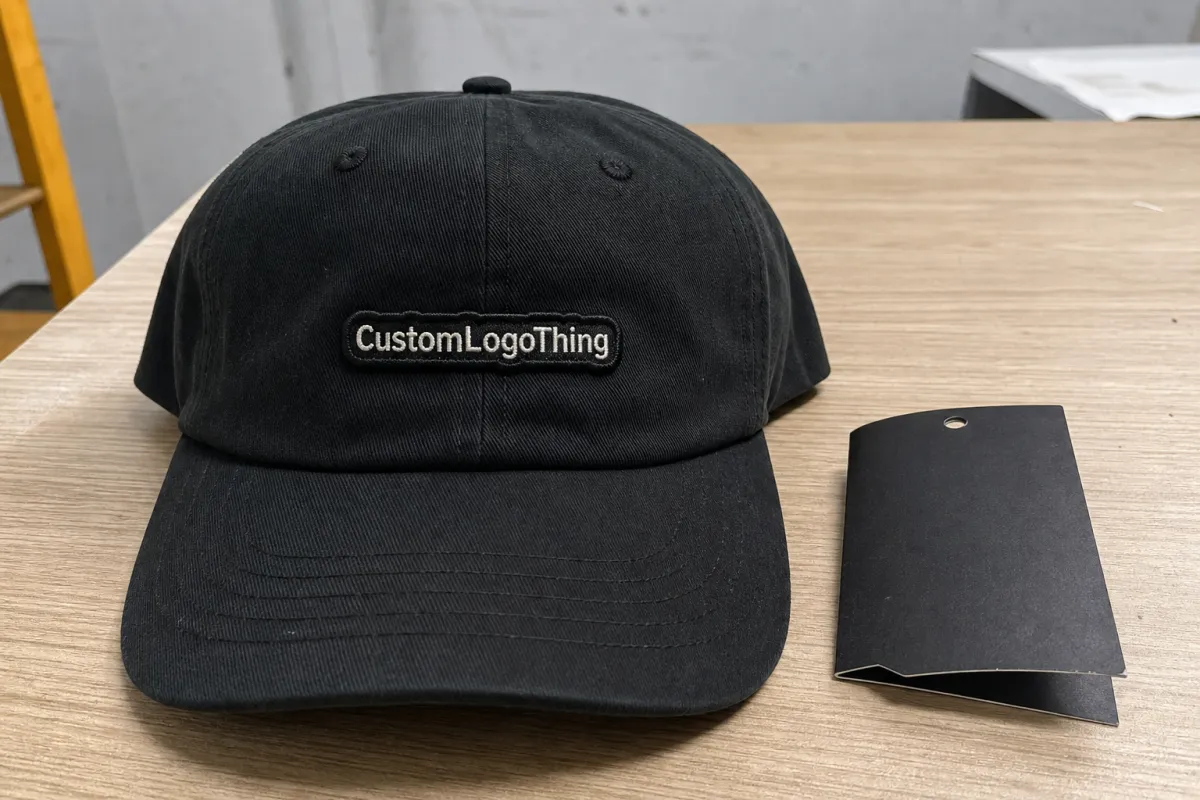
Unstructured Dad Hats work well in bulk because they are easy to wear, easy to merchandise, and broadly useful across giveaways, retail basics, staff apparel, and local team programs. The casual silhouette makes them a low-friction choice for buyers who want a style that fits a wide audience without feeling stiff or overly branded.
The production advantage is the soft front panel. A structured cap gives decoration a flatter surface, while an unstructured cap flexes during stitching and finishing. That means artwork often needs to be simplified or repositioned so it does not look crowded, high, or puckered on the finished hat.
Bulk buyers also benefit from the way softer hats pack and ship. They usually nest better than rigid caps, which can help with carton count and freight planning. On smaller orders the savings may be modest, but on larger runs the difference can affect pallet space and landed cost.
Repeat programs are easier to manage when the supplier already understands the body, decoration method, and artwork style. Then the next order is mostly about verification instead of reinvention. That is the practical value of book unstructured dad hats Bulk Order Planning done well.
"A soft crown can hide small flaws in the blank, but it exposes weak decisions in the artwork."
Fit, Crown Shape, and Closure Details That Matter
The first decision to lock in is crown profile. Low-profile dad hats sit closer to the head and feel more relaxed, while mid-profile versions add front height and can make the logo more visible. That choice affects fit, photography, and how much room the decoration has, so it should be confirmed before final artwork approval.
Construction details matter too. Six-panel builds are common because they distribute shape evenly, but the softness of the front panel is the real variable buyers need to review. Brim shape also changes the final impression: a lightly curved brim feels more retail-ready, while a fully pre-curved brim reads more casual and worn in.
Closure style affects both fit and perceived value. Self-fabric straps are classic and work well for retail. Buckles feel a little more finished. Snapbacks make sizing simple for giveaways. Velcro gives flexibility but usually lowers the premium feel. The right closure is the one that matches the audience and the use case.
Comfort is not a minor detail. A softer sweatband can help for long shifts or outdoor events, and crown softness changes how the cap sits over a full day. A sample or clear approval image is worth the time because it is much easier to adjust fit expectations early than after production is complete.
If the crown shape, closure, and logo placement all look right on a sample, the bulk run usually stays on track. If one of those details feels off, the issue tends to show up across the whole order.
Fabric, Decoration Zones, and Brand Finish Choices
Fabric affects more than hand feel. It changes decoration behavior, color consistency, and how the hat presents in person. Brushed cotton is common for promotional headwear because it feels soft and familiar. Chino twill offers a cleaner surface and often works well for embroidery. Pigment-dyed cotton gives a broken-in look, while washed canvas reads more rugged. Performance blends are useful when moisture control matters.
Decoration placement is where many bulk orders gain or lose value. Front embroidery is still the default, but side hits, back hits, woven labels, patches, and interior branding can change the way the hat lands on shelf. A giveaway piece may only need a simple front stitch, while a retail basic may need a woven label and a cleaner interior finish.
Artwork should be matched to the cap, not just approved on screen. Soft-front hats usually look better with simple type, bold shapes, and fewer fine details. Small lettering and heavy fills can pucker if the stitch count is too high or the underlay is too aggressive. Asking how the supplier will manage stitch density is more useful than asking only whether embroidery is possible.
Color control is another place where buyers should be specific. Garment-dyed or pigment-dyed caps can shift slightly between lots, so Pantone targets and thread approval matter when brand accuracy is important. The same applies to patch material, label color, and packaging inserts. If the program has sustainability requirements, ask for documentation instead of accepting a vague claim. For fiber sourcing language, the Forest Stewardship Council is more useful than a generic promise.
Repeat buyers usually keep a spec sheet on file for a reason. Once the fabric, closure, crown profile, decoration method, and packaging format are approved, the next order moves faster and comes back more consistently. That is one of the main operational benefits of book unstructured dad hats Bulk Order Planning.
Pricing, MOQ, and Unit Cost for Bulk Orders
Unit cost only makes sense after you separate the hat from the decoration, setup, and freight. A blank unstructured dad hat may look inexpensive, but the landed price changes quickly once artwork, packaging, and shipping are added. The useful question is what the finished, delivered cap costs after every line item is accounted for.
MOQ usually reflects supplier constraints. Sometimes it is driven by blank inventory, sometimes by decoration setup, sometimes by patch tooling, and sometimes by the number of colorways in the order. Splitting one style across too many colors or adding multiple decoration placements usually raises the unit cost because the work is repeated.
| Decoration option | Best fit | Typical setup burden | Typical bulk cost impact |
|---|---|---|---|
| Flat embroidery | Simple logos, team names, promotional runs | Low to moderate | $0.70-$1.80 per cap |
| Woven patch | Detailed artwork, retail basics, cleaner edge detail | Moderate | $1.00-$2.40 per cap |
| Leather or PVC patch | Premium merch, rugged look, stronger shelf presence | Moderate to higher | $1.25-$3.00 per cap |
| Inside label or taping | Retail programs that need full brand finish | Higher on small runs | $0.20-$0.60 per cap |
Hidden costs matter because they often sit outside the headline quote. Digitizing may run $25-$75 depending on logo complexity. Patch tooling can add $60-$180. Sample fees are usually modest, but rush freight, split shipments, and late changes can erase the savings from a lower base price. Ask for a line-item quote that separates blank cost, decoration cost, setup, freight, and tax.
For larger volume programs, it helps to know whether the order is coming from existing blank stock, a fresh production run, or a hybrid of the two. Those paths do not price the same way, and they do not move on the same timeline. Our Wholesale Programs page is a good starting point for buyers who want volume pricing framed around production logic instead of retail assumptions.
Process and Lead Time from Quote to Delivery
The production path should be orderly: inquiry, spec confirmation, artwork review, sample or mockup approval, purchase order, production, inspection, and shipment. Each step exists to prevent a later problem, so skipping one may save a day early and cost a week later.
Delays usually appear in the same places. Low-resolution art slows digitizing. A late color change triggers another proof. Waiting too long on a sample can push the schedule past the event date. For decorated hats, blank inventory and decoration method usually determine pace more than the cap style itself.
If stock is already available, many orders can move in roughly 12-20 business days after proof approval. If the order needs custom patches or special packaging, three to five weeks is a safer expectation. Shipping time should be treated separately because transit can add several days depending on carrier, lane, and destination.
Packaging is not an afterthought. Carton strength, pack count, and pallet planning affect whether the order arrives intact. If the hats are moving through parcel networks or mixed freight, crush resistance and abrasion become real issues. It is reasonable to ask whether packout has been checked against packaging guidance similar to ISTA methods.
For a faster path, get the art right early, approve one clean sample, and lock the ship date before production starts. That sequence avoids most of the back-and-forth that slows bulk headwear orders and gives the buyer a solid reference if anything shifts during production.
Supplier Checks That Reduce Reorder Risk
A low quote is not the same thing as a safe order. Before placing a larger run, ask for evidence of production consistency, sample accuracy, decoration registration, stitch quality, and carton count controls. If the supplier cannot explain those checks, the risk moves back to the buyer.
Approved measurements should be documented, along with exact color references, decoration placement, and the art file used for production. That way the next run does not depend on memory or a casual photo. A reliable supplier treats the approved sample as a baseline, not a rough reference.
Ask direct questions about defects and tolerances. What underrun or overrun is acceptable? Are replacements available if a small portion fails inspection? How are slight placement shifts handled? These are normal purchasing questions, and a good supplier should answer them clearly.
If the program includes multiple colorways or mixed closure types, check how the supplier keeps each variation separated. Mixed programs are where label errors, count mistakes, and packing confusion show up. A clean order file should reduce that risk, not hide it. That is one of the practical realities behind book unstructured dad hats Bulk Order Planning.
A hat that costs a little more but ships correctly, matches the approved sample, and arrives ready for retail can be the better buy. Price matters, but rework usually costs more than most line items admit.
Next Steps to Lock In the Right Bulk Hat Program
Start with the core checklist: quantity, closure, crown profile, fabric, color range, decoration method, and delivery date. If even one of those items is unclear, the quote will float. Better inputs create tighter pricing and more realistic lead-time estimates.
Then gather the artwork properly. Vector files are ideal. If Pantone references exist, include them. If the logo contains small text or thin lines, say so early, because that may push the supplier toward a patch or a simplified stitch file. A digital mockup is enough for a first review. A physical sample is usually smarter for final approval, especially for retail or branded programs.
- Confirm target quantity and acceptable MOQ.
- Choose one closure style and one crown profile.
- Approve the decoration method before asking for final pricing.
- Request a line-item quote with setup, freight, and sample cost.
- Save the approved spec sheet for the next reorder.
The cleanest way to manage a bulk hat program is to standardize the details before production starts, then repeat the same build on future runs. Once the spec is fixed, the order moves faster, the product looks more consistent, and the buyer spends less time cleaning up preventable issues.
FAQ
How far ahead should I plan a bulk order of unstructured dad hats?
Plan early enough to cover artwork approval, sample review, production, and transit. If the order needs a custom patch or special packaging, add more buffer. Rush jobs can work, but only when blank inventory and decoration capacity are already available.
What MOQ is normal for unstructured dad hats in bulk orders?
MOQ depends on whether the order is blank, embroidered, patched, or fully branded. Mixed colors or mixed decoration locations usually increase the minimum quantity or push the unit cost higher. Ask for MOQ by style and decoration method before you finalize the spec.
Which decoration method works best on unstructured dad hats?
Simple embroidery usually gives the most dependable result on soft-front caps. Patches and woven labels can work well when the artwork is detailed or needs a stronger retail look. Very dense stitch patterns should be approved carefully because soft crowns do not hold every design equally well.
Can I mix colors in one unstructured dad hat bulk order?
Yes, but color mixing can affect MOQ, lead time, and unit cost. A limited palette is easier to manage than a long list of small splits. Confirm whether each color needs its own setup or can be pulled from shared inventory.
What files do I need to start book unstructured dad hats bulk order planning?
Send vector artwork whenever possible, along with logo placement notes and Pantone references if color matters. A PNG or JPG can work for a first mockup, but it is not ideal for final production. Clean artwork speeds up the quote and approval process.

