Book Woven Label Beanies Material Sample Guide for Buyers
A beanie can look polished in a mockup and still disappoint in hand. The knit may feel drier than expected, the cuff may lose shape, or the woven label may sit too stiffly against the fabric. That gap between screen and reality is exactly why a book woven label beanies material sample guide matters. It gives buyers a way to judge construction, comfort, and presentation before the order becomes expensive.
Beanies are unusually sensitive to small changes. A slight shift in stitch density changes the drape. A different yarn twist changes softness and pilling. A label sewn a few millimeters too low can distort the cuff when the cap is worn. None of those details sounds dramatic on paper. Together, they decide whether the product feels retail-ready or merely close.
A useful sample set should be organized, not vague. It should include swatches, yarn references, label versions, and notes that explain what changed from one round to the next. That is the practical value of a book Woven Label Beanies Material Sample guide: fewer guesses, faster approvals, and less risk of approving a style that works in theory but misses the mark in use.
What the sample guide reveals before you buy
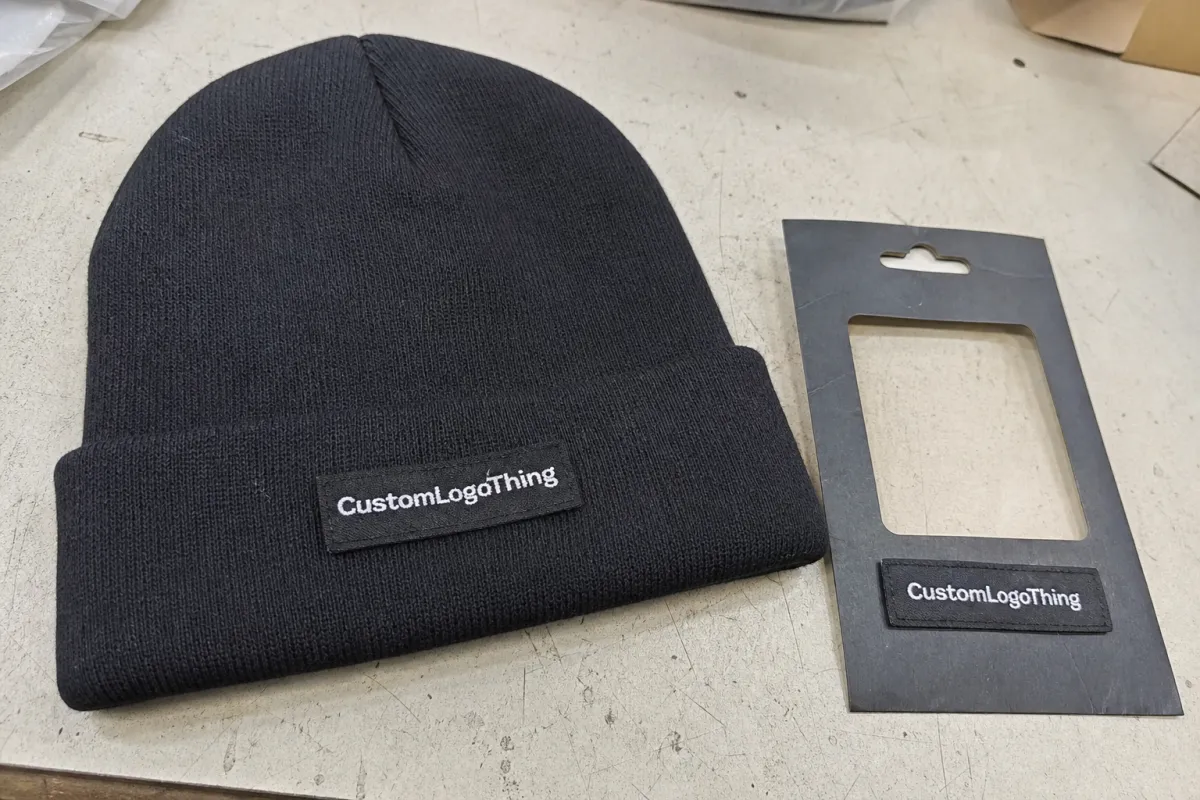
The first thing a physical sample reveals is the distance between presentation and product. A beanie can look centered, balanced, and premium in a render while still sitting awkwardly on the head because the crown is too shallow or the cuff is too loose. Buyers often study color first, but for a wearable knit item, hand feel, stretch recovery, and label clarity usually decide whether the piece feels saleable.
Material samples matter even more on beanies than on flat accessories. Knit items hide less. Yarn choice affects warmth and itch risk. Stitch structure affects bulk. Washing behavior affects whether the cap keeps its shape after one or two home-care cycles. A buyer reviewing a sample is not only checking appearance; they are testing whether the construction supports the intended price point and return risk.
The strongest sample package reads like a decision record. It should show the exact yarn blend, knit gauge, cuff height, and woven label version sewn into the sample. Side-by-side color comparisons help too, because a label that looks crisp against a plain background can disappear once the knit texture and lighting are added. If the supplier offers Custom Labels & Tags, the sample set should make label weave density, edge finish, and contrast easy to compare without decoding factory shorthand.
A good sample should answer three questions quickly: does it feel right, does it photograph well, and does it hold its shape after handling?
Packaging affects the judgment more than many buyers expect. A beanie that arrives compressed in a thin mailer can look flatter than it truly is. Better sample kits usually ship in corrugated cardboard cartons, often wrapped with kraft paper. Some include recycled materials or post-consumer waste content in the outer pack, which helps preserve the sample and keeps sustainability claims credible when they are documented. If packaging is part of the brand story, ask whether biodegradable packaging is actually suitable for the material and transit conditions, not just available as a checkbox item.
For shipping durability, ISTA transit testing guidance is a useful benchmark. It is not only for large retail programs. A crushed sample can lead a buyer to reject a construction that would have looked fine once unpacked and blocked into shape.
If you need to confirm paper claims for inserts or cartons, the FSC site explains certification basics clearly. That matters when the presentation box, hang tag, or insert card is part of the perceived product value.
Sample process and timeline: from yarn swatch to approval
A good sampling process follows a sequence. It begins with a brief: target customer, season, size, decoration style, and budget ceiling. The supplier confirms yarn options and label construction, then builds swatches or lab dips where needed. After that comes the proto sample, the sewn-in woven label, and the finished beanie for review. Each step should tell the buyer what changed and why.
Lead time depends on what is already available. If the yarn is stock and the woven label is a standard run, the first sample often lands in 7-12 business days after brief approval. If the yarn needs custom dyeing or the label requires a new weave setup, the timeline can move to 12-20 business days. Those are practical ranges, not promises. Factory load, peak season demand, and the number of variables in the request all affect speed.
Three bottlenecks show up again and again. Yarn sourcing comes first. Loom scheduling for the label comes second. Machine time for the beanie itself comes third. Buyers can usually save time by locking the blank construction before asking for cosmetic changes. A color correction is easier than a knit structure change. A knit structure change is easier than changing the label backer, weave density, and placement at the same time.
Revisions work best when they stay narrow. If the first sample is close but the shade leans warm, one correction may solve it. If the crown fit is wrong, the label is too thick, and the cuff is too short, the factory may need to rebuild the sample from scratch. That resets the clock and makes the feedback harder to interpret. It also tends to create avoidable debate about which change caused the improvement.
Good sample files also show context. Ask whether the supplier photographs the beanie under neutral lighting and marks each variant clearly. The file should identify the yarn lot, the label version, and any finishing wash applied. Without that information, the buyer is comparing objects without the production details that explain them.
Material, stitch, and finish factors that change the final hand feel
Beanies are a study in small choices with large consequences. The most common fiber groups are acrylic, wool blends, recycled yarns, and cotton mixes. Acrylic usually keeps costs steadier and color matching simpler. Wool blends often feel warmer and more premium, though they can raise the price and introduce itch concerns depending on the blend ratio. Recycled yarns support sustainability goals, but the color range may be narrower and the texture can vary more from lot to lot. Cotton blends are softer in some cases, yet they are less insulating and may not suit cold-weather use.
The stitch profile matters just as much as the yarn. A tighter rib gauge tends to look cleaner and more retail-ready. It can also feel less breathable. A looser knit may drape better and feel lighter, but it may lose structure sooner after wear. A buyer should check whether the sample is single-layer or double-layer, because that changes warmth, bulk, and how much room exists for the woven label inside the cuff.
Finish details deserve equal attention. Cuff height, seam type, wash treatment, and label placement all influence the final impression. A cuff that measures 2.5 inches instead of 3.25 inches can make the same beanie feel more athletic or more fashion-led. An overlock seam may be acceptable for a budget order, while a linking seam usually feels cleaner against the skin. If the label sits too low, it can twist as the beanie stretches. If it sits too high, it can pull on the knit. Those are sample-stage issues, not post-production surprises.
The woven label itself should be judged carefully. Thread thickness affects sharpness. Edge quality affects how polished the item looks when the cuff flexes. Contrast affects legibility in both retail display and photography. If the weave is too fine, the logo can lose detail. If it is too coarse, the badge may feel thick or rough. The knit and the label should be reviewed together, because each affects the other.
Use the intended retail use case as the reference point. A stadium giveaway beanie and a boutique winter beanie are not asking for the same finish, even if the logo is identical. One can tolerate a looser hand and simpler trim. The other usually cannot. That distinction should guide the sample review from the start.
Pricing, MOQ, and quote variables that move sample and unit cost
Sample pricing is usually modest, but the assumptions behind the quote matter more than the line item itself. The biggest cost drivers are yarn grade, color count, label complexity, revision count, and whether the factory charges setup or tooling fees for the knit or the label. A simple sample can be inexpensive because the supplier already has compatible yarn in stock. A more ambitious sample can cost more because it asks for custom dyeing, a new weave, and a re-run if the first version misses the target.
MOQ is where buyers often get caught off guard. A supplier may quote a low sample rate and then require a higher production minimum once the spec is locked. That is normal. What is not normal is comparing quotes that do not describe the same construction. One quote may include a folded woven label and plain polybag packing. Another may include custom hang tags, tissue, and branded cartons. If those assumptions are not normalized, the cheaper quote is often just the thinner one.
| Sample or order type | Typical sample cost | Common MOQ | Typical timeline | Best for |
|---|---|---|---|---|
| Stock yarn, standard woven label | $18-$35 | 300-500 pcs | 7-12 business days | Fast approvals and simple logo beanies |
| Custom yarn color, standard label | $25-$55 | 500-1,000 pcs | 12-20 business days | Matched brand colors and tighter retail control |
| Fully custom knit, woven label, upgraded packaging | $40-$90 | 1,000+ pcs | 15-25 business days | Private label programs and higher-margin programs |
Unit cost usually changes in predictable steps. Better label finishing can add a little per piece. Custom dyeing can add more, especially if the color is brand-critical and needs a dedicated lot. Multiple sizes or multiple colorways add complexity because each variation pulls more machine time and packing labor. On a 5,000-piece run, the difference between a basic stock build and a more customized build can amount to several tenths of a dollar per unit. On larger orders, that difference compounds quickly.
The safest way to compare quotes is to compare the same construction, the same embellishment, and the same packing assumptions. Otherwise the buyer is comparing assumptions, not suppliers. That is how a cheap-looking offer becomes an expensive revision cycle later.
How to review a sample beanie step by step before approval
Start with a controlled check. Put the sample beside the tech pack, the color reference, and the intended end use. If the beanie is for winter retail, judge it like winter retail. If it is for a trade show giveaway, do not reject it for being lighter than a premium fashion piece would be. Context changes the pass-fail line.
Then move in order: fit, hand feel, label, seams, and recovery. Fit tells you whether the crown height and cuff balance are right. Hand feel tells you whether the fiber blend matches the season. Label placement tells you whether the brand mark stays visible in wear. Seams tell you whether the beanie will irritate the skin or twist out of shape. Recovery tells you whether the knit rebounds after stretching. A sample that looks good flat but collapses after a short wear test is not ready.
Do at least one real-world test before approval. Stretch the cuff several times. Wear the beanie for ten to fifteen minutes. Photograph it under neutral light and then under retail-style lighting. If the product will be washed by end users, ask for wash-performance notes or test a light wash. For repeat-laundered programs, colorfastness data aligned with common ASTM or AATCC-style wash expectations can be worth asking for. Not every order needs formal lab testing, but a premium shelf price without performance data is a risky bet.
If a sample cannot survive a few minutes of handling, it probably will not survive a season of display, returns, and customer use.
Document the result in one place. Do not leave feedback split across email, text messages, and a spreadsheet nobody opens. A clean approval sheet should say what passed, what needs revision, and what is rejected. When the supplier receives one clear document, the next round is much more likely to match the buyer’s intent.
Check packaging the same way the customer will experience it. A beanie packed in a branded insert card may present differently than one packed loose in a polybag. Small packaging changes can alter the reveal, which is why the review should include the full unpacking sequence, not only the knit itself.
Common sample mistakes that create expensive beanie rework
The biggest mistake is approving from a screen. Lighting hides problems. Compression hides texture. A woven label can look crisp in a render and muddy in a real sample if the thread count is too low or the contrast is too subtle. Buyers who skip the physical sample often learn the hard way that a digital proof is only a rough draft.
Another common error is vague feedback. “Make it softer” does not tell the supplier whether to change the fiber blend, the stitch density, or the finishing wash. “Make it cleaner” does not say whether the issue is seam bulk, label placement, or color contrast. Factories can only correct what they understand. Ambiguous feedback produces another round, and another round burns time.
Packaging can distort judgment too. If the sample arrives in an undersized carton, a damp environment, or a weak mailer, the beanie can pick up creases and flattening that have nothing to do with production quality. A proper corrugated cardboard shipper with kraft paper protection is usually enough. In some programs, the buyer may also ask for FSC certified materials or content made from post-consumer waste. That protects the sample and supports the brand story if the claim is documented correctly.
Do not treat one sample as universal proof. A factory may use a slightly different yarn lot in bulk, a different finishing line, or a different label sewing team. That does not automatically mean the sample was misleading. It does mean the final spec needs enough detail to hold the production run close to the approved version. Without that detail, the bulk order drifts.
Finally, do not let one good feature hide a bad one. Soft hand feel does not excuse crooked label placement. A beautiful label does not excuse poor recovery. Buyers should judge the sample as a whole, not as a stack of isolated wins.
What to do next before you place the beanie order
Before moving from sample to bulk, build a short decision list. Mark each element as accept, revise, or reject: yarn, gauge, label weave, label placement, cuff height, seam finish, and packaging. That keeps the conversation clean and prevents the common trap where everyone says “looks good” and later remembers three unresolved details.
If only one variable failed, ask for a second sample that changes only that variable. If three variables failed, stop and reset the spec sheet. A focused revision is faster and cheaper than a broad one. It also helps the supplier understand which change actually improved the product. Every extra round can affect machine scheduling and reorder timing, which is why a clear spec matters so much.
Lock the final spec sheet, production timeline, and quote assumptions before approving bulk. If the sample was shown with one label finish and one packaging method, carry those details into the order. If custom hang tags or a different outer carton are planned later, write them into the plan now. For buyers managing a private label beanie range, that kind of clarity saves real money.
The best use of a book Woven Label Beanies material sample guide is simple: align the buyer, the designer, and the supplier before the order becomes costly. Less guesswork, tighter specs, and a product that feels right the first time it is worn. That is the point of the exercise, and it is usually what separates a passable beanie from one that earns repeat orders.
What should I check first in a woven label beanie material sample?
Start with hand feel, stretch recovery, and whether the knit matches the intended wear season. Then check label placement, contrast, and edge quality, because those details change perceived quality quickly.
How long does a beanie sample usually take to produce?
Simple samples can move faster when yarn and label materials are already in stock. Lead time increases when the supplier must source specialty yarn, weave custom labels, or revise the knit structure.
What affects pricing in a book woven label beanies material sample request?
Yarn grade, color count, label complexity, and the number of revisions are the biggest cost drivers. MOQ and tooling assumptions often appear later in the quote, so compare the full spec rather than the sample line alone.
How many sample rounds are normal before approving production?
One round is enough when the spec is clear and the materials are straightforward. Two rounds are common if you are refining color, label finish, or a new knit construction.
Can I compare different yarns and label finishes in one sample order?
Yes, if you ask for a structured comparison and label each option clearly. Keep the number of variables small so you can tell which change improved the look, comfort, or price.


