Getting a sharp boutique buyer custom Poly Mailer Bags factory quote checklist is less about chasing the lowest number and more about giving the factory enough detail to price the job correctly the first time. Missing size, thickness, closure, print count, or freight assumptions usually creates the delay, not the factory’s willingness to quote. For boutique buyers, that matters more than it does for larger accounts because the order has to support premium presentation, lower volumes, and a narrow launch window at the same time.
Loose packaging briefs tend to push the true cost into follow-up questions, redraws, sample revisions, and freight surprises. That becomes especially frustrating when the mailer sits inside a larger branded packaging or package branding program that also includes hang tags, tissue, labels, or even Custom Poly Mailers built to match the rest of the product packaging story. A complete spec sheet gives the factory a way to quote the right film, the right print method, and the right carton pack without guesswork.
If you are sourcing for a limited drop, seasonal launch, or small-batch e-commerce run, the goal is straightforward: make the quote usable, comparable, and ready for approval without a week of back-and-forth. That is the real value of a practical boutique buyer Custom Poly Mailer Bags factory quote checklist.
Boutique Buyer Custom Poly Mailer Bags Quote Basics
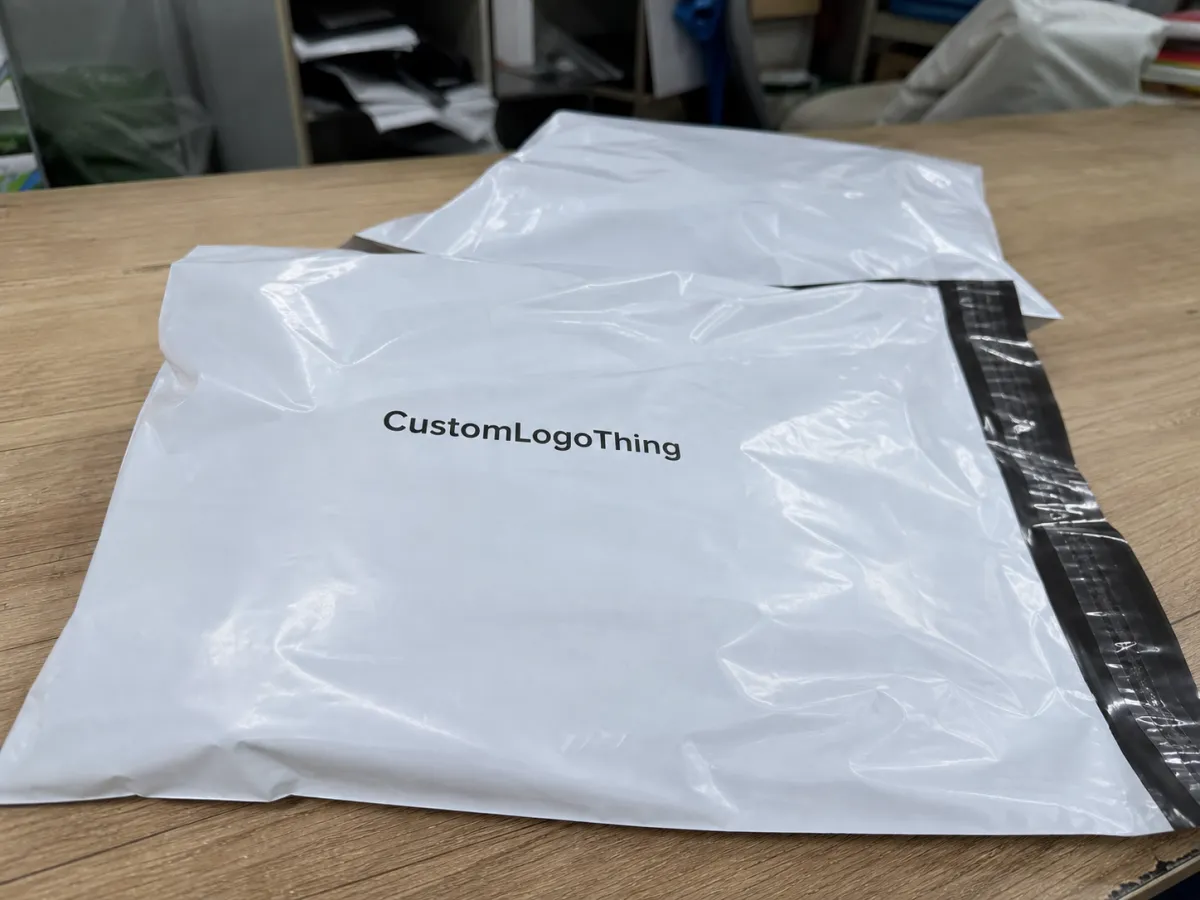
A factory quote is only as good as the input behind it. Leave out finished size, film thickness, closure style, artwork count, or carton pack, and the factory has to fill in the blanks. Those blanks usually come back as price variance or a revised lead time. Boutique buyers have less room to absorb a bad guess, so the quote has to support a premium customer experience from the first shipment.
Think of the RFQ as part of the packaging design process, not just procurement. The mailer is protecting the item in transit, carrying the visual identity, and shaping the customer’s first physical impression. If the quote does not include freight assumptions, the landed cost can be off by a meaningful amount once duties, carton count, and transport are added.
A factory can only quote what it can see. If the bag spec is fuzzy, the number on the page is fuzzy too.
That is why the buyer should spell out the basics in plain language:
- Finished bag size and opening direction
- Thickness target in mils or microns
- Film color, opacity, and finish
- Print colors, white underprint, and coverage area
- Closure type, seal style, and any tear feature
- Target quantity, ship-to location, and delivery window
- Carton pack, label needs, and sample request
That single page of data reduces clarification loops and makes the boutique buyer Custom Poly Mailer bags factory quote checklist far more useful. It also helps the buyer compare the quote against other formats, whether the rest of the line includes Custom Packaging Products such as inserts, labels, or custom printed boxes that need to land in the same branding program.
Film, Build, and Print Choices That Change the Result
Poly mailers are not all built the same, and that is where a lot of quote confusion starts. LDPE is common because it seals cleanly and stays flexible. HDPE can feel crisper and is often lighter, but it is not the best fit for every premium presentation. Co-extruded film gives more control over strength, opacity, and seal behavior, while recycled-content blends can support a more credible materials story without moving away from plastic mailers entirely.
Build style matters just as much. A side-seal bag is often efficient to produce and gives a neat edge profile. A bottom-seal construction can suit certain fill shapes, while peel-and-seal closures help packers close mailers quickly and consistently. A tear strip adds convenience for the customer, and tamper-evident features matter for higher-value product packaging where visible evidence of opening is useful.
Finish changes the brand impression fast. Gloss film makes color pop and usually looks sharper under retail lighting. Matte film feels calmer and more restrained, which can work well for boutique labels that want a softer look. Tinted film changes contrast, and white ink underprint can make logos readable on dark or translucent structures. That detail is easy to miss in early packaging design, then expensive to correct after proofing.
There is also a practical side to all this. A heavier product, a sharp corner, or a bag that flexes during transit needs a structure that can resist puncture, not just one that looks good in a mockup. If the item is soft goods, the build can often be lighter. If it includes hardware, boxed cosmetics, or a rigid insert, the film and seam strength need more attention.
Here is a simple comparison buyers can use before asking for numbers:
| Option | Typical Use | Quote Impact | Buyer Advantage |
|---|---|---|---|
| LDPE with standard print | Soft goods, apparel, light e-commerce shipments | Usually lowest setup complexity | Good balance of cost and flexibility |
| Co-extruded film with white underprint | Premium branding, darker film colors, stronger opacity needs | Higher print and material cost | Better visual control and stronger presentation |
| Recycled-content blend | Brands with sustainability claims or recycling goals | May raise MOQ or price slightly | Supports a more credible materials story |
| Tamper-evident peel-and-seal build | Retail returns, premium goods, sensitive shipments | More process steps, more setup detail | Cleaner customer experience and visible security |
That kind of comparison keeps the buyer focused on the choices that change the result, not just the ones that sound premium on paper.
Sizing, Thickness, and Closure Specs to Lock In
Factories need exact measurements, not a rough estimate. For poly mailers, that usually means flat width, gusset if one exists, usable depth, opening direction, and seam allowances. If the bag is meant for apparel, a flat spec can work well. If the product has bulk or an awkward shape, the buyer should state the internal volume expectation, because a bag that is technically the right width may still be too tight once the seal is applied.
Thickness should be written in mils or microns, and the buyer should explain why the gauge matters. A 1.5 mil mailer may be fine for lightweight garments, while 2.0 to 3.0 mil can be a better fit when the brand wants more opacity, a sturdier feel, or better protection for shipping. There is no universal answer. The smarter quote matches product weight, flexing, and puncture risk to the actual transport route.
Closure choice changes both price and customer experience. A peel-and-seal strip is cleaner for fulfillment, especially when staff are packing many orders a day. A standard adhesive flap may be enough for lower-cost programs. Tear strip mailers are more customer-friendly, but they add a feature that has to be accounted for in tooling and production. If the bag is meant for returns or shelf display, the closure should be chosen for that end use, not just for price.
One thing buyers should always ask for is tolerance. A good factory will explain what variation is acceptable for width, length, thickness, print placement, and seal strength before the purchase order is issued. If the factory says a finished size of 10 x 13 inches but does not define tolerance, you are guessing how much movement is acceptable. That becomes a problem when the shipment has to fit a specific folded garment or accessory pouch.
For buyers working with a larger package branding system, those numbers also need to harmonize with inserts, labels, and outer cartons so the look stays consistent across the whole order. A bag that is too loose can make the product feel less premium; one that is too tight can wrinkle the artwork and make the logo look off-center.
Pricing, MOQ, and Unit Cost in the Quote
Price should be broken into separate lines whenever possible. The buyer needs to see tooling or plate setup, material cost, print setup, unit price, and freight. If those pieces are bundled into one vague number, comparison becomes difficult and the lowest quote may not be the best quote. A factory that gives a clean breakdown is usually easier to work with later, especially if the order needs a repeat run or a revised artwork version.
MOQ is where boutique buyers often feel the pressure. Lower MOQs usually mean a higher per-bag price because the setup cost gets spread over fewer pieces. Add more print colors, a special finish, or a custom film structure, and the MOQ may rise again. That is normal. What matters is understanding whether the MOQ is driven by raw material usage, print cylinder economics, or the factory's production line minimums.
For rough planning, many boutique buyers will see something like the following for a standard custom printed run, with freight quoted separately:
| Order Size | Typical Unit Price Range | Typical MOQ Behavior | Best For |
|---|---|---|---|
| 3,000 to 5,000 pieces | $0.18 to $0.32 each | Setup cost is spread thin | Launches, test runs, short seasonal drops |
| 10,000 pieces | $0.12 to $0.24 each | Better balance of setup and unit cost | Growing DTC brands and repeat programs |
| 25,000 pieces | $0.08 to $0.18 each | Lower unit cost, more storage pressure | Steady movers and multi-month replenishment |
Those numbers vary with film choice, print coverage, bag size, and shipping lane, but they are useful because they show the tradeoff clearly. Unit cost usually falls as volume rises, yet total cash outlay, warehouse space, and inventory risk all climb. That is why a buyer should ask for at least two or three quote tiers. A side-by-side view reveals the point where the savings are real, not just theoretical.
Freight deserves the same attention as the factory number. A low unit price can look attractive until cartons, duties, inland transport, and receiving fees are added. A quote that reaches the dock at the right total cost is better than a headline number that collapses under logistics. That is the difference between a useful sourcing decision and an expensive surprise.
Process and Lead Time From File Check to Ship
A clean production path usually follows the same sequence: RFQ, spec confirmation, artwork proof, sample or virtual approval, production, packing, and shipment. If any stage is skipped or rushed, the risk moves downstream. A factory may be able to quote in a day or two, but proofing and spec confirmation often add time before production can actually begin.
Lead time depends on real production factors. Print complexity matters, especially when the design uses multiple colors or a white underprint. Plate or cylinder prep adds time before the line starts. Factory capacity matters too, because a busy line may need to finish another run before yours can move in. Then there is transit method. Air can be faster but more expensive, sea can save money but adds weeks, and domestic freight still needs to be scheduled carefully if you are working from an overseas plant.
Samples are worth the wait when the order is visually sensitive or structurally unforgiving. A printed strike-off can catch a logo scale problem, color mismatch, or opacity issue before the full run starts. A physical sample also shows how the closure feels in hand, whether the seal is clean, and if the bag size truly fits the product. For boutique packaging, those details matter because the mailer is part of the first tactile impression, much like custom printed boxes or a premium label on a retail shelf.
If the order is rushed, the factory needs fewer unknowns, not more. That means the buyer should have artwork locked, dimensions confirmed, and delivery details ready before asking for a production date. A believable timeline usually starts with a approved spec, a proof check, and a clear sample decision. That discipline keeps the schedule honest.
For transit testing, some buyers also ask whether the shipment profile has been checked against standards used in the packaging industry, such as ISTA methods for parcel handling. Those standards do not replace common sense, but they help buyers ask sharper questions about drop, vibration, and handling exposure. A useful starting point is the ISTA resource library at ista.org.
What a Solid Factory Should Prove Before Approval
A capable factory should show more than a price. It should be able to show the material spec sheet, the print method, the thickness range, and the seal style in writing. If the sales team only speaks in broad claims about strength or finish, that is a warning sign. A real quote should tell you what film is being used, what the print process is, and what quality checks happen before cartons are closed.
Ask where the work is done. Some plants handle film extrusion, printing, sealing, and carton packing in-house. Others outsource one or more steps, especially printing or inspection. That is not automatically a problem, but the buyer should know it early. When steps are outsourced, lead time can stretch and accountability can blur. Good sourcing for retail packaging depends on knowing who touches the product at each stage.
Quality control matters just as much as price. A good factory will explain how it checks seal integrity, print alignment, color consistency, and carton labeling. It should also state the overrun or underrun policy in plain terms. If an order is short by a few percent or includes a built-in overage, the buyer needs to know that before the PO goes out. Ambiguity there can be expensive, especially if the launch date is fixed.
It also helps when the factory is proactive. If the artwork uses very fine text, the team should warn the buyer that the line weight may not hold on certain film colors. If the seal area cuts into the print field, that should be flagged before proof approval. If a recycled-content blend changes opacity slightly, the buyer should hear that upfront. That is the kind of detail that separates an average supplier from one that understands real product packaging work.
Ask for facts you can verify: film grade, thickness range, print method, QC checkpoints, and carton count. That is the level of detail that makes a quote usable.
For sustainability claims or chain-of-custody questions, the buyer should ask for documents instead of verbal assurances. If paper inserts, hang tags, or adjacent materials are involved, a certification reference from fsc.org can help confirm the paper side of the program. The goal is not to overcomplicate the order. The goal is to make sure every claim on the package has support behind it.
Common Spec Mistakes That Raise Unit Cost
One of the easiest ways to raise the price is to leave artwork incomplete, especially if the design needs a white underprint on dark or translucent film. White ink is not a small detail. It can add setup work, change print passes, and affect final color. If the buyer treats it as an afterthought, the quote will not reflect the real production path.
Another common mistake is ordering a one-off dimension because it looks perfect in a spreadsheet. Odd sizing can force inefficient film usage, increase waste, and push the bag into a less favorable layout on the production line. The result is a higher unit price than a more standard size would have needed. Sometimes a small shift in width or length saves more money than cutting a corner on print.
Freight and duty are frequent blind spots too. A quote that looks attractive at the factory gate may become less attractive once cartons, pallet weight, and import charges are added. When the order is crossing borders, the landed cost needs to be treated as the real number. That is especially true for boutique buyers who cannot absorb a lot of hidden cost inside a narrow margin.
Written tolerances are another area where buyers get burned. If the spec says a bag should be 12 inches by 15 inches but there is no acceptable range, the receiving team may reject a shipment that is technically within normal production variation. Likewise, if the quote does not state acceptable print shift, seal variation, or thickness tolerance, a simple measurement dispute can turn into a time-consuming correction.
Most of these issues are avoidable with a better quote request. The buyer who shares the print count, closure style, finish, carton pack, and destination is far less likely to get a surprise later. That is why the best boutique buyer Custom Poly Mailer bags factory quote checklist is not just a list of questions. It is a buying discipline that trims noise from the start.
Clean Handoff Steps for Your Next RFQ
If you want a fast and useful response, send the factory a complete package of information. Start with the bag size, film type, thickness, closure style, print count, carton pack, ship-to location, target quantity, and whether you need samples. If your order has a launch deadline, state that clearly. If the mailer needs to match other branded packaging or a larger packaging design program, include a reference image or related spec so the visual direction is obvious.
Then ask for a quote that separates the moving parts. I like to see MOQ, unit cost, tooling, lead time, sample cost, and freight displayed in a way that can be compared side by side. That makes it much easier to see what changes between options and what does not. If the factory is only willing to send one blended number, ask for the breakdown before approving.
Artwork should follow the build, not the other way around. Send dielines or vector files only after the factory confirms the film, print method, and measurement standard. That keeps the proof tied to the actual bag structure instead of to a guess. It also gives the buyer room to adjust logo placement, safe area, and color treatment before production starts.
For boutique brands, this is where the sourcing process gets cleaner and more predictable. A precise request does not just save time; it also protects the feel of the finished order, which matters when the mailer is part of a wider brand presentation. Used well, this boutique buyer custom Poly Mailer Bags factory quote checklist turns a vague inquiry into a production-ready request, and that is the difference between a quote that sits in your inbox and one that moves toward approval.
What should a boutique buyer include in a custom poly mailer bags factory quote request?
Include the finished bag size, film thickness, closure type, print colors, target quantity, ship-to location, and any sample requirement. Add pack-out details such as carton count and label needs so the factory can quote the real landed setup. If the order has a launch date, state the desired delivery window so the factory can check feasibility before replying.
How does MOQ affect custom poly mailer bags pricing?
Lower MOQs usually increase the per-bag price because setup costs are spread over fewer units. Higher color counts, special finishes, or custom film structures can raise MOQ even when the bag size stays the same. Request pricing at two or three volume levels so you can see where the best unit cost starts to appear.
What artwork files do factories need for poly mailer bag printing?
Send editable vector artwork when possible, with fonts outlined and colors identified in CMYK or Pantone references. Include bleed, safe area, and any transparency notes so the proof matches the intended print layout. If the bag uses a white underprint or multiple print passes, call that out before proofing begins.
How long does a factory quote usually take to turn into production?
A basic quote can come back quickly, but proofing and spec confirmation usually add extra days before production starts. Complex printing, special film, or sample approval can extend the timeline before the first run is released. Shipping method matters too, since air, sea, and domestic freight all change the final arrival date.
Can I request samples before approving a custom poly mailer bags quote?
Yes, ask for stock samples or printed strike-offs if color, opacity, or seal performance matters to your decision. Confirm whether there is a sample charge and how long it will take to prepare. Use the sample to check size, feel, closure, and print appearance before you release the order.

