Boutique Buyer Frosted Zipper Plastic Bags Quote Guide
The boutique buyer Frosted Zipper Plastic Bags factory quote checklist exists for one reason: packaging mistakes are easier to spot after a bad batch has already been paid for. A bag that looks slightly dull in a product photo, closes with a weak zipper feel, or arrives with a size mismatch can undermine an entire run of apparel, beauty, or accessory packaging. The issue is rarely dramatic. It is usually cumulative, and the bill shows up in reprints, customer complaints, and extra freight.
Frosted Zipper Bags sit in a useful middle ground. They look cleaner than plain shipping polybags, hide minor clutter better than fully clear film, and still let the item inside remain visible. That balance helps boutique brands, but only if the spec is tight before the factory starts pricing the job. A vague request produces a vague quote, and vague quotes are where most expensive surprises begin.
Boutique Buyer Frosted Zipper Plastic Bags Factory Quote Checklist: What Actually Sells Them
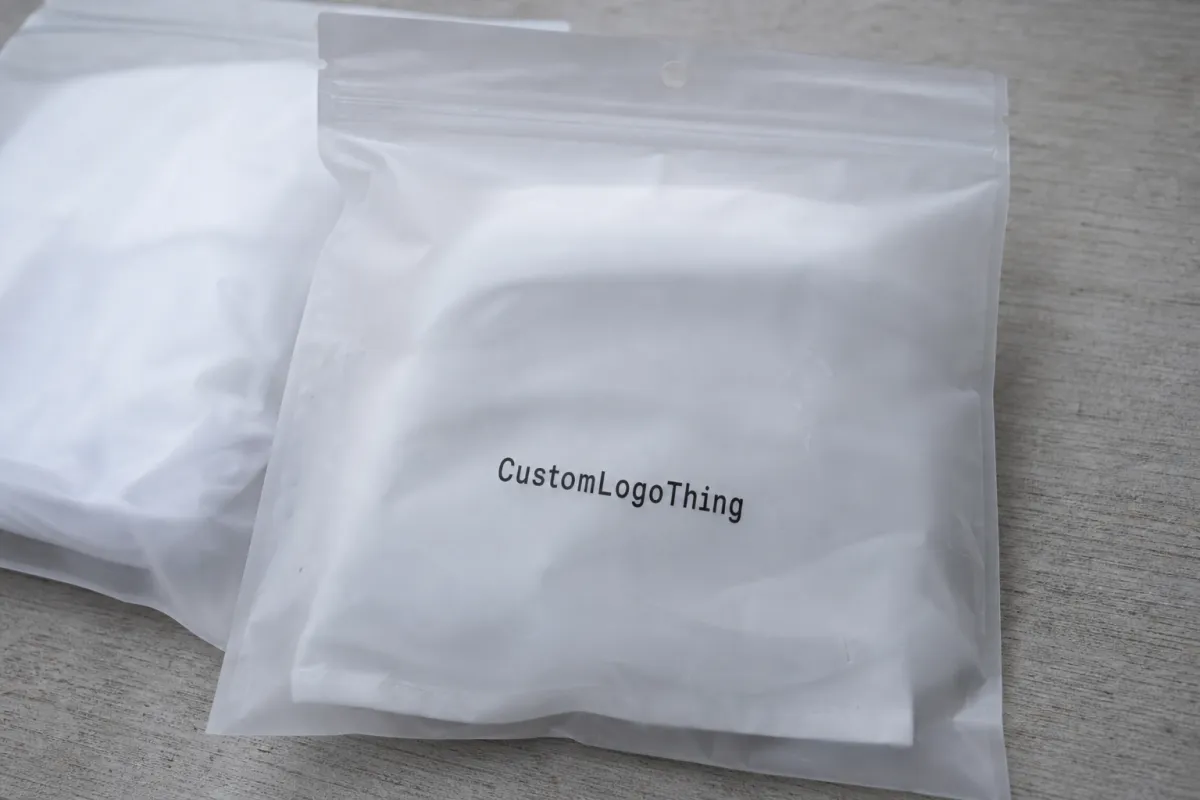
From a buyer's point of view, Frosted Zipper Plastic Bags work because they feel intentional. The matte-soft surface gives a quieter visual read than glossy film, which matters in retail settings where lighting can be harsh and product photography is unforgiving. Clear bags tend to expose lint, folds, and every odd shape inside. Frosted film hides enough to look curated, but not so much that the product disappears.
The zipper matters just as much as the finish. A weak closure makes the bag feel temporary. A zipper that clicks cleanly and reopens without damage signals reuse, and reuse is a subtle part of perceived value. Customers may never say that the zipper felt good, but they notice when it feels cheap. That reaction affects how they read the product, especially for beauty kits, garments, and small accessories that are often repacked after first use.
There is also a practical retail function. The bag may be handling shelf display, shipping protection, and storage all at once. Those jobs pull in different directions. A display bag wants a clean edge and strong branding. A shipping bag wants seal reliability and puncture resistance. A storage bag wants repeat opening without the zipper track failing early. The best quote request starts with the real use case, not the style concept.
- Presentation: frosted film softens the look of the contents and photographs better than glossy stock.
- Protection: the zipper closure helps block dust, fingerprints, and light moisture.
- Reuse: a reliable closure supports customer trust and lowers complaints about weak packing.
If a supplier cannot talk clearly about seal consistency, film thickness, and how the bag behaves after repeated opening, the quote is incomplete. Transport testing references such as ISTA help buyers think about handling stress, but they do not replace a real sample. A production sample is still the most honest answer. It shows what the sales sheet does not.
Frosted Finish, Zipper Seal, and Boutique-Friendly Packaging Details
Frosted is not one material type. Some bags use a matte treatment that diffuses light. Others use a semi-transparent blend that creates a cloudy look without making the bag opaque. The difference matters because the same product can read very differently depending on the film. A bag that seems elegant on a screen can look flat in hand if the finish is too heavy. A bag that appears bright in photos can feel busy if the surface reflects too much light.
For boutique brands, that finish choice should match the channel. Retail shelf packaging needs a controlled look. Subscription inserts may tolerate more visual softness. E-commerce shipments care more about the bag surviving handling and still looking presentable when opened. That is why a quote should never be based on appearance alone. The film has to suit the product and the route it takes to the customer.
Zipper performance deserves a separate check. Open and close the bag several times. Then check the track alignment, closing resistance, and whether the seal still feels even across the full width. If the zipper drags, skips, or separates at the corners, that is not a minor defect. It becomes a customer-facing problem fast, especially on reusable packaging.
Small details change pricing and usability more than many buyers expect. Hang holes help with peg display. Tear notches can improve opening. Euro slots may be necessary for retail fixtures. Print placement needs enough distance from the zipper so branding does not interfere with the closure. Every one of those choices sounds small on paper. In production, each one changes tooling, layout, or waste.
Practical sequence: choose the finish first, then the zipper style, then the display features. Reversing that order tends to create compromises that show up in cost or usability.
It also helps to keep the bag's job narrow and specific. A frosted zipper pouch that needs to ship cleanly, display neatly, and support repeated resale-style use will not be the cheapest option. It should not be. The real question is whether the structure matches the product without paying for features that the customer never uses.
Specification Checklist for Size, Gauge, Gusset, and Print
Good quote requests remove guesswork. Start with the finished bag dimensions and the actual packed item, not the idealized version of it. A folded knit top, a serum bottle, and a rigid accessory box all occupy space differently. The factory needs the product size, the packed thickness, and enough clearance so the zipper does not press into the contents. A few millimeters can make the difference between a bag that closes cleanly and one that bulges or wrinkles at the seam.
Film thickness changes both feel and performance. Many buyers still talk in mils, while some suppliers use gauge language. Either way, the point is the same: a lighter bag may be fine for flat, low-stress items, while a heavier-use bag makes more sense for repeated handling, sharper edges, or products that need a more premium hand feel. For planning, a lighter boutique pouch often sits around 2.5 to 3 mil, while more durable options are commonly in the 4 to 6 mil range. That is a starting point, not a rule.
Flat or gusseted is not a cosmetic decision. Flat pouches are sleeker and usually cost less to make. Gusseted bags create more usable volume and are often better for folded clothing, boxed goods, or beauty sets with a little extra height. A quote should state the structure clearly because the material usage and sealing method are not the same.
Print details need equal discipline. One-color logos are simpler to price. Multi-color artwork, large coverage, and opaque white underprint increase setup and production complexity. Frosted film also changes how print reads. Small text can soften if the artwork is too fine or the contrast is too low. That is why the design should be reviewed on the actual film type, not just on a bright screen.
- Dimensions: final width, height, and gusset depth if used.
- Thickness: film gauge or mil thickness, plus tolerance if the supplier provides it.
- Closure: zipper type, seal width, and repeat-open performance.
- Branding: logo count, color count, print area, and placement.
- Pack-out: inner counts, carton count, and retail or shipping needs.
A usable spec sheet includes the item photo, product dimensions, target fill weight, and any packaging constraint such as hanging display or mailer fit. That single document shortens the quote cycle and reduces the kind of back-and-forth that inflates small orders. Buyers often think the quote is slow because the factory is slow. More often, the brief is incomplete.
Pricing, MOQ, and Quote Variables That Change Unit Cost
Unit price moves quickly once the structure changes. Size, thickness, zipper profile, print coverage, and volume all matter. A stock frosted bag with no print can land in a very different price band from a custom-sized, branded pouch with a heavier zipper and special packing. The factory is pricing film, labor, waste, setup, and the time needed to keep the line running without unnecessary changeovers.
MOQ creates confusion because it affects both price and flexibility. Lower quantities usually carry a higher unit cost since setup is spread across fewer bags. That is especially true when the print method requires plates or cylinders. On a small run, setup can weigh almost as much as the material itself. On a larger run, the same setup cost becomes easier to absorb, which is why two quotes for the same bag can look wildly different at different quantities.
| Order Type | Typical MOQ | Planning Price Per Bag | Best Fit | Main Risk |
|---|---|---|---|---|
| Stock-size frosted bag, no print | 1,000-5,000 | $0.10-$0.18 | Quick replenishment and simple shipping use | Less brand distinction |
| Custom size, one-color logo | 3,000-10,000 | $0.18-$0.32 | Boutique retail and repeat e-commerce orders | Setup costs can skew low-volume quotes |
| Heavy gauge, multi-color print | 5,000-20,000 | $0.28-$0.55 | Premium presentation and reusable packaging | Artwork and proofing take longer |
Those numbers are planning ranges, not promises. Real pricing depends on resin cost, print method, size, destination, and how the bags are packed for shipping. A quote is only useful if the inputs are comparable. Ask every supplier to list the same details: material grade, film thickness, zipper style, print method, MOQ, sample charge, and shipping terms. If one quote omits half of those items, the lower number is usually the less complete number.
This is where the boutique buyer frosted zipper plastic bags factory quote checklist earns its keep. It forces every supplier to answer the same questions in the same structure. Without that discipline, comparison is mostly guesswork dressed up as procurement.
Production Process and Lead Time From Artwork to Shipment
A normal production path starts with the brief, then artwork review, sample approval, material preparation, printing, sealing, inspection, and shipment. Stock-size, unprinted orders move faster because fewer variables need approval. Once a job is custom printed, lead time expands with every unresolved question: artwork fit, finish, bag structure, zipper format, and packing spec.
As a working estimate, a simple unprinted order may take about 7 to 12 business days after approval. A custom printed Frosted Zipper Bag often lands around 12 to 20 business days, and longer if the artwork is complex or the supplier has to source a specific film blend. Freight is a separate schedule. Air freight is faster and more expensive. Ocean freight is slower, but often more sensible on larger orders. Production time and transit time should never be mixed into one vague promise.
Three things stretch the timeline most often.
- Artwork approval: unclear files trigger repeated revisions and proofs.
- Material availability: a specific frosted film or zipper type may need to be sourced.
- Peak schedules: high-volume periods can add several days even to simple jobs.
The fastest order is not always the rush order. It is the one with the clearest brief. Vector artwork, locked dimensions, a chosen zipper style, and a defined pack-out reduce the number of decisions the factory has to make on your behalf. If you have a finished product sample, send that too. A physical sample tells the supplier more than a paragraph of descriptions.
Transport and material standards are useful reference points here. ISTA helps buyers think about shipping stress, and FSC is relevant if the project includes printed inserts, cartons, or paper claims tied to certification. Neither standard replaces a quote, but both help buyers separate real control from loose sales language.
How to Vet a Factory Before You Approve the Order
Factory confidence should come from evidence, not polished wording. Ask for documented specs, sample consistency, quality-control steps, and a direct explanation of how the bag is made. If the supplier cannot explain thickness tolerance, seal strength, or print registration in plain language, the quote is not ready to approve. Good factories tend to answer technical questions clearly because those questions map to their actual process.
In-house printing and sealing control is a plus. It reduces the number of handoffs between departments, and every handoff creates room for error. It also makes it easier to keep the frosted finish consistent across batches. That consistency matters more than many buyers expect. A sample from one production line and a run from another can vary if quality control is loose.
A reliable quote shows its assumptions. Material, size, print method, packing format, and the cost drivers that can still change before production starts should all be visible.
Request actual sample photos, not only renderings. Ask whether the factory can provide a production checklist. Ask what happens if the zipper fails a pull test or the print shifts during the run. Then compare the answer with the price. A supplier that is vague about process is usually pricing in risk somewhere else. That risk may not appear in the unit number, but it often appears later in delays, replacements, or rework.
For buyers comparing multiple suppliers, the most useful question is simple: which of these quotes includes the same assumptions? If the answer is not obvious, the quotes are not truly comparable. A lower number with missing packing details or unclear material specs is not a better deal. It is an unfinished one.
Common Quote Mistakes That Inflate Bags Cost
The most expensive mistakes are usually basic. Buyers quote the wrong dimensions, forget to specify the zipper style, or approve artwork before the bag size is final. Then the factory has to revise tooling, remake proofs, or adjust the print area. That is where cost creeps upward. Once a production line has been prepared for one structure, changing it midway can create waste that gets passed back into the price.
Vague requests create another problem. If the supplier does not know the exact material grade, carton count, destination, or print coverage, it protects itself with a wider quote band. That is rational from the factory side, but unhelpful for the buyer who needs a clean comparison. Specificity lowers uncertainty, and uncertainty is expensive.
Before approving any quote, run through a short correction list.
- Confirm usage: retail display, shipping, or both.
- Lock dimensions: finished size plus product clearance.
- Match the artwork: logo count, color count, and placement.
- Check MOQ: ask whether stock-size changes can lower setup cost.
- Compare packing: inner counts, carton size, and freight assumptions.
Another trap is comparing an incomplete quote with a complete one. If one supplier includes export cartons, inner packs, and sample policy while another leaves them out, the price gap is not real. The buyer needs the same line items from every bidder, or the comparison loses meaning. That is a procurement problem, not a pricing problem.
A final caution: do not let a polished render hide a weak structure. A frosted bag can look premium on screen and still perform badly if the zipper is thin or the seal is inconsistent. Low cost is not the same thing as low risk, and the cheapest bag is often the one that creates the most waste after delivery.
Next Steps: Send the Right Files for an Accurate Quote
The quickest path to a useful quote is a complete brief. Start with final dimensions, then add target quantity, product photos, logo files, finish preference, and zipper preference. If you know the target thickness, include that too. A buyer who sends a usable brief usually gets a quote that can be compared, not just read.
The first response should ideally separate the main pieces: sample or spec confirmation, price by quantity, lead time, and shipping assumption. If any of those pieces are missing, the order still needs refinement. That is not a failure. It is the moment to tighten the spec before production money starts moving.
A simple order flow keeps the quote honest.
- Send specs, photos, and artwork.
- Request a matched sample or written spec confirmation.
- Compare each quote line by line.
- Approve artwork only after the bag size is fixed.
- Lock the production schedule and packing format.
The boutique buyer frosted zipper plastic bags factory quote checklist works because it cuts assumptions down to size. Less guessing means fewer revisions, cleaner pricing, and a bag that arrives looking like it was designed for the product rather than adapted at the last minute.
What details should a boutique buyer include in a frosted zipper plastic bags factory quote request?
Include exact dimensions, thickness, zipper style, and whether the bag needs a gusset or hang hole. Add artwork files, print coverage, target quantity, and finish requirements, then specify the delivery location so freight and lead time are quoted on the same basis.
How does MOQ affect frosted zipper bag pricing for small boutique orders?
Lower volumes usually carry a higher unit cost because setup, printing, and waste are spread across fewer bags. If you are close to a supplier's MOQ, ask whether a stock-size adjustment or simpler print setup can reduce the price without changing how the bag functions.
Which specifications matter most when comparing frosted zipper plastic bag quotes?
Size, thickness, zipper quality, and film finish usually drive the biggest differences in consistency and price. Print method, color count, and artwork coverage also change setup time, while packing format affects the real landed cost.
How long does production usually take after approving a quote for frosted zipper bags?
Lead time depends on sample approval, artwork readiness, and whether the correct film is already in stock. Simple orders move faster than custom printed jobs with special sizes, and a clear brief helps the factory give a timeline that separates sampling, production, inspection, and shipping.
How can I tell if a factory quote for frosted zipper bags is reliable?
A reliable quote lists every spec clearly and does not hide assumptions about material, print, or packing. The supplier should explain what changes the unit cost and which details still need confirmation before production starts; if the boutique buyer frosted zipper plastic bags factory quote checklist still leaves open questions, ask for a sample or written spec confirmation before payment.

