How to Choose a Private Label Frosted Zipper Bags Supplier
If you are comparing a private label Frosted Zipper Bags supplier, do not start with the sample photo. Two bags can look similar online and perform very differently in hand. Thickness, resin blend, zipper design, seal quality, and print adhesion all affect how the package feels, protects product, and presents on shelf.
What a Private Label Frosted Zipper Bags Supplier Actually Does
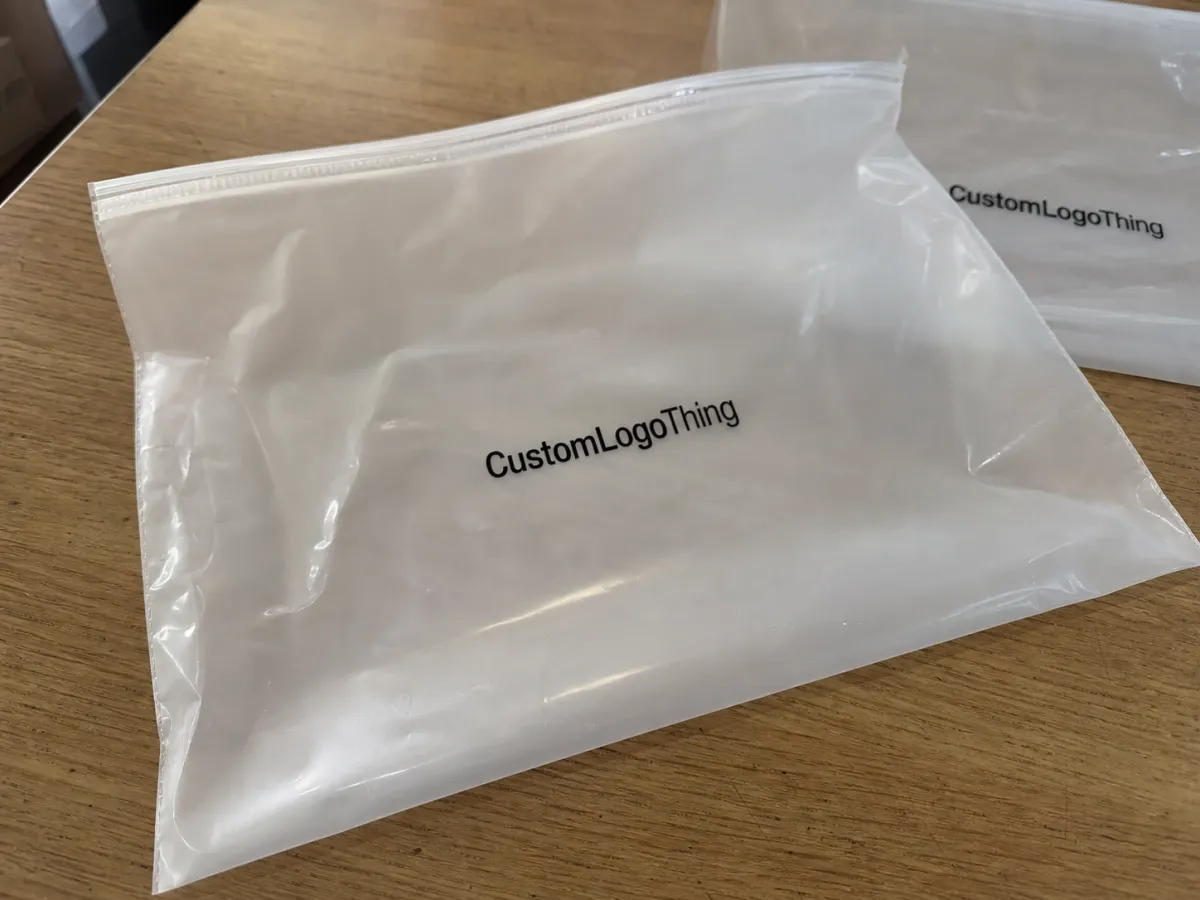
A private label Frosted Zipper Bags supplier does more than print a logo on a stock bag. The better ones help define what can be customized, what should stay standard, and where the trade-offs sit. That matters because “private label” can mean a stock bag with branding, a standard bag with limited changes, or a fully custom build with new tooling. Those are different jobs and should not be quoted the same way.
For buyers, the practical split is simple. Stock bags are existing sizes and constructions. Private label bags usually mean your brand is added with limited changes. Custom bags change the bag itself, which may include size, thickness, zipper style, surface finish, or print layout. If the bag only needs a clean branded look, a printed stock format may be enough. If the packaging has to carry the brand at retail, film quality and print consistency matter more.
Different products need different priorities. Food items care about odor control, closure integrity, and consistent sealing. Beauty products care about shelf appeal and print clarity. Apparel buyers usually want dust protection, a neat presentation, and a zipper that does not feel flimsy. Hardware kits and promotional packs need puncture resistance and better shipping survival.
The strongest suppliers ask what is being packed, how long it will sit in storage, whether the bag is for retail or shipping, and whether the customer expects a premium unboxing moment. That is the difference between an order taker and a packaging partner.
How Sourcing and the Process Usually Work
The process should start with a spec check, not a price. A serious supplier will ask for dimensions, material, thickness, closure style, print method, quantity, and destination before quoting. Without those inputs, the number is guesswork, and guesswork usually becomes a change order later.
The usual flow looks like this:
- Inquiry — you send size, quantity, product type, and branding needs.
- Feasibility review — the supplier checks whether the zipper, print, and film construction make sense together.
- Artwork review — logo placement, file format, ink count, and print area are checked.
- Sampling — this may be a stock sample, digital proof, or pre-production sample.
- Final quote — pricing is confirmed once the spec and sample route are settled.
- Production — material prep, printing, sealing, inspection, packing, and shipment.
The first email should do most of the work. Include dimensions, preferred thickness, closure type, print colors, quantity, pack format, and destination country or warehouse. If the bag needs to meet retail, ecommerce, or transit requirements, say so upfront. If you need carton labels, inner pack counts, or barcode placement, add that too. Vague briefs create vague quotes.
If a supplier cannot explain what is and is not included in the quote, the number is incomplete. Cheap pricing is easy to find. Complete pricing is harder.
Most delays come from missing artwork details, compliance questions that appear too late, or approvals that happen after production has already been queued. Packaging exposes slow decision-making fast.
Specs That Change Feel, Shelf Life, and Buyer Perception
The specs that matter most are usually the least glamorous ones: thickness, frost level, zipper style, seam strength, bag shape, and whether the design needs a gusset or hang hole. That is where the real product experience lives. A 4 mil bag may work for lighter retail items, while 6 to 8 mil often makes more sense for heavier SKUs, repeat handling, or rougher transit.
Frosted texture changes more than appearance. It affects how fingerprints show up, how the logo reads, and whether the bag feels premium or merely translucent. A lighter frost can look cleaner; too much frost can mute print contrast and make fine text harder to read. On shelf, that affects first impression. In an unboxing video, it affects whether the product looks deliberate or generic.
Material choice deserves a real conversation. Most Frosted Zipper Bags are made from PE or LDPE films, and the blend affects clarity, softness, and seal behavior. A softer film can feel nicer in hand, but it may scuff more easily. A stiffer film may hold shape better, but feel less refined. The supplier should be able to explain that trade-off clearly.
For broader flexible packaging context, the resource library at Packaging & Processing Technologies can help frame terminology. Still, the only material behavior that matters is the behavior of the actual bag you are buying.
Retail presentation and shipping performance are not the same job. The nicest sample can still be wrong if the zipper opens too easily, the seal creeps under load, or the bottom fold collapses during transit. For products moving through distribution, ask whether the bag and carton plan should be checked against test logic such as ISTA methods or a similar transit standard.
Print area and ink count also shape the final result. A single-color logo usually prints cleaner and costs less. Multi-color artwork can look excellent, but only if the supplier can maintain registration on the frosted surface. Thin lines, small type, and low-contrast palettes are where many projects break down.
Cost, MOQ, and Quote Drivers
Pricing for a private label Frosted Zipper Bags supplier usually comes down to size, thickness, print colors, finish, zipper quality, packaging format, and order volume. Bigger bags consume more film. Thicker film costs more. More print colors add setup and production complexity. Better zippers add cost too, and that cost is usually worth paying if the bag needs to survive repeat use.
MOQ is where many buyers get surprised. A low unit price often appears only after the order reaches a practical volume threshold because setup costs need to be spread somewhere. Low MOQ is possible, but it usually comes with a higher unit price. If you are buying several SKUs, ask whether similar sizes can be grouped so you do not pay separate setup charges for nearly identical work.
| Option | Typical MOQ | Typical Unit Price | Best For | Watch For |
|---|---|---|---|---|
| Stock frosted zipper bag | 1,000-3,000 pcs | $0.08-$0.18 | Fast tests, small launches, simple kits | Limited branding and fewer size choices |
| Private label stock bag with print | 3,000-10,000 pcs | $0.14-$0.30 | Retail-ready branding with moderate volume | Setup charges and color limits |
| Fully custom frosted zipper bag | 5,000-20,000+ pcs | $0.18-$0.45 | Brand-led packaging and repeat programs | Tooling, longer lead time, more proof rounds |
Hidden costs are where quotes turn expensive. Ask about sample fees, plate or setup charges, freight, duties, carton specs, and special packaging. If you need printed inserts, labels, or branded cards, those are separate line items unless the supplier states otherwise. “Included” needs to be written down.
Compare landed cost, not just ex-factory price. The cheap quote that arrives with high freight, duties, or rework often loses to the slightly higher quote that ships cleanly and behaves predictably in production.
Lead Time, Sampling, and Production Steps
Timing is rarely one number. A private label frosted zipper bags supplier should separate sample timing, proofing timing, production timing, and freight timing. For a stock sample, 3 to 7 business days is common. A digital proof may move faster. A pre-production sample often takes 7 to 15 business days, especially if the order needs custom print or special sizing. Production itself often lands around 12 to 20 business days after approval, with shipping adding its own clock.
The production path usually runs like this: artwork approval, material prep, printing, sealing, inspection, packing, and outbound freight. The part that stretches schedules is usually human, not machine. Someone adjusts the logo after proof approval. Someone notices a compliance detail too late. Someone decides the zipper should feel “a little more premium” after the sample is already done.
If the bag is part of a subscription box, retail kit, or ecommerce pack-out, pre-production sampling matters more than a quick digital mockup. It lets you check zipper action, print placement, surface feel, and how the frosted finish behaves with the product inside. For larger orders, or anything with tight presentation standards, a real sample is worth the time.
If you also need inserts or instruction cards, ask whether the print partner can source FSC-certified paper for those items if that matters to your program. If the bag ships with other components, use the sample stage to verify inner counts, carton size, and how the pack survives handling.
Clean feedback loops protect lead time better than optimistic promises. Get the decision-maker involved before the quote becomes a production order. Packaging projects do not improve when they are left to wander through three rounds of internal review.
Common Mistakes That Create Rework
The biggest mistake is approving a mockup that never got tested in the real size, real material, and real zipper style. A screen file is a promise, not a finished package. Then the order arrives and the logo sits too close to the zipper, the text reads smaller than expected, or the frosted finish softens the contrast more than anyone anticipated.
Another expensive habit is asking for pricing before locking the spec. Buyers do this because they want speed, which is understandable, but the rushed quote tends to create revisions, retooling, or resampling later. If the supplier has to interpret the brief, you are paying for the interpretation.
Artwork prep matters more than most teams expect. Weak files can create blurry logos, off-center placement, jagged edges, or color shifts on a frosted surface. Vector files, outlined fonts, and size references solve a lot of pain. If your brand uses multiple pack formats, keep the artwork system aligned across them. If needed, pair the bag order with Custom Labels & Tags so the visual language stays consistent.
Functional mistakes are just as costly as visual ones. A closure that feels cheap will annoy customers. A bag that looks premium but fails in transit creates a worse problem: damaged product, returns, and a brand hit that rarely shows up in the original quote.
The hardest mistakes are often the small ones. A 1 mm shift in logo placement, the wrong zipper style, or a bag that is only slightly too thin can create a full rework cycle. Small errors have a habit of becoming large costs.
Expert Tips for Sharper Artwork and Better Unboxing
Simple artwork usually wins on frosted surfaces. High-contrast logos, clean type, and restrained layouts tend to print better than dense graphics with too many colors and too little breathing room. The frosted finish already adds texture.
Match the print tone to the bag finish. Deep black, charcoal, or a strong brand color often reads better than a pale line that disappears once the bag is handled. If the brand direction is minimal, the layout should still feel intentional.
Check the sample for seam allowance, zipper placement, and logo position. Do not rely on the proof alone. A design can be centered in a file and still sit awkwardly on the real bag because the usable print zone is smaller than the canvas.
For ecommerce and retail content, test how the bag photographs under normal light. Frosted materials can look excellent under soft light and muddy under harsh light. If the unboxing moment matters, place the product inside, set the bag on a table, and look at it the way a customer would.
A good bag does three things at once: it protects the product, supports the brand, and stays easy to use on first opening. If it only does one of those, keep looking.
For customer-facing packaging, I would usually choose the cleaner print over the cheapest run if the difference is modest. Packaging is not the place to squeeze every last cent out of the spec unless the volume is high and the bag is truly disposable.
What to Send Before You Request Quotes
If you want apples-to-apples pricing from a private label frosted zipper bags supplier, send the same spec to every supplier. Your RFQ should include dimensions, thickness, zipper type, print colors, quantity, packaging format, and destination. If the bag needs a hang hole, gusset, or special seal strength, say that too.
- Size: width, height, and gusset if needed.
- Material: frosted PE or LDPE, plus target thickness.
- Closure: press-to-close, slider, or another zipper style.
- Print: color count, ink coverage, and artwork format.
- Quantity: target order size and expected reorder volume.
- Packaging: inner pack count, carton size, and labeling needs.
- Destination: ship-to country, warehouse, or freight term.
Then add the business context. What product goes inside the bag? Will it sit in storage for weeks? Is it for a retail launch, a subscription box, or a parts pack? Does it need to support food contact, cosmetic use, or general merchandise? Those details change the material and compliance conversation.
Ask every supplier to quote the same sample path, the same material, the same quantity, and the same shipping terms. That is the only fair comparison. Otherwise you are collecting a set of prices that are technically real and commercially useless.
If you are building a repeat program, keep one master spec sheet and one master artwork file. It saves time, reduces errors, and makes the next order less painful.
What should I ask a private label frosted zipper bags supplier before quoting?
Ask for size-based pricing, MOQ, sample cost, lead time, and exactly what is included in the quote. Confirm material, thickness, zipper style, print method, and whether freight is separate. Request a landed-cost estimate for the same spec.
How much MOQ is normal for frosted zipper bags?
MOQ depends on size, print complexity, and whether the bag needs custom tooling or only standard setup. Lower MOQs usually mean a higher unit cost. Larger runs usually improve pricing because setup is spread across more pieces.
How do I compare quotes from different suppliers fairly?
Compare the same spec line by line: size, thickness, colors, packaging, sample fees, and shipping terms. Watch for quotes that leave out setup or freight, because the low number can be misleading. Use landed cost per usable bag, not just the unit price.
What affects turnaround time the most?
Artwork approval, sample revisions, and material availability usually matter more than the machine run itself. Special finishes, custom colors, and compliance checks can add days or weeks. Fast feedback and a clean spec sheet protect the schedule best.
Can I get samples before placing a full order?
Yes, and you should if the bag affects brand presentation or product protection. Ask whether the sample is a stock sample, digital proof, or pre-production sample, because they are not the same thing. Use the sample to check feel, zipper action, print placement, and real-world appearance before approval.


