Brand campaign Custom Poly Mailer Bags Wholesale Order Planning starts with the customer’s first view of the shipment. Before the product is opened, the outer mailer has already carried the logo, color, and campaign tone to the doorstep. It also has to do basic logistics work: hold the contents, survive transit, and keep shipping costs under control. That is why the right order is not just a design choice. It is a balance of film, seal, print, freight weight, and forecasted volume.
For buyers, the useful question is not whether the bag looks branded. It is whether the bag fits the product, ships efficiently, and supports the campaign without creating avoidable cost or delay. The best orders make those tradeoffs explicit early, before proofing and production are locked in.
Why the first touch matters
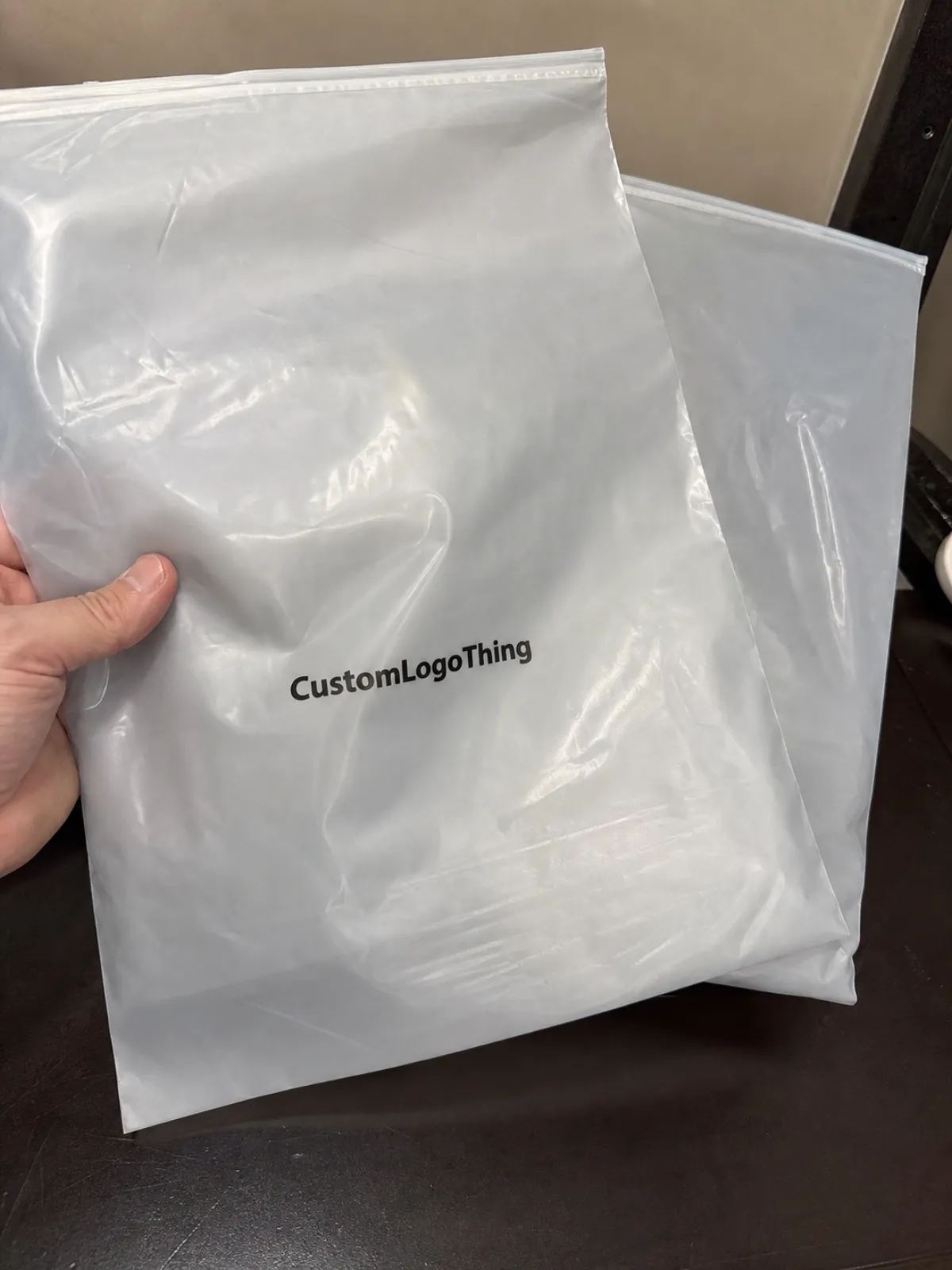
A plain mailer moves a parcel. A printed one adds recognition the moment it lands in the customer’s hands. That matters for apparel, accessories, subscription kits, and seasonal drops, where the outer package often sets expectations before the product itself is seen.
That is why brand campaign Custom Poly Mailer bags wholesale order planning should align with the campaign goal. If the priority is visibility, the logo needs to read clearly and survive scuffs. If the goal is a more premium presentation, the finish, color density, and layout matter more. If the priority is protection, then seam strength, puncture resistance, and tamper evidence move up the list.
Poly mailers also sit in a practical middle ground. Corrugated cartons offer better crush protection for rigid or fragile goods, and paper envelopes work for flat items, but poly mailers are lighter and usually cheaper to ship for flexible products. Brands that already use custom printed boxes in other channels often choose mailers so the packaging stays visually consistent without adding the weight of a box.
The outer bag can also make the operation look more controlled. A package that arrives with the right color, crisp print, and intact seams feels intentional. A scuffed logo, weak seal, or oversized bag does the opposite, even if the product inside is fine.
Film, seal, and print choices that protect the shipment
The film affects both presentation and performance. Standard LDPE mailers remain common because they flex well, seal cleanly, and keep weight low. Coextruded films add structure and are often chosen when opacity, puncture resistance, or print quality matters more than the lowest price. In many branded programs, thickness falls between 2.5 mil and 4 mil, depending on product shape and shipping risk.
The closure should match the shipment value and return expectations. A basic adhesive flap is usually enough for low-risk promo orders. Tamper-evident seals make more sense for higher-value retail shipments or anything that needs a stronger security signal. Dual-seal structures can support returns, but they add cost and are only worth it when the workflow actually needs them.
Print decisions affect both unit cost and how polished the mailer feels. One-color logos are the most economical and can look sharp when the layout is disciplined. Full coverage gives more brand presence, but it increases setup and registration risk. Matte film creates a softer appearance; glossy film typically makes color look brighter. Neither is always better, so the choice should follow the campaign and the product.
Good buyers test more than appearance. They ask how the seal bonds, whether the seam holds under pressure, and how the film looks after handling. A bag can look fine on a proof and still fail in transit if the adhesive is weak or the surface scuffs too quickly. A simple preproduction check should include peel testing, seam inspection, print registration review, and a packed-product handling test.
For a general shipping test framework, the materials at ISTA are useful, and the EPA's recycling guidance at EPA recycling resources can help keep disposal claims grounded.
A mailer does not need to be complicated to be well specified. The real question is whether it fits the product, seals reliably, and still looks controlled after carrier handling.
If you want to compare film and closure options directly, the Custom Poly Mailers page is a practical starting point. For examples of how packaging choices perform in real programs, the Case Studies page adds helpful context.
Sizing, gussets, and thickness specs for a clean fit
Start with the packed item, not the loose product. Measure the folded garment, accessory bundle, insert card, or kit after everything ships together. Then account for the flap, seal allowance, and any padding that changes the final thickness. A bag that is too tight can stress the seam; one that is too large looks sloppy and raises freight cost.
Gussets help when the product shape really needs expansion. Flat items usually ship best in a non-gusseted bag that seals cleanly and stacks well. Bulky apparel sets, boxed accessories, or irregular bundles may need extra room so the corners do not strain. Buyers should always ask for the flat measurement or dieline before approving quantity, because the usable interior space is smaller than the printed outer dimensions.
Secondary packaging matters more than many teams expect. Tissue wrap, hang tags, backing cards, labels, and inserts all reduce usable space. A bag that fits the product alone can become too snug once the full shipping set is assembled. That is why sample approval should reflect the real packing method, not just an empty bag.
Thickness should be chosen for use, not pride. A heavier film is not automatically better. For soft goods, 2.5 mil may be enough. For shipments with sharper edges or higher abrasion risk, 3 mil to 4 mil gives more margin. The goal is the lightest bag that still survives the route without tears, seam failure, or obvious scuffing.
brand campaign custom poly mailer bags wholesale order planning: pricing, MOQ, and quote inputs that change unit cost
Pricing shifts with size, film construction, print coverage, quantity, packaging method, and freight. The same artwork can land at very different unit costs once one input changes. Small runs carry more setup burden per piece, which is why a lower MOQ usually means a higher unit price. Larger runs reduce the unit cost, but only if the buyer can store the cartons and has a realistic forecast for drawdown.
For brand campaign Custom Poly Mailer Bags wholesale order planning, landed cost matters more than factory price alone. Production, packing, internal cartonization, freight, duties if applicable, and remake risk all belong in the same calculation. A quote that looks cheaper on paper can become more expensive once the shipment reaches the warehouse and the campaign clock is already running.
The ranges below are directional. They help frame the discussion before samples or final proofs are requested.
| Mailing option | Best fit | Typical MOQ | Typical unit range |
|---|---|---|---|
| 2.5 mil one-color LDPE | Light apparel, promo drops, lower-risk shipments | 5,000-10,000 pcs | $0.12-$0.20 |
| 3 mil coextruded print mailer | Campaign launches, better opacity, stronger presentation | 10,000 pcs+ | $0.18-$0.32 |
| 3.5-4 mil tamper-evident build | Higher-value retail packaging and more secure shipping | 10,000 pcs+ | $0.24-$0.40 |
Those numbers move quickly if the artwork is complex, if the color count changes, or if the order needs a special finish. Freight distance matters too, especially on large cartons where a small change in weight or size can shift the landed price more than a minor change in ink coverage. Buyers should ask for production and freight to be shown separately so the total is easy to compare.
It also helps to use the factory’s language. Finished size, flat size, thickness, print side, seal style, carton pack count, destination, and target delivery window should all appear on the same request. If labels, inserts, or other Custom Packaging Products are being sourced at the same time, listing them early keeps the project from becoming a chain of disconnected orders.
Production steps and lead time from proof to shipment
The production path is usually straightforward: quote review, artwork setup, digital proof, approval, printing, bag conversion, inspection, packing, and freight release. The timing changes. A clean order with complete files can move quickly; a file with missing vectors, unconfirmed colors, or late revisions can delay the schedule enough to miss a launch window.
Lead time for standard branded mailers often lands around 12-15 business days after proof approval, though larger quantities, multiple print colors, unusual closures, or seasonal demand can extend that timeline. Transit time is separate. A production schedule that ends the day before launch is not useful if the bags still need to move through shipping and receiving.
Most delays come from predictable issues: artwork arrives in the wrong format, proof revisions continue after the slot is reserved, or shipping details change after production is scheduled. A launch calendar should include a buffer for those interruptions, especially for seasonal programs, creator mailings, and subscription drops tied to marketing dates.
Quality control should be checked before release. A practical inspection covers seal width, print alignment, color density, bag dimensions, carton count, and surface damage. If the order has high visibility, ask for photo confirmation or a small sample batch before the full run ships. It is easier to catch a registration issue on the first carton than after a warehouse has started packing orders.
The cleanest schedule separates proofing, production, and freight. When those are blended into one promise, small delays become hard to see until the launch is under pressure.
Artwork setup and color control for repeat orders
Clean artwork speeds up the entire process. Vector logos, outlined fonts, readable copy at actual print size, and a clear color reference reduce proof corrections and help the final result stay close to the approved file. If the design uses thin lines or small legal text, check it at full size, not just in a preview window.
Color behaves differently on plastic than on paper. Glossy film can deepen dark tones, while translucent material can change the way light passes through the ink layer. A brand color that looks correct on a paper proof may appear different once printed on the actual substrate. Buyers who need consistency should ask for the print method, film finish, and acceptable tolerance before approval.
A saved specification sheet is one of the most useful documents in wholesale packaging. It should record the final dimensions, thickness, seal style, print layout, approved file name, carton count, and any notes about color or registration. That record saves time on reorders and reduces drift between runs.
For brands running campaign after campaign, that consistency becomes part of the value. A mailer that looks the same every time helps the brand feel organized. A bag that changes tone, logo placement, or finish from run to run makes the operation look less controlled, even if the product inside is unchanged.
Common order mistakes that inflate cost or delay shipments
Underordering is the easiest way to spend more than expected. Campaign packing needs overage for damaged units, packing mistakes, unexpected channel demand, and replacement sends. If the order is based only on the first forecast, the team may need rush freight later and interrupt packing workflow.
Poor measurement creates another round of avoidable cost. A bag that is too small can split at the seam or force a weak closure. A bag that is too large burns extra film, takes up more carton space, and raises freight cost. Vague artwork files, missing ship-to information, late proof edits, and unclear print-side instructions are also common reasons schedules slip.
Packing conditions matter too. A mailer that works in a careful sample test can behave differently when filled at speed by a warehouse team. If the product shape shifts during insertion, or if the insert stack varies by SKU, the seal can change from bag to bag. Sample approval should include the actual packing method, not just the empty mailer.
Another mistake is over-specifying the bag. Not every campaign needs the heaviest film, full coverage on both sides, or multiple special finishes. The smart choice is the one that matches the product risk and the brand objective without paying for features that never show up in the customer experience.
The strongest orders are the ones that lock the details early: quantity by SKU, finished dimensions, ink coverage, closure type, carton count, and delivery window. That is what makes brand campaign Custom Poly Mailer Bags wholesale order planning easier to defend internally and easier to execute without late changes.
Next steps for a wholesale reorder that lands on time
Start with a simple order sheet. List the packed dimensions, the number of units by SKU, the print copy, the destination, the required delivery window, and any insert or label requirements. Then confirm the thickness range, seal type, and final artwork file before asking for a formal quote. The cleaner the request, the fewer assumptions the supplier has to make.
- Confirm the packed dimensions and seal allowance.
- Approve the film, closure, and print layout before production.
- Reserve receiving space so the shipment can be checked in immediately.
- Save the final spec sheet for the next run.
If a campaign is performing well, set a reorder point before inventory gets tight. That lowers the chance of emergency freight, rushed proofs, or substitutions. For teams building a broader packaging program, the Wholesale Programs page helps frame the buying structure, but the key is keeping the approved spec intact so the next order starts from a known baseline.
FAQ
How should I size custom poly mailer bags for a campaign order?
Measure the packed product, not the loose item, and add space for the seal flap and any insert card or protective piece. Choose a size that closes flat without stressing the seam or leaving so much extra film that the package looks loose.
What changes the wholesale price the most?
Bag dimensions, film thickness, print coverage, and quantity usually have the biggest effect on unit cost. Freight, setup, and proof revisions can change the landed total more than a small artwork change.
What lead time should I expect after proof approval?
Standard runs often ship about 12-15 business days after approval, but the actual schedule depends on quantity, print complexity, and current production load. Transit time should be added separately so the bags arrive before packing starts.
What artwork works best for branded poly mailers?
Vector logos, outlined fonts, and high-contrast layouts usually print most cleanly. Keep small copy readable at actual size and provide exact color references so the proof is easier to match.
Can I reorder the same mailer design later?
Yes, as long as the final artwork, dimensions, and print setup are saved with the order record. Reusing the spec sheet reduces drift and helps the next run match the first one more closely.

