Buyer Fit Snapshot
| Best fit | custom void fill paper branding packaging for packaging buyers comparing material specs, print proof, MOQ, unit cost, freight, and repeat-order risk where brand print, material, artwork control, and repeat-order consistency matter. |
|---|---|
| Quote inputs | Share finished size, material target, print colors, finish, packing count, annual reorder estimate, and delivery region. |
| Proofing check | Approve dieline scale, logo placement, barcode or warning zones, color tolerance, and any recyclable or compostable wording before bulk production. |
| Main risk | Vague material claims, crowded artwork, or missing packing details can create delays even when the unit price looks attractive. |
Fast answer: Custom Void Fill Paper Branding Packaging: Dieline, Finish, Proof, and Buyer Review should be specified like a repeatable production item. The safest quote includes material, print method, finish, artwork proof, carton packing, and reorder notes in one written spec.
What to confirm before approving the packaging proof
Check the product dimensions against the actual filled item, not only the sales mockup. Ask for tolerance on folds, seals, hang holes, label areas, and retail display edges. If the package carries a logo, QR code, warning copy, or legal claim, reserve that space before decorative graphics fill the panel.
How to compare quotes without losing quality
Compare board or film grade, print process, finish, sampling route, tooling charges, carton quantity, and freight assumptions side by side. A lower quote is only useful if the supplier can repeat the same color, closure quality, and packing count on the next order.
Custom Void Fill paper branding: Packaging That Sells
Custom Void Fill Paper branding sounds minor until a customer opens the box and sees the interior looking like a packing bench after a long Friday. That inside view is not trivia. It is the moment the shipment starts to feel designed, or it starts to feel improvised. In practice, Custom Void Fill paper branding does three things at once: it cushions the product, cleans up the box interior, and turns empty space into part of the unboxing experience.
I have watched brands spend weeks arguing over outer carton colors, then toss loose filler into the box and hope nobody notices. They notice. Customers touch the inside, move the filler around, and sometimes photograph it before they even look at the product. The outer mailer may be plain kraft or a standard shipper. The interior is where brand identity sticks. That is why custom void fill paper branding has become useful for ecommerce, gifting, and retail packaging that needs to feel finished without blowing up costs.
Most brands do not lose money because their void fill is ugly. They lose money because it looks generic, shifts in transit, and makes a decent product feel forgettable. Branded paper fill can correct that quickly. It can also reduce damage complaints when the product sits more securely inside the carton. Not every shipment needs the same material spec, but custom void fill paper branding often pays back through fewer complaints, better photos, and a stronger first impression. A 5% reduction in breakage on a 10,000-order month is 500 fewer customer-service conversations. That math gets attention fast.
I treat custom void fill paper branding as a packaging decision first and a print decision second. That matters. If the material cannot protect the item, the print is decoration. If the print does not fit the brand, the fill looks like warehouse surplus with a logo slapped on top. The useful middle ground is pretty straightforward: custom void fill paper branding should look deliberate, work fast on the packing line, and make low-cost shipments feel like branded packaging.
Why custom void fill paper branding gets ignored until shipping day
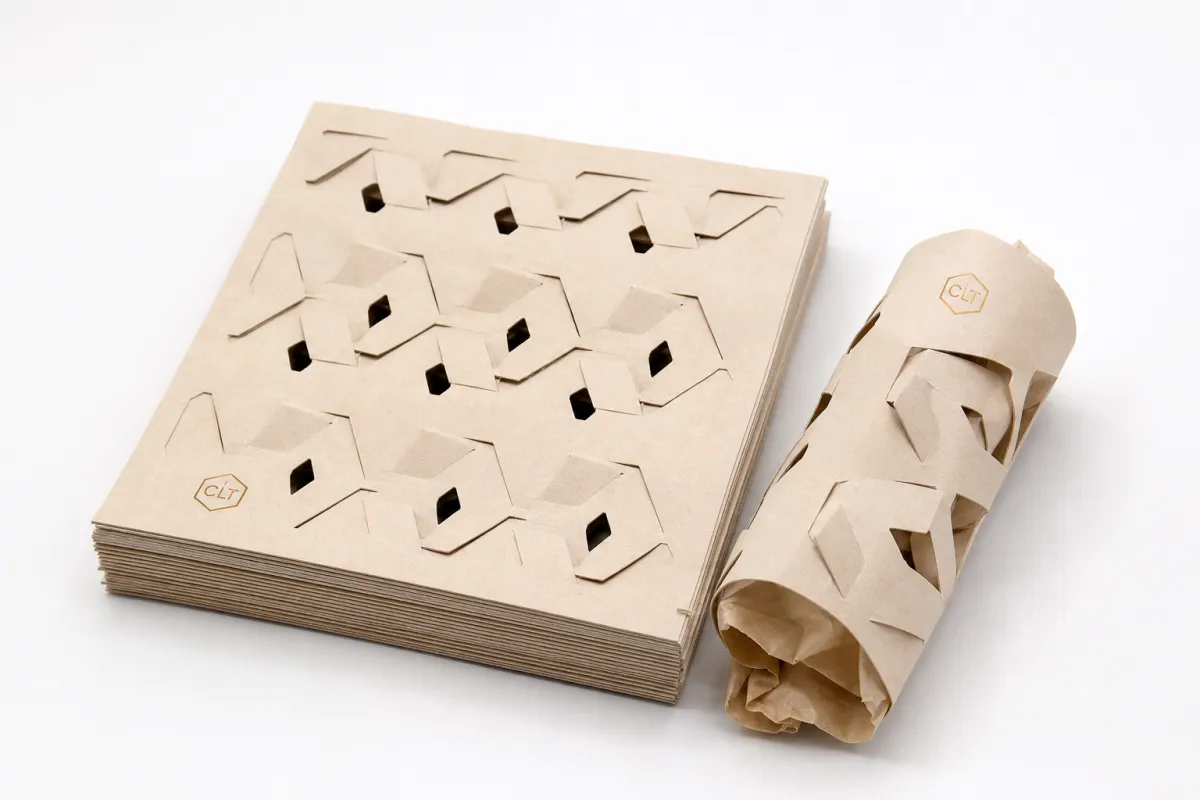
The pattern is familiar. The box outside looks clean. The tape line is straight. The label is centered. Then the lid opens and the customer finds loose kraft scraps, shredded filler, or a paper nest that belongs in a moving carton, not a retail order. The shipment may arrive intact, but the feeling shifts. Custom void fill paper branding fixes that gap by turning the least glamorous part of product packaging into a visible brand signal.
Void fill gets overlooked because it lives below the marketing radar. It rarely appears on mood boards. It does not get the same attention as custom printed boxes or retail labels. That misses the point. Void fill is one of the few materials customers handle directly during opening. They pull it aside, rearrange it, and often photograph it beside the product. Custom void fill paper branding sits exactly where packaging design meets customer perception.
There is a more practical reason to care. A polished interior makes the order feel more expensive. A $24 accessory sitting in a neatly branded cradle can feel more considered than a $60 item floating in random filler. That is not magic. It is perception, and perception drives repeat behavior. Custom void fill paper branding helps low-cost shipments read as intentional, which matters for subscription kits, gift-ready orders, and DTC brands that need to protect margin without looking cheap.
Damage complaints often follow the same logic. If the product is centered, stable, and cushioned, the odds of scuffed finishes, shifted inserts, or crushed corners drop. Nothing dramatic. Just better packing discipline. For teams that want a baseline for transit testing, the thinking behind ISTA testing methods is useful even without a full lab program. Custom void fill paper branding should survive the same bumps real shipments face.
"The outside sells the promise. The inside proves you meant it."
That line is blunt because the issue is blunt. A customer may forgive a plain shipper if the product arrives safely and the inside feels deliberate. Forgiveness gets thinner when the outside looks premium and the interior looks rushed. Custom void fill paper branding closes that gap.
The same logic applies across categories. Beauty, apparel accessories, candles, ceramics, small electronics, and gift sets all benefit from a cleaner interior structure. The paper spec changes from one product to the next. The principle stays put. Custom void fill paper branding is not fluff. It is a small surface with a large emotional return.
What custom void fill paper branding means and how it works
At its simplest, custom void fill paper branding means printed or patterned paper used inside a shipping box to cushion products and reinforce the brand at the same time. That paper can be crinkle fill, shredded fill, tissue-style wrap, layered nest material, or a hybrid built around your packaging design. The job is to keep the product from moving, reduce empty space, and make the interior feel like part of the same system as the outside carton.
The format matters more than many buyers think. Crinkle paper works well when bounce and volume are the priority. Shredded paper fits lighter products, gift baskets, and loose items that need to nest. Tissue-style fill works when the presentation has to stay soft and elegant. Layered wrap helps when the paper needs to protect and present at the same time. Custom void fill paper branding does not mean every shipment uses the same fill style. It means the fill style is selected and printed with the brand in mind.
Branding can show up in a few different forms. Repeat logo patterns are common. Two-tone prints, custom color fields, subtle messaging, and seasonal versions for launches or gifting periods appear too. Some brands go loud. Others use a small repeat mark and a restrained palette so the material reads premium rather than busy. There is no prize for covering every square inch with the logo. In fact, too much print often makes custom void fill paper branding feel less expensive, not more. Over the years, the cleanest systems I have seen usually use one strong signal and then get out of the way.
Material choice changes the print result. A 35-50 gsm tissue gives a softer, more delicate impression. Heavier crinkle stock, often in the 50-90 gsm range depending on structure, holds shape better in transit but prints differently. Paper sourced with FSC certification can support sustainability messaging without drifting into empty green language. If that matters to your line, the sourcing story should be factual and documented. The FSC framework is a practical place to start.
One mistake buyers make is treating branding and protection as separate choices. They are not. Good custom void fill paper branding should keep the product in place, fill voids without overstuffing the box, and still read as part of the package branding. Pretty but flimsy fails. Protective but random fails too. The aim is balance that survives real shipping conditions. Honestly, that balance is what separates packaging that photographs well from packaging That Actually Works.
That balance shows up on packing lines. A foldable printed crinkle sheet that opens quickly may beat a prettier format that adds 12 seconds per box. Multiply that by 1,500 orders and labor becomes visible fast. In product packaging, speed is part of the spec. Custom void fill paper branding should fit the actual workflow, not the brochure version of it. If a filler looks elegant but slows down the team, it is kind of expensive in disguise.
For brands already using Custom Packaging Products, the fill should match the rest of the system: cartons, inserts, labels, tissue, and tape. That is where package branding starts feeling coordinated instead of assembled from five vendors who never compared notes.
Custom void fill paper branding process and timeline
The process is usually more predictable than people expect, provided the inputs are clean. Custom void fill paper branding starts with a brief: what product is shipping, how fragile it is, what the brand should feel like, and how the box is packed today. From there, the supplier or print partner reviews artwork, paper options, and the likely print method. That early step prevents most of the friction later.
Once the brief is set, artwork prep comes next. Simple repeat patterns usually win here. A logo that looks sharp at 100% scale can turn muddy once it is folded, crumpled, and layered inside a box. The safer move is to proof the design at actual print size, not just on a screen. Color targets need to be specific too. "Make it blue" is not a spec. Pantone, CMYK, or a named brand reference is the spec. Vague color direction slows custom void fill paper branding more than almost anything else.
Artwork and proofing
Proofing often takes longer than the print run if the buyer keeps changing details. That is not a joke, just packaging reality. A typical proof cycle can take 2-5 business days if artwork is ready, or much longer if the file needs cleanup, repeat creation, or logo adjustments. Vector files like AI, EPS, or PDF are preferred because they keep the artwork crisp. If the artwork is still raster, the print team will likely check resolution and repeat alignment before production starts.
Production and shipping
For smaller custom void fill paper branding orders, production often lands around 10-15 business days after approval, plus shipping. Larger runs can stretch to 3-5 weeks depending on paper availability, finishing, and freight booking. The biggest delays usually do not come from the machine. They come from unfinished artwork, late approvals, or a box size that was never confirmed. Add more time if the paper needs a special cut, custom fold, or unusual print coverage.
There is one step too many buyers skip: testing the sample in the real carton with the real product. A neat stack on a desk tells you almost nothing. If the item is fragile, run a few rough handling checks and compare the result against the expectation. Transit testing does not need to be overbuilt, but the logic behind ISTA package testing is hard to ignore. Boxes get moved, tipped, stacked, and dropped by people who do not care about your brand story.
Here is the clean version of the timeline:
- Brand intake and spec check: 1-3 business days.
- Artwork setup and repeat creation: 2-5 business days.
- Sample or digital proof review: 2-4 business days.
- Production: 7-20 business days depending on quantity and method.
- Freight and receiving: 2-7 business days domestically, longer if the route is messy.
That schedule is why custom void fill paper branding should be planned at the same time as carton ordering, not after the boxes arrive. If your outer packaging is ready and the interior fill is still "maybe blue, maybe green," the warehouse will make a decision for you. Warehouse improvisation is how branded packaging turns into compromise.
For teams building a broader system, it helps to keep the fill spec tied to the rest of the line. If you are also updating labels, sleeves, or inserts, the artwork should be managed as a family. That is where Case Studies can help by showing how other packaging programs keep consistency across multiple parts without adding more work for operations.
Cost, pricing, and MOQ for custom void fill paper branding
Pricing depends on a cluster of variables that seem boring until the quote arrives. Paper grade, print coverage, number of colors, finishing, cut size, bagging format, and order volume all move the number. Custom void fill paper branding is one of those categories where the unit price can look fair at scale but feel high on a test order because setup fees get spread across fewer sheets or bundles.
For small runs, the main cost pressure is not always the paper. It is proofing, setup, and freight. On larger runs, paper and print efficiency matter more. A one-color repeat on standard stock is usually less expensive than a full-coverage pattern with multiple colors and a custom packaging format. That said, a slightly higher-cost version may still be the better buy if it packs faster or cuts damage. Cheap is not cheap if it creates labor waste. I have seen buyers save a few cents a unit and lose those savings to repacking, which is the wrong place to be clever.
| Option | Typical MOQ | Indicative Unit Cost | Best Use |
|---|---|---|---|
| Plain kraft fill, no print | Low, often 100-250 packs equivalent | $0.08-$0.18 | Basic protection when branding is handled elsewhere |
| One-color repeat print | 1,000-2,500 packs or sheet bundles | $0.18-$0.32 | Simple custom void fill paper branding for ecommerce and subscription boxes |
| Two-color branded pattern | 2,500-5,000 units | $0.24-$0.45 | Retail packaging and higher-touch unboxing |
| Full-coverage custom pattern | 5,000+ units | $0.30-$0.60 | Strong package branding with a premium interior look |
Those ranges are wide on purpose because suppliers quote differently. Some price by sheet. Some price by packed bundle. Some price by weight. If the quote unit is unclear, compare total order cost rather than the headline number. That is where buyers get tripped up. A lower unit price with expensive freight or heavy setup is not really a better deal.
MOQ is another place where honesty helps. A lower MOQ is useful for testing, but it usually raises per-unit cost and can limit stock or print options. If you are a smaller brand, the sensible move is often to test custom void fill paper branding with a smaller run, confirm the packing result, then scale once the spec is proven. If the volume is real, the price curve usually improves enough to justify the second order.
Here is a practical way to compare quotes for custom void fill paper branding:
- Check the paper weight and finish, not just the print.
- Confirm whether the quoted cost includes proofing and setup.
- Ask whether the print method is digital, flexo, or another process.
- Verify the pack count per bundle and the bundle size.
- Compare freight terms separately so the cheapest quote is not a trap.
Price is only one slice of the decision. A slightly higher quote may still win if the paper arrives flatter, packs faster, or prints cleaner. That is the kind of detail that makes custom void fill paper branding useful instead of decorative.
Step-by-step guide to rolling out branded void fill paper
The best rollout starts with a clear goal. Protection first? Premium unboxing first? Sustainability first? Or a mix with one priority clearly ahead of the others? The order matters because it changes the paper spec, the print style, and the packing workflow. Custom void fill paper branding should support the business goal, not sit above it as a nice-looking extra.
Step one is auditing the current packaging system. Measure the box interior, note product fragility, check how much empty space exists above and beside the item, and watch how long a packer spends closing one order. That sounds tedious because it is. A good packaging program starts with the boring part. Custom void fill paper branding works best when the product, carton, and fill are designed together instead of patched together later.
Set the spec before the art
Before anyone opens design software, decide the rough material behavior you need. A 35-50 gsm tissue-style fill may be enough for lighter orders. A heavier crinkle style can suit mugs, candles, or hard goods that need more nest volume. If the box is shallow, oversized fill creates mess rather than value. If the box is deep, a thin sheet underperforms. The paper size should match the box depth and the packing rhythm.
Step two is artwork. Keep it simple. A repeat pattern usually looks better than a crowded full-bleed composition because the paper will fold, bunch, and overlap. Strong contrast matters more than tiny details. Logo hierarchy matters more than decorative noise. Good custom void fill paper branding should still read when a sheet is half hidden under the product. That is easier with restraint than with clutter.
Step three is sample testing. Do not approve a design because it looks nice on a render. Pack the real product into the real carton. Shake it gently. Tilt it. Close it. Open it again. Watch how the paper behaves. A good fill should hold the item in place without wasting material, and it should not slow down the warehouse. If customer service has to explain every damaged shipment, the fill spec was not done. That sounds harsh, but packaging does not care about good intentions.
Step four is a pilot batch. Run a small production order, not a fantasy order. Then compare the result against a short list of metrics:
- Damage rate before and after the change.
- Packing time per order.
- Reorder frequency and inventory use.
- Customer feedback on the unboxing experience.
- Warehouse feedback on ease of use.
Those numbers tell you whether custom void fill paper branding is earning its place. If the inside looks better but packing time jumps by 18 seconds per box, the cost shows up quickly. If the paper cuts breakage by even a small percentage, it may pay for itself immediately. Packaging is not poetry. It is math with a brand attached.
Step five is rollout. Build a simple spec sheet that covers paper weight, print area, repeat size, box dimensions, product type, approved artwork, and reorder triggers. Keep it visible. If multiple people pack orders, the instructions need to be simple enough that the result stays consistent after week one. That is the point at which custom void fill paper branding becomes a system instead of a one-off experiment.
If the product line includes labels, wraps, or card inserts, tie the fill to the rest of the kit. Matching the interior paper to Custom Labels & Tags can make the whole order feel intentional without adding much complexity. That is a small package branding move, and small usually wins.
Do not overbuy the first time. Brands often want to lock in a giant order because they like the sample and assume the sample is the final answer. It is not. The warehouse may pack differently after a week. The product mix may change. Holiday orders may need more cushioning than regular orders. Custom void fill paper branding should prove itself under real conditions before a large annual volume is committed. Otherwise, you end up with a closet full of paper that no longer matches the actual workflow.
Common mistakes that make custom void fill paper branding look cheap
The first mistake is overcrowding the print. A logo, three taglines, a website URL, a pattern, and a social handle all fighting for space do not look premium. They look desperate. Custom void fill paper branding works better when the eye gets one or two signals, not a billboard squeezed into tissue. Once the paper folds, the print area shrinks quickly. What looks balanced on a flat proof can become visual noise in the box.
The second mistake is ignoring structure. Pretty paper that fails to cushion the product does not help the brand. It irritates the warehouse and the customer. That is the kind of thing people remember for the wrong reasons. If the item slides around, sinks too low, or crushes the fill flat, the interior is telling the customer that the brand cared more about looks than delivery. That is a poor trade. Custom void fill paper branding should make the box feel protected, not theatrical.
The third mistake is mixing tone and material. Luxury artwork on flimsy paper feels off. Playful graphics on a premium jewelry line can feel juvenile. Minimal branding on a loud subscription box can feel undercooked. The paper should match the rest of the retail packaging system. If the outside box says calm, precise, and clean, the interior should not shout like a discount bin.
The fourth mistake is skipping test packs. A sample on a desk does not show how the system behaves when someone is packing 200 orders before lunch. Test the paper with real labor, real box sizes, and real product weights. Watch whether the fill jams, tears, over-expands, or takes two hands when one would do. Those details matter more than many teams want to admit. Custom void fill paper branding has to work in operations, not just in a design deck.
Another mistake is choosing the wrong paper count. Too little fill and the product rattles. Too much and the box gets overstuffed or the lid bows. Both problems make the brand look careless. The right amount depends on product geometry, not on a guess or a competitor photo. If the box is tall and the item is fragile, layered fill may be needed. If the item is light and flat, a softer nest may be enough. Same category. Different solution.
There is also a temptation to chase trends. Foil effects, extreme contrast, and loud seasonal art can be fun, but they age quickly. The better move is usually a repeat pattern, a controlled color palette, and a layout that still looks intentional six months later. Custom void fill paper branding should hold up after the launch photo is gone.
Here is the blunt version: if you would not put that print on the outside of the carton, think twice before putting it inside. Packaging design is not divided into "important outside" and "whatever is left inside." Customers notice both.
Expert tips and next steps for custom void fill paper branding
If I had to narrow the advice to one point, it would be restraint. A repeat pattern with strong spacing usually looks more expensive than a crowded layout. The eye reads consistency as confidence. That is especially true in custom void fill paper branding, where the paper folds and overlaps before the customer sees the full sheet. Simpler art survives the real world better.
Ask for a physical sample kit whenever possible. On-screen mockups are useful, but they lie about texture, opacity, and print density. A sample kit lets you see how the paper behaves beside your actual product and your actual carton. If your product weight is 8 oz, do not test the fill with a 2 oz sample and pretend it tells you everything. It does not. I have seen teams do exactly that and then act surprised when the full-size item shifts. That is not a mystery; it is a mismatch.
Measure success with a few simple metrics, not vague feelings. Track damage rate, packing time, reorder frequency, and customer comments about presentation. That gives you a real picture of whether custom void fill paper branding is helping the operation or just making the unboxing prettier. Pretty matters. So does profit.
Before scaling, build a one-page spec sheet. Include box dimensions, product weight, approved art files, color reference, paper weight, fill format, and the expected order quantity per month. That sheet makes reorders easier and keeps the program from drifting as staff changes. Packaging programs often fail because nobody documented the "good version." Do not be that team.
It also helps to look at the rest of the system. If you are already upgrading cartons, inserts, and hang tags, the fill should echo that visual language. The same pattern family can run across Custom Packaging Products, labels, and box inserts without turning the kit into a mess. That is where package branding starts looking disciplined instead of random.
For brands balancing ecommerce and giftable presentation, custom void fill paper branding can do a lot of work with very little material. That is the appeal. It is not a giant surface, but it is visible. It can improve perceived value, support protection, and tighten the brand story at the same time. That is a rare combination, and most packaging upgrades do not deliver that much from this little space.
My practical next step is simple: define the box, collect the artwork, request quotes with matching specs, compare lead times and print methods, then run a small test order before you scale custom void fill paper branding. If you want to learn from other packaging setups before you lock anything in, the Case Studies page is a useful way to see how different brands solved the same problem with different materials. Then build from there, not from guesswork.
Custom void fill paper branding is one of those packaging moves that looks small on a spreadsheet and big in a customer’s hands. Done well, it protects the product, strengthens the brand, and makes the box feel finished instead of improvised. The takeaway is simple: pick the fill based on how the product ships, not how the mockup looks, then test it in a real carton before you scale it.
What is custom void fill paper branding in simple terms?
It is printed or patterned paper used inside shipping boxes to protect products and make the unboxing feel branded instead of generic. The strongest versions do both jobs well: they cushion items and carry your visual identity without looking cluttered. It works especially well for ecommerce, gifts, subscription boxes, and premium products where the inside matters as much as the outside.
How much does custom void fill paper branding usually cost?
Pricing depends on paper type, print coverage, color count, order volume, and shipping distance, so there is no honest flat number. Smaller orders usually carry a higher unit cost because setup and proofing get spread across fewer sheets. Request quotes with identical specs so you can compare real total cost, not just the headline per-unit number.
What lead time should I expect for custom void fill paper branding?
Simple orders can move faster, but custom artwork, proof rounds, and larger runs usually add time before production starts. The biggest delays are often approval delays, not printing delays, especially when artwork or sizing is still changing. Ask for a clear production timeline that separates proofing, manufacturing, and shipping so nobody is guessing.
What file format should I send for custom void fill paper branding artwork?
Vector files like AI, EPS, or PDF are usually best because they keep logos sharp at print size. Keep text outlined or embedded, and provide color references if your brand depends on exact matching. If you only have a raster file, send the highest-resolution version possible and expect the printer to review it before production.
What MOQ is normal for branded void fill paper orders?
MOQ varies by supplier and print method, but lower minimums are usually available at a higher per-unit price. If you are testing packaging, a smaller MOQ is useful because it reduces risk before committing to a full rollout. For custom void fill paper branding, the smart move is often to start small, verify the look in real boxes, then scale once the spec is proven.

