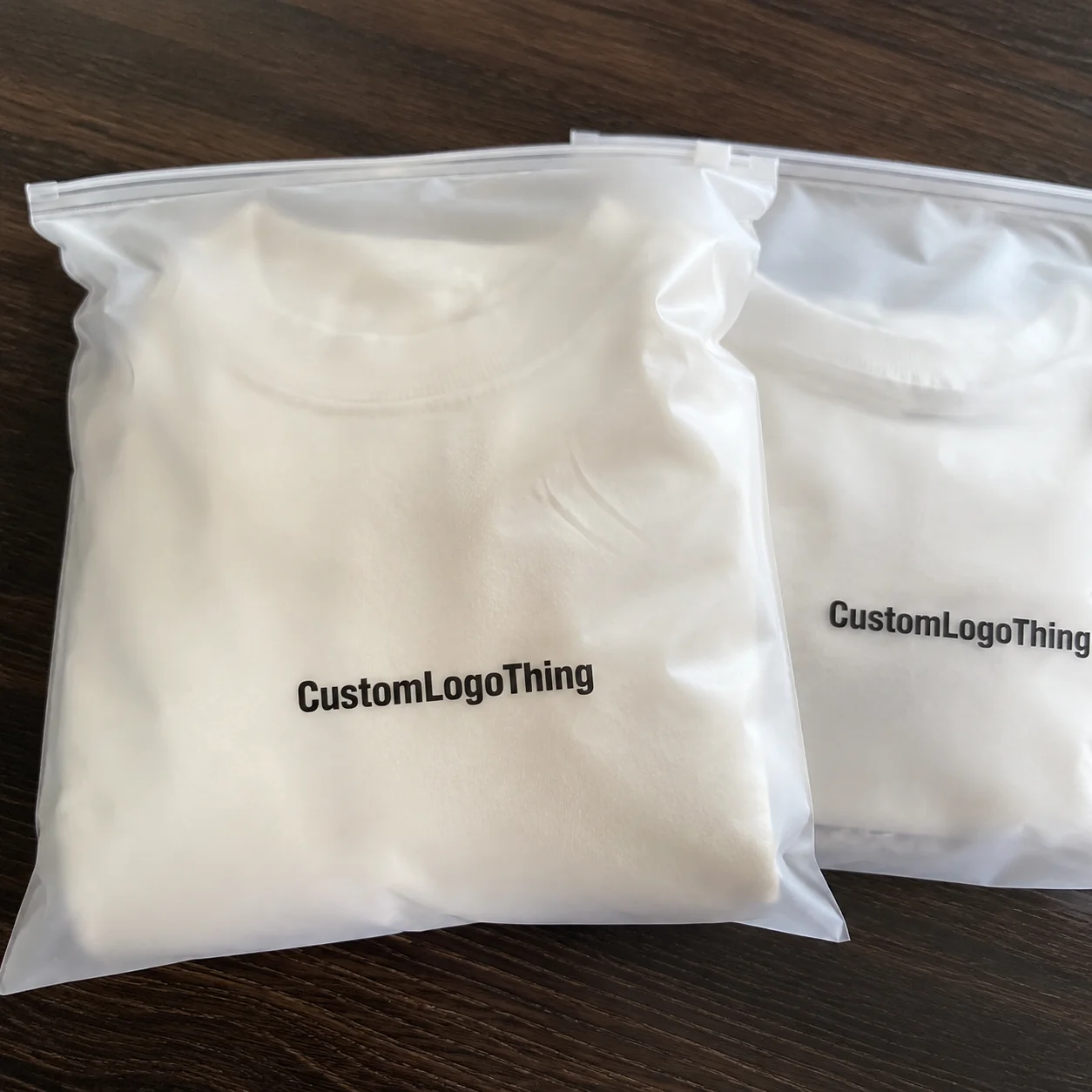
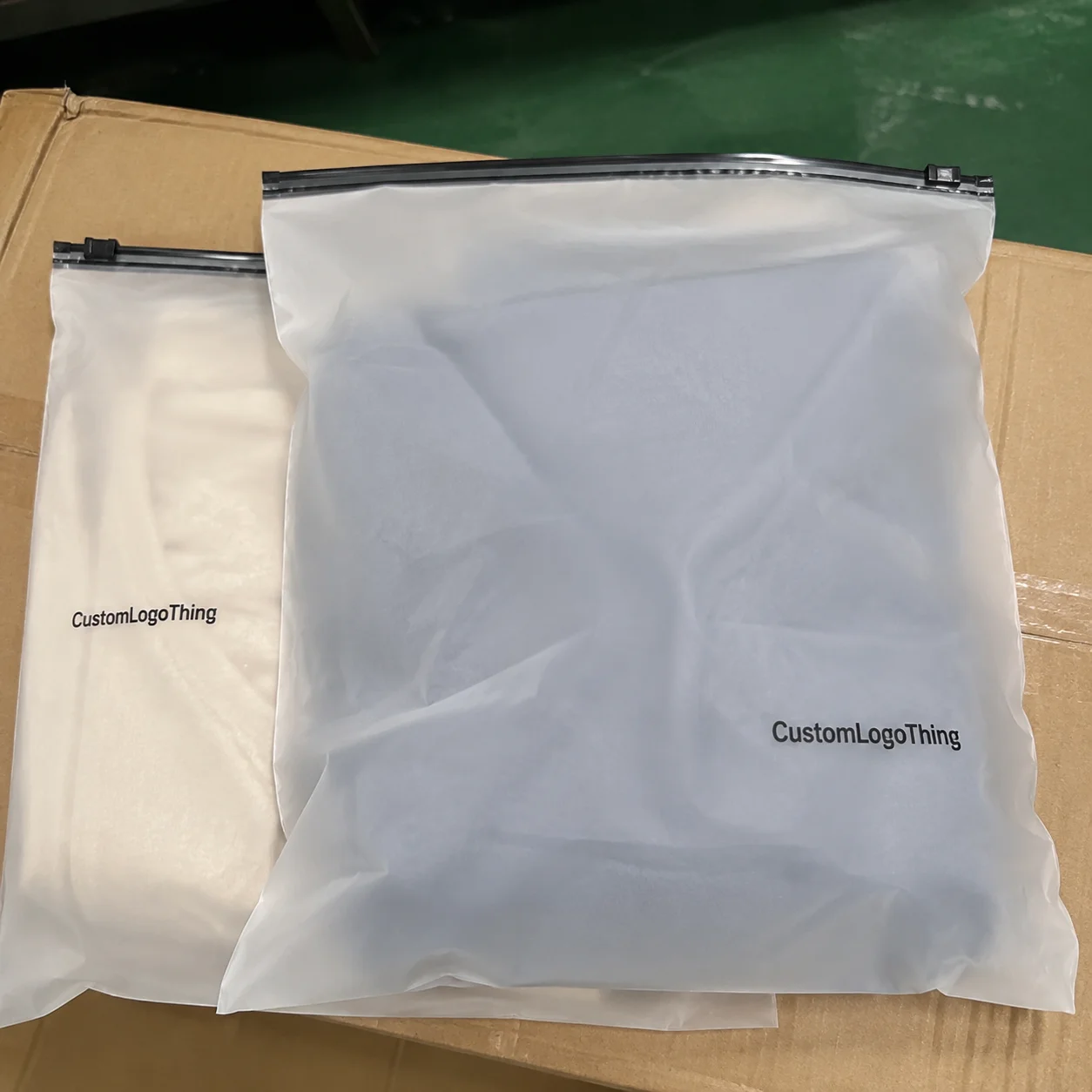
Custom Plastic Garment Bags Unit Cost for Skincare Quotes
The Custom Plastic Garment Bags unit cost for skincare is usually manageable once the packaging team settles the spec instead of quoting a loose idea. A clear or frosted outer poly bag can keep a folded kit flat, protect labels from scuffing, reduce dust exposure, and give a retail set a cleaner face without pushing the project into custom box pricing. For skincare brands packing travel sets, spa bundles, subscription inserts, or textile add-ons, that mix of low weight, visibility, and line efficiency is often the reason the format earns a serious look.
Cost still depends on the details. Film type, thickness, finished size, closure, print coverage, order quantity, and packing requirements all move the final number, sometimes more than buyers expect. A quarter inch added to width across 10,000 bags is not just a layout choice; it is more film, different carton density, and sometimes slower packing. The goal is not to make the bag as cheap as possible on paper, but to set a practical specification that looks right, runs cleanly, and repeats without surprises.
Why Skincare Buyers Use Garment-Style Poly Bags
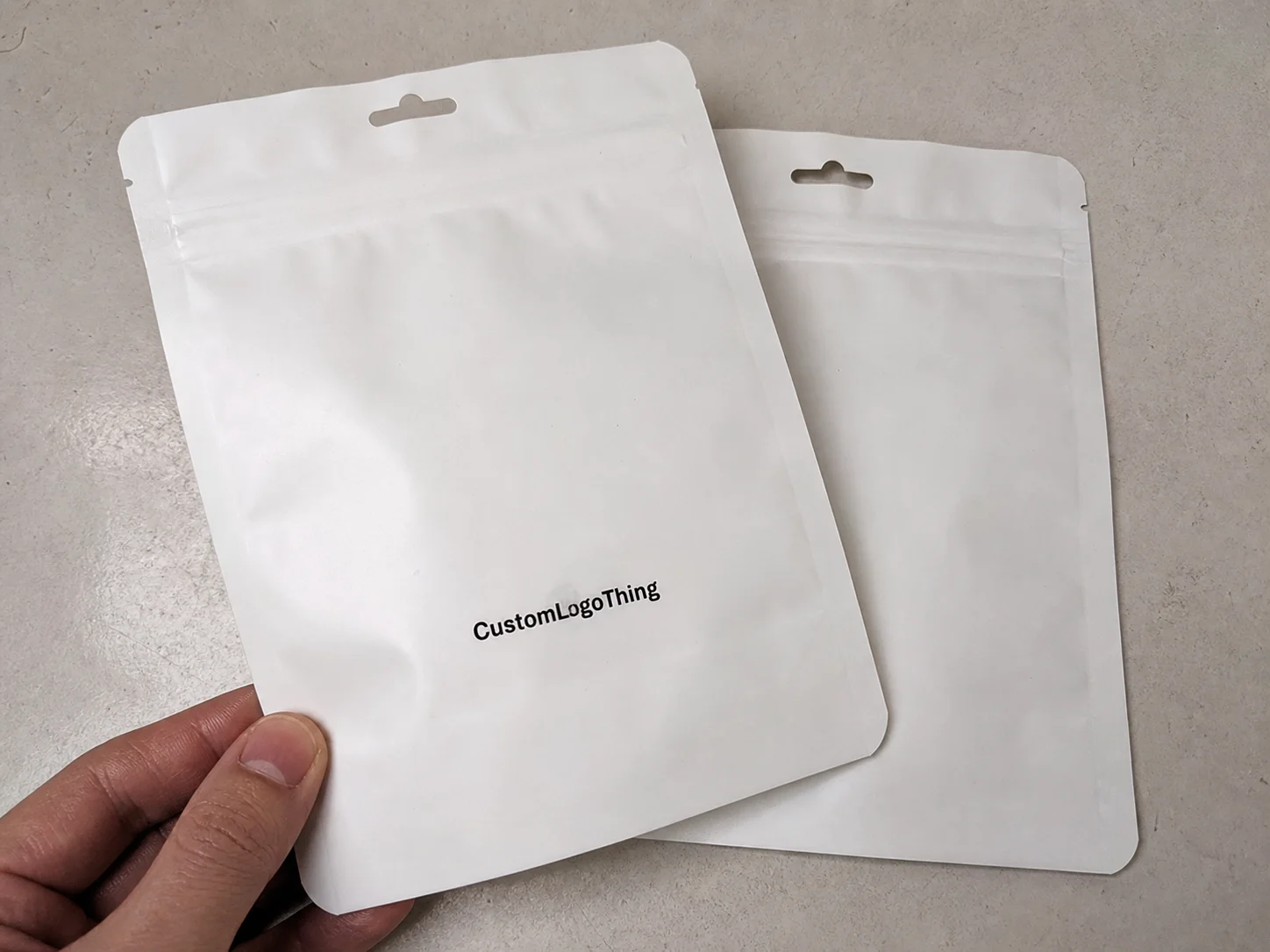
A garment-style poly bag is simple by design: flat, light, flexible, easy to stack, and usually clear enough to show the contents without forcing the customer or receiving team to open the package. In skincare, that makes it useful for folded spa robes, headbands, towels, sample kits, promotional bundles, and retail-ready sets where the contents need to stay grouped and presentable. It is not a luxury structure, but it can make an order look much more controlled.
The practical value shows up on the packing floor. Bags are easy to count, quick to load, and compact in storage before use. They also help keep small items together when a kit includes mixed components, such as a jar, sachet card, towel, applicator, and printed insert. Without a secondary bag, those pieces can shift inside an outer carton or arrive looking handled before the customer has touched them.
For retail packaging, the decision often comes down to the level of protection and structure required. A poly bag will not give the crush resistance of a rigid box, and it will not hide a messy pack-out. It can, however, protect surface finishes, keep textile pieces clean, reduce abrasion between products, and improve the visual order of a bundle. That is a fair trade for many replenishment programs, gift-with-purchase offers, and seasonal sets.
Common skincare uses include:
- Folded spa robes, towels, mitts, headbands, or other textile add-ons.
- Gift sets that need branded packaging without a full custom carton.
- Subscription and influencer kits where items need to stay grouped in transit.
- Retail bundles where product visibility matters more than box rigidity.
- Back-bar or professional kits that need clean organization before use.
If a brand already uses Custom Packaging Products such as cartons, inserts, sleeves, or wraps, a garment-style bag can fill the space between presentation and operational efficiency. The strongest programs usually assign each format a specific job. Boxes handle structure and shelf blocking. Inserts manage orientation. Bags protect, group, and present soft or mixed components without adding much bulk.
Material Choices That Affect Clarity, Feel, and Shelf Appeal
Material choice shapes the way the bag looks, feels, seals, and moves through packing. LDPE is common because it has a soft hand, good flexibility, dependable sealability, and enough clarity for many skincare applications. LLDPE or blended polyethylene structures can add toughness when the bag needs better puncture resistance or stretch. CPP tends to feel crisper and can offer a brighter, glossier presentation, though it may behave differently during sealing and handling. Co-extruded films are used when a buyer needs a more controlled balance of clarity, body, strength, and seal performance.
The right film is not always the most expensive film. A lightweight clear LDPE bag may be enough for a folded towel kit that ships inside a corrugated master carton. A heavier co-extruded film may be justified for a retail set with sharper product edges, a higher perceived value, or a longer distribution path. If the bag will be repeatedly handled by store staff, packed into display trays, or opened and closed by the consumer, the film needs to be chosen with that use in mind.
Finish changes the message. Glossy clear film shows the product directly and suits clean, clinical, ingredient-forward skincare presentations. Frosted film softens the view, hides small variations in folded contents, and can make a mixed kit feel calmer on shelf. Light tinting may support a brand palette or reduce the harshness of fully clear packaging, but it should not make contents difficult to identify during receiving, packing, or inspection.
Print compatibility deserves early attention. A one-color logo on LDPE is often the most efficient option for package branding, especially if the design uses solid shapes and clean line weights. Multi-color print, tight registration, metallic inks, dense flood coats, and large coverage areas can add setup time, raise scrap risk, and stretch the proofing schedule. For many skincare programs, a restrained print that matches the broader packaging system is stronger than an elaborate decoration that strains the material.
There are also handling details that do not show up well in a flat proof. Film odor can matter for fragrance-sensitive skincare lines. Slip level matters when bags need to slide apart quickly during packing or stack without drifting after filling. Static can make light film cling to itself, which slows hand packing. Seal quality matters when bags are stacked tightly, compressed in cartons, or handled several times before final sale.
Buyers should also ask whether any recycled-content or recyclable-film goals apply before the quote is built. Recycled content can affect clarity, color consistency, odor profile, and availability. Recyclability claims depend on material structure, additives, labels, inks, closures, and the recovery system available to the end user. Those details should be reviewed carefully rather than treated as simple marketing copy.
Size, Thickness, Closure, and Fit Specifications
A useful specification starts with finished width, finished length, film gauge, material, seam style, closure type, print location, and packing method. If the bag needs a hanger hole, vent hole, bottom gusset, wicket, suffocation warning, or special lip, those details belong in the first quote request. Small omissions become expensive when they surface after artwork approval or material ordering.
Fit is one of the easiest places to lose money. Oversized bags use more resin, add carton bulk, look loose around the product, and can make a retail set feel less finished. A bag that is too tight creates a different problem: slower packing, stressed seams, wrinkled presentation, or adhesive flaps that do not close cleanly. The best dimensions come from the packed product, measured at its real thickness and orientation, not from a flat dieline sketch or an empty component list.
Gauge should match the stress of the application. Light presentation bags may sit around 1.25 to 1.5 mil, depending on film structure and size. Many branded retail or e-commerce bundle bags land closer to 2.0 mil for a more substantial feel. Heavier gauges can be useful for larger textile kits or products with corners that press into the film, but excess thickness can make the bag bulky, more costly, and less elegant. Micron-based specs should be converted carefully so suppliers are quoting the same target.
Closure choice affects both price and workflow. An open top is economical and fast when the bag is only a protective outer sleeve or will be heat sealed later. A pressure-sensitive adhesive flap gives a more finished look and works well for store-ready or e-commerce bundles. A resealable zipper is useful if the consumer needs repeated access, though it adds conversion cost and changes the packed profile. Heat-sealed tops can be neat and secure, but the buyer should confirm whether the end user, retailer, or fulfillment team will need to open the bag without cutting it.
Artwork should be placed against the actual filled bag orientation. A logo that looks centered on a flat mockup can sit too low once the product is inserted, or it can land over a fold, seam, flap, or barcode zone. If the bag carries regulatory copy, suffocation warnings, SKU labels, recycling marks, or handling instructions, those areas need to be mapped before proof approval. Skincare kits with textile add-ons often need the bag to work as both a presentation layer and a practical protection layer, so visual layout and handling cannot be separated.
Confirm these items before quoting:
- Finished bag width and length, with accepted tolerances.
- Product thickness after packing, including folded textiles or inserts.
- Film gauge in mil or micron.
- Film type, finish, and any recycled-content requirement.
- Closure method and seal or flap location.
- Print colors, coverage, imprint size, and artwork format.
- Barcode, warning, label, or inspection-window requirements.
- Inner pack count, master carton count, and shipping destination.
Custom Plastic Garment Bags Unit Cost for Skincare: What Drives the Price
The Custom Plastic Garment Bags unit cost for skincare is driven by a short list of variables, but each one needs to be pinned down. Film type, dimensions, gauge, print coverage, closure, order quantity, tolerance, and packing requirements all affect the quote. The lowest number on a spreadsheet may be using a thinner gauge, a smaller finished size, a different resin blend, a simpler closure, or less complete quality control.
Order quantity matters because setup does not disappear on a small run. Artwork review, plate or cylinder preparation where applicable, machine setup, material staging, color matching, sealing setup, inspection, and packing all take time before the first usable bag is counted. A 2,500-piece order spreads those fixed costs across fewer units than a 25,000-piece order. That is not a penalty; it is the math of conversion work.
Size can move cost faster than buyers expect. A taller bag, wider bag, or added gusset increases film consumption and may reduce how many finished bags fit into a carton. A thicker film increases resin use and changes roll weight. A flap closure adds length, adhesive, liner or release material depending on construction, and more converting steps. A zipper adds both material and complexity. Printing adds setup and production variables, especially if the design includes heavy coverage or tight registration.
| Option | Typical Use | Indicative Unit Cost at 5,000 pcs | Notes |
|---|---|---|---|
| Open-top LDPE, 1.5 mil, clear | Simple skincare kits and folded add-ons | $0.08-$0.14 | Efficient for basic presentation and fast hand packing |
| One-color printed LDPE, 2.0 mil | Branded retail sets | $0.12-$0.20 | Good balance of visibility, feel, and package branding |
| Adhesive flap CPP or co-extruded film | Gift kits and e-commerce bundles | $0.18-$0.32 | More finished presentation, with additional conversion work |
| Frosted film with logo print | Premium skincare presentation | $0.20-$0.38 | Higher shelf feel, usually with higher film and setup cost |
These ranges are planning numbers, not a firm quote. Final pricing depends on finished dimensions, resin and film availability, print method, waste allowance, inspection standard, freight, and whether production is domestic or imported. Freight should not be ignored. Poly bags are light, but master cartons can be bulky, and a loose pack-out may increase dimensional weight.
Buyers often find savings by standardizing one or two bag sizes across several SKUs rather than creating a new custom size for every bundle. A slightly more flexible standard size can reduce setup variation, simplify purchasing, improve warehouse control, and make repeat orders easier. That approach works best when the bag still fits well enough to protect the presentation; standardization should not create a sloppy retail pack.
If a program includes both bags and boxes, compare the full packaging system rather than isolating the bag alone. A custom printed box may be right for a hero set with high shelf impact. A garment-style poly bag may be better for seasonal replenishment, sample groupings, refill kits, or lightweight accessories. Cost control improves when each package component is chosen for its actual job.
Process, Proofing, and Production Timeline
The production path is usually direct: spec review, quote, artwork check, proof or sample approval, material procurement, production, inspection, packing, and shipment. It becomes slower when the buyer changes the size after pricing, sends incomplete artwork, approves a flat proof without checking filled-bag orientation, or asks for a closure that does not match the original use case. The earlier those issues are caught, the less expensive they are to fix.
A standard custom run may move in roughly 12 to 18 business days after final approval, though that range depends on material availability, print complexity, line scheduling, and order volume. Imported production can add time for transit, customs clearance, and port or inland freight. Rush schedules are possible in some cases, but they usually narrow material choices and leave less room for sampling.
Proofing should be treated as a decision point, not a courtesy step. A digital proof can confirm artwork position, print size, warning copy, barcode zones, and general layout. A physical sample or pre-production sample can show whether the film has the right body, whether the flap closes cleanly, whether the seal location works, and whether the filled bag presents correctly. For repeat programs, a retained approved sample helps keep later runs aligned.
Quality control should cover more than visual print. Common checks include finished width and length, gauge, seal integrity, closure placement, print registration, ink adhesion, carton count, and packing orientation. For printed bags, rub resistance and ink transfer may matter if the bags touch other components during shipping. For adhesive closures, the release strip and adhesive tack should be checked under realistic handling conditions.
For programs that need distribution confidence, teams may reference ISTA methods when the bag travels inside a larger shipper or master carton with other components. If the broader package includes paper inserts, cartons, or sleeves, buyers may also want to review whether those components can be sourced through FSC-certified material. Plastic and paper components have different requirements, but the full presentation still needs to feel consistent.
Sampling is most valuable when the buyer tests the bag the way it will actually be used. Pack the real kit, stack the filled bags, place them in the intended carton, leave them under light compression, and check whether the film wrinkles, stretches, scuffs, or shifts. A sample that looks fine on a desk may behave differently after a day in a packed master carton.
How to Evaluate a Supplier Before You Place an Order
Price matters, but a supplier should also be judged by how clearly they handle specifications. A capable source can discuss gauge tolerance, finished-size tolerance, print registration, sealing consistency, film options, carton counts, and inspection checkpoints in practical terms. Vague answers are a warning sign, especially when the bag will be used across repeat orders or retail-facing kits.
Good suppliers ask detailed questions before quoting. They want to know what goes inside the bag, how it is packed, whether it ships alone or inside another carton, what the finish should feel like, and how the artwork will be positioned on the filled product. They also point out tradeoffs. A thinner film may save money but feel flimsy. A heavier gauge may look better but raise material and freight cost. A resealable closure may improve consumer use but slow production and packing.
Ask these questions before placing an order:
- What are the tolerances on width, length, gauge, and closure placement?
- How is print registration checked during production?
- What line-screen, small-text, or thin-rule limits apply to the print method?
- Will the quote include plates, setup, proofing, cartons, and freight?
- How many bags are packed per inner bundle and master carton?
- What inspection steps happen before shipment?
- What sample, proof, or retained standard will be used for repeat runs?
The strongest quotes are easy to compare because they define the same object. If one supplier quotes 1.5 mil clear LDPE with an open top and another quotes 2.0 mil frosted film with an adhesive flap, the prices should not be treated as competing offers. They describe different bags, different handling behavior, and different retail impressions.
A clean first run is usually less expensive than a correction after launch. For skincare packaging, that matters because the bag often touches several teams: purchasing, creative, regulatory, fulfillment, retail operations, and customer experience. A small miss in one area can create extra work in another.
What to Send for a Fast Quote
A fast quote starts with complete information. Send the finished bag width and length, target gauge, film preference, closure style, print colors, artwork files, quantity, destination, and required delivery window. If the product already exists, include photos of the packed kit and any current bag, box, or sleeve. If the product is still in development, send component dimensions and a rough pack-out plan so the supplier can flag fit concerns early.
Artwork should be supplied as vector files when possible, with fonts outlined and colors identified. If a logo must match a specific brand color, provide the color reference and understand that ink on plastic may not look identical to ink on paperboard, labels, or screen displays. Clear film, frosted film, and tinted film can each shift the perceived color. For tight color expectations, ask what proofing option is available before production.
Quote comparisons should be normalized by size, film, gauge, closure, print method, quantity, tolerance, packing, and freight. Otherwise, the cheapest offer may only be cheaper because it excludes setup, uses a lighter material, omits carton specifications, or assumes a longer lead time. That kind of mismatch is common in early sourcing and can make a packaging budget look more stable than it is.
For brands that also need cartons, inserts, sleeves, or related formats, it is often better to review the full packaging design together through Custom Packaging Products. The bag may be a small line item, but it affects how the kit is assembled, how the customer sees the product, and how repeatable the program feels. Once the structure is clear, confirming the Custom Plastic Garment Bags Unit cost for skincare becomes a much cleaner purchasing step.
What affects custom plastic garment bag unit cost for skincare orders most?
The main cost drivers are finished size, film gauge, material type, print coverage, closure style, order quantity, packing method, and freight. A small order usually costs more per unit because setup and conversion work are spread across fewer bags.
How does MOQ change the price on skincare garment bags?
A higher MOQ can lower the unit price because material purchasing, setup, printing, sealing, and inspection become more efficient. Limited runs are possible, but the quote should make clear whether setup, artwork, proofing, or freight is included.
Which film thickness is best for skincare packaging bags?
The right thickness depends on size, contents, handling, and shipping conditions. Light gauges can work for low-stress presentation, while 2.0 mil or heavier films may be better for larger kits, sharper components, or a more substantial retail feel.
Can printed logos stay affordable on custom plastic garment bags?
Yes. One-color or limited-color artwork is usually the most cost-efficient route. Clean vector artwork, moderate coverage, and realistic color expectations help keep setup time and unit pricing predictable.
What should I prepare before asking for a quote?
Prepare finished dimensions, quantity, material preference, film gauge, closure style, print details, artwork files, destination, and deadline. Photos or samples of the packed product help the supplier judge fit and provide a firmer Custom Plastic Garment Bags Unit cost for skincare.