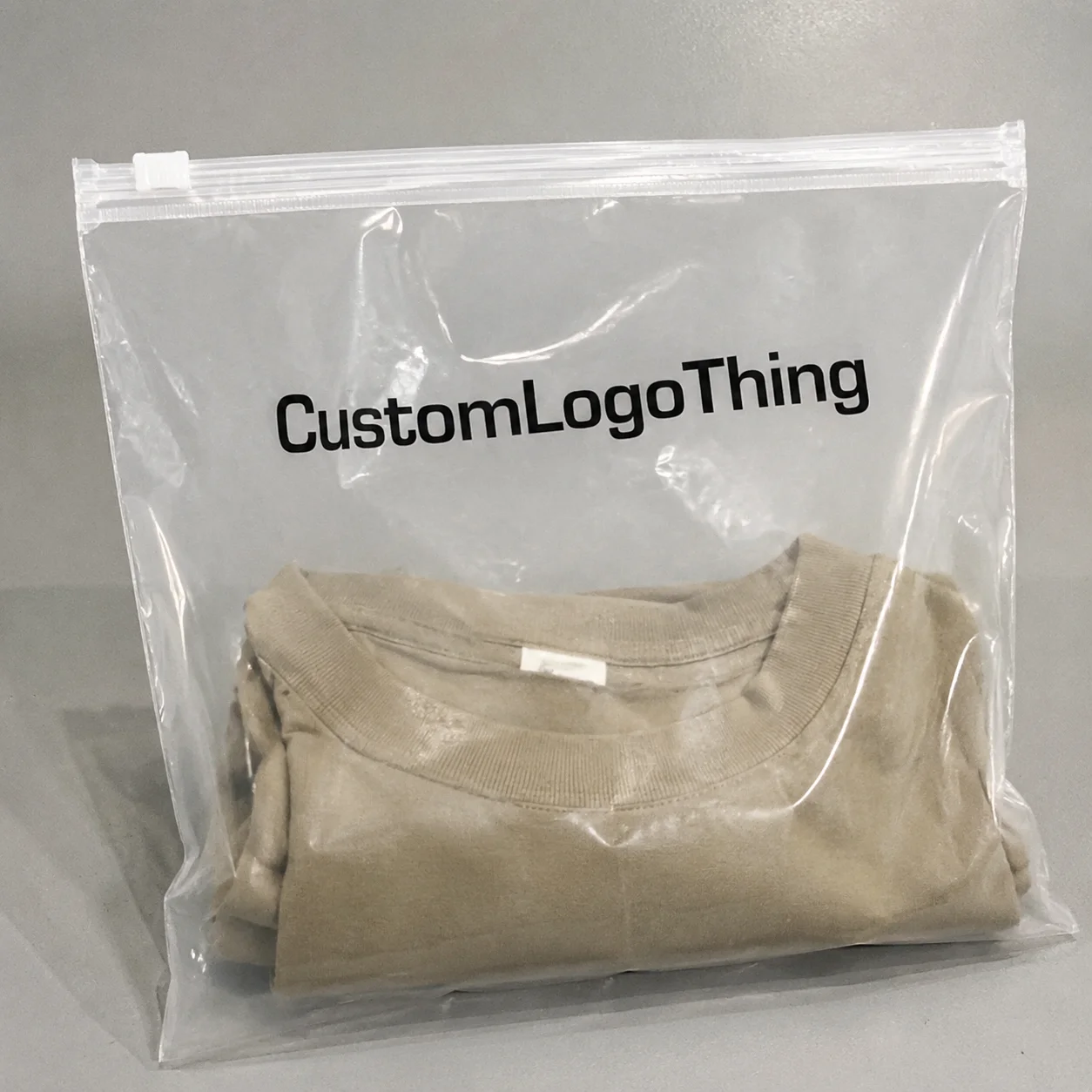
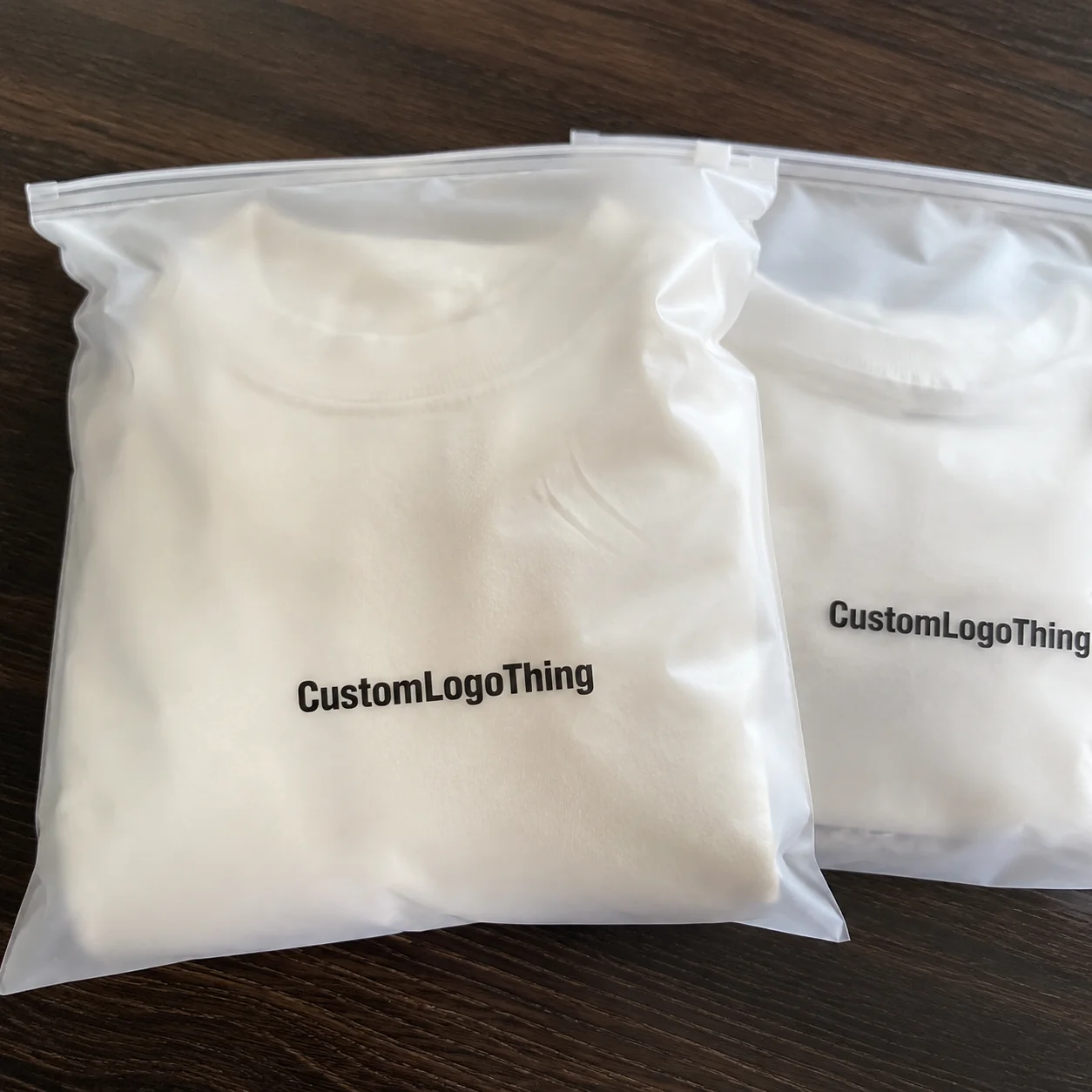
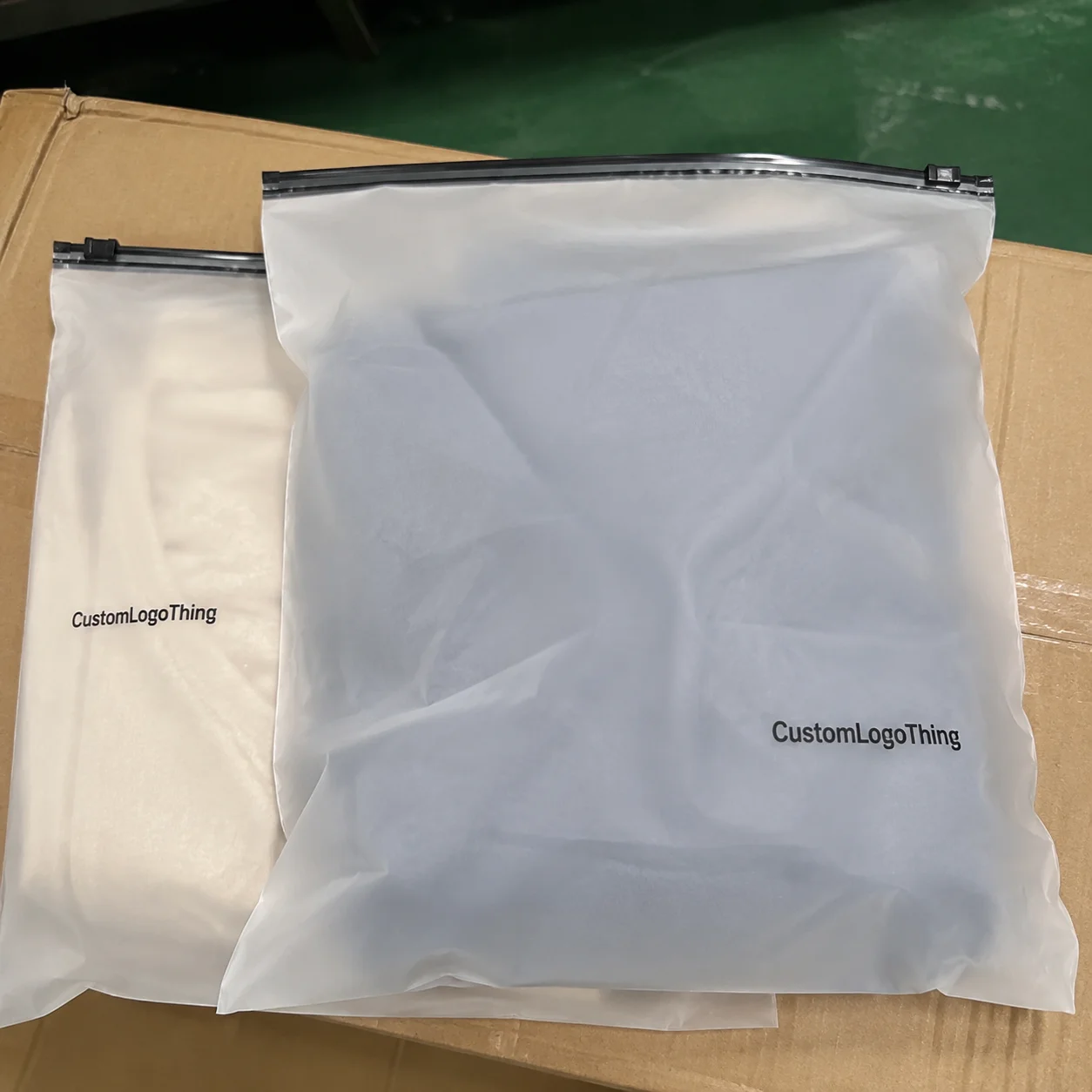
A cosmetics line that needs to protect product, present well, and ship cleanly often ends up in a practical middle ground: a Printed Custom Plastic Garment bag. It is lighter than a rigid box, easier to store than a carton, and far more adaptable than many buyers expect. The best way to judge it is not as a price line alone, but as a packaging format that has to work on a hook, in a shipping carton, and on a shelf without looking improvised.
That is why a printed Custom Plastic Garment Bags quote for cosmetics should be read as a spec review first and a pricing exercise second. Film clarity, print method, closure style, thickness, and artwork placement all change the outcome. If those details are vague, the quote will be vague too. If they are tight, the answer becomes much more useful.
For cosmetics, the bag often has to do three jobs at once: protect the contents, support brand presentation, and keep the item easy to handle during fulfillment. Promotional kits, beauty tools, bundled accessories, and travel sets all benefit from that combination. The package does not need to be heavy to feel considered, but it does need to be designed with the product inside in mind.
Why cosmetics brands use garment-bag format for shelf appeal
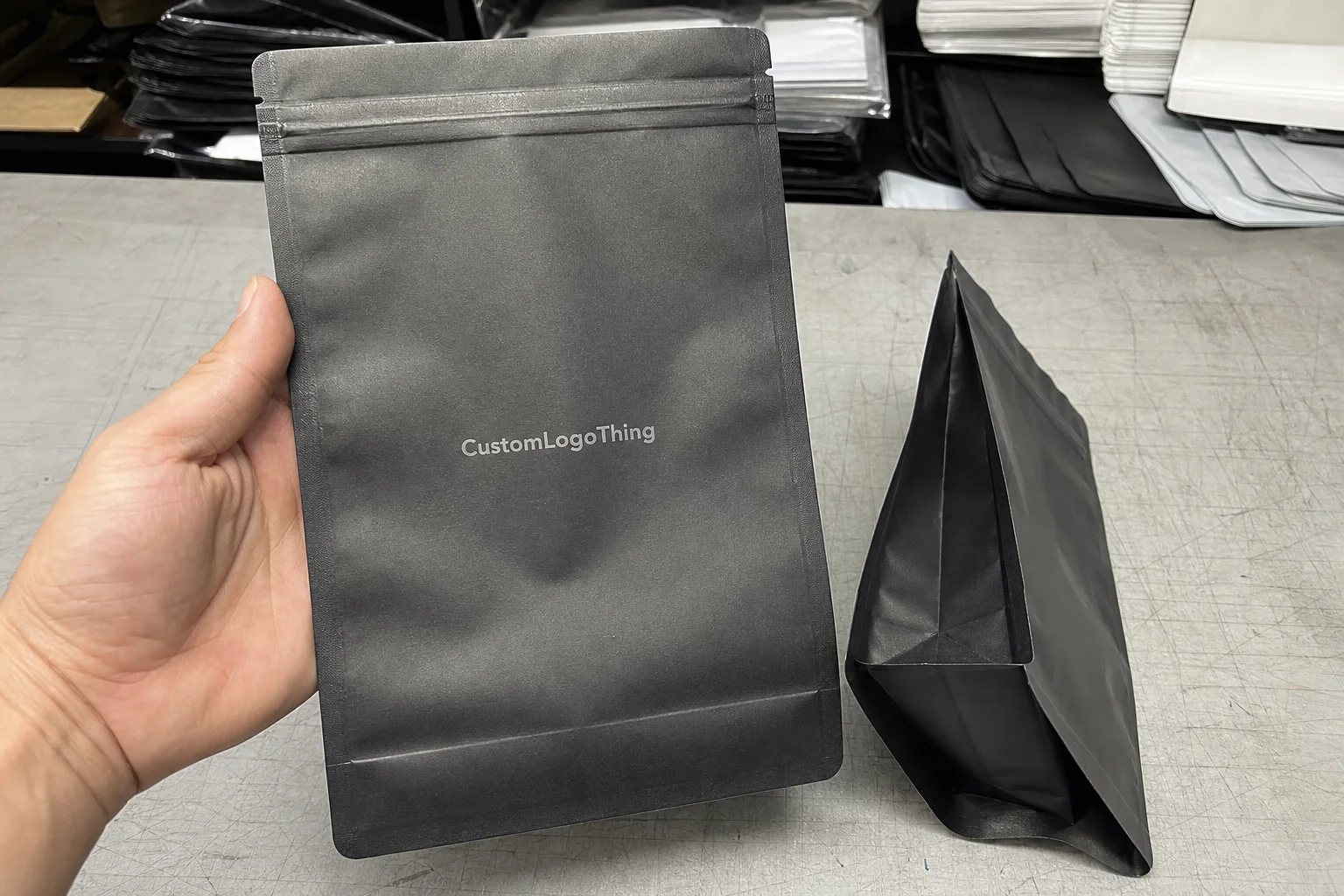
The main appeal is straightforward. A garment-bag format gives the product a clean outer layer without overbuilding the package. That makes sense for cosmetics because the product itself often carries most of the value. The package should frame it well, keep dust off, and add enough branding to feel intentional. More structure is not always better if it adds freight cost and warehouse bulk without improving retail presentation.
Clear or lightly frosted film works especially well in beauty packaging because it lets the buyer see the silhouette, the contents, or the arrangement of a gift set. Printed branding can then sit on top of that visibility instead of fighting against it. The result is often more polished than a plain sleeve and less expensive than a custom box with inserts. For many brands, that is the practical balance they are trying to strike.
The format also handles distribution well. Flat bags stack efficiently, take up little space in storage, and are quick to pack in volume. That matters when a fulfillment team is moving fast and the packaging needs to stay predictable from one order to the next. For light accessories, sample kits, brushes, or bundled beauty items, the bag can be a cleaner fit than a rigid package that adds unnecessary weight.
The strongest cosmetic packaging usually does not call attention to its own complexity. It makes the product look ready for retail and stays light enough to move efficiently through the supply chain.
Buyers should still separate use cases before quoting. A bag for shelf display is not the same as a bag for gift-with-purchase, transit protection, or backroom storage. The right supplier will ask where the package will be used before pricing it. That question is not filler; it is how a meaningful quote gets built.
Print options, film choices, and cosmetic-use details
The film choice sets the tone. Clear polyethylene is common because it is economical and shows the product well. Frosted film is often preferred when the brand wants a softer, more premium look or needs a better backdrop for print. Tinted film can create a stronger visual identity, though it reduces visibility. Opaque film is usually used when concealment matters more than display. For cosmetics, the decision usually comes down to how much of the item should remain visible and how much the branding should stand out.
Thickness matters more than many buyers expect. A light bag may be fine for a flat accessory, but heavier bottles, sharp-edged tools, and repeated handling require more body. Buyers often compare 1.5 mil, 2 mil, and 2.5 mil equivalents, or roughly 35 to 60 micron ranges depending on the material. A small increase in gauge can improve drape, reduce the feeling of flimsy packaging, and help the bag survive handling without deforming.
Print method affects both appearance and cost. A one-color logo on clear film is the simplest path. Multi-color graphics or full-panel coverage increase setup, proofing, and print time. Reverse printing on clear film can protect the ink and sharpen the presentation from the outside. On frosted film, direct print often reads cleanly because the surface naturally softens glare. The right choice depends on whether the brand wants minimal decoration or a more prominent visual block.
Cosmetic packaging has its own practical requirements:
- Dust protection matters for items that sit in storage before sale or move through retail back rooms.
- Moisture resistance helps with travel sets, bathroom-adjacent products, and shipping through variable conditions.
- Visibility is useful for gift kits, brushes, sample packs, and multi-item sets.
- Hanging presentation matters if the package will hang from a peg or clip strip.
Compliance and transport questions belong in the early brief, not after the proof is approved. The Packaging School and industry resources are useful for broader packaging thinking, while the ISTA framework helps buyers think about vibration, compression, and drop risk if the bags are moving through a broader distribution network. A supplier does not need every test under the sun, but it should be clear which performance claims are supported and which are just assumptions.
The buyer question that usually leads to a better answer is simple: which film, print method, and finish will support the product without adding unnecessary cost? That is the point where a printed Custom Plastic Garment Bags quote for cosmetics becomes useful instead of generic.
Size, gauge, closure, and artwork specifications that affect fit
Most quote delays begin with missing dimensions. A supplier needs the finished bag width, length, and any gusset if the contents are not flat. If the product is boxed, cylindrical, or irregular, that should be stated directly. A sleeve for a brush set and a wider bag for a cosmetic gift kit are different structures even if the logo treatment looks similar.
Thickness influences both durability and perceived quality. A bag that feels too thin can make premium cosmetics look less considered than they should. A slightly heavier film usually improves the hand feel and keeps the package from collapsing too easily on display. That is a subtle change, but retail buyers notice it fast.
Closure style changes the package function. Open-top bags are quick and inexpensive, but they offer less containment. Adhesive flap closures work well for retail-ready presentation and light protection. Zip-style closures are better when resealability matters, especially for sample packs or multi-item kits. If the package will hang, the hole punch or euro-slot should be confirmed before artwork is finalized, not after.
Artwork needs the same discipline. Vector files are preferred. Pantone references should be supplied if color matching matters. Bleed, safe zones, and seam placement all need to be considered before approval. Logos should not be placed so close to a seal, fold, or hanger slot that the final result looks crowded. If a design crosses a center fold, a proof adjustment is likely, and that should be planned for.
A solid brief usually includes the following:
- Finished bag dimensions.
- Product dimensions and shape.
- Film choice and target thickness.
- Print colors and coverage area.
- Closure style and hanger requirement.
- Artwork files or reference images.
The more complete the brief, the less guessing happens in quotation. That is what shortens the revision cycle and gets the printed Custom Plastic Garment Bags quote for cosmetics into a usable range without unnecessary back-and-forth.
Cost, MOQ, and printed custom plastic garment bags quote for cosmetics variables buyers should compare
Cost is shaped by a small number of repeatable variables: size, film type, thickness, print colors, closure style, and quantity. Bigger bags use more material. Thicker film uses more resin. More colors add setup and production time. Special closures may require extra parts or extra process steps. None of that is surprising, but each item changes the quote in a measurable way.
MOQ matters because setup costs get spread across the run. A lower quantity may be possible, but unit price tends to rise as the order gets smaller. Buyers often focus on the per-unit figure and miss the full picture. That can lead to false savings. Total landed cost is the better test because it includes freight, sampling, setup, and any plate or tooling charges attached to the job.
For a practical range, simple custom printed cosmetic garment bags often fall around $0.18-$0.28 per unit at 5,000 pieces for standard film and basic print. More involved runs with heavier gauge, frosted stock, multiple colors, or specialty closures can move into the $0.30-$0.55 per unit range, sometimes higher if the quantity is low. Those numbers are working estimates, not fixed offers, because print area and production method can move them quickly.
| Option | Best use | Typical spec | Indicative unit cost at 5,000 pcs |
|---|---|---|---|
| Clear film, one-color print | Simple retail display | 1.5-2 mil, logo on front panel | $0.18-$0.26 |
| Frosted film, one- or two-color print | Premium cosmetic kits | 2 mil, better visual masking | $0.24-$0.38 |
| Tinted film, multi-color print | Brand-led promotions | 2-2.5 mil, stronger shelf impact | $0.30-$0.48 |
| Opaque film, specialty closure | Containment and concealment | Heavier gauge, zip or flap | $0.38-$0.55+ |
A good comparison set usually includes at least two or three versions of the same bag. For example, 2 mil clear, 2 mil frosted, and 2.5 mil frosted with identical artwork can show the cost premium for finish and thickness without introducing other variables. That makes the tradeoff visible. Sometimes the better-looking option is worth the increase. Sometimes the simpler version is the right decision because the margin is tighter than the presentation budget.
If you are comparing suppliers, ask each one for the same structure: unit price, setup cost, sample cost, carton pack count, freight method, and lead time. The best quote is not always the lowest number on paper. It is the one that matches the product, the schedule, and the retail requirement without generating avoidable rework.
Production steps, proofing, and lead time from PO to shipment
The production path is usually predictable. Inquiry, spec confirmation, artwork review, proof approval, production, inspection, then shipment. Delays usually start at the front end. Incomplete specs and late artwork changes slow the quote and the schedule long before material is cut.
Digital proofs are not a formality. They catch placement errors, fold issues, and weak contrast before production starts. If the logo sits close to a seal or hanger slot, that should be visible in proof. For cosmetics, this matters because the visual read is part of the product experience, not just a technical requirement.
Lead time depends on complexity and capacity, but a common range is 12-15 business days after proof approval for straightforward custom runs. More complex jobs, special closures, or larger quantities may take 15-20 business days or more. Repeat orders are often faster because the spec and artwork are already approved. First-time runs usually take longer, and that is normal rather than exceptional.
Planning around the launch date matters. If a retailer has a fixed receiving window or a promotion has a hard ship date, a late order can force air freight and wipe out the savings from a lower per-unit quote. A careful timeline is usually cheaper than a rushed one. That is especially true for packaging that has to arrive looking consistent across the entire order.
Sample strategy should match the risk. A plain prototype can be enough if the only concern is fit. A printed proof is smarter if the artwork placement is tight or the brand color has to read correctly. A supplier that asks which sample type you need is usually paying attention to the job rather than just the order size.
Quality control, compliance, and packaging performance checks
Quality control on this kind of packaging should be visible and measurable. Print registration is the first check. If the logo is off, even slightly, the package can look careless under retail lighting. After that, inspect seal strength, cut edge consistency, surface scuffs, and dimensional accuracy. Cosmetic packaging is less forgiving than warehouse packaging because flaws show up quickly on a bright shelf.
Documentation can matter as well. Some retail partners ask for resin details, recycled content claims, or general conformance documents. If the bags are part of a broader branded packaging program, it helps to have that paperwork ready early. It prevents the sort of delay that appears later when vendor onboarding asks for information that should already exist.
Testing should match the actual shipping risk. If the bags will travel through a distribution network, ask whether the supplier can support transit-related checks or provide material data tied to tensile or puncture performance. The ISTA framework is a useful reference point for that conversation. It is not a guarantee of performance, but it does give procurement and operations teams a common language for compression, vibration, and drop concerns.
For launch work or retail presentation, request a sample or pre-production proof. A bag can meet the dimension spec and still miss the visual target because of gloss level, print density, or the way the film folds in light. Those details are small on paper and obvious in store. They are also the details that determine whether the package feels like part of the product or an afterthought.
A simple acceptance checklist helps keep the process honest:
- Print is centered and legible.
- Film is free of major haze or scuffing.
- Dimensions match the approved spec.
- Closure works consistently.
- Carton pack count is correct.
That kind of inspection protects the packaging investment and catches small defects before they reach the shelf.
What to send for a fast quote and next ordering steps
If the goal is a fast, accurate quote, start with the facts. Give the supplier finished dimensions, quantity, film preference, closure style, print colors, and delivery destination. If the bag has to hold a bottle, palette, brush set, or gift kit, include those product dimensions too. That one step cuts down the clarification cycle immediately.
Reference images help more than many buyers expect. A product photo, rough sketch, or an existing package gives the supplier something concrete to work from. If a dieline already exists, send it. If not, it can usually be built from the measurements. That is much more efficient than describing a visual layout in prose and hoping it gets interpreted correctly.
Sample planning should be decided early. A plain prototype is fine when you are checking size only. A printed proof makes sense if the artwork placement is tight or color consistency is critical. For a launch-driven order, that decision should happen before the quote gets locked, not after approval.
Once the quote arrives, compare three things in order:
- Does the spec match the product?
- Does the quote include setup, sample, and freight variables?
- Can the lead time support the launch date without rush shipping?
If those three line up, the order can move into proofing with much less risk. If they do not, the spec should be revised before production starts. That is the cleanest way to turn a printed Custom Plastic Garment Bags quote for cosmetics into a working production plan rather than a rough estimate.
Bottom line: the strongest quote is built on exact dimensions, clear artwork, realistic quantity breaks, and a production timeline that fits the launch. The more complete the brief, the more useful the pricing becomes, and the less likely the project is to drift once production begins.
What information do I need for a printed custom plastic garment bags quote for cosmetics?
Send bag dimensions, quantity, film type, closure style, print colors, and the delivery destination. Add artwork files or a logo reference so the supplier can price setup correctly. Include whether the bags are for retail display, shipping, or product bundling because that changes the spec.
What is the usual MOQ for custom printed cosmetic garment bags?
MOQ depends on size, print complexity, and film type. Simple runs are often available at lower quantities, but unit cost rises as setup is spread across fewer bags. Ask for price breaks at multiple quantities so you can compare the MOQ impact clearly.
How long does production usually take after artwork approval?
Lead time varies by order size, print method, and current factory schedule. First-time custom orders usually take longer than repeat orders because proofing and setup are included. The fastest orders are the ones with complete specs and final artwork at the start.
Can these bags be used for cosmetic gift sets and sample kits?
Yes, they work well for bundled items, promotional kits, and retail gift packs. Choose size and closure style based on whether the contents need display visibility or stronger containment. A printed bag can replace heavier packaging when the goal is brand presentation with lower shipping weight.
What affects the final unit cost the most?
Quantity, film thickness, bag size, print coverage, and special closure features are the biggest cost drivers. Artwork complexity and color count also affect pricing because they change setup and production steps. Comparing total landed cost is more reliable than comparing unit price alone.