Buy Custom Poly Mailer Bags for Giftable Ecommerce Orders is a straightforward brief, but the packaging decision behind it is not. The outer mailer is often the first and only package a buyer sees before they touch the product, so Custom Poly Mailer Bags for giftable ecommerce orders have to carry both protection and presentation from the same thin layer.
That is the practical advantage. A printed poly mailer can create a stronger first impression than a plain carton while adding less weight to the shipment, which matters for postage, carton waste, and handling speed. For apparel, accessories, beauty kits, and limited-run bundles, the format can make the order feel finished without the dimensional weight that often comes with custom printed boxes.
From a buyer's point of view, the appeal is simple: cleaner unboxing, lower shipping impact, and a branded delivery moment that starts before the product is touched. If you are building retail packaging that has to look polished at the door and still stay cost-aware, the mailer deserves a serious look. For a starting point, our Custom Poly Mailers page is the fastest way to compare structure, print style, and size options.
Why custom poly mailer bags for giftable ecommerce orders work
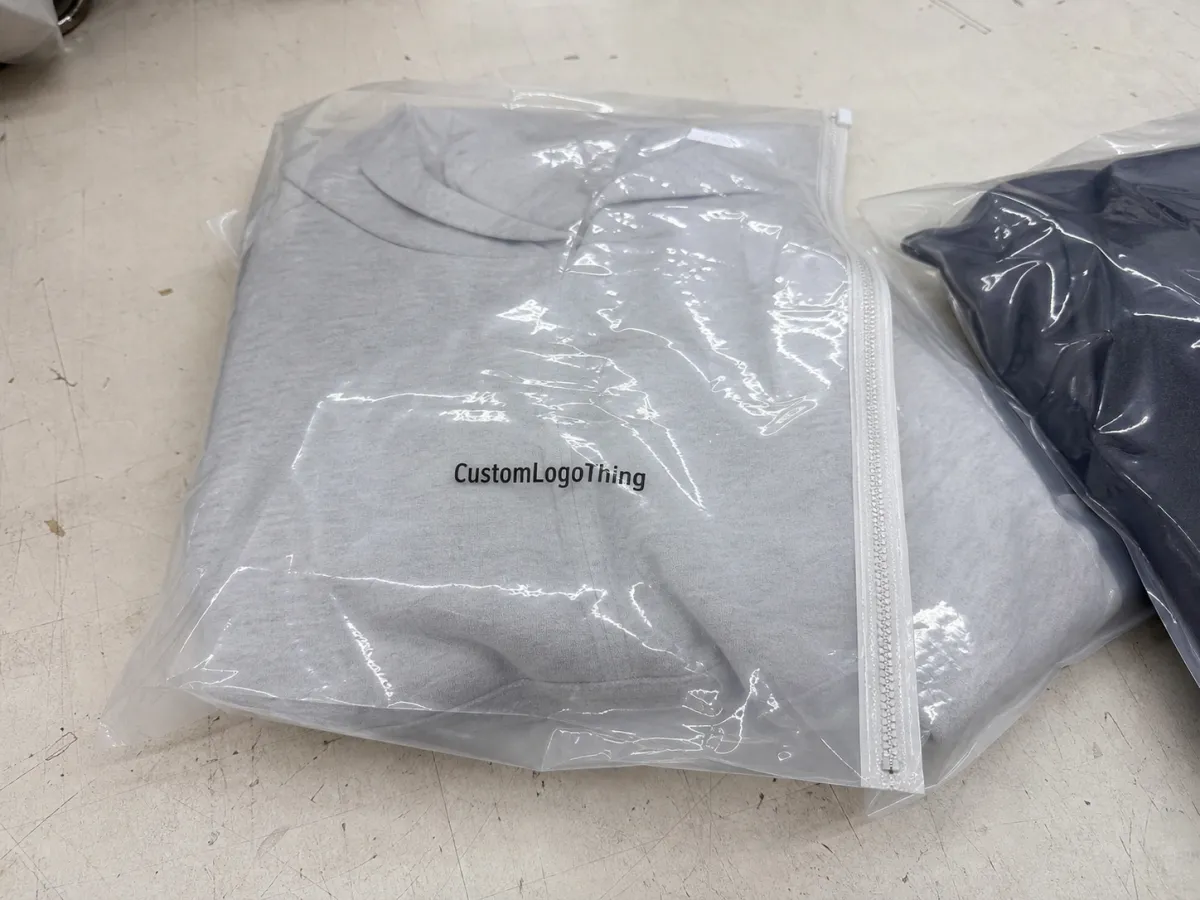
Most packages arrive with a split personality. One layer protects the item. Another layer sells the brand. Custom Poly Mailer Bags for giftable ecommerce orders collapse those jobs into one surface, and that is why they work so well for flat or lightly boxed merchandise. The buyer sees the brand before the product is even unwrapped, which means the package becomes part of the experience rather than a disposable shell.
A plain carton can still be the right move for fragile goods, but it is not always the leanest answer for giftable ecommerce orders. If the item is a folded garment, a small accessory, a subscription gift, or a bundle that already has a retail presentation inside, a printed mailer often delivers a sharper look at a lower shipping weight. That can preserve margin without making the order feel stripped down.
“A mailer that closes cleanly and prints sharply does more for the unboxing than extra filler ever will.”
This is where packaging design matters. A strong logo scale, a disciplined color palette, and enough opacity to hide contents can make even a simple shipment feel intentional. In practice, the best Custom Poly Mailer Bags for giftable ecommerce orders do not try to imitate a luxury rigid box. They lean into what the format does best: speed, protection, and a clean branded surface that travels well.
For reference, many packaging teams use standards from groups such as packaging.org to think through material choice, print performance, and shipment handling. The exact structure still depends on the item, but the logic is consistent: reduce empty space, keep the package readable, and make the first touch feel deliberate.
Print finishes and closure options that make the bag feel premium
Finish changes perception fast. Matte feels calmer and more modern, gloss reads brighter and more promotional, and soft-touch pushes the package toward a premium gift feel. For fashion or beauty, matte usually hides scuffs better. Gloss can work well for seasonal drops, launch campaigns, or bold color programs that need shelf-like punch. Soft-touch is attractive, but it should be used with some care because rough packing can dull the effect.
Closure details matter just as much. Self-seal adhesive is standard for speed. Tamper-evident strips help buyers trust that the package was not opened in transit. Resealable closures are worth considering for returns, exchanges, or items that may need to be repacked after a quick inspection. Tear strips can make the opening feel cleaner, especially on Custom Poly Mailer bags for giftable ecommerce orders that are meant to feel more like a gift than a shipping unit.
Opacity is another small detail with a large payoff. A fully opaque film hides the product silhouette and can make the reveal feel more polished. Some brands add interior print or a contrasting inside color to create a better opening moment. That is not decoration for decoration's sake; it can shape how the package feels at the doorstep. Strong registration, crisp edge trimming, and a seal that does not wander are the unglamorous details that separate polished packaging from a cheap-looking run.
If you are comparing finishes for broader branded packaging programs, think of the mailer as part of the same family as labels, tissue, and insert cards. The more those pieces agree visually, the stronger the package branding becomes.
Size, gauge, and material specs that prevent split seams
Size is the first technical decision that protects margin. Too small, and the seal takes stress from every fold. Too large, and the shipment looks loose, wastes film, and can invite movement inside the bag. For flat apparel, start with the folded product size plus the tissue or insert card, then add only the slack needed for easy packing. For boxed items, confirm the box dimensions before choosing the mailer; do not guess.
Gauge, often described in mils, tells you how thick the film is. A 2.5 mil mailer is common for lighter garments and accessories. A 3 mil or thicker structure usually makes more sense for heavier bundles, sharper corners, or programs where the package will see more friction in transit. Thicker is not automatically better, though. If the structure is too stiff for the item, folding can become awkward and the seal can sit under unnecessary tension.
Material choice also needs a buyer's eye. Standard poly is still the most common option because it is light, flexible, and affordable. Recycled-content options are increasingly common, but claims should be backed by documentation on resin source and percentage. If a program includes paper inserts, tissue, or outer cartons, FSC-certified paper components can support the sustainability story in a way that is easier to verify.
Ask these questions before you approve a run:
- What is the seam style, and where is the load actually carried?
- What seal strength does the supplier recommend for the target product weight?
- Is the film flat or gusseted, and how does that affect packing speed?
- What puncture or dart-impact data supports the gauge choice?
Those questions sound basic, but they prevent expensive reprints. They also help you decide whether the project belongs in a mailer, a carton, or a hybrid setup that uses custom printed boxes for the more fragile SKUs and poly mailers for the flatter ones.
Cost, pricing, MOQ, and quote variables buyers should compare
Pricing looks simple until the quote arrives. Size, film gauge, print coverage, color count, finish, and total order quantity all move the number. So do proofs, setup, freight, and whether the order needs special packaging or retail-ready packing. A buyer who only compares the unit price can miss the real total by a wide margin.
MOQ matters because it spreads setup across the run. Larger orders usually lower the per-piece cost, especially if the artwork is locked and the print is straightforward. That said, going too large too early can trap cash in inventory. For a first production run, many buyers ask for three tiers so they can see the breakpoints quickly and decide whether the growth plan justifies the volume.
| Order tier | Typical unit price | What usually changes | Best fit |
|---|---|---|---|
| 500 units | $0.55-$0.95 | Higher setup share, more expensive freight per piece | Sampling, seasonal tests, small launches |
| 1,000 units | $0.32-$0.62 | Better spread on print setup and proofing | Early-stage ecommerce, repeat drops |
| 5,000 units | $0.18-$0.34 | Lowest unit cost, longer inventory commitment | Stable programs, subscription gifts, wholesale |
Those numbers are directional, not universal. Artwork complexity, one-side versus two-side print, matte versus soft-touch, and recycled-content film can all push pricing up or down. If the product is heavy or high-value, a more rigid format may still be the safer answer. That is why it helps to compare against Wholesale Programs and, where relevant, against other Custom Packaging Products before signing off.
The cleanest buying habit is to ask for quotes at 500, 1,000, and 5,000 units with the same artwork assumptions. That shows the pricing curve and makes the decision less emotional. It also helps separate the actual packaging cost from the noise of freight, setup, and sample handling.
Process and timeline: proofing, production, and delivery milestones
The ordering process should be predictable. It usually starts with artwork intake, then a digital proof, one or more revisions, approval, production, and finally shipment. The slowest step is often not the press. It is the gap between a proof landing in someone's inbox and the buyer signing it off.
For a standard run, a digital proof can come back the same day or the next business day if the files are clean. Production often lands in the 8-15 business day range after proof approval, though that depends on order size, print count, and factory load. Freight is separate from production, and that distinction matters. A buyer may be happy with a two-week print cycle only to discover that transit adds another week.
There are three simple ways to speed the schedule up. First, send final artwork files, not loose concepts. Second, decide the size and quantity before quoting so there is no late-stage reset. Third, review the proof quickly and clearly. Every back-and-forth round adds time, especially if the logo placement or die line still needs debate.
For launch planning, I prefer to treat transit as its own line item. Air freight can shorten the calendar, but it can also erase the savings from a lower-cost packaging choice. Ocean or ground transit may take longer, yet it can make more sense for replenishment runs. The right route depends on whether the program is seasonal, trial-based, or fully replenishing. This is not always the same answer for every SKU.
Buyers who are organized here usually get better results with custom poly mailer bags for giftable ecommerce orders because the order path is cleaner from the start. The fewer unknowns at quote stage, the fewer surprises at shipment stage.
Quality checks that keep gift orders presentable in transit
Quality control is not only about preventing damage. It is about protecting the appearance of the package after handling, stacking, and transit vibration. The checks that matter most are seal integrity, print consistency, color matching, film thickness, and edge trimming. If any one of those drifts, the mailer can look fine on a sample table and disappointing in a customer's hands.
Split seams and adhesive failures are the obvious risks, but scuffed print and off-color logos can create just as much frustration. That is why sample validation matters. A supplier should be willing to show a proof and, ideally, a physical sample before the full run. For mailers carrying boxed gift items, a simple ship test is useful because the product load changes the way the seal behaves.
Transit testing is a practical place to ask harder questions. Standards from the International Safe Transit Association can help buyers think about distribution stress in a more structured way. You do not need a lab coat to benefit from that logic. You do need to know whether the package is likely to see drops, compression, abrasion, or repeated scanning and repacking before it reaches the buyer.
Intact packaging does two jobs at once: it protects the product and confirms that the brand pays attention to detail.
That is why quality checks matter so much for retail packaging and product packaging alike. The customer may never know the film gauge, but they will notice if the mailer tears, peels, or arrives with a crooked seal. A good run keeps the gift moment intact.
Branding choices that turn a mailer into part of the gift
Branding on a mailer should be deliberate, not crowded. Color palette, logo scale, and messaging placement all affect how premium the package feels. A large logo can work if the brand is strong and the artwork is clean. A more restrained layout may be better for boutique labels that want the product itself to remain the hero.
Seasonal graphics can add energy, but they should not make the mailer look disposable. A holiday run, a capsule drop, or a limited edition bundle can benefit from a special colorway or a short message on the flap. The strongest custom poly mailer bags for giftable ecommerce orders usually use one clear idea, not five competing ones. That keeps the package readable at a glance.
There are a few low-cost moves that often pay back well. Add a thank-you message near the seal. Place a QR code for reorder or gift registration on the back panel. Coordinate the mailer with an insert card, tissue, or sticker so the package branding feels planned rather than assembled. Those details create continuity across branded packaging and make the order feel more like a complete retail packaging experience.
For some programs, the mailer should be the main brand moment. For others, it should stay quieter so the item, insert, or inner box can do the talking. That decision depends on the category. Apparel, accessories, subscription gifts, and small boxed items usually adapt well. Fragile or luxury items sometimes need a more structured outer shell, which is where a mix of mailers and custom printed boxes can make sense.
If you need a broader supply view, the Custom Packaging Products catalog is the right place to compare the mailer against sleeves, inserts, and carton-based options without guessing.
Next steps to request samples and launch your first run
The cleanest launch plan is short and practical. Choose the size, confirm the quantity, gather artwork, and request a quote with shipping to your warehouse or prep site. If the order is going to live or die on first impression, ask for a sample or proof before production so color, fit, and finish can be checked against the actual product in hand.
Then compare at least two or three quote tiers. That shows whether a higher volume genuinely improves unit economics or simply creates inventory pressure. Confirm the lead time in writing, and make sure production time and transit time are listed separately. Those are not the same number, and mixing them up is a common planning error.
- Measure the packed product, not just the product alone.
- Decide on finish, seal type, and print coverage before quoting.
- Request pricing at starter, growth, and bulk tiers.
- Approve a sample or proof before the full run.
- Lock in freight timing before announcing the launch date.
If you need common purchase answers, the FAQ is a useful place to sanity-check MOQ, lead time, and fit questions before you place the order. From there, the move is straightforward: pick the structure that protects the product, supports the unboxing, and keeps postage in line.
For brands building a repeatable gift program, custom poly mailer bags for giftable ecommerce orders are often the cleanest balance of presentation, protection, and shipping efficiency. The next step is to request samples, compare tiers, and lock the spec before the run starts.
Frequently Asked Questions
What size custom poly mailer bags work best for giftable ecommerce orders?
Measure the product plus any tissue, insert card, or protective wrap before choosing the finished size. Leave just enough slack for easy packing; too much extra space makes the shipment look loose and less premium. For boxed gifts, confirm the box dimensions first and ask for a sample fit test before placing the full order.
What MOQ should I expect for custom poly mailer bags for giftable ecommerce orders?
MOQ usually depends on size, print coverage, and whether the mailer uses a standard or custom film specification. Lower quantities are possible, but unit cost typically drops as the run gets larger. Ask for tiered pricing so you can compare starter, growth, and bulk quantities side by side.
Are custom poly mailer bags strong enough for boxed gift items?
Yes, if the box is light, the film gauge is appropriate, and the seal is built for the item weight. For heavier or sharper-edged boxes, request a thicker film or consider a more rigid mailer structure. A sample ship test is the safest way to confirm fit and transit durability before production.
How long does production usually take after artwork approval?
A typical schedule includes proofing, production, and transit, with proof approval often being the fastest step. Production time depends on order size, print complexity, and current factory capacity. Ask for a separate lead time and freight estimate so the launch date is not based on production alone.
What printing details make giftable poly mailers feel more premium?
Matte or soft-touch finishes, strong color contrast, and clean logo placement usually create the most polished look. Interior messaging, tear strips, and opaque film help the package feel intentional when the buyer opens it. Keep the design simple enough to reproduce consistently across a full production run.

