A Frosted Zipper Bag can look polished in a mockup and still feel wrong in hand. One uneven zipper track, a cloudy film batch, or a logo that sits a few millimeters off center is enough to make a studio kit read as low-budget. That is the practical value of the fitness studio Frosted Zipper Plastic Bags production quality checklist: it catches the small misses that change how the bag looks, closes, ships, and gets reused.
These bags seem simple until the order moves from artwork to tooling to production. Buyers usually want a reusable pouch for apparel, towels, toiletries, resistance bands, or member welcome kits, but the actual decision is broader than size and print count. The questions that matter are whether the film feels clean, whether the zipper still tracks smoothly after repeat use, and whether the bag arrives looking intentional instead of generic.
A sample that looks close on screen can still fail on the bench. Frost level, seal straightness, and zipper engagement are visual details first, then functional ones.
From a buyer's perspective, a good checklist protects brand presentation, product protection, reuse rate, and post-delivery complaint volume at the same time. It also forces suppliers to speak in measurable terms. That matters because the lowest quote is often the one with the least clarity.
Production process and lead time from sample approval to carton packing
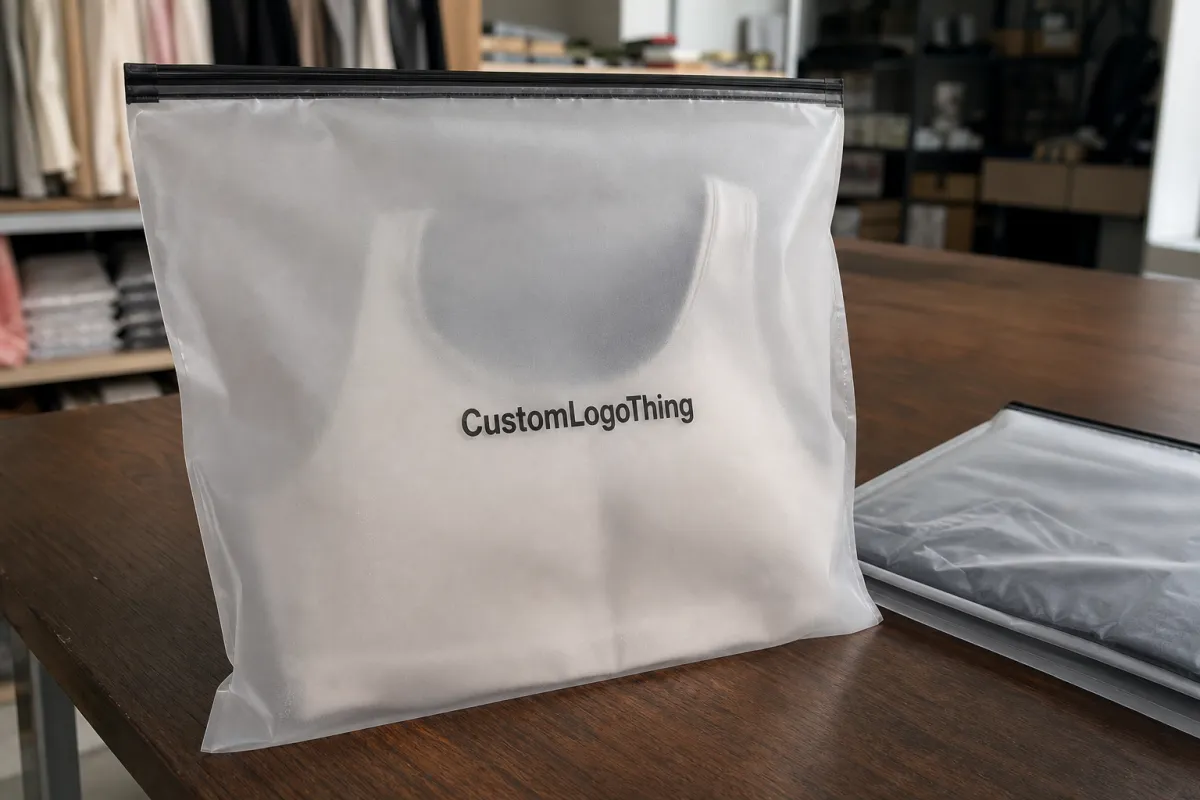
A dependable supplier should be able to map the full path from brief to shipment without improvising midstream. For Frosted Zipper Bags used in fitness programs, the sequence usually runs from brief to dieline, artwork proof, sample, approval, mass production, inspection, carton pack-out, and shipment. Each stage can add delay, and most delays are predictable if the questions are precise enough.
- Brief and dieline: confirm finished size, zipper position, print area, and whether the bag needs to stand, lie flat, or hold folded apparel.
- Artwork proof: check logo placement, Pantone targets, bleed, and any small text that may soften on frosted film.
- Sample: approve a physical sample whenever the order is custom, because screen images hide surface haze and zipper feel.
- Production: confirm the film batch, zipper source, print method, and inspection point before the line starts.
- Inspection and pack-out: verify count accuracy, carton strength, and whether inner packs need labels or inserts.
- Shipment: confirm ETD, shipping mode, and who handles carton marks, customs paperwork, and destination labels.
Artwork changes are the easiest way to lose time. Color matching is another. Zipper sourcing can slow the job if the bag uses a nonstandard profile or color. Vague signoff language creates problems too, because production begins with assumptions that become expensive once the film has already been run. A two-day delay in proofing can become a two-week delay after material is in motion.
Lead time depends on complexity, but a realistic range for custom zipper bags is often 5-10 business days for samples and 12-20 business days for production after sample approval. More colors, tighter tolerances, and specialty inserts can extend that. Rush orders are possible, but skipping sample approval is usually the most expensive shortcut in the whole process.
If the bags will travel through parcel networks as part of a merch drop, ask whether the outer cartons were tested against ISTA distribution methods. Carton survival is not the same as bag survival, but in practice the two are connected. For broader guidance on packaging materials and sustainability questions, packaging.org is a useful industry starting point.
One more timing issue often gets missed: print approval and physical sample approval are not the same thing. A proof can confirm text placement, but it will not reveal how a white logo sits on matte film or whether a zipper tab scratches the top edge. That is why buyers who move fast still ask for the actual bag before giving the green light.
Cost, pricing, MOQ, and quote drivers buyers should compare
Pricing is straightforward only if every supplier is quoting the same build. A serious quote should break out unit price, tooling or setup, print complexity, packaging, and freight. If you compare only the headline number, you can miss charges for split cartons, insert cards, zipper upgrades, or extra testing. That is how a lower quote becomes the more expensive order.
The MOQ matters as much as the unit price. Lower runs usually cost more per piece because the film, printing, and setup overhead are spread across fewer bags. For a 5,000-piece order, custom Frosted Zipper Bags may land around $0.18-$0.42 per unit depending on size, thickness, and print coverage. Smaller runs often move toward $0.45-$0.90 per bag, especially if the zipper is custom-colored or the print uses multiple passes. Freight can add a lot if the shipment is dense, urgent, or air-freighted.
| Option | Typical MOQ | Unit price range | Best for | Watch-outs |
|---|---|---|---|---|
| Stock-size, no print | 500-1,000 | $0.10-$0.24 | Fast internal kit packing | Less brand presence; limited size control |
| Single-color logo print | 1,000-3,000 | $0.18-$0.42 | Welcome kits and retail-ready giveaways | Print shift shows quickly on frosted film |
| Full-coverage or multi-color print | 3,000-5,000+ | $0.28-$0.90 | Premium studio merchandising | Higher setup, tighter proofing, longer lead time |
| Custom size with specialty zipper | 5,000+ | $0.30-$1.10 | Brand-led retail or subscription kits | Tooling, zipper sourcing, and sample time increase |
Ask suppliers for a like-for-like quote sheet. Same film gauge. Same zipper type. Same print count. Same carton quantity. If one supplier quotes a 140-micron bag and another quotes 180 micron, you are not comparing the same product. The fitness studio Frosted Zipper Plastic Bags production quality checklist should force that comparison before anyone signs off.
Buyer-side negotiations tend to get cleaner when the spec is written in plain language. A quote for 120-micron film, one-color print, and standard press-to-close zipper is a very different product from 180-micron film with a slider zipper and full-front ink coverage. If the supplier is not separating those line items, the final invoice may not match the first conversation.
Film weight, thickness, and frosted finish specs that affect durability
Film spec is where buyers either under-spec for the actual use or over-spec because thicker sounds safer. For lightweight apparel or toiletries, many studio programs can work with 120-150 micron film. For heavier kits, shoes, or bags that will be reused weekly, 160-220 micron usually feels better in the hand and resists scuffing more reliably. Thicker is not always better, though. A bag can become stiff, noisy, or difficult to pack if the film is heavier than the use case really needs.
Frosted finish matters for three reasons. First, it hides scuffs better than clear film. Second, it softens the visual read of what is inside, which can make a kit feel more premium. Third, it changes the way printed colors appear, especially pale inks and thin type. Bright white usually stays crisp; light gray or washed-out pastel colors can disappear faster than expected. That is why proofing on the actual material matters more than reviewing a PDF.
Odor, clarity, and temperature behavior deserve attention too. A strong plastic smell can create a poor first impression before the bag is even used. Film that turns cloudy in a cold storage room or gets tacky in a hot car can trigger complaints even if the zipper itself is fine. If the bag needs inserts or care cards, ask whether the supplier can source FSC-certified paper stock from FSC options.
The right comparison is not frosted versus clear in theory. It is whether this exact material matches the kit. For loose apparel, a softer hand feel may be fine. For cosmetic pouches or heavier studio sets, a firmer bag with stronger seams and better puncture resistance may be the better call. Match the material to the actual loading pattern, not to a competitor's bag spotted in a social post.
There is also a small but real difference between a decorative frost and a functional one. Some films look attractive but pick up rub marks quickly. Others are less visually dramatic and hold up better in daily handling. That tradeoff is easy to miss if the buyer only looks at one sealed sample under showroom lighting.
Seal strength, zipper performance, and closure testing methods
The zipper is the part customers touch first. It is also the part most likely to fail if the supplier treats it like a commodity. A good sample should open and close without snagging, and the seal should look even from corner to corner. Misalignment of just a couple of millimeters can make the bag look crooked, especially on frosted film where shadows are easier to see.
There are two common closure styles. Press-to-close zippers are lighter, simpler, and common for apparel and accessory kits. Slider closures feel more premium and are easier for some users to open, but they add cost and can raise the failure risk if the slider is loose or the track is inconsistent. For gym kits that will be opened repeatedly, slider closures can make sense. For simple welcome packs, press-to-close is usually enough.
Testing does not need to be complicated. On samples, close and reopen the zipper 20-50 times. Fill the bag with the intended load, shake it, set it down flat, and inspect whether the seal stays engaged. If dust resistance matters, use a fine powder or tissue test to see whether the track opens at the corners. For more structured package validation, many teams borrow methods from transit standards and carton testing instead of trusting a single visual check.
- Load test: fill to the expected weight and check whether the seams distort.
- Cycle test: open and close the zipper multiple times to catch weak engagement.
- Corner check: inspect the top corners, where zipper tracks often drift.
- Surface check: look for haze, scratches, pinholes, and oil marks under bright light.
- Acceptance rule: define fail points before production so inspection is objective.
The best quality checks use pass-fail thresholds instead of vague opinions. A buyer might allow a 2 mm size tolerance, a 1 mm print shift on the logo block, and zero zipper gaps on the first-off sample. Those numbers are not universal, but numbers beat arguing over "good enough" after the goods are already packed.
One detail that gets overlooked is seam consistency across the batch. A zipper may test well on the first sample and still drift if the heat-seal temperature varies during the run. That is why a quality note should cover both the closure and the seam, not just one or the other.
Step-by-step production quality checklist before mass release
This is the part that saves money. A clear production checklist turns a custom order into a controlled process. It also gives the supplier a target they can actually hit. Without it, the order tends to drift between "looks fine" and "ship it," which is not a quality system.
- Approve the dieline: confirm flat size, gusset if any, zipper placement, and print-safe zones.
- Lock the artwork: verify Pantone targets, logo size, text legibility, and any barcode or QR placement.
- Review the sample physically: check frosted finish, seam width, zipper alignment, and hand feel.
- Run a functional fill test: place the actual kit contents inside, close the bag, shake it, and reopen it.
- Check first-off production pieces: inspect the first 20-50 units for logo registration and surface defects.
- Confirm inspection records: ask for lot numbers, reject counts, and photo evidence of any nonconformance.
- Approve carton pack-out: verify carton quantity, master label content, and whether the bags need divider sheets or inserts.
Two habits make a big difference. Keep one signed reference sample next to the spec sheet. Store photos of the approved bag from the front, the side, and the zipper edge. If a reorder comes back with a different frosted tone or a slightly shifted logo, those records show what was actually approved instead of what someone remembers approving.
Document control matters more than many buyers expect. If the supplier changes the film batch, zipper source, or carton size, ask for a note before production resumes. A checklist works best when the supplier knows the review will be strict on paper and practical on the line.
If the order is intended for repeated reordering, ask for a revision number on the spec sheet. That small control prevents a common problem: the second purchase quietly copies the wrong version because nobody can remember which file was final. That mistake is easy to make and surprisingly annoying to unwind.
Common mistakes that cause rework, rejects, or bad reviews
The most expensive mistakes are rarely dramatic. They are ordinary. A buyer approves from a screen only, assuming the frosted finish will look identical in person. It does not. Color shifts are common on semi-opaque film, and thin type can disappear faster than expected.
Another frequent miss is skipping zipper testing because the closure looks smooth in a photo. A track can look clean and still separate at the corners after a few uses. That is a bad result for a studio kit, especially if members reuse the bag for travel or post-workout storage.
Vague tolerances create trouble too. If the size tolerance, seal margin, or print shift is not written down, the factory has no hard target. The result is often a lot that is technically acceptable to the supplier but not to the buyer. And if artwork changes after sample approval, reset the timeline and the cost. Pretending the original quote still applies only makes the dispute larger later.
Common rejects in a fitness studio frosted zipper plastic bags production quality checklist usually fall into a short list:
- Weak zipper engagement or uneven seal lines.
- Misregistered logo, especially on small text.
- Wrong size or wrong zipper placement.
- Heavy odor or surface contamination.
- Scuffs, haze, or cloudy patches that hurt presentation.
That list sounds simple because it is. The hard part is deciding before production starts that those issues are not acceptable, even if the bag is otherwise usable. A pouch that technically holds product but looks tired on arrival can still undermine the brand.
Packaging also fails when teams assume every member will use the bag the same way. A bag that performs fine for one-time event kits may not hold up to weekly studio handling, which means the accept/reject criteria should match the actual repeat-use pattern. That is where buyer experience matters more than factory optimism.
Next steps for sample approval, signoff, and reordering
Request a physical sample, keep one signed reference sample, and store it with the spec sheet. That is the fastest way to reduce arguments later. Ask the supplier to confirm the final quote, lead time, and reorder trigger points in writing, not as a chat message that disappears into someone else's inbox.
If the order will repeat, build a one-page signoff form. Name one internal owner. List the bag size, film thickness, zipper type, print count, carton count, and inspection standard. The document does not need to be fancy. It only needs to be clear enough that a different person could pick it up six months later and understand what approved means.
Then use the same checklist for every reorder. Consistency is where packaging programs save real money. The fitness studio frosted zipper plastic bags production quality checklist reduces returns, speeds approval, and makes the next order easier to compare because you already know which details matter and which ones do not.
There is a quiet benefit here too: once the reference sample and spec sheet are locked, new buyers inside the company can inherit the order without starting from zero. That lowers dependency on one person's memory and keeps the bag program from drifting over time.
In practice, the best result is not perfection. It is repeatability. A bag that looks the same on reorder, closes the same way, and lands in the same price band is doing its job.
What should a studio check first on frosted zipper bag samples?
Start with the zipper and the size. Confirm that every sample opens and closes smoothly, measure the actual bag against the dieline, and test whether the kit fits without forcing the seam. Then inspect the frosted finish under bright light for scuffs, haze, and any color shift that makes the bag look uneven.
How do I compare quotes for custom frosted zipper plastic bags?
Compare the same gauge, zipper style, print count, and carton quantity across every quote. Ask each supplier to itemize tooling, packaging, inserts, and freight so you can compare landed cost, not just the headline unit price. If one quote is cheaper but uses thinner film or a different closure, it is not a true comparison.
What MOQ is realistic for fitness studio frosted zipper bags?
MOQ depends on size, print complexity, and whether the supplier stocks the film and zipper profile you want. Lower MOQs usually increase unit cost because setup and material waste get spread across fewer bags. Mixed sizes or repeat orders can sometimes lower the threshold, but that depends on the factory's line setup.
How long is the lead time after artwork approval?
Sample approval usually comes before the production queue starts, so the clock does not really begin until the sample is signed off. Simple orders may ship in about 12-20 business days after approval, while complex printing or specialty zipper sourcing can extend that. Shipping and customs add their own time after production finishes.
Which defects matter most in a fitness studio frosted zipper bag quality check?
Weak zipper seals, poor print alignment, wrong size, and odor should all fail. Inconsistent frosted appearance, heavy scuffing, or surface contamination can hurt the presentation even if the bag still functions. If a defect affects reuse, protection, or brand perception, it belongs on the reject list. That is why a fitness studio frosted zipper plastic bags production quality checklist pays off.


