If you manage recurring packaging, a subscription brands Zipper Pouch Bags Artwork Proof checklist can prevent the kind of mistake that looks small on a screen and expensive on a production run. Most delays on pouch jobs start with artwork mismatches, not with the bag structure itself, which is why proof review deserves the same discipline as print specs or inventory planning.
Subscription packaging has a repeatability problem: one off-color logo, one missing barcode, or one panel laid out too close to a seal can echo across every box until the next replenishment cycle. That is why the subscription Brands Zipper Pouch Bags artwork proof checklist should function as a production control tool, not just a design review.
Why zipper pouch artwork proofs matter for subscription packaging
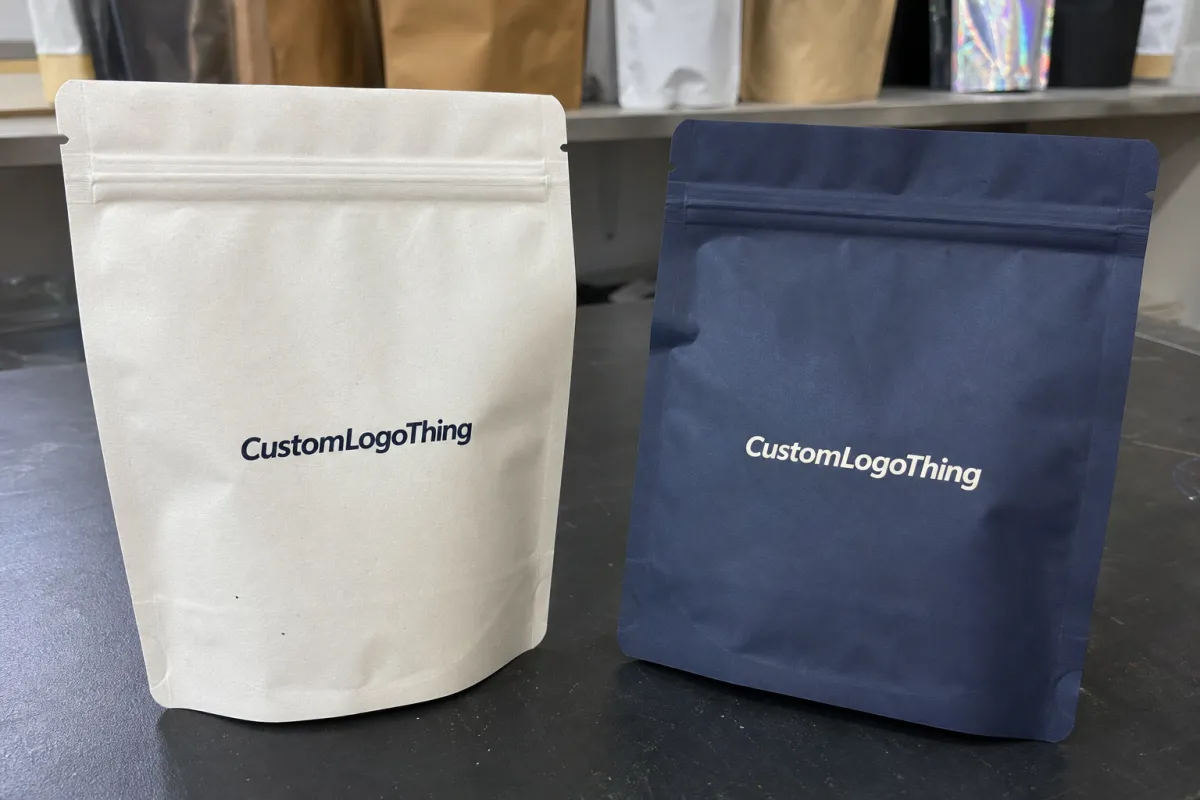
Many buyers think the pouch itself is the hard part, but the proof stage is where projects either stay on schedule or start slipping. A proof is the factory’s visual and technical preview of layout, copy, color intent, and artwork placement before production starts. It is not the final pouch, and it is not simply a prettier version of the design file; it is the bridge between branding and manufacturing.
For subscription brands, that distinction matters because every shipment needs to look consistent. If the logo shifts 4 mm left on one run or a flavor label disappears behind the zipper line, customers notice. The problem is not only aesthetic. It can create fulfillment confusion, compliance risk, and reprint cost that compounds across a recurring program.
Many brands underestimate how much a proof protects them. A careful review reduces launch delays, helps confirm that the artwork matches the actual pouch construction, and keeps the customer experience stable from one cycle to the next. If packaging changes often, the proof is where the rules get locked down.
For brands comparing pouch formats, related packaging guidance can help as well. Supplier case studies and transport-testing resources are useful if pouches move through ecommerce fulfillment and need to survive drop and compression stress. That matters more than many teams expect, especially when a pouch is packed tightly inside a subscription box and handled multiple times before it reaches the customer.
“A proof is not a formality. It is the last good chance to catch a problem before ink, film, and labor turn that problem into inventory.”
How the proofing process works from file upload to approval
The usual flow is straightforward, but each step matters. First comes file submission, then a prepress review where the supplier checks whether the artwork is usable as supplied. After that, the factory creates a digital proof, usually a PDF proof or a marked-up artwork proof, for the buyer to review. Revisions follow if needed, and once both sides sign off, production can begin.
Most suppliers ask for AI, PDF, or layered vector artwork. If text has not been outlined or fonts embedded correctly, prepress may need a revised file before proofing can move forward. Raster images should be high enough resolution for print, typically 300 dpi at final size for any placed art that is not vector-based. Low-resolution logos are one of the fastest ways to create fuzzy print.
Dielines are the backbone of the process. They show the bag outline, zipper placement, seal zones, tear notches, hang holes, and the areas where artwork should stay clear. Bleed usually extends beyond the trim line so artwork can wrap correctly, while the safe area keeps important copy away from folds, seals, and cut lines. On gusseted zipper pouches, the side and bottom panels deserve as much attention as the front panel.
Color is another place where buyers get surprised. Screen color is emitted light; print color is ink on film. CMYK conversion can shift bright blues, deep reds, and rich greens, while Pantone matching may help with brand-critical tones if the supplier supports it. On metallic or clear films, color behavior changes again because the substrate itself affects opacity and appearance.
Revisions are normal, and clear notes shorten the cycle. Mark exactly what needs changing, reference the proof page or panel, and avoid vague comments like “make it pop more.” That kind of feedback can slow a job down by a day or two while everyone tries to interpret the request.
Here is a practical view of what buyers usually need to provide versus what the supplier typically handles:
| Item | Usually Provided by Buyer | Usually Provided by Supplier |
|---|---|---|
| Logo and brand assets | AI, PDF, vector logo files, fonts or outlined text | Prepress cleanup and placement check |
| Layout and size | Dimensions, panel content, variant names | Dieline, seal zones, zipper location |
| Color intent | Pantone references, brand color guidance | CMYK conversion, proof rendering, print note |
| Compliance text | Legal copy, ingredient notes, barcode data | Placement check, spacing review |
| Final signoff | Internal approval from brand team | Production release after confirmation |
Artwork proof checklist for zipper pouch bags
The strongest Subscription Brands Zipper Pouch Bags artwork proof checklist prevents second-round revisions before they happen. A useful framework has five layers: artwork accuracy, technical print setup, panel-by-panel content, compliance, and final housekeeping. If one layer is weak, the whole order can wobble.
- Logo placement: Confirm the logo sits centered or intentionally offset, and that it does not drift into the zipper, seal, or fold areas.
- Panel orientation: Check which side is front, back, gusset, and bottom panel so copy does not end up on the wrong face.
- Barcode or QR readability: Verify contrast, sizing, and quiet space so scanners can read the code reliably.
- Product name and variant: Review flavor, scent, size, or formula names carefully. One wrong variant on a recurring SKU can create inventory headaches.
- Net weight and legal copy: Make sure required statements are correct, complete, and placed where they remain visible.
- Bleed and safe area: Keep artwork within approved margins and extend backgrounds past trim lines when required.
- Resolution and sharpness: Make sure placed images are crisp at final size and not stretched from a small web file.
- Minimum line thickness: Thin lines can break up on film, especially in small print on dark or textured surfaces.
- Contact details and web links: Spell-check website URLs, email addresses, and social handles, then check them again.
- Revision control: Confirm the proof version number matches the latest approved file.
On zipper pouch bags, no panel should be treated as “extra.” The back panel often carries legal text, the gusset may carry secondary branding, and the bottom panel can include manufacturing marks or traceability codes. If the design is strong on the front but incomplete elsewhere, the job is not really finished.
For subscription brands with ingredients, nutrition, or product claims, that copy should be reviewed line by line. A typo in an ingredient list, a misplaced allergen statement, or an outdated barcode can cause more than embarrassment. It can trigger hold time at the warehouse or a wholesale rejection if the pouch is used beyond direct-to-consumer subscriptions.
“The fastest proof approvals come from the teams that know exactly what must be reviewed, and who owns each line of copy.”
Key design factors that affect print quality and shelf appeal
Material choice changes how artwork behaves. A matte film softens contrast and can make colors feel more muted, while gloss tends to deepen saturation and reflect more light. Metallic films can make certain colors look richer, but they also make white areas and light tones behave differently unless white ink is handled carefully. Clear film brings a different challenge: opacity. If there is no white underprint where needed, the image can look translucent or weak.
Zipper pouch structure also affects the layout. A resealable top steals a bit of usable vertical space, and a tear notch can cut through artwork if the safe zone is too tight. A hang hole can interfere with headline placement on retail-ready pouches, and deeper gussets change how much repeated text is visible once the pouch is filled. The best artwork proof respects the structure instead of pretending the pouch is a flat rectangle.
Typography matters more than many brand teams expect. Small subscription packs often live on crowded shelves, in shipping boxes, or in a customer’s kitchen drawer, so the text needs to read quickly. Strong contrast, simple hierarchy, and restrained font variety usually outperform busy layouts with too many weights and decorative elements. If the consumer has to work to find the product name, the package is doing too much.
Brand systems should stay flexible, though. Seasonal flavors, limited editions, and refill variants may need different accent colors or copy blocks, but the overall visual structure should still feel like the same family. That is where a disciplined proof workflow helps: it keeps the master brand intact while allowing controlled variation.
Packaging material sustainability also enters the conversation more often now. Buyers sometimes ask about recyclable structures, and while the exact claim depends on the film construction and local recovery systems, the message should always match the package reality. Public recycling resources can help teams understand the limits of consumer recycling claims and avoid overpromising on a pouch that is technically recyclable in one place but not in another.
Cost, pricing, MOQ, and quote inputs that change your order
Pricing for custom zipper pouches is shaped by more than quantity. A simple one-side print on a standard size bag costs less than a fully printed pouch with front, back, and gusset coverage, specialty finish, or a clear window. Material selection matters too, because higher-barrier films, foil structures, and special coatings usually raise the unit price.
MOQ, or minimum order quantity, changes by print method and construction. Stock pouches with labels can be ordered in smaller amounts, while fully custom printed pouches often have higher minimums because of setup, plate, and press requirements. A buyer looking for low risk may start with a smaller program, but unit pricing usually improves as quantity rises.
Here is a useful way to think about common pricing variables:
| Order Factor | Lower Cost Tendency | Higher Cost Tendency |
|---|---|---|
| Print coverage | One or two panels | Full wrap or all-panel artwork |
| Finish | Standard matte or gloss | Soft-touch, metallic, spot effects |
| Structure | Simple flat pouch | Gusseted pouch with zipper and window |
| Quantity | Higher run volume | Smaller pilot order |
| Artwork revisions | Clean, final files | Multiple changes after proofing starts |
For quote accuracy, suppliers usually need dimensions, closure style, quantity, print sides, finish, and shipping destination. If you are asking for a fully custom pouch, include artwork coverage as well, because a front-only design and a full-wrap design are not priced the same way. In many cases, prices may land around $0.18-$0.28 per unit for 5,000 pieces on simpler runs, while more complex structures or specialty finishes can run higher. That range is only a rough market reference; final pricing depends on film, color count, and press setup.
A cleaner proof process also prevents hidden cost. Reprints, rush freight, and extra prepress corrections can erase the savings from a lower quote, which is why a careful subscription Brands Zipper Pouch Bags Artwork proof checklist often pays for itself before the first shipment lands.
Process and timeline: how long approvals and production usually take
From file submission to shipment, a pouch project usually moves through a predictable sequence. The buyer sends artwork, the supplier reviews it, a proof is issued, revisions are made if needed, final approval is given, then production starts with printing, converting, inspection, packing, and dispatch. If everything is clean, simple artwork may move quickly. If the job includes structural changes, special colors, or legal review, it takes longer.
Typical proof turnaround can be fairly quick when files are ready, but revisions always add time. A straightforward correction may add one business day, while a brand-wide change or late compliance update can add several. Once approved, production often takes around 12-15 business days from proof approval for many custom runs, though larger quantities and specialty materials can extend that window. Shipping time is separate and depends on destination and mode.
Common bottlenecks include missing dielines, low-resolution images, unclear revision notes, and late-stage legal edits. Those problems are easy to avoid, yet they show up constantly because teams sometimes treat proofing like a quick admin step. For subscription brands, that attitude can create a domino effect: launch date slips, onboarding slips, and replenishment stock runs tight.
Build buffer time into your calendar, especially for seasonal offers or new subscription launches. A first run should be approved before the customer acquisition campaign starts, not after. That gives operations room to absorb minor changes without jeopardizing the first shipment. It also keeps customer service from having to explain why the bag shown online does not match the bag that arrived.
Some projects benefit from a formal testing mindset. If a pouch has to survive parcel handling or fulfillment line wear, reference packaging and transport standards where appropriate. The exact method depends on the distribution route, but the principle is simple: packaging should be designed and proofed for how it will actually move.
Common proofing mistakes subscription brands should avoid
The same handful of errors shows up again and again. One is mismatched dimensions, where the artwork was created for a bag size that is close, but not exact. Another is text placed too close to the seal or zipper, which can make otherwise good copy disappear into the finished structure. A third is letting artwork extend beyond the safe zone, only to have critical copy clipped by trim or fold.
Color approval on an uncalibrated monitor is another trap. A screen that is too bright can make the proof look cleaner or more vivid than the printed reality. That is why a digital proof should be read as a technical guide, not a color promise unless the supplier specifically provides calibrated color standards or printed samples.
Variant management creates its own headaches. Subscription brands often have multiple SKUs, and each one may need a different flavor, scent, size, barcode, or compliance line. If those differences are copied from one file to another without a careful version check, one typo can affect thousands of pouches in a recurring run.
Here is the blunt truth: approving too quickly costs more than slowing down for one extra review round. A missed typo or wrong barcode can result in reprint costs, delayed shipments, and unnecessary waste. The subscription brands zipper pouch Bags Artwork Proof Checklist is really a control system for avoiding that waste.
“Fast approval is only a good thing when the right details are already locked down.”
Expert tips to approve smarter and launch with fewer revisions
First, review the proof on more than one device. A desktop monitor gives you a broad view, but a phone can reveal whether the layout still reads in a small-screen environment, which mirrors how many teams actually see packaging mockups during internal approvals. Then print the proof at actual size if possible. Paper does not replicate film, but it does expose spacing issues, oversized text, and awkward alignment better than a zoomed-in screen.
Second, build a signoff chain. Marketing should verify the brand story, operations should check packaging fit and logistics, compliance should review legal text, and customer service should confirm that the product details match what will be promised to customers. If one of those groups skips review, the proof may be “approved” while a real problem remains hidden.
Third, keep a master file with version control. Use clear naming conventions for variants, and store the approved proof, the final artwork, and any special notes in one place. That habit saves time when a refill or seasonal edit comes back six months later. It also prevents the common mistake of reopening an old file and sending the wrong version.
Fourth, ask for hard confirmation on dimensions, finish, and zipper placement before final approval. Those are not minor details. A few millimeters can change how the artwork reads and whether the pouch looks balanced on shelf or in a subscription box.
And finally, do not rush the last pass. Gather files, compare the proof against the checklist, confirm all specs, and approve only after every team signoff is complete. That is the practical discipline behind a reliable subscription brands zipper pouch bags artwork proof checklist, and it is usually what separates a smooth launch from a stressful one.
FAQ
What should be included in a subscription brands zipper pouch bags artwork proof checklist?
Artwork placement, text accuracy, barcode or QR readability, and logo positioning should all be verified. The checklist should also cover bleed, safe area, zipper location, seal zones, and any required compliance copy.
How do I know if my zipper pouch proof is ready for approval?
Confirm that dimensions, color expectations, panel content, and file quality match the approved spec sheet. Make sure every stakeholder has reviewed the proof for brand, operations, and legal accuracy before signing off.
Why does zipper pouch artwork look different in the proof than on my screen?
Screens display light while printing uses inks, films, and press calibration, so color shifts are normal. Material finish, white ink usage, and CMYK conversion can also change how the final pouch appears.
What causes delays in the artwork proof process for custom pouch bags?
Missing dielines, low-resolution files, incomplete copy, and slow revision feedback are common delay points. Late changes to legal text, barcode data, or pack size can also extend lead time.
How can subscription brands reduce unit cost without hurting print quality?
Keep the design within the printer’s standard specs, reduce unnecessary revisions, and choose practical finishes. Ordering at a higher quantity and simplifying special effects can often improve pricing while keeping the pouch polished.


