The most expensive custom bag mistake for a restaurant group is often not the bag itself. It is approving artwork that looks clean on a bright screen, then discovering that the logo reads dull, cramped, or off-center on a soft, low-glare plastic surface under delivery lighting. A practical matte Poly Mailers Artwork Proof Checklist for restaurant groups gives marketing, operations, purchasing, and store teams one shared control point before money, time, and film are committed.
Why Matte Mailer Proofs Matter Before One Bag Is Made
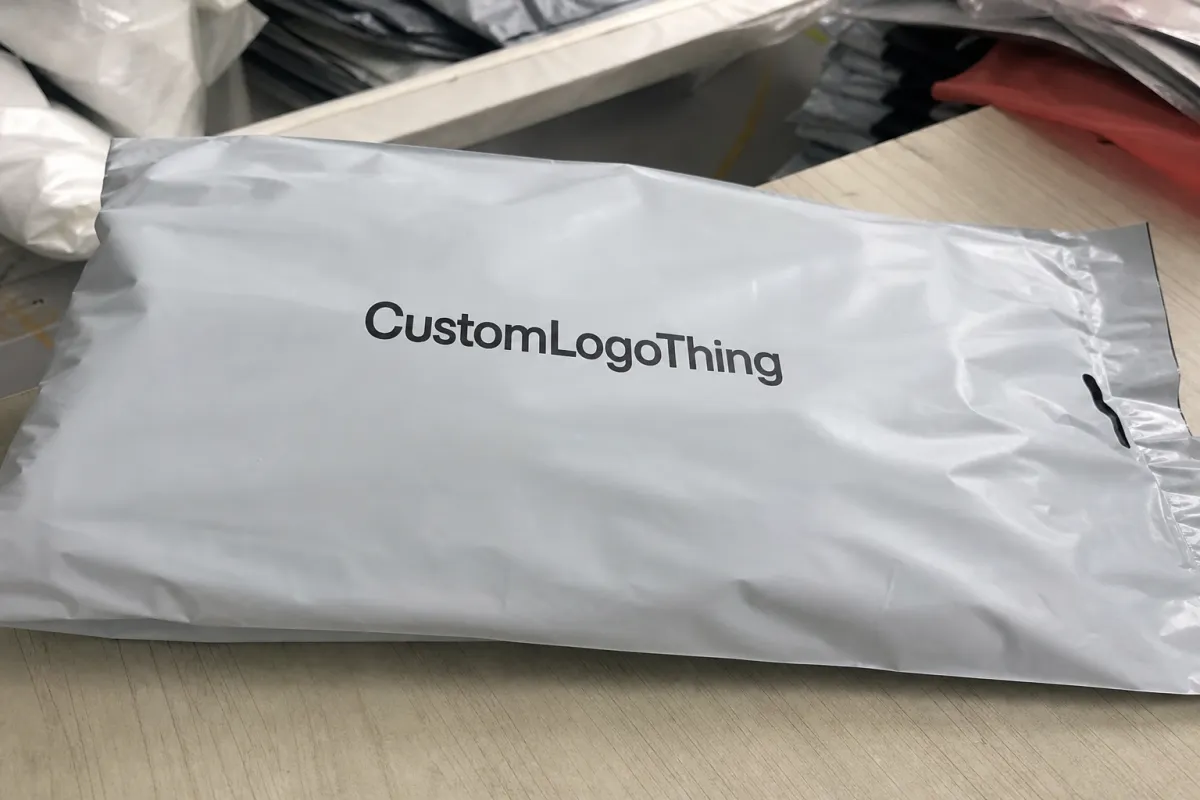
Matte Poly Mailers are lightweight polyethylene bags with a non-gloss finish, used for shipping, handoff, catering support, retail food-adjacent items, merch, gift card bundles, and subscription-style meal kits. Restaurants choose them because they feel a little more refined than shiny courier mailers, photograph with less glare, and give the handoff a softer, more branded feel.
A proof is not just a pretty mockup. It is the working document that confirms bag size, print dimensions, logo placement, color callouts, bleed, safety margins, seal location, handle or tear-strip zones, warning copy, recycling marks, and production notes before plates, screens, or digital files move forward. In practice, the proof is where a restaurant group catches the difference between “looks nice” and “works on a real bag with real contents.”
That matters for multi-location programs. A catering drop in one city, a bakery assortment at the counter, a sauce pouch shipped through ecommerce, and a limited-run loyalty campaign may all use the same printed mailer. If the bag does not fit, the print lands on a wrinkle zone, or the QR code scans only under perfect light, store teams will feel that problem long before the designer does.
Production habit worth keeping: approve the proof as if it were a contract document, not a design suggestion. Once final approval is given, changes can affect cost, lead time, and inventory plans.
The matte Poly Mailers Artwork Proof Checklist for restaurant groups should help you review the artwork, the material, the closure, the pack-out, and the approval path in the same pass. That is the difference between a smooth first order and a bag that needs apologies taped over it at the store level.
How Artwork Proofs Work on Matte Poly Mailers
The proofing sequence is usually straightforward. The buyer supplies the logo files, desired bag size, material preference, closure style, print colors, quantity, and shipping details. The packaging team checks file quality, confirms whether the layout can print within the available area, creates a digital proof, receives revision notes, and releases the job only after written approval.
A good proof usually shows the front and back layout, flat bag dimensions, usable print area, logo scale, color references, adhesive strip location, gusset or fold areas if used, warning copy, recycling symbols, and any notes about film color or ink opacity. If you are comparing mailer choices, the Custom Poly Mailers page is a useful starting point for thinking through format and finish before artwork review begins.
Digital proofs, physical samples, and production samples are not the same thing. A digital proof confirms layout and technical intent. A physical sample helps you judge texture, flex, opacity, ink behavior, and color under the lighting your customers actually see. A production sample, when available, is closest to the final run, but it may add time and cost depending on print method and order complexity.
Matte film changes how artwork feels. Fine type can appear softer than it does on coated paper. Black ink may feel slightly more muted than on a gloss bag. Large flat ink areas can show small variations caused by ink system, film treatment, static, handling, and the way the bag flexes around contents.
Clean files shorten the whole process. Send vector logos, outlined fonts, Pantone references, current brand guidelines, and high-resolution linked images if the design uses photography or texture. Avoid screenshots pulled from old menus, delivery app tiles, or social media profiles; those files often look acceptable at 2 inches wide and fall apart at actual bag scale.
The manufacturer checks print feasibility, but the buyer owns brand and content accuracy. That includes spelling, offer dates, nutrition or allergen language, store URLs, QR destinations, legal marks, and whether the bag represents the current campaign instead of last quarter’s artwork.
Key Specs to Confirm Before Approving the Proof
Start with size. Restaurant teams often approve a balanced PDF layout, then pack a real meal kit and discover that the contents create bulge, tension, and side creases that pull the logo out of view. Measure the largest item, add room for closure, and check whether the flat bag dimensions still make sense after the bag is filled.
Film thickness matters too. Many Matte Poly Mailers fall in the neighborhood of 2.5 to 4 mil, though the right gauge depends on contents and handling. A soft apparel-style merch bundle may not need the same puncture resistance as jars of sauce, boxed bakery assortments, or catering inserts with sharp corners. Opacity also matters if you do not want branded merch, retail food pouches, or gift cards visible through the film.
Closure style changes both function and artwork. Peel-and-seal adhesive is common for ecommerce and delivery kits. Tamper-evident tear strips are useful when customers expect an obvious first-open experience. Resealable closures may help with returns or multi-item retail packs. Some catering operations prefer no adhesive because staff need fast loading and controlled handoff at the store.
Color deserves a disciplined review. Pantone references are better than vague notes like “make it redder.” CMYK expectations should be discussed early, especially if your brand color is bright orange, deep green, or a warm cream tone that shifts easily. White ink underbase may be needed on colored film so the final color does not look dirty or weak. Compare to a physical standard whenever color is critical; a backlit monitor is not a color contract.
Logo and type rules are just as practical. Confirm minimum line weight, small-font readability, safe margins from cut edges, clearance from side seals, and whether copy crosses a fold or wrinkle zone. QR codes and barcodes should be tested at final size from the proof, not guessed from a reduced PDF preview.
| Spec to Review | Typical Range or Choice | Why It Matters for Restaurants |
|---|---|---|
| Film thickness | About 2.5-4 mil for many mailer uses | Heavier contents, sauce jars, and boxed meals need better puncture resistance. |
| Print coverage | One-color logo to heavy full-panel ink | Coverage affects cost, drying, handling, and the way matte film shows flat color. |
| Closure style | Peel-and-seal, tear strip, resealable, or open top | The seal can reduce print space and change how store teams pack orders. |
| Bag size | Stock size or custom dimensions | A bag that is 1 inch too short can create repacking, damaged branding, or poor closure. |
Operational details belong on the checklist as well. Confirm location-specific phone numbers, franchise disclaimers, allergen or food safety copy if relevant, batch coding space, and whether the same bag needs to sit on retail shelves and survive delivery handling.
Process and Timeline From File Upload to Approved Bag
A sensible flow looks like this: gather current brand assets, define the bag size and material, submit artwork, receive the first proof, review internally, request revisions, approve the final proof, move into prepress, then production, packing, and shipping. Simple, yes. Still easy to slow down.
Artwork quality drives speed. A vector logo with clear Pantone callouts may move through the first proof quickly. A low-resolution PNG, three conflicting brand guides, and an undecided bag size can add several review cycles before the proof is even production-ready.
For restaurant groups, I like a clear internal review rhythm. Marketing checks brand expression, logo use, color, copy, and campaign details. Operations checks pack-out, loading speed, store handling, and whether the closure makes sense during a rush. Purchasing checks quantities, size, material, ship-to points, and price impact. Leadership should ideally review one clean final proof, not every technical draft with unresolved production notes.
A physical sample is worth building into the schedule for first-time matte orders, new brand colors, unusually dark film, large ink coverage, QR-heavy artwork, or high-visibility catering launches. It may add days or longer depending on the sampling method, but it can prevent an expensive surprise. Standards from groups such as ISTA are also useful if the mailer is part of a shipping system that needs transit testing rather than simple handoff.
Lead time depends on artwork complexity, proof revisions, material availability, print method, order quantity, custom size requirements, finishing details, packing instructions, and freight distance. As a working planning assumption, many custom printed packaging projects move best when buyers allow a proofing buffer before announcing launch photography, store training, influencer mailings, or menu campaign dates.
Put approval timing in writing. A Matte Poly Mailers Artwork Proof checklist for restaurant groups should include who approves, how comments are collected, and what happens if the size, color, or quantity changes after approval.
Cost, Pricing, and MOQ Factors Hidden in the Proof
The proof is where many cost drivers become visible. Bag dimensions, film gauge, print coverage, number of ink colors, one-sided versus two-sided print, special closures, and stock versus custom size all affect the quote. The artwork may look like one decision, but production reads it as several decisions stacked together.
A simple one-color logo on a standard matte mailer is usually more economical than full-coverage artwork with tight color matching and two-sided print. For example, a relatively simple custom run at 5,000 pieces might land around $0.18-$0.28 per unit depending on size, film, print coverage, and freight, while more complex custom versions can move higher. That range is not a promise; it is a practical reminder that small design choices can show up in the final unit price.
Minimum order quantity is shaped by setup, material runs, custom sizing, and whether the order can use standard film. If a restaurant group wants six slightly different regional versions, that may create separate proofs, setups, inventory lines, and purchasing decisions. Tiny copy differences can become expensive if they split what could have been one clean production run.
Quoting improves when the request includes target size, quantity breaks, film color, print colors, closure style, shipping destination, artwork files, and intended use. Be clear about whether the mailer is for food-adjacent delivery, ecommerce, catering, retail merchandise, bakery packs, or gift card bundles. Those uses do not all stress the bag the same way.
Honestly, I think the cheapest proofed option is not always the lowest total cost. If the bag tears during courier handling, hides the logo in customer photos, confuses store staff, or requires repacking because the size was underspecified, the savings disappear quickly.
For broader format planning, Custom Packaging Products can help your team compare mailers with other branded packaging options before locking into one material. Sustainability claims should be handled carefully too; for recycling language and material claims, check current guidance from the U.S. Environmental Protection Agency and confirm what applies to your specific film structure.
Step-by-Step Matte Poly Mailers Artwork Proof Checklist for Restaurant Groups
Use this matte poly mailers Artwork Proof Checklist for restaurant groups as a working review, not a ceremonial signoff. Print it, mark it, or turn it into a shared approval form so every department checks the same details.
- Confirm the real pack-out. Measure the largest meal kit, catering insert, retail pouch, bakery sleeve, sauce bundle, or merch pack that will go inside. Compare those dimensions with the flat bag size, closure allowance, and any need for extra hand clearance during packing.
- Review artwork at full size. Do not judge only from fit-to-screen view. Check logo width, small type, QR code dimensions, line weight, spacing, and whether key information sits too close to an edge, fold, seal, or tear strip.
- Verify brand elements. Match the proof against current standards for logo version, Pantone references, tagline, social handle, website, loyalty app URL, campaign copy, co-branding, and franchise language.
- Check the print map against the bag structure. Make sure artwork does not land across side seals, bottom folds, gussets, adhesive areas, tamper strips, or areas likely to wrinkle when packed tightly.
- Confirm color expectations physically when possible. Matte polyethylene, ink opacity, base film color, and restaurant lighting can all make a brand color feel different from a menu, paper cup, rigid box, or coated label.
- Route one final proof to one approver. Collect comments in one marked file, then approve only after spelling, sizing, color notes, quantity, ship-to details, and production specs all match the order.
For QR codes, test more than once. Scan the code from a printed proof at final scale if possible, then scan again from a phone held at a normal customer distance. A 0.75-inch code might work on a flat label and fail on a flexible bag that curves around contents.
Common Proofing Mistakes That Delay Production
Low-resolution artwork causes more delay than most people expect. Logos copied from websites, social posts, delivery apps, or menu PDFs often arrive as flattened raster files. They may look fine in an email preview, but enlarged on a 12-by-15-inch mailer they can show fuzzy edges, broken curves, and poor color control.
Screen-only color approval is another trap. Every monitor displays color differently, and matte film changes brightness and contrast compared with coated paper, glossy stickers, menu boards, or digital signage. Use Pantone targets and physical references when the brand color carries real value.
Copy errors survive when nobody owns final review. Expired promotions, old URLs, wrong store counts, outdated allergen language, misspelled brand names, incorrect trademark marks, and QR codes pointing to staging pages can all pass through if comments are scattered across email threads.
Function gets ignored when graphics look good. A beautiful layout fails if the seal covers the call to action, the bag is too small for a catering tray, the film gauge is too light for heavy jars, or the logo disappears once the pack-out creates a bulge.
Over-versioning is a quiet budget leak. If each region, store, or sub-brand requests small artwork changes, the team may multiply proofs, setup charges, approvals, and inventory lines. Sometimes versioning is necessary. Often, one master design with flexible inserts, stickers, or order-specific paperwork is cleaner.
Unclear feedback slows everything down. Notes like “make it pop” or “logo feels small” should become measurable instructions: increase logo to 6 inches wide, shift artwork 0.5 inch left, use Pantone 186 C as target, delete the seasonal line, or keep all copy at least 0.375 inch from the seal.
Actionable Next Steps Before You Request a Quote
Before asking for pricing, gather a clean asset folder, choose the intended bag use, and confirm the real items being packed. The first proof becomes much stronger when production starts with measured pack-out dimensions instead of a rough guess.
Your quote folder should include a vector logo, brand guide, Pantone references, approved copy, QR destination, desired bag size, sample pack-out dimensions, quantity estimate, delivery deadline, ship-to location, and any required compliance, recycling, or warning marks. If food safety or allergen language is involved, have the correct internal team review it before the artwork goes to proof.
Choose one owner for proof comments and one owner for final approval. Multiple departments can review the bag, but production should receive one consolidated revision file. That single habit can save several rounds of confusion.
Ask specific proofing questions: What is the safe print area? Is a white underbase needed? How will matte film affect this color? What MOQ applies? Is a physical sample available? Which changes would alter the price or lead time? Clear questions produce clear answers.
Keep the matte poly mailers Artwork Proof Checklist for restaurant groups beside the final proof before you approve. Measure the pack-out today, assemble current brand files, mark must-have artwork elements, decide who approves the proof, and send those details with the quote request so the first version is closer to production-ready.
FAQs
What should a matte poly mailers proof checklist for restaurants include?
It should include bag size, film color, film thickness, closure style, print location, logo scale, safe margins, ink colors, QR or barcode testing, copy accuracy, quantity, ship-to details, and final approver name. For restaurant groups, it should also check pack-out fit, campaign dates, location-specific copy, delivery or catering use, and whether the bag needs to protect retail food items, merchandise, or mixed orders.
Do matte poly mailers make brand colors look different on the final bag?
Yes. Matte polyethylene can make ink look softer and less reflective than gloss film, and the base film color can influence the final appearance. Use Pantone references, ask whether a white underbase is needed on colored film, and consider a physical sample for critical brand colors.
How long does artwork proof approval usually take for custom matte mailers?
The fastest approvals happen when the buyer provides vector artwork, confirmed dimensions, clear color references, and one consolidated set of comments. Revisions, physical sampling, unclear brand files, multiple location versions, or changes to size and closure can extend the proofing stage before production begins.
What affects the cost of custom matte poly mailers for restaurant groups?
Major cost factors include order quantity, bag size, film thickness, matte material choice, number of print colors, print coverage, one-sided or two-sided artwork, closure type, and whether the size is stock or custom. Multiple artwork versions for different regions, restaurant concepts, or seasonal campaigns can also affect setup, proofing time, inventory planning, and unit cost.
Can QR codes and small text print clearly on matte poly mailers?
They can print clearly when sized properly, placed on a stable flat area, and kept away from seams, folds, seals, and heavy wrinkle zones. Always test the QR code at final printed size from the proof, avoid overly fine lines, and keep small text large enough for real handling and delivery lighting.


