A barbershop cap gets judged in seconds, which is why the snapback caps Unit Cost Breakdown for barbershop retail shelves matters more than a polished mockup or a clever slogan. On a shelf beside pomade, clippers, beard oil, and combs, the cap has to do three jobs at once: look profitable, fit the store’s price point, and leave enough margin for the buyer to reorder without hesitation.
The real work is not just making a cap that looks good in a render. It is building a shelf-ready product whose unit cost, decoration, and packaging support a clean retail story from the first quote through the second order. If the numbers are off by a small amount, the margin can disappear before the first carton sells through.
Why shelf snapbacks move faster than most add-on hats
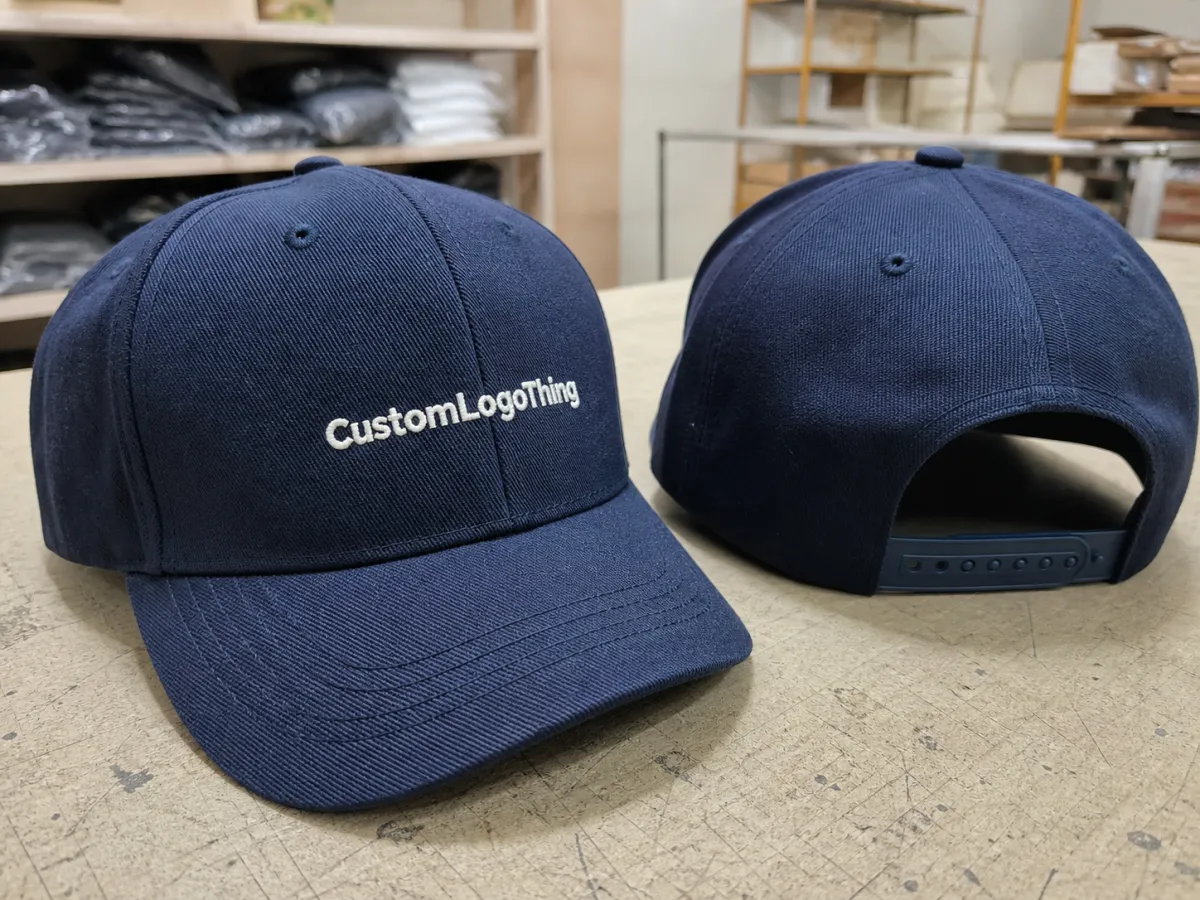
Barbershop shelves are a very specific retail environment. Customers are already in a buying mood, they are standing close to the display, and they compare your cap against everything else on that shelf almost immediately. In that setting, the winning program is usually the one with the clearest margin math, not the loudest artwork. A clean cap with a crisp logo, a fair shelf price, and packaging that looks intentional will often outperform a more complicated build that costs too much to retail properly.
From a packaging buyer’s point of view, the decision starts with landed unit cost. Small changes in thread count, patch material, closure style, barcode stickers, or even how the caps are packed in the carton can move the numbers more than people expect. If the cap lands at $3.10 instead of $2.70, that extra forty cents may look minor on paper, but it can force a higher MSRP, squeeze retailer margin, or weaken the case for a reorder.
The most common mistake is treating a barbershop shelf cap like a fashion cap first and a retail item second. It still needs style, but style alone does not pay for slow inventory. The buyer has to defend the price, the retailer has to trust the quality, and the customer has to feel that the cap belongs next to the rest of the grooming assortment. When those pieces line up, the cap feels like an easy add-on purchase rather than an accessory that needs to be explained.
A shelf cap does not win because it is loud. It wins because the buyer can understand the margin in one glance and the customer can trust the finish in one touch.
That is also why the first conversation should focus on cost structure, not just artwork. The answer to the snapback caps Unit Cost Breakdown for barbershop retail shelves usually depends on a few practical choices: how the crown is built, which decoration method is used, how the packaging is done, and what quantity the buyer is willing to commit to. Once those are locked, the quote becomes much easier to trust.
Build choices that affect look, comfort, and repeat orders
The cap’s structure decides a lot of the shelf impression. A structured crown holds its shape better and usually looks stronger on a display hook or peg, while an unstructured crown reads softer and more casual. For barbershop retail shelves, structured usually wins because it stays upright, shows the logo clearly, and looks more premium from a distance.
Panel count matters too. A 6-panel snapback is still the most familiar build for many buyers, but a 5-panel style gives a wider front panel for bold branding or a single patch. A flat visor creates a streetwear look; a lightly curved visor feels easier for some customers to wear right away. If the shelf target is broad, a structured 6-panel cap with a flat or slightly pre-curved visor is usually the safest commercial choice.
Decoration that survives handling
Retail handling is rougher than many first-time buyers expect. People pick caps up, try them on, set them back down, and sometimes squeeze the front panel while checking the fit. That is why decoration method matters. Flat embroidery is durable and sharp. 3D puff embroidery adds depth, but it works best when the logo is bold and not too detailed. Woven patches keep fine line work readable. Leather patches give a warmer, more premium feel. Heat-applied emblems can be useful when a smoother surface and lower thread build are part of the design brief.
Comfort features matter after the first fit test, but they still affect shelf success because repeat buyers remember how the cap felt. A soft interior seam finish, a decent sweatband, and a closure that adjusts cleanly all help. If the crown is too shallow, the cap can look compressed on display. If it is too deep, it may sit awkwardly on a wider range of heads. Good buyers ask for a sample fit check because they know the shelf product has to work beyond the photo.
Color consistency is another quiet cost driver. Matching thread to the crown fabric, keeping patch colors stable, and avoiding too many trim changes will usually protect both appearance and price. A cap that looks slightly off-color on the shelf can feel cheaper than it actually is, and that hurts the retailer’s confidence as much as the brand’s.
Specifications buyers should lock before requesting samples
Most quote drift happens because the spec is incomplete. Before asking for samples, lock the details that affect price and production. That includes panel count, fabric weight, closure type, visor style, label format, and packaging method. A simple spec sheet saves time, reduces back-and-forth, and makes the later reorder easier to repeat.
- Panel count: 5-panel or 6-panel, depending on logo size and front-panel shape.
- Fabric: cotton twill, brushed canvas, polyester twill, wool-blend look, or a blended shell that holds shape.
- Crown: structured or unstructured, plus the target depth so the cap fits naturally.
- Visor: flat, pre-curved, or lightly curved, with matching undervisor if needed.
- Closure: plastic snap closure, metal snap, Velcro, or buckle strap.
- Decoration: embroidery, woven patch, leather patch, printed patch, or heat-applied emblem.
- Packaging: polybag, tissue, hang tag, barcode sticker, and carton count.
For sizing, the best shelf-friendly profile is usually the one that fits a broad customer base without looking oversized. A standard adult snapback with an adjustable closure remains the safest retail shape because it reduces fit complaints and keeps the display line visually consistent. If the crown is too tall, the cap can look bulky. If it is too shallow, it can flatten out and lose shelf presence.
Packaging should be treated as part of the product, not an afterthought. If the hat is meant for retail, ask how it will arrive: folded or shaped, polybagged or loose, tissue wrapped or not, tagged or plain. A barcode sticker on the polybag, a simple hang tag, and clean carton labeling can make receiving much easier on the retail side. When the buyer thinks about the final display from day one, the cap program feels more professional and less improvised.
A useful rule: the clearer the spec, the fewer the revisions. That means less sample churn, fewer setup charges that get repeated, and a better chance that the second order matches the first. For a shelf item, that repeatability is worth real money.
Snapback Caps Unit Cost Breakdown for Barbershop Retail Shelves
The Snapback Caps Unit Cost Breakdown for barbershop retail shelves should be read line by line, because the blank cap is only one part of the final number. A quote usually includes the base cap, decoration, labels, packaging, setup charges, sampling, and freight. On a small run, those extras can make up a large share of the total cost per piece; on a larger run, they spread out and the price gets easier to manage.
What usually shows up on the quote
Blank cap cost: This covers the crown, visor, sweatband, closure, and basic assembly. For a structured 6-panel snapback, a realistic range is $1.05-$3.40 per unit depending on quantity, fabric, and construction.
Decoration: Flat embroidery, puff embroidery, woven patches, leather patches, and heat-applied emblems all carry different pricing. A simple embroidered logo might add $0.35-$0.80, while a premium patch or puff treatment can add $0.60-$1.40 or more depending on size and detail.
Setup charges: Digitizing, patch tooling fees, and screen or mold prep can add a one-time cost. For many programs, that means anywhere from $25-$250 depending on the decoration method and how custom the design is.
Packaging: Polybags, tissue, hang tags, inserts, and barcode stickers can add $0.05-$0.35 per unit. That is a small number until it is multiplied across several thousand pieces.
Sampling and freight: Sample shipping, approval samples, carton packing, and final freight should all be treated as part of the landed cost. They do not always appear in the unit price, but they absolutely affect the real margin.
| Order size | Typical build | Estimated unit cost | Common setup charges | Notes |
|---|---|---|---|---|
| 300 pcs | Structured 6-panel, flat embroidery, polybag | $2.80-$4.60 | $50-$180 | Higher cost per piece because MOQ is small and setup is spread across fewer units. |
| 1,000 pcs | Structured 6-panel, woven patch, hang tag | $1.85-$3.10 | $60-$220 | Often the best balance between bulk pricing and manageable inventory risk. |
| 5,000 pcs | Structured 6-panel, leather patch, barcode sticker, carton packing | $1.25-$2.20 | $75-$250 | Better pricing breaks usually come from fewer color changes and one decoration location. |
That table is a planning guide, not a promise, but it shows how the unit cost changes with quantity and build complexity. The biggest levers for barbershop shelf programs are straightforward: one decoration location instead of two, standard closures instead of specialty hardware, and packaging that looks retail-ready without becoming elaborate.
MOQ matters because the factory has to pay for labor setup, machine prep, material cutting, and decoration alignment before the first finished cap is packed. A smaller run can look expensive because those fixed costs are spread across fewer pieces. Once the quantity gets cleaner, the cost per piece usually improves. That is why buyers often see better bulk pricing when they commit to a repeatable spec instead of changing colors or trims every time.
If you want a fair quote, ask whether the price includes sampling, carton packing, and final inspection. Compare quotes on the same basis. One supplier may quote a lower base cap but exclude packaging and freight, while another includes those items from the start. The lowest number is not always the best number if it hides tooling fees or later add-ons.
For a shelf program, a fully loaded quote is usually easier to manage than a bargain quote that grows later. That difference matters more than it looks on paper, because a retail launch can get derailed by surprise costs at packing time.
Process, timeline, and turnaround milestones
The best way to control the snapback caps Unit Cost Breakdown for barbershop retail shelves is to control the workflow. Production moves in a predictable sequence: artwork review, spec confirmation, sample development, sample approval, bulk production, inspection, packing, and shipment. If any one of those steps is unclear, the timeline stretches and the cost can creep.
- Artwork review: Send a vector logo if possible, plus Pantone references or a close visual match.
- Spec confirmation: Lock the cap build, decoration method, and packaging details before sample work starts.
- Sample development: A first sample often takes about 5-10 business days, depending on patch or embroidery complexity.
- Sample approval: Expect at least one revision if the logo is detailed or the color match needs tightening.
- Bulk production: Many runs finish in roughly 12-20 business days after approval, though material availability can shift that window.
- Inspection and packing: Good suppliers check stitch quality, logo placement, closure function, and carton counts before shipment.
- Transit: Lead time to your region depends on freight mode, customs, and the ship-to destination.
Where do delays usually happen? The same places every time: logos that are not final, color references that are too vague, decoration that needs a second round of revision, and packaging details that are decided after production has already started. If the buyer wants a clean retail launch, those items should be settled early.
The fastest orders are rarely the most rushed ones. They are the most prepared ones. When the specs are locked, the factory can confirm materials before cutting starts, which protects both timing and cost. That is especially useful when a store reset or a barber supply promotion has a fixed calendar.
For buyers planning a launch, a little cushion helps. If the target shelf date is tight, do not assume every step will run perfectly. A realistic plan makes the whole order easier to manage and gives the supplier enough room to do the job properly.
What makes a dependable cap supplier for retail shelves
For retail shelf programs, reliability is a commercial advantage. The snapback caps Unit Cost Breakdown for barbershop retail shelves only works if the supplier can repeat the same spec again and again without drift. A low price is useful, but only if the cap arrives with consistent decoration, stable color matching, and packing that holds up during transport and receiving.
Good suppliers think beyond sewing. They check stitch count, logo placement, closure alignment, interior finishing, and carton accuracy before shipment. That is the kind of quality control that prevents the small problems that become expensive returns or slow-moving stock on a retailer’s shelf.
For transit-sensitive packaging, it helps when a supplier can talk plainly about carton strength, inner pack count, and how the caps will hold shape during shipping. Buyers who care about distribution testing often reference ISTA methods because those tests are a practical way to think about how packaged goods survive handling. For paper hang tags, inserts, or retail cards, asking for FSC-certified stock can be a clean choice when the brand wants responsible sourcing on paper components.
Another thing most people get wrong is chasing a low quote and forgetting the reorder. A barbershop shelf item is not a one-and-done novelty. It needs to come back looking the same three months later. That means the supplier should keep records of the approved sample, material references, closure type, and decoration file so the next run matches the first one as closely as possible.
In practice, that repeatability helps the retailer trust the program. The first case sells on style; the second case sells on consistency.
Next steps to place the order without rework
If you want an accurate quote for the snapback caps unit cost breakdown for barbershop retail shelves, send the supplier a tight starting brief: target quantity, cap style, color references, logo file, decoration method, packaging needs, and ship-to region. That is usually enough to get a useful first number instead of a vague estimate.
For the cleanest result, request one sample with the final spec before committing to bulk. That is especially useful when the program depends on shelf presentation, because what looks good in a mockup does not always look right in hand. A sample reveals crown depth, logo scale, patch texture, and whether the closure feels right.
Compare quotes on the same basis. Check whether they include sampling, setup charges, carton packing, barcode stickers, and freight assumptions. A lower headline price can hide extras that make the landed cost higher once the order is ready to ship.
When you are ready to move, keep the spec simple, the artwork clean, and the approval process fast. That is the safest route to a shelf-ready cap program with predictable pricing, manageable MOQ, and less rework. The most efficient orders usually come from tight specifications, a single revision cycle, and a production run that starts only after the sample has been approved.
That is the practical way to buy shelf snapbacks: confirm the spec, protect the margin, and make sure the final cap looks strong enough to hold its place beside the rest of the barbershop lineup.
Frequently asked questions
What drives snapback caps unit cost breakdown for barbershop retail shelves?
The biggest drivers are decoration method, fabric choice, closure type, and MOQ. Packaging, sample charges, and freight can also move the landed cost on smaller orders, especially when the caps are being prepared for retail presentation rather than simple bulk packing.
What MOQ is typical for a barbershop shelf snapback cap order?
MOQ depends on the factory setup and decoration style, but cleaner specs usually get better pricing at higher quantities. Mixing colors is possible when the build stays the same, though it may raise unit cost if it complicates production or slows decoration.
Which decoration works best for retail-ready snapback caps?
Embroidery, woven patches, and leather patches are common because they look sharp on shelf and hold up well in handling. Choose the method that matches the brand feel, keeps the logo readable at a glance, and fits the target price point without forcing the retail price too high.
How long does production usually take after sample approval?
The timeline depends on material availability, artwork readiness, and the complexity of the decoration. Once the sample is approved, bulk production and packing move faster when specs are fully locked and the supplier already has the right fabric, trim, and labeling materials on hand.
What should I send to get an accurate snapback quote?
Send quantity, cap style, color choice, closure type, logo artwork, packaging requirements, and any shelf-ready labeling needs. A simple spec sheet helps reduce revisions and makes the quote much more reliable, which is the fastest way to get a realistic cost per piece.


