Buy Tea Twisted Handle Paper Bags: Thickness Guide
Choosing the right bag stock is rarely about how it looks on a sample table; the real test is whether it still carries cleanly after a filled tea pack is dropped in, lifted by the twisted handle, and moved through retail, storage, and shipping. This tea Twisted Handle Paper Bags material thickness guide is built for that practical side of buying, where gsm, handle strength, print finish, and landed cost all need to line up instead of fighting each other.
Tea is a tricky category because the fill can be a slim pouch one day, a rigid tin the next, and a gift set by the weekend. That variation changes how the bag flexes at the fold, how the bottom seam behaves, and how much load the handle patch has to absorb. So the paper spec is not just a paper spec; it is part of the carrying system.
Why Thickness Matters More Than the Bag's Look
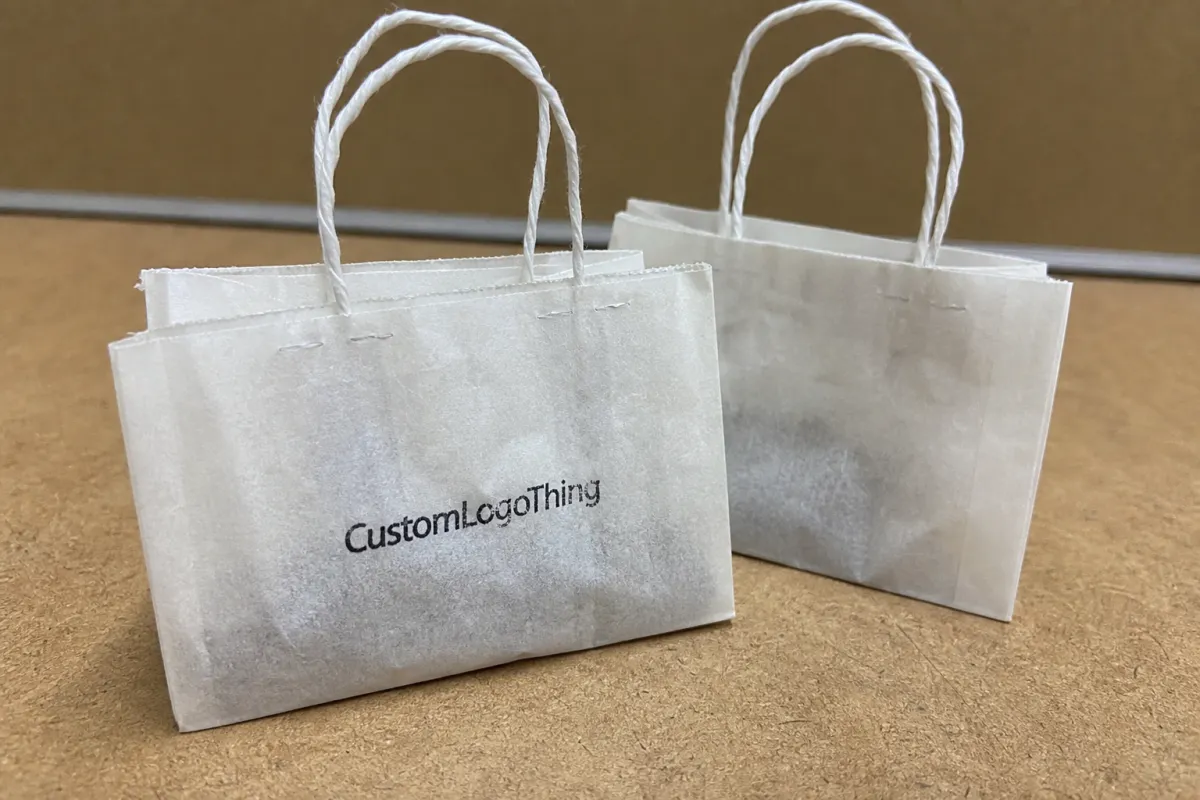
A bag can look crisp on a shelf and still fail at the first real load. That is the first lesson behind any tea twisted Handle Paper Bags material thickness guide: appearance gets attention, but structure earns trust. If the top edge crushes, the side gusset buckles, or the bottom seam opens after a few carries, the printed face is no longer doing its job.
Tea packaging adds its own quirks. Loose-leaf pouches are soft and shift under movement. Rigid tins concentrate weight into a smaller footprint. Boxed sachets sit flatter but can still stress the bag if the carton edges are sharp. Gift sets are worse, because the weight may be fine, but the shape is uneven and the pressure points show up fast.
From a packaging buyer's point of view, thickness is really three things at once: carry confidence, presentation, and print performance. A lighter sheet may be enough for a small retail pack, but if the brand wants a fuller, more premium hand feel, the wall needs enough body to hold the form after folding and gluing. Too little paper, and the bag looks tired before it even leaves the counter.
The other reason thickness matters is the handle path. On a twisted handle bag, the load is not spread evenly like a carton. It pulls through the top edge and into the handle patches, so the upper wall and fold line often need more structure than the lower panel. I have seen buyers focus on the front panel and forget that the top 40 to 60 mm of the bag is where the real stress happens.
How Paper Weight, Caliper, and Fiber Mix Work
If you only compare gsm, you can still get surprised. Two papers with the same nominal weight may feel completely different once they are cut, folded, and glued into a bag. GSM tells you mass per square meter, while caliper tells you thickness in physical space, usually measured in microns or mils depending on the supplier. Basis weight is another common term, especially in North American quoting, and it does not always line up cleanly with gsm without conversion.
That difference matters because fiber structure changes stiffness. A kraft paper with a longer fiber profile can feel tougher at the same gsm than a softer sheet made with a higher recycled content blend. A smoother coated stock may print beautifully, but if the surface treatment is too heavy, the bag can feel a little too stiff or even slippery in the hand. Buyers who want a natural look usually ask about kraft paper, recycled materials, and whether the stock is FSC certified, because those questions affect both appearance and sourcing story.
For tea brands that want a lighter environmental message, papers with post-consumer waste content can be a strong option, though the tradeoff is sometimes a slightly rougher surface or less brightness. That is not a defect; it is just the material telling the truth. If the artwork depends on tiny reverse type or deep solid coverage, the paper choice should support that instead of fighting it.
Twisted handle construction adds another wrinkle. The handle pulls on the bag mouth, so the top wall has to resist tear propagation, not just vertical load. In practical terms, a bag body might be fine at 140 gsm, but the same structure may need 160 gsm or stronger top reinforcement if the filled product is tall, dense, or likely to be carried across a store and into a car. For reference, industry groups such as the Packaging School/Packaging alliance resources and distribution testing bodies like ISTA both emphasize matching the package to the distribution environment, not just the product weight.
"A bag spec should be chosen from the filled load, not from a pretty empty sample."
Key Thickness Factors for Tea Packaging
Start with the product itself. A flat carton of sachets spreads weight well, but a glass jar or metal tin concentrates it and can put real pressure on the base panel. If a tea bag will carry a 250 g tin plus a small brochure, the paper spec should be evaluated differently than a 100 g pouch for counter display. That is why the tea Twisted Handle Paper Bags Material thickness guide always begins with the heaviest filled pack you expect to use, not the lightest sample on your desk.
Then look at presentation. An uncoated natural kraft stock gives a grounded, artisanal feel. A coated or laminated sheet gives cleaner graphics and more scuff resistance, but it can also change the stiffness profile and the way the bag folds at the side gusset. If your art direction depends on soft neutrals, foil accents, or large solid fields, the surface finish should be part of the thickness decision, not an afterthought.
Distribution matters just as much as retail. A bag that is fine for a handoff at a boutique counter may not be fine if it sits in corrugated cardboard shippers, gets stacked in a warehouse, and then rides in a vehicle with vibration and stop-start movement. The same bag may also be carried by a consumer for 10 minutes, which is long enough to expose any weak handle patch or top edge. In practice, the paper spec should survive the whole journey, not just the photo moment.
Here is a useful shorthand for tea buyers:
- 120-150 gsm - lighter retail packs, small sachet boxes, lower carry distance, more economical.
- 150-180 gsm - the common middle range for boutique tea, moderate weight, better feel, stronger mouth structure.
- 180-250 gsm - gift sets, tins, premium bundles, or any fill that needs firmer walls and better handle confidence.
And if you want a fast comparison, this table is the one I would use first in a buying conversation:
| Paper Weight | Typical Tea Use | Feel | Approx. Cost Impact | Buyer Notes |
|---|---|---|---|---|
| 120-140 gsm | Small sachet boxes, light pouches | Light, flexible, simple | Lowest | Best if fill weight stays modest and handling is short |
| 150-180 gsm | Core retail tea bags, mixed assortments | Balanced, clean, reliable | Moderate | Often the safest starting point for custom logo tea bags |
| 180-250 gsm | Gift sets, tins, premium bundles | Firm, premium, structured | Higher | Useful where handle load and shelf presence both matter |
For brands with a sustainability story, the material choice can sit alongside biodegradable packaging messaging, but that claim has to be supported by the actual material structure and local regulations. A paper bag with paper handles may still have inks, coatings, or adhesives that affect recyclability, so do not rely on marketing language alone. If environmental positioning is important, ask for documentation, including fiber source details and whether the stock is certified by FSC or includes recycled content.
Cost, Pricing, and MOQ Tradeoffs by Paper Weight
Heavier paper usually costs more, but the increase is not only in raw material. Freight weight rises, some finishing steps become slower, and a thicker sheet can be harder to fold cleanly if the conversion line is not tuned for it. On the other hand, a stronger bag can reduce damage, complaints, and replacement shipments, which is where the real savings show up later.
MOQ changes the economics fast. A 2,000-piece run often carries a noticeably higher unit price than 5,000 or 10,000 pieces because setup costs for printing plates, die cutting, handle insertion, and inspection are spread across fewer bags. If the order is small, even a 20 gsm change can swing the unit cost in a way that matters. That is one reason suppliers often quote a full structure instead of a simple paper weight.
For buyer clarity, I like to compare quotes line by line:
- Stock weight - paper gsm and any liner or reinforcement sheet.
- Handle style - twisted paper handles, rope, or flat tape, plus the patch method.
- Print coverage - one-color logo versus full-bleed art.
- Finish - matte varnish, aqueous coating, lamination, foil, or spot UV.
- Packing method - bulk packed, inner cartons, or outer shipper requirements.
That last item matters more than people expect. If the bags will ship in corrugated cardboard outer cartons, the inside pack method can protect edges and keep the handles from bending. If the brand wants cleaner shelf-ready presentation, inner cartons may add cost but reduce scuffing. Both choices affect the landed price more than a buyer sees on a raw paper line.
Here is a practical way to think about landed cost:
A thicker bag is not automatically more expensive in the end if it reduces damage, replacement freight, or complaints from retail partners.
Process and Lead Time From Spec to Shipment
Good production starts with exact dimensions. A supplier needs the finished bag size, gusset depth, handle height, printed area, and the actual filled weight target. After that comes artwork confirmation, paper selection, and proofing. For custom tea bags, sample approval matters a lot because handle feel and bottom stability are easier to judge in hand than on a screen.
The typical sequence is straightforward: spec review, sample or digital proof, print approval, conversion, handle application, inspection, packing, and shipment. If a job is clean and the material is already in stock, lead time can be quite reasonable. If the order needs a custom handle color, a special coating, or a new sample round, the schedule stretches. In many factories, a simple repeat run may move in roughly 12 to 15 business days after approval, while a first-time custom job can take longer depending on paper availability and workload.
There are a few common delay points:
- Artwork changes after proofing - even a small correction can trigger a new review.
- Special finishes - matte lamination, foil, or spot effects often add setup time.
- Handle sourcing - custom color twists or special paper grades can add days.
- Strength testing - if you ask for an extra sample round, plan for it.
For brands that are serious about shipping quality, testing against distribution standards is smart. ISTA protocols are useful for understanding vibration, drop, and handling stress, and they are especially helpful if the bag is part of a larger set going through e-commerce or retail replenishment. That kind of thinking keeps the paper choice connected to real transit behavior instead of guessed-at retail conditions.
Step-by-Step Thickness Selection for a Tea Brand
The simplest way to choose thickness is to work from the worst-case fill. Put the heaviest product you expect to use into the bag you plan to order, then lift it by the handles several times. If the bag is going to be a seasonal gift pack, test it with the full seasonal set, not a single box pulled from the mix. That habit catches bad assumptions before they become expensive reorders.
Next, match the paper to the brand position. A daily retail tea bag does not need to feel overbuilt, and overspecifying it can make the bag look stiff and overproduced. A premium tea gift bag, though, should have enough wall structure to stand upright, hold a sharp print edge, and keep the handle from digging into the top fold. This is where the tea twisted Handle Paper Bags material thickness guide earns its keep, because the right answer is rarely "the thickest one available."
Then test two or three paper weights with real product inside. Check four things in the hand:
- Handle comfort - does it cut in or stay pleasant to carry?
- Bottom stability - does the bag sit flat or sway?
- Crease recovery - does the mouth spring back after loading?
- Shelf appearance - does the bag still look intentional after filling?
If one sample feels slightly better but costs much more, ask whether a small structural change can solve the problem instead. Sometimes a wider base, a better handle patch, or a modest size adjustment gives you more value than extra gsm. That is especially true for tea lines that sell through stores where the bag is handled often but not abused.
For brands using paper sourced from recycled materials, the same test still applies. Recycled content can be excellent, but the fibers may behave differently from virgin kraft, so the sheet should be judged by performance rather than assumption. The goal is to find the lowest weight that still protects the product and presents well.
Common Mistakes That Create Weak Bags or Overspend
The biggest mistake is buying from photos or generic product pages instead of testing the bag with the actual tea fill. A picture never shows how a handle patch behaves under real load, and it does not reveal whether the bottom seam flexes too much when the bag is set down. That is why a tea twisted handle paper bags material thickness guide should always end with a physical sample review.
Another common miss is forgetting that print coverage changes the whole feel. Heavy dark solids, full-bleed artwork, or a dense varnish schedule can make a bag feel stiffer or more closed-in than the gsm alone suggests. If the design calls for a natural, airy look, the paper should support that visual language instead of fighting it with excess weight.
Overspending also happens when buyers try to fix every concern by adding more paper. More gsm can help, but it is not always the smartest fix. Sometimes the answer is a better handle attachment, a slightly different gusset, or a revised product layout inside the bag. A supplier who asks good questions about filled weight, destination, and brand use case is usually trying to keep you from paying for material you do not need.
One more caution: do not confuse paper thickness with environmental performance. A thicker bag is not automatically greener, and a thinner bag is not automatically inferior. If sustainability is part of the brief, ask for actual fiber data, FSC status, recycled content details, and any relevant claims related to biodegradable packaging. Honest specs beat vague marketing every time.
Expert Tips and Practical Next Steps
If you want the quote to be accurate, send exact dimensions, filled product weight, print colors, finish, handle style, quantity, and the delivery location. If the tea pack has unusual geometry, include a photo or physical sample. That one extra step often saves days of back-and-forth, and it gives the supplier enough information to recommend the right paper thickness on the first pass.
Request both a flat sample and a filled sample if possible. The flat sample tells you about print quality and paper surface; the filled sample tells you about the real feel in hand. I would always check the handle pull, top fold integrity, and how the bag stands after being set down. Those small observations usually tell you more than a spec sheet does.
Keep the final spec on file. Reorders move better when the approved gsm, finish, handle type, and packed quantity are written down in one place, because future pricing can then be compared against the same structure instead of a moving target. If you are buying across multiple tea SKUs, that discipline also helps standardize your packaging line and reduces surprise variations between batches.
Most importantly, use the tea twisted handle paper bags material thickness guide as a practical checklist, not a theory exercise. Pick the lightest bag that still protects the product, carries comfortably, and fits the brand story. That is usually where quality and cost stay in balance.
What gsm works best for tea twisted handle paper bags?
Light tea packs often start around 120-150 gsm, while heavier tins, boxed sets, or premium gifting usually need more structure. The best choice depends on the actual filled weight, bag size, and whether the customer will carry it by hand for more than a short distance. Always test the final load, because paper feel alone does not predict handle pull or bottom seam performance.
Can thinner tea twisted handle paper bags still feel premium?
Yes, if the paper has a clean fiber structure, accurate folding, and strong print registration, a lighter sheet can still present well. A matte finish, refined artwork, and crisp handle attachment often do more for perceived quality than adding extra thickness alone. Keep the fill weight controlled so the bag feels elegant instead of underbuilt.
How does thickness affect tea twisted handle paper bags pricing?
Heavier paper usually increases material cost and freight, and it can also slow some finishing steps depending on the bag construction. Lower order quantities raise the per-unit price because setup costs are spread across fewer bags. Ask for a line-by-line quote so you can compare stock weight, handles, coating, and packing before deciding.
What should I send for an accurate thickness quote?
Send finished dimensions, filled product weight, bag style, handle preference, print colors, finish, quantity, and delivery location. Include a photo or sample of the tea pack if the product has unusual shape, because shape changes how the bag carries. If you need a target price, say so early, since that helps the supplier narrow the paper options faster.
How long do custom tea twisted handle paper bags usually take?
Lead time depends on sample approval, paper availability, print complexity, and whether new tooling is needed. Simple reorders move faster than first-time jobs with custom artwork, special coatings, or multiple proof rounds. Build in extra time if your launch date is fixed, because late art changes can add more delay than most buyers expect.