Buyer’s slider lock clothing bags Quality Control Checklist
The slider lock clothing bags quality control checklist is not a formality. It is the difference between packaging that moves cleanly through packing, storage, and retail handling, and packaging that creates avoidable complaints. A sample can look sharp on a desk and still fail once operators load garments, cartons stack higher than expected, or the closure gets cycled enough times to show its weak side.
That is why buyers need to test more than appearance. A clothing bag has to fit the garment, close reliably, survive handling, and present well enough that it does not undercut the product inside. If the slider binds, the seal opens at the edge, or the dimensions drift just enough to make the garment sit badly, the issue becomes a production cost, not just a packaging flaw.
This checklist focuses on what actually fails in real production: seal strength, slider action, film consistency, carton-level variation, and the small spec changes that create outsized trouble later. It is built for buyers who need practical controls, not glossy language.
What Fails First in Slider Lock Clothing Bags
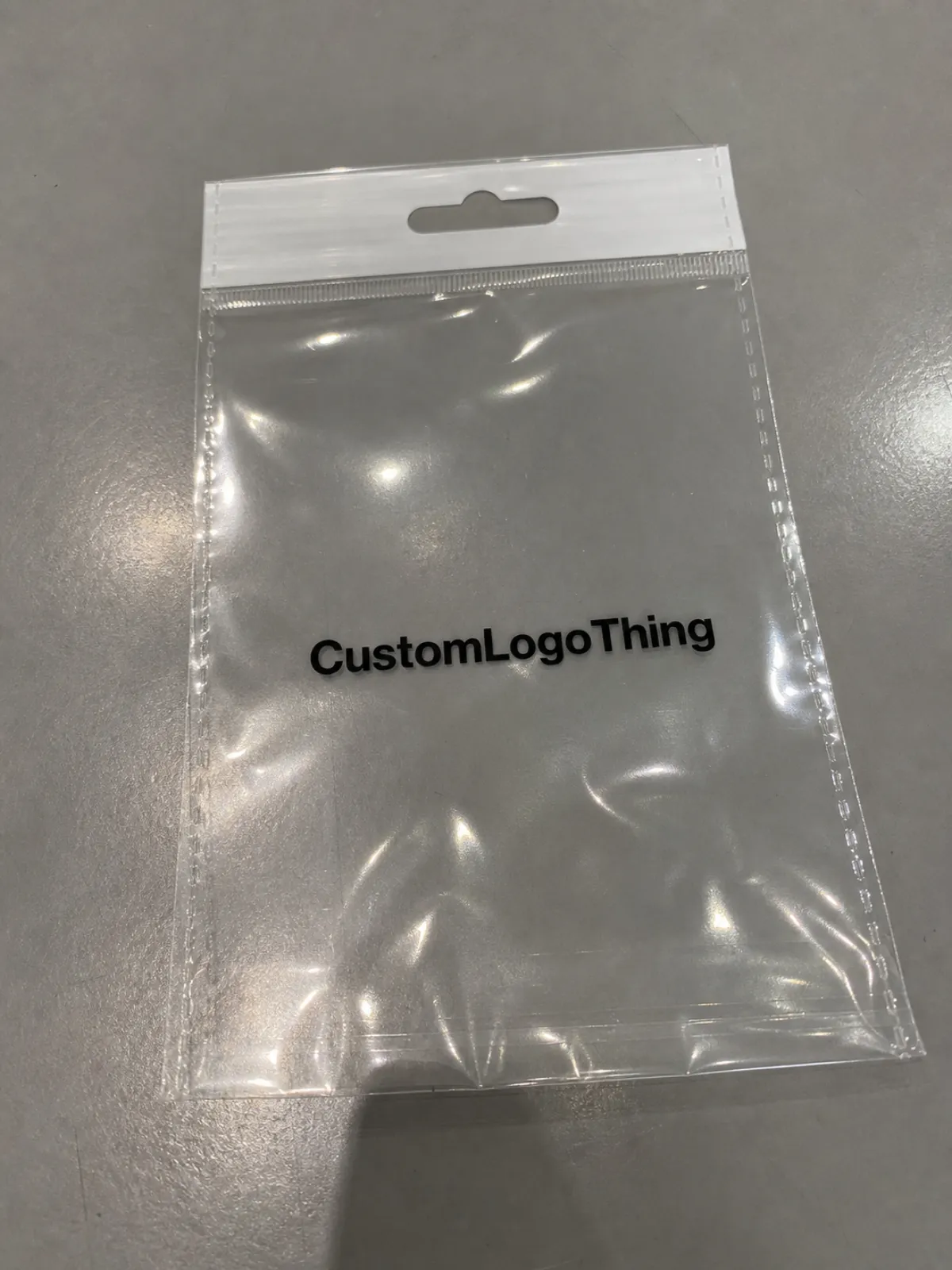
The earliest failures are often subtle. A slider feels slightly rough in one carton, a side seal shows a faint channel, or the bag width is within range but awkward on the hanger. None of those issues looks dramatic in isolation. Together, they are a sign that the lot needs attention before it reaches packing or shipping.
Many teams inspect only the first few samples because they look clean and easy to approve. That approach misses the real risk. The top layer of a carton is usually the best-looking material. Deeper in the pallet, variation from heat, compression, or handling shows up more clearly. A bag that works on a sample table may behave very differently after the run has been packed, shifted, and stacked.
A good sample proves the design. A good lot proves the process.
The Slider Lock Clothing Bags Quality Control Checklist should cover four separate questions: does the bag fit, does the closure hold, does the bag look acceptable, and does it keep packing efficient? If any one of those fails, the lot needs a closer look.
- Fit: Length, width, gusset, and hanger-hole position should match the intended garment category.
- Closure: The slider must travel cleanly and fully engage the lock track.
- Appearance: Clarity, print placement, surface marks, and contamination should stay within the agreed standard.
- Packing speed: Operators should not have to fight the film or work around a stiff track.
If a defect affects garment protection, retail presentation, or packing efficiency, treat it as a major issue unless the spec says otherwise. Cosmetic flaws may be tolerable in non-display packaging. A slider that opens on its own is not.
Process and Timeline: From Sample Approval to Lot Release
The easiest mistake is treating QC as a final inspection problem. By then, most of the expensive choices are already locked in. A useful slider lock clothing Bags Quality Control Checklist follows the production sequence instead of sitting at the end of it.
The process usually works best in five stages:
- Sample approval: Verify size, thickness, slider style, film clarity, and lock behavior against the approved reference.
- Preproduction review: Check first-off pieces before the line moves into volume output.
- In-line inspection: Sample bags during the run for seal consistency, slider alignment, and print drift.
- Final inspection: Pull bags from finished cartons, test closures, and confirm counts, labeling, and pack condition.
- Lot release: Release only after defects are logged, sorted, and the acceptance decision is documented.
Most delays come from unclear specifications or late changes. A logo revision after approval, a late shift in dimensions, or a vague instruction like “make it closer to the sample” can burn a full production window. Suppliers can usually correct one issue quickly. They struggle when three variables change at once.
For a corrected preproduction sample, three to seven business days is common if materials are on hand. A sample-to-release cycle often takes ten to fifteen business days for standard runs, longer if print colors need adjustment or the slider style is new. That timeline stretches fast when the buyer changes artwork late or asks for a new film grade without allowing revalidation.
For transit validation, it helps to test against a real distribution load rather than an ideal one. The ISTA framework is useful because it reflects handling stress, vibration, and carton movement. Clothing bags do not live in a lab; they live in cartons, pallets, back rooms, and shop floors.
Quality Factors That Decide Pass or Fail
Bag quality is not a single score. A clear film with a weak seal still fails. A strong seal with a sticky slider still fails. The slider lock clothing bags quality control checklist works better when each factor is measured on its own.
Film gauge and clarity
Most standard clothing bags fall around 50-80 micron film thickness, with heavier applications moving higher depending on garment weight and presentation needs. Thickness alone is not enough. You also need to check haze, stiffness, and whether the film behaves consistently across the sheet.
Recycled content can change the look and feel of the film. A small drop in gloss or stiffness may be acceptable if that was part of the agreed spec. What causes trouble is a supplier making the change without warning, then describing it as a normal variation. Buyers should expect the same visual quality across the lot, especially for retail-facing packaging.
Seal performance
Side seals and bottom seals should be straight, even, and wide enough for the film grade. A seal width in the 3-8 mm range is common, though the exact width depends on bag size and material thickness. More important than the number is consistency from one edge to the other.
Look for channels, wrinkles, weak corners, and partial fusion. A bag can look sealed and still open under light pull pressure. A quick peel or tug test is usually enough to reveal a weak line. If air escapes too easily or the seal separates at the edge, the bag should not move forward for garments that need clean storage or retail presentation.
Slider performance
The slider should open and close with steady force. It should not skip, jam, jump off the track, or stop short at the end points. Many buyers consider 10-20 open-close cycles a reasonable basic check for a standard garment bag. If the slider loosens or binds before that, the closure design or track formation needs review.
The ends of the track deserve special attention. That is where alignment problems and damage tend to show up first. If the slider does not fully engage at the entry point or releases under light stress, the lot needs to be held. There is no benefit in pretending that a questionable lock is acceptable.
Dimensions and print placement
Confirm length, width, gusset width, hanger-hole placement, and print registration. A width tolerance of about +/- 2 to 3 mm is common on smaller bags, with larger formats sometimes allowing slightly more. The exact range should be written into the spec rather than assumed.
Dimension drift changes how the garment sits in the bag and how the bag hangs on a rack. A hanger hole that is too high or too low affects presentation and may cause the bag to swing in transit. Print drift is just as visible on custom logo packaging. A logo that sits slightly off may still be usable, but it no longer looks intentional.
For packaging terms and shared standards, the packaging.org resource hub is a useful reference point when buyers and suppliers need the same vocabulary.
Step-by-Step Inspection Routine for Every Lot
A repeatable inspection routine matters more than a long one. The goal is to catch defects with the least ambiguity. The slider lock clothing bags quality control checklist should use the same order every time so defects can be compared from lot to lot.
Start with documents
Before opening cartons, verify the purchase order, approved sample, defect limits, color reference, and packing instruction. If the physical product does not match the paperwork, stop there. That mismatch is usually a warning that the run moved forward on the wrong assumption.
Sample across cartons
Do not inspect only the top layer. Pull samples from different pallets, different stack positions, and different packing dates if the shipment was staged in parts. For a mid-size run, inspecting 80-125 units across at least 5-8 cartons gives a much better picture than selecting a few clean pieces from one carton.
Run basic physical tests
Use the actual use case as the test reference. If the bag is meant for a folded shirt, test it with a folded shirt. If it will hold a jacket, test with a jacket or an equivalent load. A slider that opens cleanly with no product inside may still bind once the bag is full.
Useful checks include:
- Opening cycles: Watch for sticking, skipping, or incomplete lock engagement.
- Seal pull: Look for split lines, weak points, and visible channels.
- Tear resistance: Stress the corners and seal ends without wasting too many samples.
- Garment fit: Confirm the item enters and exits without snagging fabric or distorting the bag.
Grade defects clearly
Use a simple severity scale: critical, major, and minor. Critical defects include open seals, broken sliders, and size drift that makes the bag unusable. Major defects cover weak closure performance, repeated print misalignment, and persistent scuffing. Minor defects are cosmetic issues that do not affect function or saleability.
Many buyers use AQL-style sampling, often around 2.5 for major defects and 4.0 for minor defects, but the right limit depends on the product and customer expectations. A premium apparel program needs tighter control than a low-visibility inner pack. The number is less important than whether everyone follows the same standard.
Cost, MOQ, and Quote Variables Buyers Should Watch
Pricing for slider lock bags shifts quickly because the product is built from several cost drivers, not one. Film grade, thickness, custom size, slider style, print coverage, and MOQ all affect the quote. A buyer who only compares the unit price often misses the actual landed cost.
Typical custom pricing often looks like this:
| Order scenario | Typical unit price | What drives it | Risk if you chase the lowest quote |
|---|---|---|---|
| 1,000 pcs, simple clear bag | $0.30-$0.55 | Short run, setup spread across few units | Higher scrap risk and less room for testing |
| 5,000 pcs, custom logo, standard size | $0.16-$0.28 | Moderate print coverage and common slider style | Quote may exclude inspection or repacking |
| 10,000+ pcs, repeat order | $0.11-$0.22 | Lower setup burden and steadier production | Spec drift can slip in if approval control is weak |
Setup fees also matter. Printing plates, color matching, special die sizes, and carton labeling can add $150-$600 or more depending on the job. Sometimes those costs are rolled into the unit price. Sometimes they are listed separately. Either is fine if the quote is clear.
MOQ changes the math. Smaller runs cost more because labor, setup, and QC time are spread across fewer pieces. A surprisingly low price on a small order often means something was left out. That missing item is sometimes testing, sometimes rework, and sometimes a serious gap in process control.
Hidden cost usually shows up in rush shipping, split deliveries, special packing, and extra inspection rounds. A bag that fails the lot is not cheap just because the quote was low. Rework and replacement freight are real costs, and they arrive faster than most buyers expect.
What to ask in the quote
- Is film thickness guaranteed by lot or only listed as nominal?
- Is first article approval included before full production starts?
- Are testing, rework, and carton relabeling part of the price?
- What happens if the lock fails or the seals split during inspection?
If recycled content or paper components are included in the outer pack, any certification claim should be checked directly with FSC rather than accepted from a line in a quote. A certificate only helps if it is valid and applies to the material being supplied.
Common Mistakes That Create Scrap, Delays, and Returns
Most packaging problems are ordinary, not dramatic. They come from repeated small oversights. A strong slider lock clothing bags quality control checklist helps, but a few mistakes still show up often enough to deserve their own warning.
- Approving a sample without cycle testing: A slider that feels fine once may fail after repeated use.
- Checking only pristine top samples: Carton-to-carton variation hides deeper in the pallet.
- Using vague defect language: “Looks acceptable” is not a quality standard.
- Changing dimensions after approval: Small changes affect hanger fit and packing speed.
- Ignoring rework instructions: Unclear corrective action usually creates the same defect again.
One of the most expensive habits is accepting “normal variation” without asking for numbers. Normal based on what? For which bag size? Under what load? If the supplier cannot define acceptable ranges for seal width, slider force, or print position, the process is not controlled well enough for release.
Another common problem is letting production continue after the first repeat defect appears. If the same split seal shows up in multiple cartons, hold the lot. Keep gathering samples if you want, but do not mistake more bad pieces for more information. At some point the defect pattern is already clear.
Late artwork changes cause their own damage. Even a small move in the logo position forces a fresh comparison against the approved sample. If that change is not documented, the supplier will guess at acceptable placement, and guessing is a weak way to run a packaging line.
Practical Tips for Cleaner Approvals and Fewer Surprises
If you want the approval process to go faster, make it more specific. Loose instructions create debate. Specific instructions reduce it. The slider lock clothing bags quality control checklist works best when the buyer and supplier compare against the same references and the same tolerance window.
Build a defect library
Keep photo examples of acceptable, major, and reject-level issues. Include close-ups of seal channels, misaligned sliders, haze, scuffs, and print drift. Once both sides are using the same reference set, the conversation gets shorter and much more useful.
Keep retention samples
Hold first-run retention samples from the approved lot and compare future lots against them. That makes drift easier to spot before the new shipment reaches customers. A single retained sample is often enough to show whether the film, closure action, or print placement has moved away from the approved standard.
Separate appearance from function
Approve the look and the performance as two checks. A bag that looks good but fails closure testing is not ready. A bag that performs well but carries poor print registration may still be rejected if it is visible on the shelf. Splitting the decision reduces false approvals.
Write tolerances before ordering
Document the acceptable range for dimensions, seal variation, and closure behavior before production begins. Once the line knows the range, bad output can be rejected early while it is still easy to rework. Waiting until cartons are packed only makes the fix more expensive.
Simple test methods usually tell you enough. Peel checks, cycle tests, fit checks, and carton sampling reveal far more than a polished production photo. Lab testing can support the decision, but it should not replace a real use-case check with the actual garment load.
Next Steps: Turn the Checklist Into a Supplier Audit
The best version of a checklist is one that is used, not admired. Turn it into a one-page buyer scorecard with pass/fail criteria, sample counts, defect limits, and release authority. Share the same document with the factory, QC team, and freight handler so there is no room for “we thought the other team was checking that.”
Then apply it to the next order and watch where the problems appear. A defect that shows up only at final inspection usually points to line control or packing issues. A defect that appears in one stack of cartons usually points to handling or compression. A defect that begins after a late artwork change usually points to approval drift. Once the pattern is visible, the corrective action is easier to write and much harder to ignore.
Used well, the slider lock clothing bags quality control checklist gives buyers a clean way to compare samples, catch process drift, and release lots with less guesswork. That is useful because clothing bags are not expensive enough to forgive sloppy control, and not simple enough to trust on looks alone.
What should a slider lock clothing bags quality control checklist include first?
Start with dimensions, film thickness, seal strength, and slider operation. Add print registration, clarity, scuffing, and carton-level inspection rules. Define reject limits before inspection begins so the team is not making standards up during the review.
How do you test the slider on clothing bags without special equipment?
Cycle the slider open and closed several times to catch sticking, misalignment, or track separation. Load the bag with a garment or weight that matches the real use case, then check whether the lock stays engaged. Inspect both ends of the track, since that is where weak closures usually show up first.
What pricing details matter most when quoting slider lock clothing bags?
Film thickness, resin grade, custom size, print colors, slider style, and MOQ drive most of the cost. Ask whether testing, tooling, rework, and special packing are included. Compare total landed cost, not only unit price, or the real expense can hide in the extras.
How long should approval take for this bag type?
Allow time for sample review, test cycles, and a corrected preproduction sample if needed. Add buffer when the spec is new or artwork is changing. Rush orders usually cost more and leave less room for QC, which is usually where the trouble begins.
What defects should trigger a lot hold in clothing bag QC?
Leaking seals, broken or jammed sliders, and size drift outside tolerance should stop release. Any repeat defect that appears in multiple cartons needs a hold, not a shrug. Release only after the root cause and corrective action are documented.

