Candle Embroidered Baseball Caps Bulk Order Planning Tips
Candle Embroidered Baseball Caps Bulk Order planning is less about approving a pretty mockup and more about protecting the shape once the cap curves around a head, a shelf, and a shipping carton. The costly mistake is usually simple: a clean close-up proof gets approved, then the flame, wick, or tiny lettering collapses once the front panel bends. For buyers placing a seasonal or boutique-style run, that is a margin problem, not just a design problem.
Candle embroidered baseball caps bulk order planning for bulk buyers
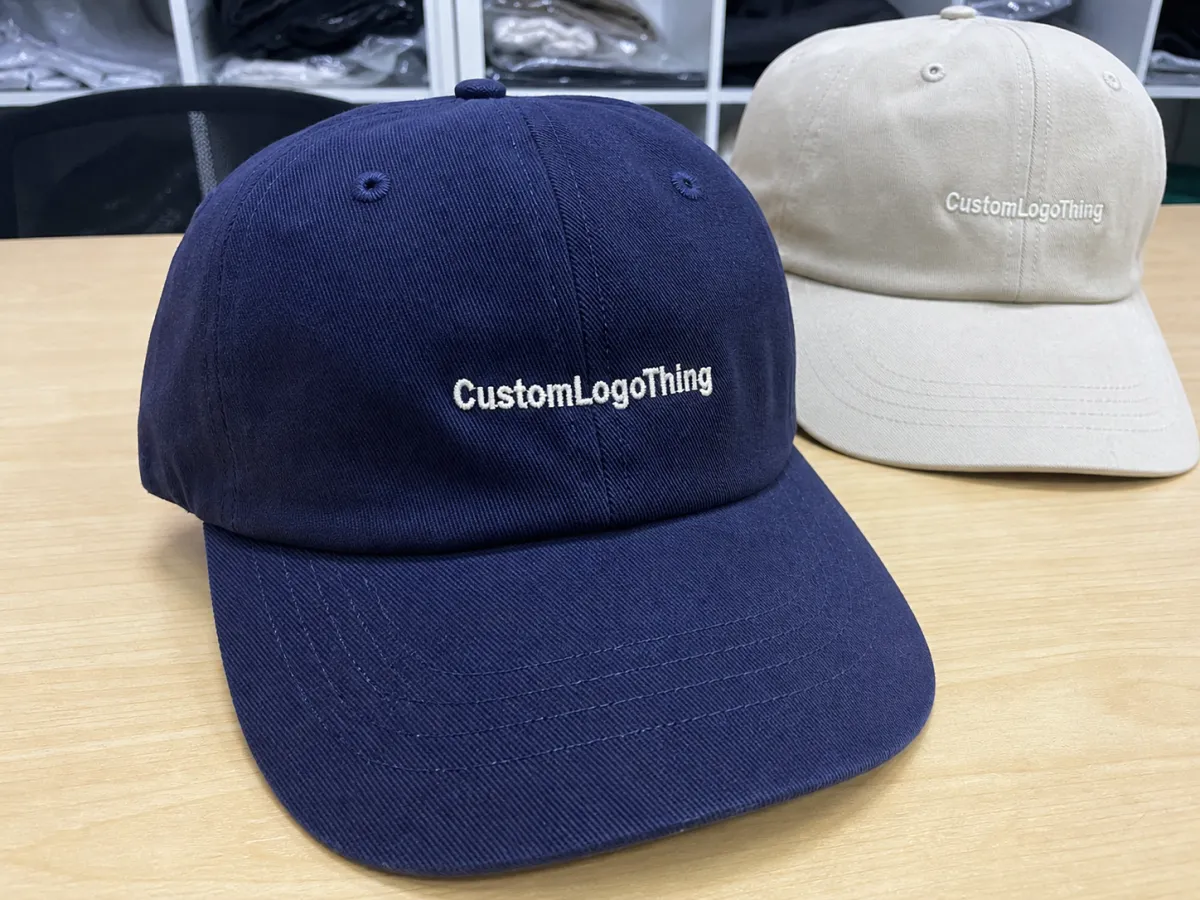
The most expensive mistake is approving a cap that looks sharp in a flat digital mockup but loses the candle outline once the crown curves. A candle motif is harder to execute than a basic logo because the design has more thin geometry: flame tips, wick lines, wax drips, and sometimes small text all compete for the same front panel. That means every choice, from stitch count to placement, changes the final read.
Bulk buyers should judge the order by sell-through risk, not novelty alone. A candle graphic can feel seasonal, but the inventory still has to move like core merchandise if the run is large enough. A store that sells lifestyle goods can carry 250 caps in a soft launch. A distributor shipping to multiple accounts may need 2,000 pieces or more, which raises the cost of getting the first sample wrong.
A clean proof is not the finish line. For embroidered caps, the real test is whether the candle still reads clearly after the panel curves and the thread settles.
That is why candle embroidered baseball caps bulk order planning works best as a specification decision. The buyer is not guessing on style; the buyer is locking the artwork, the cap body, the stitch density, the packaging, and the approval path before the first carton is packed.
Design choices that affect how the cap sells
Placement changes both visibility and brand impact. A full front panel gives the candle icon the most presence, which matters if the cap is meant to act like a merch item or a retail SKU. A lower-front placement feels subtler and often looks more premium on a low-profile cap. Side-panel embroidery works if the candle is a secondary mark, not the hero. A back-tab hit can support a brand story, but it will not carry the whole product on its own.
Cap body choice matters just as much. A structured cap with a firm front panel holds candle art better because the embroidery sits on a stable surface. An unstructured cap feels softer and more casual, but thin lines can distort more easily. Low-profile shapes tend to suit boutique candle branding, while mid-profile crowns give the design more breathing room. Classic cotton twill is still the safest starting point; washed chino looks warmer and less promotional. If the cap is meant to feel retail-ready, the silhouette needs to match the audience.
Artwork simplification is where many projects win or lose. A candle drawing with too much interior detail can become noisy in thread. Clean outlines, a flame shape with one clear point of focus, and limited thread colors usually hold up better than a highly illustrated version. Dark navy, black, or forest caps make pale thread stand out. Cream and stone caps support warmer branding, especially when the candle color palette leans toward amber, rust, or soft gold.
For buyers comparing production routes, the smartest move is to assess how visible the candle needs to be from three to five feet away. That distance test tells you more than a screen render does.
Embroidery specs that keep every cap consistent
The core specs should be locked early in candle embroidered baseball caps Bulk Order Planning: stitch count, digitizing quality, backing, thread weight, and the minimum line thickness the art can survive. A simple candle icon often lands around 4,500-7,500 stitches. Once the flame gets more detailed or the text is squeezed in, that number can rise to 8,000-12,000 stitches. More stitches are not automatically better. They can make the design heavy, stiff, and harder to repeat cleanly across a full run.
Thin lines need discipline. In practice, a line thinner than about 1.2-1.5 mm starts to risk breakage, especially on curved cap panels. The wick is usually the first element to simplify. The flame tip is second. If the design uses tiny type, it should be evaluated as if it were a separate decoration, because embroidery does not forgive micro text the way print can.
Standardizing size is what keeps the order consistent. Ask the supplier to define the final embroidered width and height, the exact center point from the front seam, and the thread density used across the entire run. If one sample lands at 2.75 inches wide and the next creeps to 3.25 inches, the whole order can look inconsistent even when the logo is technically correct.
- Vector art: Send AI, EPS, or clean SVG files so the digitizer is not guessing.
- Thread colors: Limit the palette to 2-4 colors unless the candle art truly needs more.
- Backing: Match the backing to the cap structure so the front panel does not pucker.
- Approval: Require a digital proof and, for fine details, a physical sample before bulk production.
The best suppliers treat digitizing as a control point, not a formality. A good proof should show stitch direction, thread changes, placement, and final size clearly enough that the first carton has little room to surprise anyone.
Cost, pricing, and MOQ decisions that change unit cost
Pricing for candle embroidered caps breaks into several buckets: the cap blank, embroidery setup, digitizing, thread color changes, packaging, and freight. If the design is simple and the quantity is healthy, the embroidery portion stays manageable. If the cap uses a premium blank, multiple locations, or extra finish work, the price can climb quickly. In many bulk runs, the biggest cost swing is not the cap itself. It is the setup being spread across too few units.
A practical way to think about MOQ is this: lower quantities carry more overhead per cap, while larger quantities usually reduce the unit price. A one-location design can often be quoted more aggressively than a multi-location version with a dense stitch count. Custom woven labels, branded hangtags, or inserts push the cost higher again. Buyers should ask for a price break at two or three quantity tiers so the economics are visible before anyone commits.
| Order profile | Typical MOQ | Typical unit cost | Best fit |
|---|---|---|---|
| Simple candle icon, one embroidery location | 100-300 pcs | $5.10-$7.40 | Test run, small shop drop, event merch |
| Mid-detail art, one front placement, moderate stitch count | 500-1,000 pcs | $4.20-$6.30 | Seasonal retail, influencer merch, regional rollout |
| Higher-volume order, premium blank, tighter packout specs | 2,000-5,000 pcs | $3.25-$4.95 | Core inventory, multi-account distribution, private label |
Those numbers move with material choice, embroidery coverage, and freight method, so they should be treated as planning ranges rather than a fixed quote. Still, they give buyers a useful break point. If the design is unproven, a smaller test run may be the smarter spend. If the artwork is locked and the sell-through history is solid, moving to a higher tier can lower the landed cost enough to matter.
If you are comparing production options, our Wholesale Programs page is the right place to start the conversation about quantity tiers and packout needs.
Process and lead time from art file to packed cartons
The cleanest orders move through a predictable sequence: inquiry, quote, digital proof, sample approval, production, inspection, packing, and shipment. Candle embroidered baseball Caps Bulk Order Planning should separate those steps instead of treating the whole order as one timeline. That matters because proofing can take a day or two, sampling may take nearly a week, and production often runs on a different clock entirely.
Delays usually start with incomplete artwork. Missing vector files force the digitizer to rebuild shapes. Unconfirmed thread colors stall the proof. Slow sample approvals push the full schedule back, sometimes more than the embroidery itself. A buyer who wants speed should send complete files, cap color choices, quantity splits, and the delivery target in the first message. That alone can remove a surprising amount of back-and-forth.
Typical planning ranges look like this: 1-2 business days for digital proofing, 5-8 business days for a physical sample when one is needed, and 12-20 business days for production after approval. Freight is separate. Air can move fast but costs more. Ocean lowers transport cost but demands more lead time and more discipline on the schedule. If the order has a hard in-hands date, that date should be stated up front, not after the sample has already been approved.
Rush requests are possible, but they usually force trade-offs. Fewer revisions. Simpler specs. Less packaging customization. Sometimes a different shipping method. That is normal, not a red flag. The issue is pretending a rush order will follow the same schedule as a standard run.
If the artwork is ready, the fastest savings usually come from faster approvals. Waiting three days to approve a proof can cost more time than changing one stitch detail.
Quality checks, packing, and supplier controls
Quality control starts before the needle moves. In-house digitizing and pre-production checks reduce rework because the design can be corrected before thread is loaded into a production machine. That is especially valuable on a candle motif, where a tiny shift in the flame outline can change the whole feel of the cap. A supplier that catches the issue early saves everyone from redoing cartons later.
Finished-cap inspection should cover more than appearance. Alignment across the front panel matters. Thread color consistency matters. So does trimming, because loose tails are easy to miss in a photo and very visible in a carton opening. Panel distortion should be checked after embroidery, not just before it. A cap that seems acceptable on a flat table can look pulled once it is worn.
Packing decisions also affect the buyer experience. Individual polybags keep dust off the caps and make count verification easier. Size stickers reduce warehouse confusion. Carton counts and shipping marks matter when the order lands at multiple destinations. If the caps are going into retail, branded tissue or a hangtag may be required. If they are going into distribution, clean outer cartons and accurate master labeling may matter more than decoration.
For transit testing, it helps to think in standards, not assumptions. If the route is rough or the cartons travel long distance, package performance guidance from ISTA gives buyers a better baseline for carton strength and drop tolerance. If paper inserts or hangtags are part of the packout, FSC certification is worth asking about because it supports a cleaner sourcing story without complicating the packout.
A reliable supplier also communicates problems early. If a dye lot shifts, if the sample needs a stitch correction, or if a carton count is off, the buyer should hear about it before shipment. Quietly hiding a defect until the end is the fastest way to turn a simple order into an expensive one.
What to confirm before you place the bulk order
Before the purchase order goes out, send the exact information needed to quote and produce without guessing: artwork file, cap style, cap color, quantity split, delivery address, and target in-hands date. The faster that information is complete, the cleaner the quote will be. It also helps the supplier suggest the right blank and avoid sending pricing that only works for a different cap structure.
Ask for a digital proof and, if the candle design uses thin lines or small type, a physical sample. That is not overcautious. It is normal risk control. The difference between a good run and a costly return often sits in those details. If the art depends on fine flame edges, ask what line thickness the digitizer recommends and whether the design should be simplified before production starts.
Confirm the packout too. Carton labeling, polybags, insert cards, hangtags, and shipping terms should all be agreed before embroidery starts. A carton that arrives in the wrong format can create receiving delays even if the caps themselves are perfect. If the order needs special handling, that should be visible on the quote and the proof, not buried in a side email.
- Artwork: final vector file and approved colors.
- Spec: cap style, front placement, stitch count target, and backing choice.
- Quantity: total pieces plus any color or size splits.
- Packaging: polybags, labels, inserts, and carton marks.
- Timeline: proof date, sample date, production window, and delivery target.
If your team wants a faster answer on ordering flow, our FAQ page covers the common questions before the quote stage. For buyers who treat candle embroidered baseball caps bulk order planning as a specification exercise instead of a gamble, the first run is far more likely to match the brief, protect the margin, and land with fewer revisions.
What MOQ should I expect for candle embroidered baseball caps?
MOQ usually depends on the cap blank, stitch complexity, and whether the order uses one design or several colorways. A cleaner design with one embroidery location is easier to quote at a lower MOQ than a multi-location, high-stitch version. Ask for a price break by quantity so you can compare a test run against a larger production tier.
How detailed can the candle artwork be on embroidered baseball caps?
Thin flames, tiny text, and interior line art are the first details to simplify because embroidery needs enough space to hold shape. Vector artwork and a professional digitized file help preserve the candle silhouette without overloading the stitch count. If the art relies on small highlights, request a sample before approving a full bulk order.
How long does a candle embroidered cap bulk order usually take?
The timeline is usually split into proofing, sample approval, production, and shipping rather than quoted as one block. Simple orders move faster when artwork is ready and approvals are returned quickly. Complex designs, custom labels, or rush shipping can change the schedule, so confirm the full lead time before placing the order.
Can I mix cap colors or sizes in one embroidered bulk order?
Yes, but mixed color or size runs may affect pricing, packing, and how the supplier organizes production. The best approach is to lock the main cap style first, then ask how mixed quantities change the unit cost. If you need multiple colors, confirm whether the factory treats them as one order or separate production lines.
What should I send to get an accurate quote fast?
Send the artwork file, preferred cap style, cap color, quantity, embroidery placement, and deadline. Include any packaging requirements, such as hangtags, polybags, or carton labeling, because those affect total cost. If you already know your target price, share it early so the quote can be built around the right spec level.


