Candle Embroidered Beanies Material Sample Guide for Buyers
A candle embroidered Beanies Material Sample guide earns its keep fast: the sample that feels a little stiffer, fits a little tighter, or distorts the logo under stretch often reveals problems a product photo cannot show. A buyer may think they are approving “the same beanie,” but in production, a 5% change in knit density or embroidery tension can shift the entire feel of the piece. That is why the candle Embroidered Beanies Material Sample guide is less about collecting fabric swatches and more about making a low-risk decision before a bulk order is locked in.
For promotional merch, retail launches, and team orders, one sample can answer the questions that matter: does the logo sit flat, does the cuff rebound after handling, and does the color still read correctly in real light? If the answer is no, the sample has already saved time and money. A small adjustment at the sampling stage is far cheaper than reworking 500 or 5,000 units later.
A sample should do three jobs: prove the fit, prove the decoration, and prove the spec sheet is believable.
Candle Embroidered Beanies Material Sample Guide: What Buyers Miss
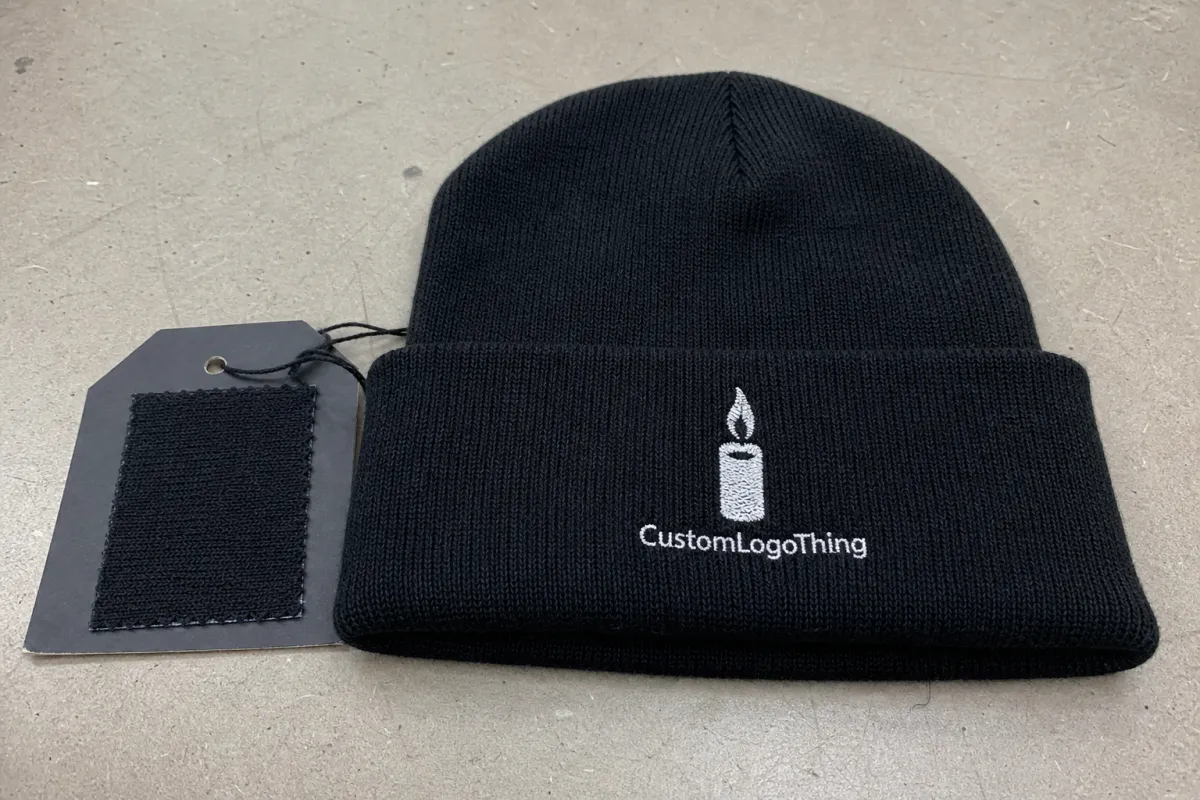
Most buyers start with the obvious details: color, logo placement, and price. Fair enough. But the details that change the final buying decision are usually quieter. A beanie can look identical in a flat-lay and still behave differently once it is stretched over a head, pressed under a cuff, or worn for ten minutes on a cold day. A material sample shows those differences in a way a rendering never will.
The real value of a candle Embroidered Beanies Material Sample guide is that it treats the sample as a decision tool, not a fabric catalog. It should help a buyer judge hand feel, knit structure, embroidery behavior, and wear performance at the same time. That matters because embroidery is not a passive decoration on a knit cap. The thread pulls on the fabric, the backing changes drape, and the cuff can hide or expose a logo depending on how the beanie recovers after stretch.
From a packaging buyer’s point of view, this is the same logic used in carton testing. A product can pass the eye test and still fail the use test. The sample stage is the small, controlled version of the bigger production gamble. If a team order needs a crisp logo, a retail order needs color consistency, and a promo run needs cost control, the sample is the place to catch the mismatch before the order becomes expensive.
How Material Samples Are Built, Packed, and Reviewed
The sample workflow usually starts with inquiry and artwork submission. After that, the supplier selects a blank beanie or knits a trial version, digitizes the logo, runs a test embroidery, finishes the piece, inspects it, and ships it out for review. A good supplier will also note what changed during sampling: thread substitution, stitch-density adjustment, or a tighter cuff spec if the first version feels loose.
What buyers usually receive is more than one beanie. Often there is a decorated sample, sometimes a blank comparison piece, color references, and a brief note on care or construction. In practical terms, that packet should let you answer four questions quickly: does the size feel right, does the logo sit where it should, does the thread color match the approved reference, and does the construction look like something you would want to reorder?
The arrival checklist should be simple but strict. Check seam alignment, cuff stretch, embroidery tension, label placement, and whether the physical sample matches the promised spec sheet. If the supplier says the body is a 7-gauge knit and the sample behaves like a looser 5-gauge, that is not a cosmetic issue; it changes warmth, drape, and logo stability.
Packaging also matters more than many buyers expect. A crushed cuff or flattened crown can distort the first impression before anyone has judged the product itself. For transit protection, the logic behind ISTA testing is useful even for soft goods, and if the brand cares about packaging claims, ask for FSC certified corrugated cardboard, kraft paper void fill, or recycled materials with post-consumer waste content noted on the pack list. That does not make the beanie better by itself, but it keeps the sample honest on the way in.
Cost, Pricing, and MOQ Signals That Change the Quote
Sample pricing is usually a mix of setup, digitizing, embroidery labor, blank sourcing, freight, and rush handling. Buyers sometimes focus on the blank cost and miss the part that actually moves the number: the artwork workup. A simple logo may digitize quickly. A dense, multi-color mark with small text often needs extra testing, and every revision can add time and money.
| Sample type | Typical cost | Best use | Common watch-out |
|---|---|---|---|
| Blank fit sample | $12-$25 | Confirm size, stretch, and crown shape | Does not prove embroidery behavior |
| Single decorated sample | $35-$75 | Check logo placement and thread finish | One material choice may hide alternatives |
| Multi-option sample set | $60-$120 | Compare yarns, colors, or stitch density | Useful only if the options are truly different |
| Rush sample | Base cost + $15-$40 | Seasonal launches and deadline-heavy approvals | Fewer revision rounds are usually available |
MOQ changes the economics fast. Smaller runs tend to carry higher per-unit cost because setup costs are spread across fewer pieces. Larger orders usually absorb digitizing, thread matching, and label setup more efficiently. In many custom beanie programs, the order floor may sit around 50-100 units for simple decoration, while more common quoted MOQs land closer to 100-300 units once labels, colorways, or premium yarns enter the picture. That range is not universal, but it is a useful starting point.
Paid samples versus complimentary samples deserve a practical look. A free sample can be useful if the supplier already has a close match in stock, yet paying for two or three well-chosen sample variants is often smarter than guessing from one blank. The hidden cost drivers are usually specialty yarns, custom labels, premium linings, and high stitch counts. A dense embroidered logo can look clean in proofing and still add meaningful machine time in production. If the supplier is vague about what changed between versions, ask for a written breakdown before approving.
Fabric, Yarn, and Stitch Variables That Affect Wear
Acrylic, cotton blends, recycled polyester, and wool mixes each behave differently, and the differences show up quickly in a sample. Acrylic is common because it is predictable, warm enough for many promos, and usually easier to keep consistent from lot to lot. Cotton blends can feel softer, though they may relax more after wear. Recycled polyester can help a brand tell a cleaner sustainability story, especially if the rest of the packaging uses recycled materials or biodegradable packaging. Wool blends are warmer and often more premium in hand, but they can feel scratchy to some users and may need closer attention to shrink behavior.
Then there is knit gauge. A tighter knit, often in the 7-gauge to 9-gauge range, usually supports cleaner embroidery because the surface is more stable. A looser knit can look attractive and casual, but the threads may separate under dense stitching unless the supplier adjusts backing or stitch density. That is why a logo that looks perfect on one sample can suddenly pucker on another that uses the same color but a different knit structure.
Thread choice matters too. A 40wt polyester embroidery thread tends to hold up better under abrasion than a softer rayon thread, while rayon can deliver a richer sheen that some brands like for fashion-forward pieces. Neither is “better” in the abstract. The better thread is the one that matches the use case. A retail beanie that will be worn often needs different resilience than a giveaway item that may be worn twice.
Pay attention to finish details. Lining changes warmth and weight. Cuff thickness affects how the logo sits at the fold. Moisture behavior affects how the beanie feels after a commute or light snowfall. Even colorfastness can shift the buyer’s perception: a deep navy that stays stable after handling looks more expensive than one that picks up lint or appears washed out under daylight. A side-by-side scorecard helps here. Rate each sample on look, feel, structure, stitch clarity, and wear comfort so the decision is based on something firmer than memory.
Process and Timeline: From Sample Request to Approval
Sampling should follow a clear path: artwork submission, digitizing, proof review, sample production, transit, internal review, revision if needed, then bulk scheduling. A clean program often moves faster than buyers expect because everyone knows what evidence is required at each step. A messy program slows down because the questions keep changing.
Typical timing varies, but a straightforward sample can often be turned in 5-10 business days after artwork is approved, then spend another 3-7 business days in transit depending on route and service level. Cross-border orders can stretch beyond that, especially during busy seasons. If a supplier promises unusually fast turnaround, ask what is excluded. Missing thread colors, custom labels, or a second revision can push the actual timeline out by several days.
The biggest delay points are familiar: incomplete artwork, missing Pantone references, thread substitutions, transit time, and seasonal spikes. Holiday programs are the classic trap. Buyers approve the sample late, then discover the production queue is already crowded. A buffer of at least one review cycle helps. Even better, set a firm internal deadline before the sample lands. That way, feedback comes back in a single round instead of dribbling out over a week.
A precise timeline lowers rework because each revision ties back to a specific sample, a specific note, and a specific approval date. Keep the trail clean. If the supplier changes the embroidery density from 6,200 stitches to 5,400 stitches to reduce puckering, write that down. If the sample arrives with a softer cuff than expected, note whether that was a material issue or a finishing choice. Those details are what keep a later reorder from drifting away from the approved version.
Step-by-Step Sample Review Checklist for Buyers
A sample review works best when it is handled like a small QC pass instead of a casual unboxing. The first mistake many teams make is letting one person say “looks good” and moving on. A better method is to test the sample against a short checklist, document the result, and make sure the approval can be repeated later.
- Test fit on multiple heads or forms. Check stretch, crown height, and comfort after at least 10 minutes of wear. A beanie can feel fine for 30 seconds and still pinch at the forehead once it warms up.
- Inspect embroidery in daylight and indoor light. Look for logo centering, thread sheen, edge quality, and readability. A mark that seems bold under warm LED light may look dull in natural light.
- Run a simple wear or wash test. Hand-stretch the fabric 15-20 times, then see whether the stitches distort or the cuff rebounds slowly. If a wash test is practical, use a gentle cold cycle and air dry.
- Document approval in writing. Save photos, measurements, thread codes, and a yes/no checklist. If the supplier asks for production clearance later, the approved sample should match the record without debate.
One useful habit is to score each category from 1 to 5. A buyer who does that can compare two samples side by side without arguing about impressions. The score sheet also helps if marketing wants one thing, operations wants another, and sales wants a lower unit price. The numbers do not solve every argument, but they make the trade-offs visible.
Common Mistakes That Make a Good Sample Look Wrong
The first mistake is judging color from a phone photo or a single fluorescent room. Beanies are especially vulnerable to this because knit texture creates shadow, and embroidery thread catches light differently from the base fabric. A sample that looks beige on screen may actually read as oat, sand, or muted taupe in neutral daylight. That is not a small difference if the brand palette is strict.
The second mistake is approving a sample without stretching it or wearing it. A beanie that sits perfectly on the table can reveal puckering, seam skew, or crown distortion once it is pulled over a head. Even a light wash or a few minutes of handling can expose issues that the static sample hides. Buyers who skip that step often discover the problem only after the bulk order lands.
Comparing samples from different suppliers without matching yarn weight, stitch count, or backing material is another common trap. Two samples can share the same logo and still behave very differently because the knit base is not the same. If one supplier uses a tighter body and another uses a softer one, the embroidery tension cannot be compared fairly.
The last mistake is vague internal feedback. “Looks off” is not enough. Neither is “make it pop more.” Those comments create drift, not clarity. A written approval checklist prevents subjective language from turning into production changes. In practice, the clearer the feedback, the fewer the surprises later. That applies whether the order is 100 units or 10,000.
Expert Tips for Stronger Approvals and Better Reorders
Keep a sample archive. Not a vague folder with random photos, but a real record with measurements, thread codes, approval notes, and the date the sample was signed off. Reorders become much easier when the team can compare a fresh sample against the exact version that was approved last time. Without that archive, people start remembering the product differently than it was made.
Ask for one alternate material or thread option when the first sample is close but not quite right. A small change, such as moving from a softer yarn to a firmer knit or switching to a slightly denser stitch pattern, can save an entire remake. Buyers often assume the next step is a full restart. Often it is not. One small adjustment is enough.
It also helps to confirm the quote only after the sample is approved. That sequence keeps the production spec tied to the physical sample, not to an early assumption. Set a review deadline, decide who signs off, and keep the internal process tight. If the order has sustainability language attached, ask for FSC certified corrugated cardboard, kraft paper, recycled materials, or biodegradable packaging on the shipper side so the presentation matches the brand story. A note about post-consumer waste content can matter to marketing and procurement alike.
For buyers comparing suppliers, the candle embroidered Beanies Material Sample guide is the fastest way to turn opinions into repeatable purchasing. Use it to compare hand feel, fit, stitch quality, and cost before a bulk order starts, then keep the approved sample as the standard for the next reorder.
What should I check first in a beanie embroidery sample?
Start with fit, embroidery placement, and how the cuff rebounds after stretching. Then compare thread density, logo sharpness, and color accuracy under natural light, because those details usually separate a good sample from a risky one.
How many sample options should I request before choosing a supplier?
Two or three well-matched options are usually enough if they share the same knit type and decoration method. Request more only when you are comparing different fibers, linings, or stitch structures, since too many options can make approval slower instead of clearer.
What drives the price of a custom embroidered beanie sample?
Digitizing, setup, specialty yarns, custom labels, and shipping all affect sample cost. Rush timing or multiple revision rounds can raise the price quickly, especially if the design needs a denser stitch count or extra thread matching.
How long should sample approval take before bulk production starts?
Plan enough time to receive the sample, review it internally, and send back one clean round of feedback. Add a buffer if the order is seasonal, international, or dependent on executive approval, because a late sign-off often pushes the whole schedule back.
Can I use the approved sample as the production standard?
Yes, the approved physical sample should become the benchmark for fit, color, embroidery placement, and finish. Keep a spec sheet and photo record so future reorders can be matched against the same standard without guesswork.