candle slider lock bags Bulk Order Planning starts with a detail buyers sometimes miss: the finished candle matters more than the product concept. A jar that is slightly wider, a lid that adds height, or a label that changes the profile can affect bag size, seal space, carton count, and freight cube. If the quote does not match the packed product, the order can look fine on paper and still create problems on the line.
Slider-lock bags are popular because they give a more controlled close than open poly sleeves and help packers work faster with less guesswork. For candles, that means clearer presentation, less scuff risk, and more consistent handling across multiple SKUs. The real value is not just unit price; it is the combination of fit, speed, and repeatability that keeps production moving.
Candle slider lock bags bulk order planning starts with fit
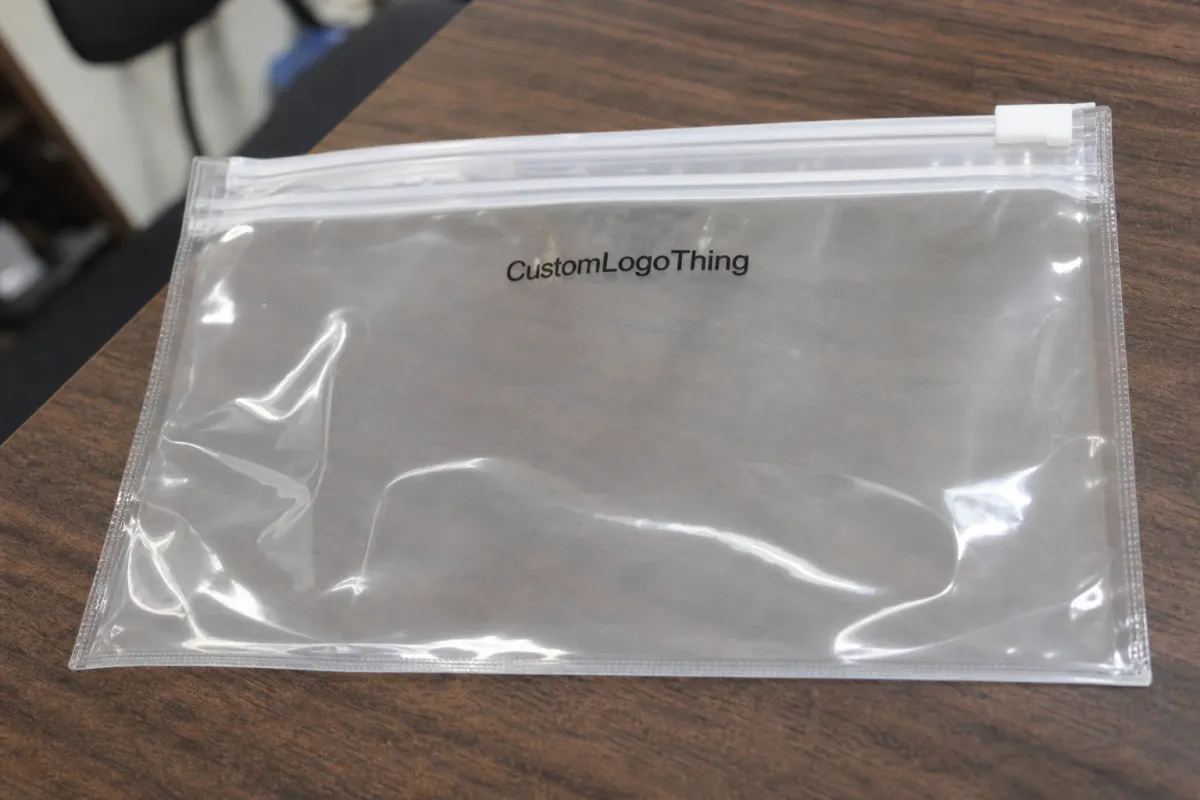
Begin with finished dimensions, not the nominal jar size on a drawing. A candle that measures 3.25 inches across may need more room once the lid, label, or wrap is included. Height matters too, because the slider track needs enough clearance so the closure does not crowd the top of the product. That is why candle slider lock bags Bulk Order Planning should start with a measurement sheet, not a price request.
How the candle is sold also changes the spec. A boxed candle can usually run closer to size because the corners are protected, while a loose candle needs more forgiveness so the packer does not scratch the surface or bend the label. If the pack includes a safety card, gift insert, or tissue, that should be measured into the bag from the start.
Slider closures are often chosen over simple tops because they are repeatable. In a pack room with mixed SKUs, a visible end point reduces partial closes and helps the bag look cleaner at retail. For boutiques, subscription programs, and private-label sets, that can matter as much as the protective function.
If the bag slows the line, the cheapest quote is expensive.
The practical question is not “What is the cheapest bag?” It is “What size and closure let the team move efficiently while still protecting the candle finish?” That framing usually leads to fewer revisions and a cleaner buy.
Material, closure, and print options that protect the candle finish
Clear film is the most common choice because candles are visual products. Buyers want the jar color, wax tone, label art, and embossed detail to remain visible. Film gauge should match the job: lighter films are more flexible, while thicker films add stiffness and a more substantial hand. For many candle programs, a 2.5 mil to 4 mil range is practical, but the final choice depends on weight, packing method, and whether the bag must stand in a display carton or shipper.
Closure performance matters just as much. A slider-lock should move smoothly without snagging, and the lock should feel secure enough that packers do not second-guess the seal. Too tight slows the line; too loose feels flimsy. Good candle slider lock bags Bulk Order Planning includes testing the actual slide force, not just reviewing a proof.
Printing should fit the channel. A one-color logo on clear film keeps cost down and still gives brand recognition. Full-panel artwork can make a stronger retail statement, but it raises setup effort and usually increases the MOQ. Warning copy, scent notes, or a short care statement may be worth adding if the bag is consumer-facing. If not, do not pay for extra ink coverage.
Common add-ons include hang holes, euro slots, tamper cues, and bottom gussets. Hang holes and euro slots help with peg display. Tamper cues can support a sealed presentation. A bottom gusset is not always necessary for candles, but it can help when the product needs more upright structure.
| Option | Typical use | Relative cost impact | Practical note |
|---|---|---|---|
| Stock clear slider-lock bag | Simple pack-out, no print | Lowest | Best for standard sizes and fast replenishment |
| Custom bag with one-color print | Private label, light branding | Moderate | Good balance of appearance and unit cost |
| Custom bag with full-panel artwork | Retail presentation, strong brand story | Higher | Needs cleaner artwork and a larger MOQ |
| Bag with add-ons | Hang display, special retail formats | Higher still | Confirm placement and tooling before quoting |
For technical validation, it helps to lean on packaging standards instead of guessing. ISTA guidance is useful when you want to think through distribution hazards, and ASTM-style film testing can help compare materials. For paper components in the same pack, FSC-certified options may matter if your brand makes fiber claims. Two useful reference points are ISTA and FSC.
Size, gauge, and spec checks that keep production accurate
For an accurate quote, send finished dimensions, not a category label. Include width, depth if relevant, height, and whether the candle is round, square, or tapered. Add label thickness, lid style, and any insert that ships with the product. A 3.0-inch jar with a thick wrap label may need a different bag than the bare glass would suggest.
Gauge and seal placement are the next checks. If the film is too light, the bag can feel flimsy during pack-out and show wear in transit. If it is too heavy, the closure can feel stiff and slow sealing. Seal placement matters because it determines headspace and how easily the candle slides in without catching corners.
Before bulk production, ask for sample approval on a real pack. Check slide force, closure alignment, clarity, print registration, and whether the candle can be inserted and removed without scuffing. If the candle has a fragile label or soft-touch coating, run a short drop or vibration check inside a filled case.
Warehouse handling should also be part of the spec. Confirm count per case, pallet pattern, and whether the bags ship flat or bundled. Flat-packed bags usually save cube, while bundled packs may speed counting if your line is set up for them. A clean carton label and spec sheet can prevent cross-docking mistakes.
Use this checklist for candle slider lock bags Bulk Order Planning:
- Finished candle dimensions, including label or wrap thickness
- Boxed or loose product configuration
- Desired film clarity and gauge range
- Closure style, hang feature, or tamper cue needs
- Case count, pallet pattern, and ship-to destination
- Sample approval requirements and target ship window
Cost, MOQ, and quote factors that change unit cost
Pricing is usually driven by five variables: material thickness, bag size, print colors, slider style, and volume. A larger bag uses more film, a thicker gauge uses more resin, and more print colors add setup time and press work. If the bag needs a custom slider component or a special display feature, that can change tooling as well.
MOQ works differently for stock-style bags and custom-printed programs. A plain clear slider bag in a common size may have a lower minimum, while a printed version often needs a higher run to spread setup cost. In practice, increasing quantity a little can lower the unit price enough to justify the extra inventory, especially for a repeat seller.
When comparing quotes, ask for the same quantity break on each option. That keeps the comparison honest. Standard sizes are usually cheaper than odd dimensions, fewer print colors simplify production, and consolidated freight can reduce shipping cost if timing allows. If the bag will be packed into a carton immediately, you may not need premium display features that only matter for hanging retail.
Include dimensions, quantity, artwork files, destination, and target ship date in the RFQ. Those five items prevent most back-and-forth. If you also know whether the order is for a launch or a reorder, say so. A reorder often allows a cleaner estimate because the supplier can work from an approved spec.
| Cost driver | Why it changes price | Buyer action |
|---|---|---|
| Bag size | More film used per unit | Quote from finished product dimensions |
| Gauge | Thicker film uses more material | Match thickness to handling and shelf needs |
| Print coverage | More setup and press time | Keep artwork focused where it matters |
| MOQ | Setup cost spreads across fewer or more bags | Check pricing breaks before final approval |
| Freight method | Air, ocean, and truck all price differently | Align delivery window with the transport plan |
Process, timeline, and lead time from proof to shipment
The usual sequence is inquiry, spec review, artwork prep, preproduction proof, sample approval, production, inspection, and freight booking. The delays usually happen between stages, not during machine time. If artwork is late, the proof is late. If dimensions change after proofing, the schedule moves again. candle slider lock bags Bulk Order Planning works best when each approval is locked before the next stage begins.
Lead time depends on what is already decided. Simple jobs with ready artwork and a standard size can move faster than orders that need multiple mockups or a new closure arrangement. Material availability matters too, especially during seasonal spikes. If the order must move by ocean freight, build that time into the plan from day one. If the deadline is tight, ask early whether air freight or split shipping is practical.
The first approvals should be dimensions, artwork, closure spec, carton count, and ship window. Once those are set, status updates become more useful because the supplier and buyer are tracking the same milestones. A weekly update with proof status, production start date, inspection timing, and booked freight is enough for most teams.
If the order is tied to a launch date, ask for a milestone calendar so warehouse space and sales timing can be planned around it. For buyers who need a broader sourcing view, our Wholesale Programs page is a useful starting point for understanding order structure, and our FAQ can help with common purchasing questions before you send an RFQ.
Supplier controls that reduce waste, rework, and late deliveries
A supplier’s quality controls matter more than most buyers expect. Dimensional checks keep the bag from arriving too tight or too loose. Film consistency protects the look and feel from lot to lot. Seal verification helps catch weak closures before shipment. Print inspection matters because candle packaging is often giftable, and a small registration error can make the product look tired.
Ask how the supplier handles overruns, shortages, and replacement pieces. No bulk program is perfect, and the better partners are clear about what happens if a count is short or a small portion of the run needs to be remade. Buyers should also ask what tolerance applies to size and print so there is no dispute later.
Documentation is part of the control system. You want a spec sheet, approved proof, carton labeling, and an accurate packing list. Those documents help receiving and inventory teams handle the order without confusion. If the candle line is seasonal or private label, that paper trail matters because the same SKU may need to be reordered quickly.
Retail-ready packaging should reflect the channel, not just the sample photo. An e-commerce candle may need more transit protection, while a boutique retail bag may need better shelf presence. Those are different jobs, and the best orders reflect that difference from the start. That is where experienced candle slider lock bags bulk order planning saves waste, reduces rework, and lowers the odds of a rush freight fix.
Next steps for a candle slider lock bags bulk order
Collect three essentials first: candle dimensions, expected quantity, and print needs. If you have those, a supplier can usually tell you quickly whether the job fits a standard size, needs a custom build, or should be adjusted to a better commercial dimension. A sample or a photo with a ruler in frame can save another round of guessing.
Request a sample size or spec match before locking the order. A closure that feels smooth in theory can feel stiff in real use, and a bag that looks generous on a drawing can become tight once the label and insert are added. A quick sample check is cheaper than a correction after production.
Use this short purchasing checklist:
- Confirm MOQ and pricing breaks
- Approve dimensions and closure style
- Lock artwork and proof timing
- Set lead time and freight method
- Confirm payment terms and ship window
The best candle orders are usually the ones planned with enough discipline to avoid surprises, but not so much complexity that the team loses speed. If you keep fit, finish, MOQ, and timing in view, candle slider lock bags bulk order planning becomes much easier to manage and less expensive to fix later.
How do I estimate quantity for candle slider lock bags bulk order planning?
Start with launch volume, then add coverage for sampling, pack-out waste, and a reasonable amount of warehouse damage risk. If demand is seasonal, build in safety stock so you are not forced into an emergency reorder. Compare your target quantity against the supplier MOQ early, because that can change the pricing tier and shipping plan.
What bag specs matter most for candle slider lock bags?
Finished candle dimensions matter most, followed by any label, lid, or wrap thickness. Film gauge affects clarity, stiffness, and how the slider-lock closes during packing. Seal placement and headspace determine whether the candle slides in cleanly without stress on the edges. If the order moves through a busy warehouse, case count and pallet pattern matter as well.
How does printing affect price on a bulk order?
More print colors usually mean higher setup cost and more press time. Larger coverage areas can raise material use and production complexity. Artwork changes after proofing can add delay and sometimes extra prepress cost. Longer runs often lower unit price because setup is spread across more bags.
What is a practical lead time for a custom order?
Lead time depends on proof approval speed, material availability, and the production queue. Simple jobs with ready artwork move faster than orders that need sizing changes or multiple proof rounds. Freight method matters too, because air, truck, and ocean all change the total timeline.
What should I send for an accurate quote?
Send finished product dimensions, quantity, and whether the candle is boxed or loose. Include material preference, print requirements, and any special features like hang holes or tamper cues. Add destination, target delivery date, and carton or pallet expectations so freight can be estimated correctly. If you can share artwork files and a reference sample, the quote will usually match the real build much more closely.

