Ceramic studio paper shopping Bags Unit Cost is usually the first number buyers ask for, but it is rarely the number that determines whether the order was worth placing. A bag that looks inexpensive can still be costly if it collapses under a set of mugs, prints poorly on kraft stock, or forces a last-minute reprint after the proof is already approved.
The better question is less glamorous and much more useful: what does the finished bag cost after setup, freight, sampling, and the risk of damage are included? That is the figure that affects margin, checkout experience, and how confidently the studio can hand off a fragile purchase.
For ceramic retail, the bag is part protection, part presentation, and part operational tool. It has to move quickly at the register, support awkward shapes, and still look like it belongs to the brand. If any one of those fails, the unit price stops mattering very much.
Ceramic Studio Paper Shopping Bags Unit Cost: What Buyers Miss
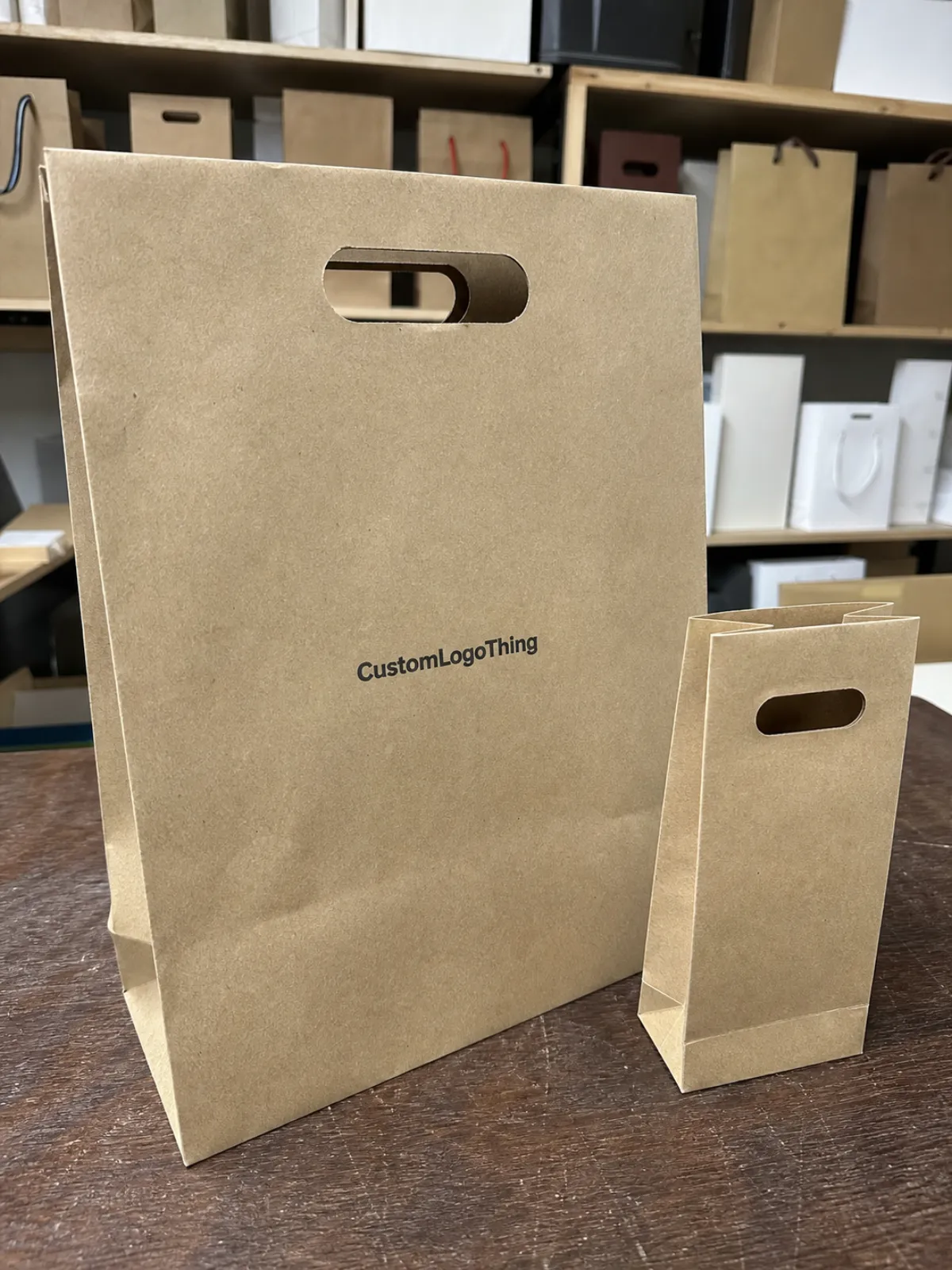
Most buyers start with a quote and compare the printed price per bag. That is useful, but incomplete. The quote may omit shipping, plate charges, dieline work, or carton packing fees, and those additions can change ceramic studio Paper Shopping Bags unit cost enough to alter the decision entirely.
There is also a difference between a bag that is merely cheap and a bag that is suited to ceramic merchandise. A weak bag may save a few cents on paper, then fail on the floor after a customer leaves with a heavy mug, a small bowl, or a boxed gift set. The replacement cost is not just the bag. It is the repack, the time spent on the floor, and the impression left behind.
Ceramic studios usually get better results when they think in landed cost. That means the true total after production, freight, and likely waste are folded in. A studio that ships nationally or buys seasonal stock should also consider storage, because cartons of bags occupy space long after the invoice is paid.
A bag that survives checkout is cheaper than a bag that fails on the sidewalk.
Another piece many buyers miss is fit. An undersized bag can look elegant on paper and still be useless for a rounded mug or an awkward hand-thrown bowl. An oversized bag solves the fit problem but raises cost per piece and leaves the product sliding around inside. For ceramics, exact enough usually beats premium-looking but vague sizing.
The most reliable orders are the ones that start with the product itself. Weight, shape, and how the item is packed should drive the bag spec, not the other way around. If the shop sells a mix of mugs, small plates, candle holders, and boxed sets, it is often smarter to define two or three bag sizes than to force one size to do everything.
Bag Styles and Print Options That Fit Ceramic Retail
Flat-handle, twisted-handle, and rope-handle bags each belong to a different level of use. Flat handles are usually the most economical and work well for lighter items such as ornaments, soap dishes, or single small pieces. Twisted handles are the practical middle ground: familiar in retail, decent in the hand, and strong enough for many ceramic purchases. Rope handles cost more, but they suit premium packaging where the bag itself should feel part of the gift.
Size choice matters as much as handle choice. A small bag may be perfect for a cup or accessory. Mid-size bags usually fit mugs, candle holders, and compact bowls. Larger bags are reserved for plate sets and bundled purchases, though oversizing should be avoided unless the merchandise really needs it. Bigger bags mean more paper, more volume in storage, and higher unit cost.
Print options can shift both appearance and price more than buyers expect. A one-color logo on kraft is usually the most controlled route. It reads clearly, keeps the order disciplined, and fits a handmade ceramic identity well. Full-panel printing, interior print, or a second color can add presence, but each step should earn its place. Decorative options that do not support the product story are just added expense.
Uncoated kraft stock often matches ceramic retail because it feels honest and tactile. That pairing works especially well for stoneware, wheel-thrown forms, and glazes with natural variation. A smoother coated stock or laminate can be a better fit for brighter visual systems or for studios that want the bag to feel more polished and giftable. Neither is automatically right. The best choice depends on what the bag should signal at the counter.
There is a workflow benefit too. A clean, well-sized custom bag speeds checkout and makes packing simpler for staff. If the team can place a mug, receipt, and small card without repacking, the bag is doing its job. If they need to wedge products around the gusset or double-bag every other order, the spec needs another look.
Paper Weight, Handles, and Reinforcement Specs That Matter
Paper weight is the first structural decision that affects performance. A light bag may look fine in a sample photo and still sag once a dense ceramic piece is loaded inside. Heavier paper reduces stretch, helps the base stay flat, and lowers the risk of seam failure during handoff. For ceramic retail, that is not a minor detail.
Many studio buyers look at kraft or art paper in the 150gsm to 250gsm range. The right end of that range depends on the bag size and what it has to carry. A single mug does not demand the same construction as a boxed dinnerware set. Still, the handle attachment, side folds, and bottom panel need to be matched to the actual load, not to a generic retail standard.
Gusset width deserves more attention than it gets. Ceramic items are often round, bulky, or irregular, so width can matter more than height. A wide gusset gives bowls and mugs room to settle naturally and can be the difference between a clean fit and a stressed seam. Buyers sometimes overfocus on vertical dimensions, then discover the bag is tall enough but too narrow to be useful.
Reinforcement should be checked at the top fold, the handle attachment points, and the base. Those are the places where stress concentrates. If the studio expects customers to carry two or more pieces at once, ask for a stronger base insert and reinforced carry points. Small improvements in structure usually cost less than handling the fallout from a split bottom panel.
Handle selection should follow the same logic. Twisted paper handles are efficient and usually adequate for light to moderate loads. Rope handles feel better and can support a more elevated brand position. Flat handles are fine for lower-cost formats, though they are less often chosen for ceramic shops that want a premium presentation.
Artwork and structure are linked. Fine lines, small typography, and tight registration are harder to execute on textured kraft than on smoother stock. Logo placement, bleed, and color targets should be locked before production starts. If the shop wants the same bag to be reordered later, save the dieline, art file version, and print notes in a place that will actually be used.
For material and fiber sourcing, ask for documentation instead of relying on loose wording. If certification matters to your customer base, request the paperwork that confirms it. For transit and handling, packaging teams often judge strength against practical drop and compression expectations rather than assuming a bag will survive because it looks sturdy. With ceramics, the bag should be tested against actual weight, not just appearance.
Pricing, MOQ, Quote Breakdown, and Unit Cost Drivers
Quantity is usually the largest driver of ceramic studio Paper Shopping Bags Unit Cost. After that come paper stock, handle style, print coverage, finish, and shipping distance. The most useful surprise for buyers is tHat Unit Cost often falls faster than expected once the run size increases enough to spread setup charges across more pieces.
MOQ is not only a supplier rule. It is a pricing lever. A larger order can reduce per-piece cost because the fixed charges are divided more efficiently. If the studio knows it will reorder the same design several times a year, a higher MOQ can be rational. If the product line changes often or the bag design is still in flux, a smaller run may be safer even if the unit cost is higher.
Setup charges are where low quotes become misleading. Plate making, print setup, proofing, dieline preparation, and carton packing can all sit outside the headline number. Compare quotes on the same spec or the exercise becomes decorative. Two bags that both say “custom kraft paper shopping bag” can differ in paper weight, handle construction, print method, and freight treatment.
| Quantity tier | Typical unit cost range | What usually changes | Best fit |
|---|---|---|---|
| 1,000 bags | $0.45-$0.85 | Higher setup cost per piece, fewer scale benefits | Seasonal tests, new stores, small product drops |
| 3,000 bags | $0.26-$0.48 | Better spread of setup charges, more room for simple print upgrades | Growing studios, pop-up programs, gift-heavy retail |
| 5,000 bags | $0.18-$0.36 | Stronger bulk pricing, smoother reorder economics | Stable brand programs, multi-location use, holiday stock |
| 10,000 bags | $0.14-$0.28 | Best scale pricing, but more inventory tied up | Higher-volume studios, wholesale gifting, longer replenishment cycles |
These are planning ranges, not promises. A simple one-color kraft bag and a laminated rope-handle bag are not priced the same even at the same quantity. Still, the table shows the pattern most buyers see in practice: larger orders lower the unit cost, but only if the studio can store and use the inventory before it ages into dead stock.
Freight should be treated as part of the bag price, not a separate afterthought. A quote that looks competitive can stop being competitive once cartons cross borders, ports, or multiple distribution steps. For that reason, a landed-cost comparison is more reliable than a base-price comparison. It also makes it easier to justify choosing a slightly stronger spec when the ceramics inside are expensive or fragile.
For shops with busy seasons, a bag order should align with sell-through speed. Buying 10,000 pieces is efficient only if the studio actually uses them. A better number with a slightly higher unit cost can still be the safer decision if storage is tight or the bag design may change in the next quarter.
Production Steps and Turnaround for Studio Launches
The production path is usually straightforward: quote, artwork submission, proof review, sample approval, production, packing, and shipment. The process only feels simple when the inputs are clean. If the size is still being debated, the logo file is incomplete, or the team keeps revising handle style after the proof stage, the schedule will stretch.
Most delays come from the same handful of issues. Missing dielines, unclear color references, late changes to the logo, and slow approval are the common ones. A bag order that is finalized at the same time as a product launch is more likely to create urgency than clarity.
Turnaround depends on quantity and print complexity. Smaller, simpler orders can often move in about 10 to 15 business days after proof approval. Larger or more detailed orders may need 15 to 25 business days, and specialty finishes can take longer. It is better to build in slack than to assume the schedule will compress once production begins.
A practical timeline matters because ceramic retail often follows seasonal bursts. Holiday restocks, maker fairs, gallery openings, and wholesale shipments all compress demand. Planning the bag order alongside inventory keeps the packaging from turning into a last-minute purchase, which is usually how expensive freight and approval mistakes show up.
Strong approvals save time later. Confirm the final art file, size, quantity, delivery address, carton count, and color target before sign-off. Each change after that point can add cost. Once the proof is accepted, the order should move with as few interruptions as possible.
Why Custom Bags Outperform Generic Retail Alternatives
A plain stock bag gets the item out the door. A branded one does more work. It supports the price perception of the ceramics inside, and that matters in a category where craftsmanship, finish, and presentation already carry much of the value. The bag becomes part of the product story the moment the sale is made.
That effect shows up quickly with gift purchases. A mug set or small bowl set looks more complete when the packaging matches the studio identity. Customers notice if the bag feels deliberate. They also notice when the packaging looks borrowed from somewhere else.
For multi-location studios, branded bags reduce inconsistency. One format can serve in-store purchases, pop-ups, and wholesale handoffs without making the brand feel fragmented. It also simplifies inventory management. Instead of storing a stack of mismatched generic sizes, the team can stock a bag sized to the ceramic SKUs that actually move.
There is a quieter benefit too. The bag moves through public space after the sale. It leaves the shop, rides in a car, appears on sidewalks, and is seen by people who may never visit the store. That is useful brand exposure, but only if the bag looks intentional enough to be remembered.
The economics still need to make sense. Custom packaging is not valuable because it is decorative. It is valuable because it supports the retail moment, reduces handling friction, and keeps fragile items protected. If a slightly higher unit cost buys a stronger bag, better print control, and fewer customer complaints, the trade is usually justified.
Artwork Checks, Sampling, and Approval Mistakes to Avoid
Small artwork issues become obvious on paper bags. A logo that looked centered on screen can sit too low on the panel. Fine lettering can fill in on textured kraft. A color that seemed warm and rich in a mockup can print flat once it hits the stock. Checking those details early keeps the order from turning into an expensive correction.
Sampling is worth doing, especially for ceramics. Do not inspect the sample empty and call that good enough. Put the actual merchandise in it. A mug, a bowl, or a boxed set will reveal handle strain, base sagging, and whether the bag still looks composed once the weight is inside. That test is often more honest than any file proof.
One common mistake is approving a size from a single item. A bag that fits one mug may fail on a wrapped bowl or a two-piece gift set. Better to test the widest item, the tallest item, and the most awkward shape in the line. That small habit prevents the shop from paying twice for the same mistake.
Before final approval, check the following:
- Logo version, color values, and minimum line thickness
- Final dimensions, gusset width, and handle style
- Quantity, delivery address, and required ship date
- Carton count, packing method, and storage needs
- Sample fit using the actual ceramic product, not just a visual check
One extra review is cheaper than replacing a full production run. That is true whether the problem is visual, structural, or logistical. For a ceramic studio, a bad bag order is not a small packaging error. It is a retail inconsistency that shows up at the counter.
Traceable fiber sourcing can help if the brand wants cleaner documentation. FSC paperwork is one useful check, provided the supplier can support the chain of custody properly. For handling performance, basic drop and compression thinking is more useful than vague strength claims. Bags should be judged by how they behave with the real merchandise inside.
Next Steps to Lock In Your Studio Bag Order
Start with the details that affect Pricing and Fit: exact size, paper stock, handle type, quantity, artwork file, and finish. A clear spec sheet usually produces a cleaner quote on the first pass and reduces the kind of back-and-forth that slows small packaging projects down.
Request pricing at two or three quantity tiers so the unit cost curve is visible. Sometimes the move from 3,000 to 5,000 bags creates enough savings to justify a larger order. Sometimes it does not. The right answer comes from comparing landed cost against likely sell-through, not from chasing the lowest number on the page.
If the bags will carry heavier ceramic items, ask for a sample or proof before committing to the full run. Structure matters more than a small price difference. A bag that holds its shape under real weight usually pays for itself through fewer repacks and fewer awkward moments at checkout.
Build reorder timing around the periods that actually create demand. Holiday traffic, gallery weekends, fairs, and wholesale drops can empty a carton faster than expected. A reorder trigger keeps the studio from discovering it is out of bags at the worst possible time.
The final decision should be simple: compare the finished quote, confirm the timeline, and approve the bag only if the spec matches the product and the budget. If the unit cost is right but the construction is wrong, the savings are false. If the bag performs well and the quote is honest, the order is usually ready to move.
What affects ceramic studio paper shopping bags unit cost the most?
Quantity usually has the biggest effect, followed by paper weight, handle type, print coverage, and freight. Setup charges can also move the landed cost more than buyers expect. A stronger bag may cost a little more upfront, but it can prevent damage and repacking costs later.
What MOQ should a ceramic studio expect for custom paper bags?
MOQ depends on size, print method, and the level of customization, but larger runs generally create a better per-bag price. If your studio sells the same bag year-round, a higher MOQ can make sense. If the line changes often, a smaller run may be safer even at a higher unit price.
Which bag size works best for mugs and small ceramic sets?
Choose the size based on the widest and most awkward item, not only the tallest one. Mugs often need more gusset depth than buyers expect. Boxed sets may need extra height and stronger handles, so test the bag with the real product before approving production.
How long does production usually take after artwork approval?
Simple orders can often ship in about 10 to 15 business days after proof approval, while more complex runs may take 15 to 25 business days or longer. Final timing depends on quantity, print complexity, and the current production queue. Approval delays usually extend the schedule more than the factory run itself.
Can I get a sample before I place a full order?
Yes, and it is the safest way to confirm structure, color, fit, and handle comfort. A sample matters most for heavier ceramics or gift packaging. Test it with actual items inside the bag, not just by looking at it empty.

