A retail bag may be carried for 17 minutes. If it lands in a car, office, gym locker, apartment lobby, or break room, the logo keeps working after the receipt is gone. That is the practical case for cheap Personalized Plastic Bags: low-cost packaging that can carry the purchase and the brand at the same time.
The goal is not to find the thinnest bag that technically exists. That is how handles fail and staff start double-bagging. The better goal is boring but profitable: Choose the Right plastic shopping bag for the product, the customer, the route home, and the budget.
Custom Printed Plastic Bags can help retail, event, food service, and fulfillment teams control presentation without moving into expensive rigid packaging. They are also easy to get wrong. Wrong size. Wrong gauge. Wrong handle. Bad artwork. Surprise freight. The usual little disasters.
Why Cheap Personalized Plastic Bags Can Outperform Plain Stock Bags
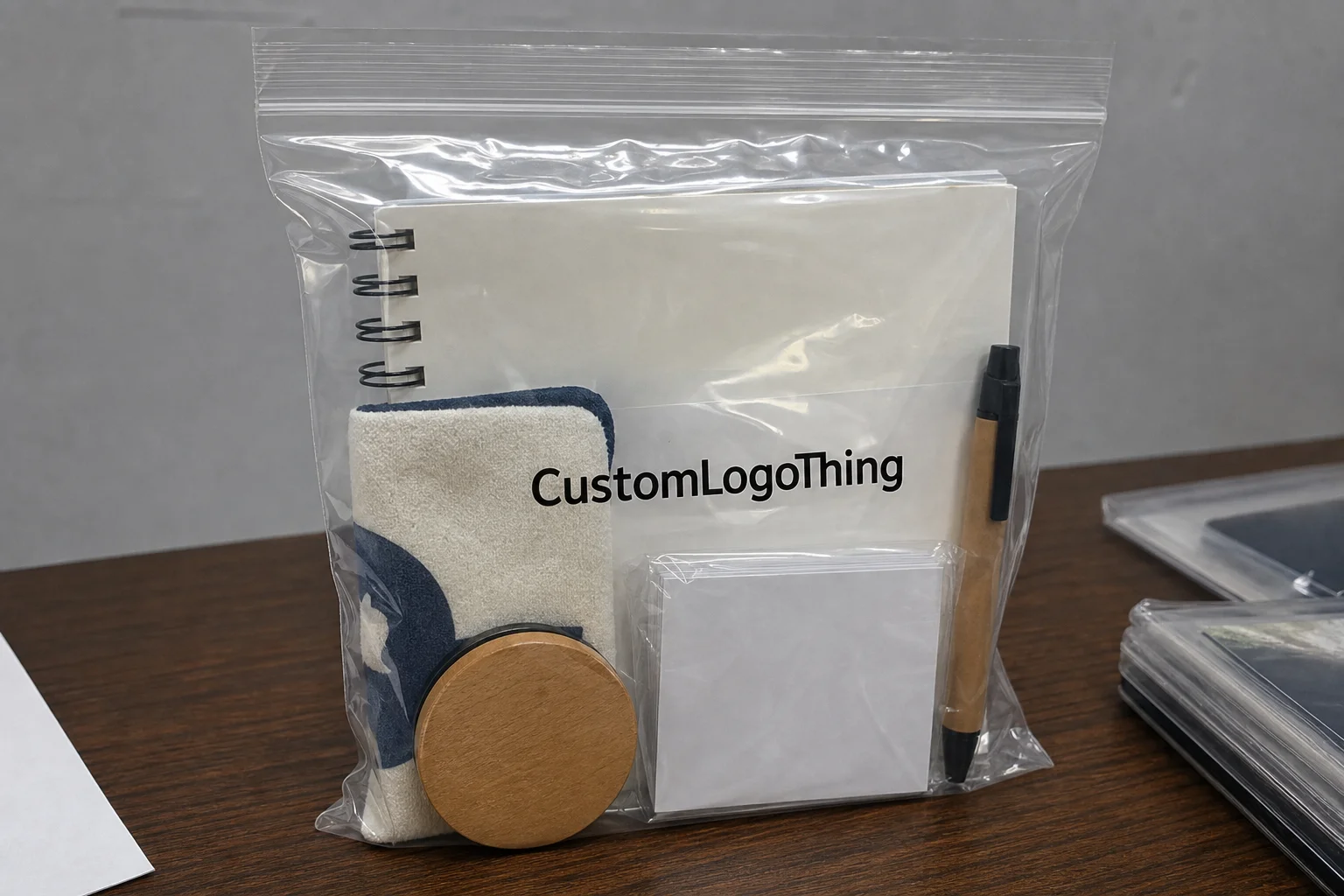
Plain stock bags solve one job: carrying. Printed bags do that and add brand recall, store identity, reorder prompts, QR codes, event messaging, and sometimes required warnings or recycling language. The plastic may be nearly identical. The business value is not.
Picture a pop-up shop or trade show table. A blank white merchandise bag disappears into the crowd. A printed die-cut handle bag with a clean one-color logo identifies the booth, moves across the venue, and reaches people who never walked past the display. That is not mystical branding theory. It is exposure. A bag goes places a sign cannot.
The value equation is simple: low unit cost + useful branding + functional carrying strength. Remove one piece and the order weakens. A sharp-looking bag that tears under a few pounds hurts trust. A strong bag with muddy artwork wastes print spend. A cheap quote with late-added plate, proof, or freight charges is not actually cheap.
Personalized Plastic Bags make sense for apparel boutiques, bakeries, salons, trade shows, takeout counters, cannabis retailers where legal, pop-up shops, event merchandise, ecommerce inserts, and product sample kits. Each use case has a different stress point. Apparel needs volume. Bakery packaging needs clean presentation. Trade show bags need width for brochures without overbuilding the gauge. Takeout packaging needs depth, handle strength, and sometimes local compliance language.
Packaging buyer rule: cheap should mean efficient material, smart sizing, and the right print method. It should not mean weak handles, smeared ink, poor fit, or vague fees that appear after approval.
Most buyers treat plastic bags like a commodity until one fails. Then the bag becomes the most visible part of the purchase. A handle stretches. A box corner pokes through the side. A logo prints soft because the artwork came from a website screenshot. Nobody enjoys learning packaging specs from a customer complaint.
A disciplined bag order is usually cheaper over the full run. Measure the product stack. Match the gauge to the carry weight. Use artwork that can print cleanly. Keep the print simple unless the brand has a real reason to pay for complexity.
Bag Styles, Materials, and Print Choices That Keep Orders Affordable
Bag style sets the cost structure before the logo enters the conversation. A standard die-cut handle bag is often one of the most cost-controlled options for lightweight retail goods. Patch handle bags add reinforcement around the hand opening. Soft loop handle bags feel more premium and can carry more, but the handle construction adds cost. T-shirt bags are common in grocery, counter-service, and takeout settings. Drawstring Plastic Bags work for kits, swimwear, event packs, and product bundles. Zipper bags protect smaller items, samples, and accessories. Flat merchandise bags are efficient for apparel and light retail products.
Material changes both feel and price. LDPE is softer, more flexible, and common where the bag needs a smoother retail feel. HDPE is crisper and can be economical for lighter-duty bags. Frosted plastic gives a more refined look without always jumping into luxury packaging costs. Recycled-content and biodegradable options may be available depending on style, thickness, print method, and local requirements, but buyers should confirm supply before building a launch date around them.
Print choice is the next cost gate. One-color logo printing is usually the lowest-cost option for cheap personalized plastic bags because setup is simpler and production is more predictable. Two-color designs can improve recognition, especially when the brand uses a strong palette. Full-color printing supports gradients, photography, or campaign graphics, but it usually needs better artwork, more review, and a larger budget.
Several features raise the number fast: thicker gauge, side or bottom gussets, reinforced handles, metallic ink, flood print backgrounds, special finishes, custom color matching, two-sided printing, and rushed small batches. None of these are automatically bad. They just need to earn their place in the spec.
| Bag Option | Best Fit | Cost Impact | Buyer Watchout |
|---|---|---|---|
| Die-cut handle bag | Boutiques, events, light retail goods | Low to moderate | Needs enough thickness around the handle opening |
| Patch handle bag | Apparel, gift items, mid-weight products | Moderate | Patch placement should not crowd the logo area |
| Soft loop handle bag | Premium retail, beauty, gift packaging | Moderate to higher | Handle color and attachment can affect lead time |
| T-shirt bag | Counter service, groceries, takeout | Low | Local bag rules may restrict use, fees, or thickness |
| Zipper bag | Samples, accessories, ecommerce inserts | Moderate | Closure quality matters if products are stored or reused |
Most buyers control cost by choosing a standard size, one or two ink colors, and repeatable logo placement. Size deserves more attention than it usually gets. A bag that is too small feels cheap immediately. A bag that is too large wastes plastic on every order and makes a modest purchase look sad inside the packaging.
If the order is for a mixed product line, do not size the bag around the smallest item. Also do not size it around the single largest item that sells twice a month. Use real purchase patterns. A boutique may need one everyday bag and one larger bag for coats or gift boxes. A bakery may need a gusseted bag rather than a taller flat bag. That decision changes the customer experience more than another inch of logo width.
Specifications Buyers Should Confirm Before Requesting a Quote
A quote is only as accurate as the specs behind it. Send a supplier a vague request for “custom bags,” and the price will either be padded for uncertainty or revised later. Neither result helps the buyer.
The quote-critical details are direct: bag width, bag height, gusset, handle type, material type, thickness, print colors, print area, order quantity, and shipping destination. If the bag needs to hold a box, include the box dimensions. If customers often carry two products together, include the stack height and combined weight. Tissue paper, inserts, receipts, hangtags, cartons, clamshells, and sauce containers all add real volume.
Thickness needs practical language, not guesswork. Lightweight bags can work for brochures, soft goods, small cosmetics, or flat apparel. Heavier products need stronger plastic and better handle reinforcement. A 1.5 mil LDPE bag may be reasonable for light boutique use. A 2.5 mil to 3 mil option may fit boxed goods, multiple garments, or products with harder edges. The right choice depends on structure, size, and carry weight, not the number alone.
Do a basic load check before approving a spec. Put the intended products in a similar bag, carry it by the handle, and watch what happens around the hand opening, side seams, and bottom corners. If the bag stretches badly or the product corners create pressure points, the final order needs a different gauge, better reinforcement, a gusset, or a better-fitting size. This is not glamorous. It prevents expensive nonsense.
Sizing affects both cost and customer experience. A 10 x 13 inch bag can suit cosmetics, accessories, small books, or compact retail items. Apparel, gift boxes, takeout containers, and folded sweatshirts often need larger footprints, sometimes with a gusset for depth. Measure the product stack, not the product alone. That one habit prevents many wrong-size orders.
Artwork files are another filter. Vector logo files such as AI, EPS, or print-ready PDF usually produce cleaner edges than low-resolution screenshots, copied social graphics, or flattened JPEGs pulled from a website header. If exact brand color matters, provide Pantone references or approved color values, then ask whether the chosen print method and plastic material can hold that color consistently. Ink on clear, white, frosted, and colored plastic will not always behave the same way.
Compliance should be discussed early. Suffocation warnings, recycling marks, cannabis packaging rules, food-adjacent labeling, and local bag regulations can affect wording, size, placement, thickness, or permitted materials. For recyclability and waste guidance, the U.S. Environmental Protection Agency provides useful background on materials management at epa.gov/recycle. For transport testing concepts, buyers shipping filled bags or bagged products can review distribution standards through ISTA.
Pricing, MOQ, and Unit Cost: What Actually Moves the Number
Unit cost usually falls as quantity rises because setup, plates, artwork processing, press preparation, and machine time are spread across more bags. That does not mean every buyer should over-order. It means quantity breaks matter. Ask for them before deciding.
MOQ means minimum order quantity. The number depends on bag style, size, print method, material availability, and production setup. A standard one-color plastic merchandise bag may have a lower practical entry point than a custom-size frosted soft loop handle bag with two-sided printing. The machine does not care that the order is for a small launch. Setup still takes time.
The main cost drivers are plastic thickness, bag dimensions, number of print colors, side or bottom gussets, handle construction, custom color matching, rush timing, and freight. Freight can matter more than expected because plastic bags are often light but bulky. Carton count, destination ZIP code, and shipping speed can change the landed cost quickly.
A useful comparison: a one-color die-cut handle bag in a standard size will generally price lower than a thick frosted soft-loop bag with two-sided multi-color printing. The first order has fewer production variables. The second adds material feel, handle labor, print complexity, and more inspection points.
Cheap personalized plastic bags are not the same as the lowest quoted bags. Weak bags can force staff to double-bag purchases, which cuts the apparent savings in half. A bag failure can damage a product, slow the checkout line, and create a customer complaint that costs more than the packaging difference. If a stronger option adds a small amount per unit but prevents double-bagging, the better bag may be the cheaper choice.
Actual per-unit pricing varies by market conditions, resin costs, quantity, print method, and freight. As a rough buying expectation, simple high-volume Printed Plastic Bags often land in the low cents to lower double-digit cents per unit, while thicker retail bags with reinforced handles, gussets, or more complex printing can move higher. Treat any broad price range as a starting point, not a quote. Specs decide the number.
Send the right information for an accurate quote: intended use, product dimensions, estimated carry weight, preferred size, artwork, quantity tiers, delivery ZIP code, and must-have deadline. If the order supports an event, include the event date and the last acceptable delivery date. Those are not always the same, and pretending they are is how rush freight gets invited to the party.
| Cost Driver | Lower-Cost Direction | Higher-Cost Direction | Practical Buyer Move |
|---|---|---|---|
| Print colors | One-color logo | Full-color or multi-color coverage | Use one strong brand color if budget is tight |
| Bag size | Standard dimensions | Custom oversized format | Measure products before requesting custom sizing |
| Thickness | Light-duty gauge | Heavy gauge or reinforced construction | Match thickness to carry weight, not guesswork |
| Handle type | Die-cut or T-shirt style | Soft loop or reinforced patch | Upgrade only if weight or presentation requires it |
| Timing | Standard production window | Rush production and expedited freight | Approve proofs quickly and order before the deadline gets expensive |
Process and Timeline From Artwork to Delivered Plastic Bags
The standard process has more steps than many first-time buyers expect: inquiry, spec confirmation, quote, artwork review, digital proof, approval, production, quality check, packing, and shipping. Skip a step and the risk moves downstream.
The production clock usually starts after proof approval, not after the first email. That distinction causes missed event deadlines. A buyer may send an inquiry on Monday, but if the logo file is unusable until Thursday and proof approval lands the following week, production has not truly started. The press schedule follows approved details, not intent.
Common delays include low-resolution logos, unclear dimensions, last-minute color changes, unpaid invoices, custom material sourcing, and shipping bottlenecks. Color changes are especially disruptive if plates, screens, or ink planning have already been prepared. Vague approvals also slow things down. “Looks good, but maybe make the logo larger” is not approval. It is a revision request wearing a fake mustache.
Build the timeline backward from the fixed date. If the bags are for a store opening, launch shipment, trade show, festival, or restock, identify the date they must be in hand. Then leave room for proofing, production, transit, receiving, and internal distribution. For many Custom Printed Plastic bag orders, think in business days, not calendar optimism. Simple repeat orders may move faster. New structures, new artwork, or special material requests can take longer.
Proofing is not decoration. It is a risk-control step. The proof confirms logo placement, orientation, ink color, spelling, bag style, and print area before production begins. Read it like a contract. Check the phone number. Test the QR code. Confirm front versus back. Verify whether the logo is centered on the bag face or aligned to a handle feature.
Quality checks should match the order’s risk. For a basic one-color merchandise bag, the focus may be print clarity, count, color, and bag dimensions. For a heavier retail bag, handle attachment, seam strength, gusset depth, and print registration matter more. For zipper bags, closure function needs attention. If the bag is meant for food-adjacent or regulated products, label placement and warning copy cannot be an afterthought.
Rush production can be possible for simple repeat orders, especially if the same bag style, plate, and artwork are already confirmed. It is not guaranteed for every material, print method, or quantity. Buyers usually save more money by avoiding rush conditions than by negotiating hard after the schedule is already compressed.
How Custom Logo Things Helps Buyers Avoid Costly Bag Mistakes
Custom Logo Things works as a packaging manufacturer, not just a catalog checkout page. That matters because the right answer is rarely “pick the cheapest SKU.” The right answer starts with use case: what the bag holds, how far it travels, how it is carried, what the brand needs to communicate, and what budget ceiling the buyer cannot cross.
The team reviews weight, dimensions, artwork, budget, and deadline before recommending a bag style or thickness. That fact-based approach prevents common errors. A salon may not need a heavy soft-loop bag for small bottles, but it may need a better-looking frosted material. A bakery may need a gusset more than a thicker flat bag. An apparel seller may need a larger merchandise bag with clean one-color print rather than a crowded two-color design on an undersized format.
Custom manufacturing gives buyers control over size, handle type, material feel, and logo placement. That is valuable in real retail and fulfillment conditions, where products rarely behave like neat catalog photos. A boxed candle has hard corners. A hoodie expands after folding. A takeout container needs depth. A trade show kit may include brochures, samples, and a bottle in one bag. The structure has to respect those facts.
Quality-control checkpoints reduce expensive surprises. Artwork checks catch poor file quality before print. Proof review confirms placement and orientation. Material review helps match thickness and handle style to product weight. Print alignment checks protect brand presentation. Packing review helps confirm count, cartons, and shipping readiness.
The commercial benefit is concrete: fewer reorders caused by wrong sizing, fewer handle failures, cleaner logo reproduction, and more predictable landed costs. A bag that arrives on spec supports the product and keeps the brand visible at a controlled unit cost. That is the whole sell. Not hype. Operational predictability.
Next Steps Before You Order Personalized Plastic Bags
Before requesting a quote, collect the details that drive price and production. The fastest quotes usually come from buyers who send complete information at the start. The slowest ones begin with a photo and the phrase “something like this.”
- Product dimensions: width, height, depth, and the size of the full product stack.
- Estimated carry weight: include multiple-item purchases if customers often buy bundles.
- Preferred bag style: die-cut, patch handle, soft loop, T-shirt, drawstring, zipper, or merchandise bag.
- Artwork file: vector AI, EPS, or PDF whenever possible.
- Order quantity: request two or three quantity breaks to compare unit cost.
- Delivery ZIP code: freight affects landed cost and timing.
- Deadline: include the must-arrive date, not just the event date.
Ask for quantity breaks such as an entry quantity, a mid-range quantity, and a larger run. Sometimes the unit cost improves enough to justify ordering more. Sometimes storage limits, cash flow, seasonal demand, or local bag regulations make the smaller order smarter. The right choice depends on the product cycle and reorder pattern.
Choose one primary decision-maker for proof approval. Multiple reviewers can be useful before proofing, but conflicting feedback after the proof stage slows production. One person should own spelling, logo placement, color approval, and final signoff.
Confirm local plastic bag rules before ordering, especially for regulated retail categories, municipalities with bag restrictions, cannabis packaging, food-adjacent packaging, or retail locations that require specific recycling or warning language. Rules can affect thickness, fees, material, or permitted distribution.
For cheap personalized plastic bags, the fastest path to a clean quote is complete specs, usable artwork, and a realistic delivery date. Send Custom Logo Things the product details, target quantity, logo file, destination ZIP code, and deadline, then ask for the most cost-efficient bag structure for the intended product.
FAQs
What are cheap custom plastic bags best used for?
They work well for retail purchases, boutique apparel, bakery items, trade show giveaways, salon products, event merchandise, takeout packaging, samples, and ecommerce inserts. The best fit depends on product weight, bag size, handle type, and whether the bag needs to look economical, polished, or reusable.
How much do cheap personalized plastic bags cost per unit?
Unit cost depends on quantity, bag dimensions, material thickness, handle type, print colors, artwork coverage, and shipping location. A standard-size, one-color printed plastic bag is usually the most cost-efficient setup for price-sensitive buyers. More colors, heavier gauges, reinforced handles, gussets, and rush freight raise the landed cost.
What is the MOQ for personalized plastic shopping bags?
MOQ varies by bag style, material, print method, and production setup. Standard bags with simple one-color printing usually have a lower entry point than custom sizes, specialty materials, or complex multi-color designs. Buyers should request quantity breaks because a larger run can reduce unit cost by spreading setup costs across more bags.
How long does production take for custom printed plastic bags?
The timeline typically includes quote approval, artwork review, digital proofing, production, quality checks, packing, and shipping. Production timing usually begins after proof approval, not after the first inquiry. Fast artwork approval and clear specs are two of the easiest ways to protect the delivery date.
Can cheap personalized plastic bags still look professional?
Yes. A well-sized bag with clean artwork, suitable thickness, and a simple print layout can look sharp without a premium budget. One-color logo printing on the right material often looks better than an overloaded multi-color design on a bag that is too thin, too small, or poorly matched to the product.
What artwork file should I send for printed plastic bags?
Send vector artwork when possible: AI, EPS, or print-ready PDF. These files keep logo edges clean and scale better than screenshots, low-resolution JPEGs, or graphics copied from social media. If color accuracy matters, include Pantone references or approved brand color values and ask how they will print on the selected plastic.
Should I choose LDPE or HDPE plastic bags?
LDPE is softer and more flexible, which often suits retail packaging where feel matters. HDPE is crisper and can be economical for lighter-duty applications. The better choice depends on product weight, bag size, desired presentation, print method, and local bag rules.


