Gift shops usually need packaging that does three jobs at once: show the product, protect it, and not create a storage headache. That is why Clear Resealable Poly Bags for gift shops moq planning is less about picking a pretty bag and more about making a sane buying decision. If the same bag can work for jewelry, soaps, cards, and seasonal add-ons, the order gets easier to manage and the shelf looks cleaner too.
The buying mistake I see most often is choosing packaging by appearance alone. A bag can look sharp in a sample pack and still cause problems later if the fit is off, the closure is awkward, or the MOQ forces you into more inventory than a shop can move in a season. Buyers who think in terms of turnover, display needs, and reorder rhythm usually end up with better margins and fewer dead cartons in the back room.
A good gift shop bag should support the sale, protect the item, and keep inventory manageable. If one size can cover several products, the math gets a lot less painful.
Why Gift Shops Reorder the Same Bag Size More Than Once
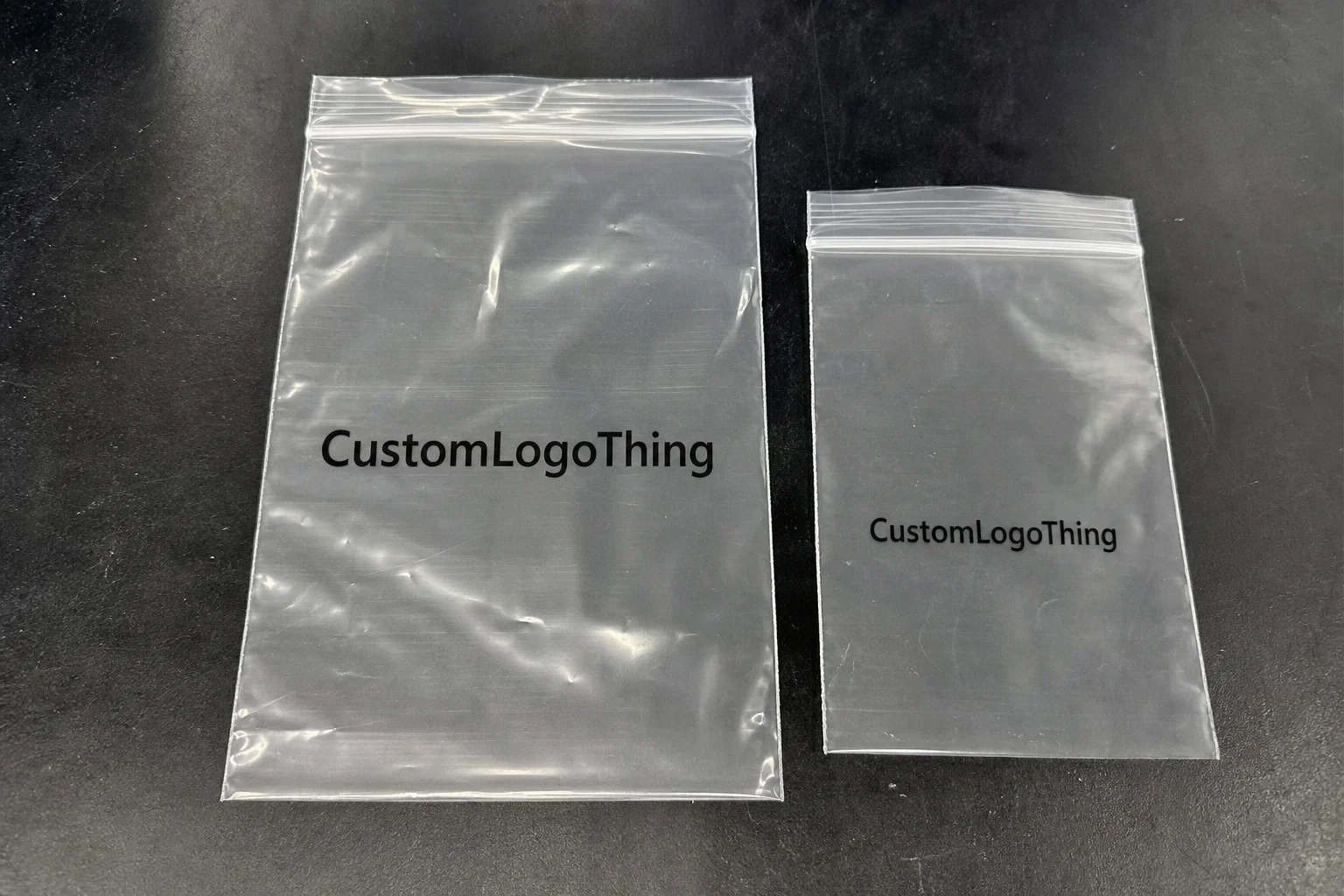
Gift shops sell a mix of small, medium, and impulse-buy products, but that does not mean they need a different bag for every item. A small clear resealable pouch can work for earrings, pins, stickers, wrapped soaps, and folded cards. A mid-size bag can cover candles, art prints, gift tags, and seasonal merchandise. Once a shop finds a size that fits several categories, it tends to reorder that same format again and again.
That repeat pattern matters for two reasons. First, it cuts decision fatigue. Staff and buyers do not need to reevaluate packaging for every reorder. Second, it reduces SKU sprawl. Fewer packaging types means fewer mistakes, cleaner inventory counts, and less money tied up in half-used boxes of bags that only fit one product line.
Clear packaging also does something very simple but very effective: it lets the product speak for itself. Color, texture, labels, foil accents, and printed artwork all stay visible. In gift retail, that visibility matters because many purchases are made in seconds. If the item looks finished and easy to inspect, customers are more likely to pick it up and buy it.
The resealable feature adds practical value, not just convenience. Staff can open the bag, place the item inside, close it again, and keep the presentation tidy. Customers can reuse the bag after purchase, which helps with storage and handling. That matters more than people think, especially for smaller gift items that can otherwise get scratched, bent, or lost in a shopping tote.
For gift shops, the cheapest unit price is not always the best decision. A slightly higher-priced bag that fits several products and reorders cleanly often costs less over time than a bargain bag that forces extra SKUs or frequent repacking. That is where Clear Resealable Poly Bags for gift shops moq planning turns from packaging theory into an inventory strategy.
Some buyers also pair these bags with other retail packaging formats from Custom Packaging Products, or shift to Custom Poly Mailers when items need shipping protection instead of shelf display.
Product Details That Matter for Retail Display and Protection
Material choice affects the appearance, stiffness, and handling of the bag. LDPE is softer and more flexible, which makes it forgiving when staff are packing items by hand. PP generally looks crisper and glossier, so it tends to give a cleaner retail presentation for premium or high-visibility products. Neither material is automatically superior. The better option depends on what the bag is carrying and how the item is displayed.
Closure style matters just as much. A zip lock works well when the bag will be opened and closed multiple times by staff or customers. An adhesive flap can be better for one-time presentation, but it is not always ideal if the item needs to be reopened later. Press-to-close designs sit somewhere in the middle and can be a good fit when repeat use is expected without the bulk of a heavier zipper profile.
Clarity, gauge, and finish are the first three specs buyers should compare. High clarity helps the product colors and printed labels stand out. A thicker gauge improves puncture resistance and reduces wrinkling during handling. Glossy film usually reads as more polished under retail lighting, while matte film cuts reflections if the display area is bright or crowded with spotlights.
Practical retail features can save staff time. Hang holes help if the product is going on a peg wall. Header space gives room for branding, a price sticker, or barcode placement. Writable panels can be useful for seasonal inventory notes or handwritten SKU marks. If barcode labels are part of the process, check whether they stick cleanly to the film and stay put in warm or humid store conditions.
Customization usually starts with size, thickness, closure type, print, and finish. Some orders stay simple with plain stock bags. Others include a logo, a short brand line, or a size mark printed directly on the bag. More customization usually means higher setup charges or tooling fees, depending on print method and finishing details. That is normal. It just needs to be in the quote before anyone talks about approval.
If recycled content or responsible sourcing is part of the brief, keep the claims specific and measurable. Ask suppliers how they document materials, how they handle recycled content claims, and whether paper inserts or secondary components follow recognized sourcing standards. For broader packaging guidance, groups such as the Forest Stewardship Council and the Institute of Packaging Professionals are useful reference points.
Size, Gauge, and Closure Specifications to Confirm Before Ordering
Before asking for a quote, confirm the real dimensions you need: width, length, usable opening, and any gusset depth. A bag that looks right on paper can fit poorly once a tag, folded insert, ribbon, or rigid product edge is added. Measuring only the item itself is one of the fastest ways to end up with a bag that is technically close and practically wrong.
Gauge, usually discussed as mil thickness, should match handling and product weight. Thin film is fine for light accessories such as stickers or cards. Heavier film is better for items that will be picked up often, packed and unpacked repeatedly, or displayed in a way that needs a little more structure. For premium products, a slightly heavier gauge can make the package feel more intentional without adding much to the unit price.
Closure width and seal reliability deserve attention. A narrow zipper may be fine for tiny items, but a wider seal is easier to close accurately and can be less frustrating for staff. If the bag will be reopened many times in store, repeatability matters. A closure that drifts out of alignment or feels stiff will make the package look worn before the product even leaves the shelf.
Compatibility with labels and printed stickers should also be checked early. Some films accept adhesive labels more cleanly than others, and some coatings make corner lift more likely. That detail can create real headaches during a busy season. If the shop relies on price stickers, barcodes, or compliance labels, it is worth testing them before production starts.
Sample approval or a size mockup is worth the time. A few millimeters can change how the item sits in the bag, how much headspace is left above it, and how the package looks on a hanging display. For Clear Resealable Poly Bags for gift shops moq planning, a small test run or proof is often the cheapest insurance you can buy.
| Option | Typical Use | Presentation | Handling | Cost Impact |
|---|---|---|---|---|
| LDPE, thinner gauge | Cards, stickers, light accessories | Soft, clear, flexible | Easy insertion | Lower cost per piece |
| LDPE, heavier gauge | Candles, small gift items | Cleaner body, better support | More durable | Moderate unit cost increase |
| PP, standard clarity | Premium retail display items | Crisp, glossy, sharp | Good for shelf presentation | Often slightly higher |
| Printed custom bag | Branded gift shop packaging | Strong brand presence | Depends on print coverage | Higher setup charges possible |
Cost, Pricing, and MOQ Planning for Better Buy-In
Poly bag pricing usually moves for a few predictable reasons: material thickness, bag size, closure style, print coverage, and order quantity. Two bags can look nearly identical in a catalog and still quote very differently once film weight, sealing labor, and print setup are added. If you are comparing suppliers, ask for the cost per piece at several quantity levels so the price breakpoints are visible.
MOQ is not just a supplier rule. It usually reflects how the job is made. Film has to be sourced, slit, cut, sealed, and sometimes printed, and each step becomes more efficient at a certain run size. That is why very small orders often carry a higher unit cost. The lower price at larger quantities is real, but so is the cost of holding inventory that does not move fast enough.
For gift shops, the best order plan usually separates core packaging from seasonal packaging. Core sizes are the bags that fit everyday merchandise and reorder regularly. Seasonal sizes are added for holidays, limited editions, or display resets. Keeping those categories separate helps control storage and prevents the shop from overbuying a size that only works for a short run.
Standardizing around a few sizes can save more money than ordering many custom formats in tiny quantities. One 4 x 6 bag may cover earrings, pins, and small soaps. One 6 x 8 bag may cover candles, folded art cards, and packaged trinkets. Fewer packaging sizes mean fewer mistakes, cleaner inventory, and less time spent hunting for the right box in the back room.
When comparing quotes, make sure the same specs are being priced against each other. A zipper bag and a flap seal are not equivalent. A thin film and a heavy film are not equivalent. A plain bag and a printed bag are not equivalent. If one option includes logo printing and another does not, part of the price difference may come from setup charges rather than the film itself. That distinction matters when deciding whether branding belongs on the bag or on an insert card.
Here is the short version of how buyers usually weigh the options:
- Plain stock bag — lower first cost, faster reorder, limited brand presence.
- Lightly printed bag — moderate cost, cleaner shelf identity, simpler artwork.
- Heavily printed bag — higher initial spend, stronger branding, more likely to involve tooling fees or higher setup charges.
The right answer depends on how quickly the product moves. If the bag turns fast, a higher MOQ may be easy to absorb. If the packaging is tied to a slow seasonal line, a smaller run or a standard bag may be the better choice. That is the core of Clear Resealable Poly Bags for gift shops moq planning: buy for actual usage, not for packaging ambition that sits untouched on a shelf.
Process, Timeline, and Lead Time From Quote to Delivery
The order process is usually straightforward, but speed depends on how complete the information is. A typical sequence runs like this: inquiry, spec confirmation, artwork review, sample or proof approval, production, quality check, packing, and shipment. If one of those steps stalls, the delivery date moves with it. Packaging projects rarely fail because of one big disaster. They fail because three small decisions were left vague.
Missing dimensions cause delays. So do unclear artwork files, uncertain closure choices, and last-minute spec changes after a proof is already being prepared. Buyers sometimes wait until the quote arrives to settle basic decisions, which adds time no one has during a busy buying season. Clear specs at the start save more days than most teams expect.
During production, the supplier may be converting film, sealing the bag format, printing if needed, and checking the batch for size accuracy and closure function. Quality control should focus on the basics: clean seals, correct dimensions, consistent clarity, and reliable resealable action across the lot. If a supplier cannot explain how those checks are done, that is a good reason to ask more questions before approving the order.
Lead time matters because gift shop calendars are tight. Holiday resets, seasonal displays, and buying events do not leave much room for error. It is not just production time that matters; freight transit and receiving time matter too. A bag can leave the factory on schedule and still miss the shelf if shipping was not built into the plan.
For custom runs, it is wise to allow enough time for proofing, corrections, production, and freight. A few extra days may not sound dramatic, but in retail those days decide whether a display is ready for launch or still sitting in a carton. That matters even more when clear resealable Poly Bags for Gift shops moq planning is tied to a seasonal assortment with a fixed sales window.
How We Help Gift Shops Order the Right Bag the First Time
Good suppliers do more than quote a size and wait for approval. They help the buyer compare stock options and custom options so the shop can decide whether a standard format already solves the problem. That kind of guidance is useful because the goal is dependable packaging, not a complicated custom project for the sake of having one.
Specification review is one of the most useful parts of the process. If you share product dimensions, estimated usage, and the type of item being packed, a supplier should be able to tell you whether the bag needs a little extra room, whether a stronger closure is worth it, or whether a standard size is already a good fit. Honest feedback saves more time than sales language ever will.
Quality checks should reflect retail reality. Clean seals, accurate sizing, consistent clarity, and a resealable function that works across the batch matter more than a nice-looking sample. A bag that looks fine in a proof but feels flimsy in hand is a warning sign. If the packaging fails during handling, the savings from a lower quote disappear fast.
Fast communication matters too. Gift shops often need answers on artwork, closure format, size, and packaging configuration quickly because buying windows are short and seasonal shifts do not wait. Faster proof review usually means a better production timeline and less stress on the buyer’s side.
The goal is not to push customization at every turn. The goal is to match the bag to the product, budget, and reorder pattern so the shop gets repeatable results. Sometimes a plain bag is the right answer. Sometimes a lightly printed bag earns its keep. The best choice is the one that fits the sales pattern instead of fighting it.
Next Steps: Compare Specs, Request a Quote, and Lock the Order Plan
Before requesting pricing, gather three things: product dimensions, estimated monthly or seasonal usage, and whether you want plain or printed bags. Those details let a supplier quote the right size and cut down on back-and-forth.
Pick two closure styles and one preferred thickness so the pricing is actually comparable. If one quote is for a zipper bag and another is for a flap seal, or if one is a lighter gauge and the other is heavy-duty film, the numbers will not tell you much unless the specs match.
If the bag will carry premium goods, ask for a sample or proof. Presentation and fit shape how customers judge value. A bag that wrinkles badly or sits too loosely can make a polished item feel less finished than it should. That kind of detail matters in gift retail because customers notice the package before they notice the spec sheet.
Check storage space and reorder timing before approving the MOQ. A lower unit price is not useful if the inventory sits too long or crowds the back room. Storage, turnover, and seasonality all belong in the buying decision, especially when you are planning clear resealable poly bags for gift shops moq planning across more than one product line.
Send the product size, artwork if needed, and target quantity to get a practical quote, then use that quote to finalize the best clear resealable poly bags for gift shops moq planning for your shop. If you need a broader packaging reference point, the FAQ page is a useful place to check basic questions before moving into production.
What should I check first when ordering clear resealable poly bags for gift shops?
Measure the product in its final retail form, not just the item itself, because tags, inserts, ribbons, or folded packaging can change the fit. Then confirm closure type, thickness, and whether the bag needs a hang hole, label area, or logo print. A sample or size confirmation is the safest final step before production.
How do I plan MOQ for gift shop packaging without overbuying?
Estimate usage by season as well as by month, because many gift shop items move in bursts rather than evenly. Standardize a few bag sizes across multiple products so you carry fewer SKUs, then balance unit cost against storage space and reorder frequency. That gives you a cleaner buy plan and better inventory control.
Which material is better for retail display, LDPE or PP?
LDPE is softer and more flexible, which can help with easy insertion and frequent handling. PP usually looks crisper and more glossy, which can help premium products stand out visually. The better choice depends on product weight, presentation goals, and how often the bag will be opened.
Can clear resealable bags be custom printed for a gift shop brand?
Yes, many gift shops add logos, size labels, or simple branding to improve presentation and recognition. Print coverage, color count, and placement all affect pricing and MOQ, and simple artwork is usually easier to run. If the branding is light and clean, it often keeps the order efficient.
What causes lead time to change on a custom bag order?
Artwork approval delays, spec changes, and sample revisions are the most common causes. Material choice, printing complexity, and order quantity can also affect production time. Approving the proof quickly helps keep the order moving through production and shipment without unnecessary hold-ups.


