Coffee Roaster Cuffed Knit Beanies Bulk Order Planning Tips
For many roasters, coffee roaster cuffed knit Beanies Bulk Order Planning looks straightforward until the first quote arrives. A cuffed knit beanie can sit in a merch line far longer than a seasonal tee, which means a weak color choice, a sloppy logo placement, or the wrong yarn can follow the brand around for months. The best beanie programs do more than cover heads in cold weather. They hold a logo in the right place, move well at retail, pack cleanly for fulfillment, and still feel useful after the launch window has passed.
That is why the planning conversation should begin with use, not only with unit price. Size, cuff depth, yarn type, decoration method, carton pack-out, and reorder timing all shape whether the item sells through or stalls. If you need a simple framework before asking for pricing, our Wholesale Programs page is a practical starting point.
"A cuffed beanie does quiet branding work. If the fit is right and the mark reads clearly on the cuff, it keeps paying back long after the first cold snap."
What to lock down first
The useful surprise is that a good beanie often outlasts a lot of other merch. Tees get buried in drawers; beanies get worn on early walks, at the loading dock, during cold commutes, and on the shop floor. That long wear cycle is why coffee roaster cuffed knit beanies Bulk Order Planning should start with the real job the item needs to do.
Retail shelves need a clean, finished look. Subscription boxes need a pack-out that survives fulfillment. Staff uniforms need comfort and reliable sizing. Pop-up tables need something easy to stack, label, and replenish. Wholesale add-ons need a product that can be reordered without rebuilding the whole spec from scratch. The cuff is what ties those scenarios together, because it creates a defined branding zone and gives the beanie a more retail-ready silhouette than a plain watch cap.
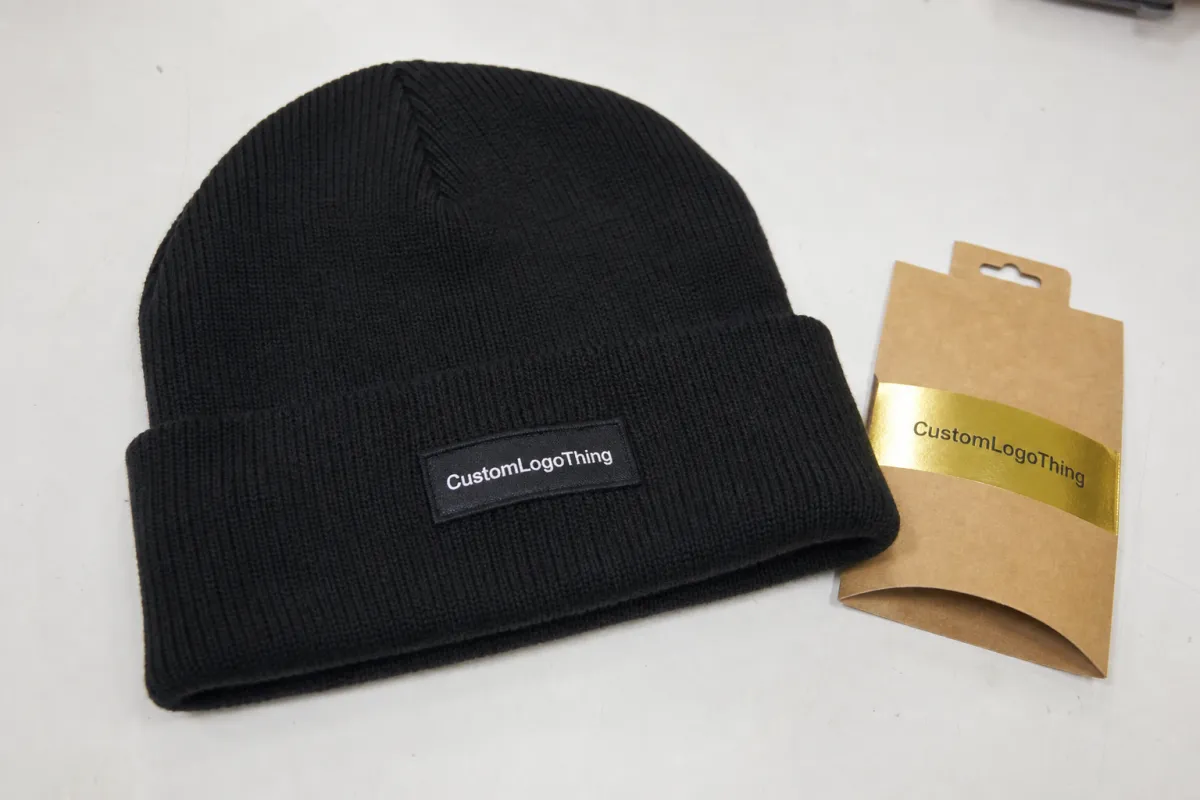
Many buyers underestimate the cuff itself. A deeper cuff gives more room for embroidery or a patch, but it also changes the shape on the head and the visual balance on the shelf. A shallow cuff can feel more minimal. A wider fold reads more classic and gives the logo more breathing room. The lowest quote is not always the best buy; the better order is the one that makes the mark readable, the fit comfortable, and the reorder path simple.
Product details that make a cuffed knit beanie sell well
Most Cuffed Knit Beanies used in coffee merch fall into three common material lanes: acrylic, wool blend, or recycled yarn. Acrylic is popular because it is durable, color-consistent, and usually easier on the budget. Wool blend brings a warmer hand feel and a more premium story, but it can raise the cost and needs clearer care messaging. Recycled yarn supports sustainability positioning, although buyers should still check stretch recovery, dye consistency, and hand feel before they approve a larger run.
The knit structure matters too. A rib knit usually stretches well and snaps back into shape, which is helpful for one-size-fits-most production. The cuff depth affects both style and decoration space. A thicker cuff usually gives embroidery a cleaner stage, while a lighter cuff keeps the silhouette a little more relaxed. Fit should be checked on actual heads, not only on a flat sample, because a beanie that looks tidy on the table may sit too high or too tight once it is worn.
Decoration choice is where the product starts to look either premium or generic. Embroidery is the classic answer for a cuffed knit beanie because it feels durable and reads clearly from a distance. A woven patch can handle fine detail better than stitches alone and works well for logos with thin lines or small type. A label or tag detail adds retail polish and can support brand storytelling without crowding the front panel. If the beanies are going into stores or fulfillment, ask about individual polybagging, size stickers, insert cards, and carton labels before approving the quote, because those details affect labor, cost, and presentation.
From a packing standpoint, a beanie is not finished until it is easy to count, receive, and resell. Carton pack-out should be discussed early, especially if the order includes mixed colors or multiple ship-to locations. A simple product can become expensive to handle if the pack plan is vague.
Sizing, color, and assortment decisions
Beanies are often sold as one-size-fits-most, but that phrase hides a lot of variation. Rib structure, yarn stretch, cuff depth, and crown length all influence how the product lands on different head shapes. A beanie that fits one buyer well can feel loose and slouchy on another, or too shallow on someone with a larger head. That is normal. The point is to sample against real wear, not only against a flat spec.
Color choice deserves the same attention. Dark neutrals are safer for resale because they pair with most outerwear and hide wear better. Lighter tones can sell well in lifestyle-driven retail, but they show lint and handling marks more easily. If the brand uses a signature color, ask for a yarn strikeoff or a close color reference before committing to bulk. Knit yarn does not always match screen color the way a digital proof suggests, and small dye shifts become obvious once dozens of beanies sit together on a shelf.
Assortment planning also matters. A single core color is easier to replenish and usually keeps the order more efficient. A small color run can help the merch table feel seasonal, but every extra color adds setup complexity, inventory risk, and a chance for imbalance if one shade sells faster than the others. For many roasters, one main color and one accent color is enough. More than that starts to dilute the order unless the sales plan is very clear.
Spec sheet checks for color, yarn, and decoration placement
This is where many avoidable delays begin. Before sample approval, the spec sheet should lock down finished dimensions, cuff height, yarn weight, stitch density, color match tolerance, and decoration placement. If those details are vague, the first sample can be close enough to frustrate everyone but not close enough to approve. A clean spec sheet saves time because it removes room for guesswork.
- Yarn weight and fiber mix: Confirm whether the build is acrylic, wool blend, recycled acrylic, or another blend, and ask how that affects hand feel and shrink behavior.
- Cuff height: Measure the fold in centimeters or inches so the logo sits in the right visual band on every repeat run.
- Logo size: Keep embroidery readable; very fine text often closes up once stitches compress on a ribbed surface.
- Artwork files: Send vector art, not a low-resolution image, and include Pantone references if color matching matters.
- Placement notes: Show the exact distance from center front, because curved knit fabric can shift small logos off center.
One common mistake is approving a flat mockup and assuming it will wear the same way. It will not. A curved crown, a thick cuff, and stitched texture all change how the logo reads from a few feet away. Ask for a sample photo on a head form, or better yet a physical sample, so you can check thread tension, patch flatness, seam alignment, and the way the cuff folds after it is worn. Small text that looks crisp on a proof can become muddy on the final knit piece, especially if the line weight is too fine.
If the order includes retail packaging, ask whether the cartons and inside packs should follow a handling standard such as ISTA test methods. That matters more than many buyers expect once the product starts moving through multiple hands and multiple stops. A package that looks fine on a dock can still arrive crushed or miscounted if the internal pack plan is loose.
Pricing, MOQ, and quote drivers for coffee shop merch runs
Pricing for beanies is usually driven by yarn choice, knit structure, decoration method, stitch count, packaging requests, and total quantity. If you are planning coffee roaster cuffed knit Beanies Bulk Order Planning around a launch, the most useful question is not "What is the cheapest unit price?" It is "What spec gives me the best margin without hurting the look or the reorder path?"
MOQ shifts with the production method. A simple acrylic beanie with embroidery may allow a lower entry point than a custom yarn blend with special trim, because the factory can keep setup simpler. Once you ask for mixed colors, custom labels, individual packaging, or a patch built for a fine-detail logo, the minimum often rises. That is normal. The cost of setting up yarn, testing color, and preparing decoration is real labor, not padding.
| Beanie build | 500 pcs | 1,500 pcs | 5,000 pcs | Notes |
|---|---|---|---|---|
| Acrylic rib knit, embroidery | $5.90-$8.40 | $4.40-$6.20 | $3.20-$4.80 | Most common retail choice; good cuff branding area. |
| Recycled acrylic, woven patch | $6.40-$9.10 | $4.90-$6.90 | $3.60-$5.30 | Useful for a stronger sustainability story and sharper logo detail. |
| Wool blend, embroidery | $8.70-$12.20 | $6.30-$9.00 | $4.80-$7.20 | Premium hand feel; needs tighter care and color expectations. |
| Custom label + polybag + insert card | add $0.45-$1.10 | add $0.30-$0.75 | add $0.18-$0.50 | Best for retail shelves and subscription packs. |
Those numbers are planning ranges, not fixed quotes. Yarn source, dye lot, freight lane, carton count, and decoration complexity will move them. A 500-piece run often carries a noticeably higher per-unit cost than a 5,000-piece run, sometimes by 20% to 35%, because setup is spread across fewer units. That is why tiered pricing matters more than a single headline number.
Ask for setup fees, sample charges, freight, carton packing, and any split-shipment costs in writing. If the order is part of a distributor program or a broader merch line, compare the pricing against the terms on our Wholesale Programs page before you commit to the final quantity. A lower unit price can disappear quickly once packaging and freight are added back in.
Process and timeline from artwork approval to delivery
A smooth production run usually follows the same path: artwork review, spec confirmation, sample approval, bulk knitting or sourcing, decoration, finishing, packing, and shipment. The order can move quickly once the artwork is final, but the front end tends to slow down if the buyer is still choosing thread colors or adjusting the logo placement. In practice, the biggest schedule misses happen before bulk production ever starts.
Lead time is best treated as a stack of separate windows. Artwork revisions may take a few days. Sample making can take another block of time. Bulk knitting and decoration usually need their own production slot. Freight then adds another layer, especially if cartons are crossing regions or moving through a fulfillment center. For most custom beanie programs, a realistic plan includes buffer time before the launch date, not after it.
For many orders, the safest working rhythm looks like this:
- Lock the logo file and placement.
- Approve the spec sheet with dimensions and materials.
- Review the sample on a head or head form.
- Confirm the pack-out and carton labeling.
- Build in extra time for freight and receiving.
That buffer matters even more if the beanies are tied to a seasonal reset, holiday promo, or grand opening. A product that arrives five days late is often a missed sales window, not just a delayed shipment. If the packaging includes paper inserts or hang tags, FSC-certified paper is a sensible request because it keeps the spec clean and easy to explain to retail partners.
One practical caveat: bulk production and freight can move at different speeds. A quote that looks comfortable on paper may still miss the event date if the sample approval lags or the ship method is too slow for the calendar. That is why seasoned buyers keep a small schedule buffer, especially for orders tied to winter launches and holiday merchandising.
What to compare before you choose a beanie supplier
Price matters, but consistency matters more. The supplier who can repeat the same size, color, cuff fold, and logo placement on a reorder is usually the better long-term choice, even if the first quote is a little higher. A beanie line only feels simple when the supplier can hold the product steady across multiple runs.
Compare suppliers on the details buyers feel later:
- Color stability: Can they match the same shade again without drifting?
- Decoration quality: Are embroidery edges clean, patches flat, and labels aligned?
- Proof process: Do they send clear mockups and track approvals in writing?
- Reorder ability: Can they repeat the same spec without rebuilding the entire job?
- QC discipline: Do they check loose threads, off-center decoration, and cuff folding before cartons leave?
Communication habits reveal a lot. A good supplier should be able to tell you where the order can flex and where it cannot. For example, mixed colors may be possible, but each color can have its own quantity threshold. A patch may handle fine detail better than embroidery, but embroidery may feel more premium on a simple logo. The better partner explains those tradeoffs clearly instead of pretending every option costs the same.
Packaging flexibility also matters. If you need retail-ready packs, mixed ship-to locations, or small-batch reorders, ask about those capabilities early. That is also the point where many buyers review the basics on our FAQ page, because it keeps file prep, sampling, and approval steps in one place.
Actionable next steps to keep the order moving
If the goal is to keep the project moving without revising the quote three times, start with the essentials and nothing else. Gather the logo file, the target quantity, the preferred colorways, the decoration method, and the date the beanies need to be in hand. If any of those pieces are missing, the quote is only a placeholder.
Next, decide the use case. A retail item, a staff uniform, and a bundle add-on do not always want the same price point or the same packaging. A premium retail beanie can justify more finishing detail. A team issue may need a simpler spec and a larger size allowance. A bundled coffee purchase may lean on quick recognition and clean carton labeling.
Then ask for the quote only after the spec is settled. That keeps comparisons honest and prevents surprise changes once sampling starts. Build a small buffer into the schedule for artwork edits, sample approval, and freight. If the order needs to be repeated later, note the reorder plan now so the second run does not start from zero. coffee roaster cuffed knit beanies bulk order planning works best when the first run is documented well enough to become the next run without guesswork.
A final check helps more than most teams expect: confirm who owns the approved artwork, the final Pantone references, the size measurements, and the carton label format. When those items are easy to retrieve, reorders get faster and the risk of small spec drift drops sharply.
Frequently Asked Questions
How far ahead should I start coffee roaster cuffed knit beanies bulk order planning?
Start as early as possible if the order is tied to a seasonal launch, a store opening, or a subscription drop. You need time for artwork review, sample approval, bulk production, and freight. If the logo still needs edits, add extra time before production starts, because that is where schedules usually slip.
What decoration method works best for coffee roaster cuffed knit beanies?
Embroidery is usually the cleanest choice for a premium cuffed beanie. Woven or PVC patches are strong options if the logo has fine detail or needs stronger contrast. The right method depends on artwork shape, budget, and how the beanie will be sold or used.
What MOQ should I expect for custom cuffed knit beanies?
MOQ depends on the construction, yarn choice, and decoration method, not just the product category. Simple acrylic runs often allow lower quantities than highly customized yarn or trim requests. Ask for tiered quantities so you can compare the minimum run against the next price break.
Can I mix colors in one bulk beanie order?
Often yes, but mixed colors can affect price, setup, and stock availability. It helps to choose one main color and one or two secondary colors before you request the quote. Also confirm whether the colors can be split evenly or whether each one has its own quantity threshold.
What files do you need for an accurate beanie quote?
A vector logo file gives the best starting point for decoration and pricing. You should also send the target quantity, preferred colors, decoration location, and any packaging requirements. If you have Pantone references or a reference product, include those as well so the estimate reflects the real spec.