Corporate Gift Frosted Zipper Plastic Bags Quote Guide
A frosted zipper bag does a job that is easy to underestimate. It protects a gift, keeps the set organized, and adds enough finish to feel deliberate without the cost and freight weight of a rigid box. For buyers comparing packaging options, that combination matters more than it first appears. One lighter bag can reduce shipping volume, speed kitting, and still look polished in the hand.
If the job is a corporate gifting frosted zipper plastic Bags Factory Quote checklist, accuracy starts before the first price lands in your inbox. Material, finish, thickness, zipper style, print area, and packing format all change the number. Miss one detail and the quote may look attractive, then turn fragile once samples, setup fees, or freight are added.
That is why vague requests usually fail. A factory can estimate from a sketch, but a useful number comes from a spec. The more precise the brief, the cleaner the comparison between suppliers, and the less time your team spends translating assumptions into production terms.
Corporate gifting frosted zipper plastic bags: what buyers notice first
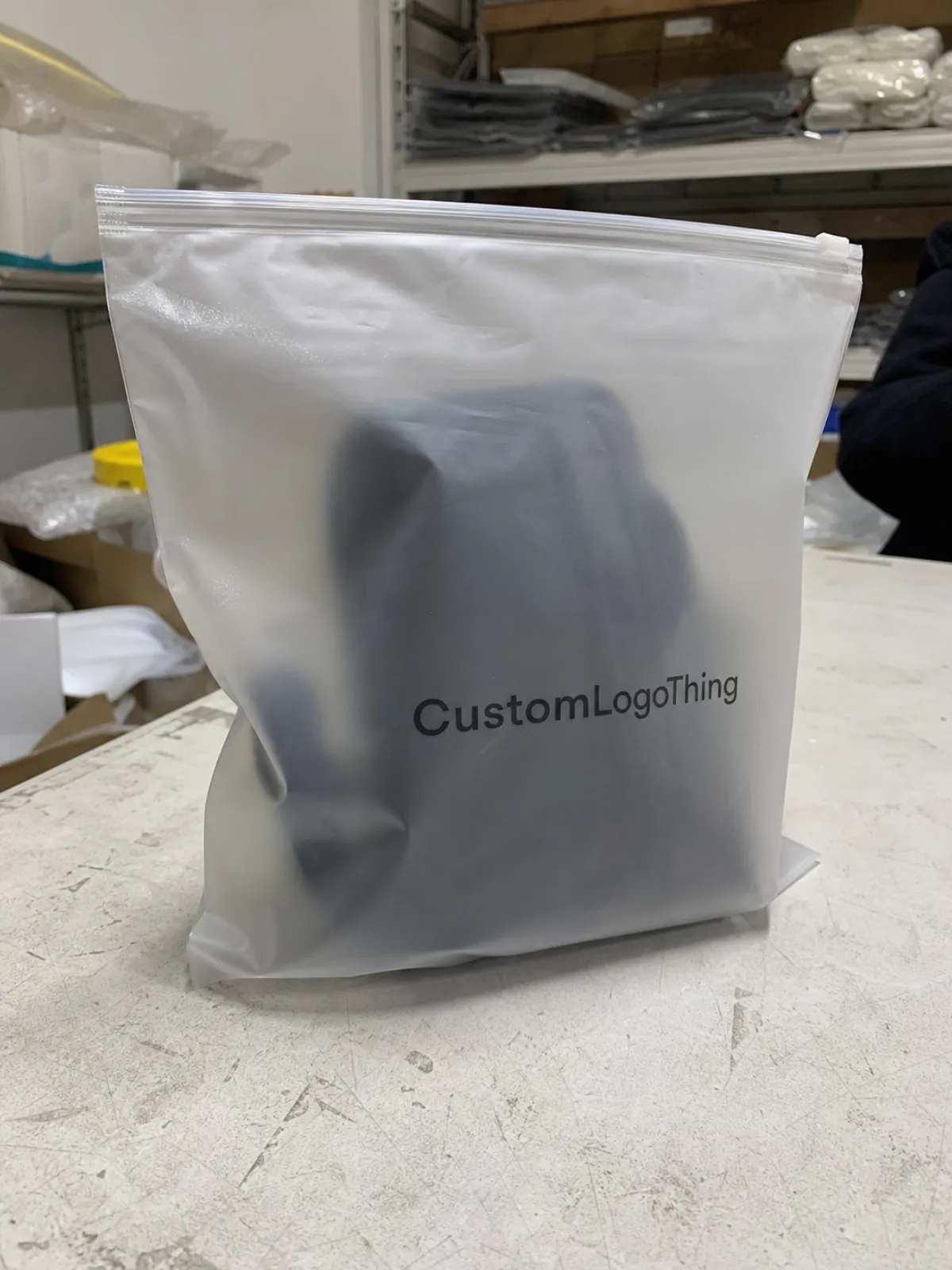
Buyers usually notice the appearance first, and they should. Frosted film gives the bag a softer visual field than a crystal-clear pouch. It hides fingerprints, blurs uneven edges, and makes mixed contents look more intentional. For onboarding kits, holiday gifts, sample packs, and conference materials, that controlled look can matter as much as the item inside.
The second thing is handling. A zipper bag opens and closes easily, which helps during kitting and later use. If the kit includes multiple pieces, a card, tissue, or a soft item that may be checked after delivery, the resealability is practical, not decorative. Teams packing hundreds or thousands of units usually notice the time savings long before they talk about presentation.
Weight is the third quiet advantage. A frosted zipper bag is light, so freight stays lower than with a structured box. In large programs, that difference compounds fast. If the contents already have enough protection, the bag can serve as the outer presentation layer without paying for board, lamination, or inserts that do not add much value.
A supplier should ask for more than a logo file before pricing. Expect questions about these points:
- Material: PE, CPP, or another film if the project has a specific feel or stiffness target.
- Size: the actual packed dimensions of the gift set, not just the shipping carton.
- Thickness: usually written in microns or mils, because feel and strength shift quickly with gauge.
- Zipper style: single-track, double-track, or another closure profile.
- Print method: one-color, multi-color, or inside/outside placement.
Those five details separate a rough estimate from a quote a procurement team can actually use. If the request stays broad, the response will too.
Material and finish choices that change the presentation
PE and CPP are the names buyers hear most often, and they do not behave the same way. PE tends to feel softer and more flexible. It suits mailer-style kits, apparel, and bags that must fold cleanly in transit. CPP is crisper and often reads as more finished in the hand, which can work better for a presentation piece or a set that needs a slightly firmer drape.
Finish matters just as much as the base film. Fully frosted film softens what is inside and helps logos sit against a calmer background. Semi-opaque film shows more of the contents, which can be useful if the design depends on visibility. Clear film displays everything, including awkward folds and mixed textures. That is sometimes acceptable. For corporate gifting, though, frosted film often strikes the better balance between visibility and order.
Construction changes the feel of the bag more than many buyers expect. A flat pouch behaves differently from a gusseted bag. Gussets help the bag stand in cartons and hold bulkier contents. Flat structures are better for thin, uniform items. If the contents vary even slightly, that difference can show up in the final presentation.
The zipper is not a minor detail. A clean closure improves the perceived quality of the bag, but it has to match the film thickness and intended use. A reusable bag needs a firmer engagement. A one-time gift bag may not need that same level of closure force. Buyers should also ask about hang holes, euro slots, and tear notches if the bag needs display or controlled opening.
For teams trying to ground material decisions in practical terms, the Sustainable Packaging Coalition provides useful packaging reference material at packaging.org. It is a better filter than marketing language when a project is still in the comparison stage.
Sizing and print specs to lock before you request samples
Size the bag around the actual gift set. Not the carton. That mistake is common because shipping and presentation are often handled by different people. A bag that is too tight slows packing and strains the zipper. A bag that is too loose looks careless and lets the contents move around. A little extra room for tissue, inserts, and closure clearance is useful; too much room starts to look empty.
Every quote should use a consistent size format: width, height, and gusset depth if needed. Thickness should be stated clearly in microns or mils. “Thick” means little without a number. Seal style belongs in the request as well, along with zipper width if the factory offers options. Those details make supplier comparisons usable instead of approximate.
Print specs need the same discipline. Confirm whether the logo sits on one side or both, where the safe margin begins, and whether the zipper or seal cuts into the artwork area. If the brand depends on color control, send Pantone references early. CMYK works for some art, but spot colors usually hold a brand line more tightly on frosted film.
Vector artwork is safer than a low-resolution image file. Poor files can hide edge problems until production is already moving. Ask for a dieline or template before approval, especially if the bag has a hang hole, gusset, or multiple panels. A few minutes spent on the proof stage can save a costly revision later.
There is one more useful rule: quote the bag with the contents inside. A folded sweatshirt, a boxed pen set, and a stack of brochures all behave differently in a pouch. The right size for one can be awkward for another. That is why empty-bag measurements alone often mislead buyers.
Quote, pricing, and MOQ factors that change unit cost
Two suppliers can quote the same-looking bag and still land far apart on price. The reason is usually not mystery markup. Resin grade, bag dimensions, thickness, zipper type, number of print colors, and setup work all push unit cost in different directions. Special tooling or a custom structure may also create a separate charge or spread that cost across the run.
MOQ moves with complexity. A stock-like dimension with simple printing can often start at a lower quantity than a custom shape with multiple colors or a special closure. That is not arbitrary. Small runs still require setup, inspection, material staging, and line changeover. Those fixed steps do not shrink much just because the order is smaller.
Buyers should ask for line-item pricing. A useful factory quote breaks out sample fees, plate or tooling charges, unit price, carton packing, and freight terms. If the opening number combines everything, it becomes hard to compare offers. A low unit price can hide a high landed cost. That is a common trap.
Typical pricing ranges help frame the conversation, even if they never replace a real quote. For reference:
| Spec level | Typical MOQ | Indicative unit price | Best fit |
|---|---|---|---|
| Standard PE frosted bag, one-color logo | 3,000-5,000 pcs | $0.18-$0.28 | Onboarding kits, simple event handouts |
| Thicker bag with two-color print and custom size | 5,000-8,000 pcs | $0.24-$0.38 | Holiday gifting, branded apparel packs |
| Special structure, heavier gauge, or complex print setup | 8,000+ pcs | $0.32-$0.55 | Premium internal programs, layered gift sets |
These are working ranges, not promises. Freight, resin movement, print coverage, and carton count can shift the final number. Still, they help a buyer see why a quote for a similar bag may not be truly comparable. If a supplier cannot explain the spread, ask again.
For transit expectations, some buyers reference ISTA-style handling tests, especially for kits that will move through parcel networks before they reach recipients. The International Safe Transit Association has useful references at ista.org.
Process and turnaround: from artwork proof to shipping
A disciplined factory process usually follows a predictable path: brief submission, spec confirmation, artwork review, proof approval, production, packing, and shipment booking. If one of those steps disappears, the order may move faster on paper, but the risk rises sharply. Packaging speed only helps when the details are already locked.
Timeline depends on more than line capacity. Sample approval speed is often the biggest variable. After that come print complexity, order size, and whether the art is ready from day one. A clean order can move quickly if the buyer answers proof questions promptly. A more complex order may need a second or third round of checks before production begins.
Late changes cause most delays. Missing dielines, low-resolution logos, vague Pantone targets, or a change in size after the quote has been accepted can all reset the clock. The same is true for adding a second print color once production planning has started. That often means new setup and a new lead time.
For a straightforward order, many suppliers quote sample turnaround in a few business days and production in roughly 12-15 business days after approval. Larger runs, custom structures, and layered printing can take longer. Freight sits outside that clock. Air and sea both have a place, and the right option depends on budget and the event date, not on habit.
Ask suppliers to separate production timing from shipping timing. Otherwise the word “lead time” can hide the real schedule pressure. A buyer with a launch date needs to know exactly where the schedule is tight.
Quality checks that protect corporate gift orders
Corporate gift packaging has very little tolerance for visible defects. A small scratch on frosted film looks minor on a factory bench and obvious in a recipient’s hand. A zipper that catches or opens too easily can damage the whole impression. For that reason, the checks that matter most are the ones the end user will actually feel: closure function, seal strength, thickness consistency, print registration, and surface uniformity.
Handling tests matter too. Ask whether the bag has been checked with the actual gift contents, not just with an empty insert. A simple packed drop test can reveal more than a stack of promises. It shows whether corners deform, whether the zipper opens under stress, and whether the contents shift enough to create a poor first impression after transit.
Surface quality deserves careful attention because frosted film can hide some flaws and amplify others. It hides fingerprints well, but rough packing can leave scuffs that show clearly. Print should sit cleanly on the film without haze, drift, or smear. If the logo uses fine lines, ask to see a close-up sample before the run is released.
Carton packing should be treated as part of quality control. Confirm master pack counts, carton labels, moisture protection, and whether the bags are interleaved to reduce abrasion. If the goods will travel far or sit in humid storage, ask about inner liners and pallet wrap. Clean bags that arrive flat, counted, and dust-free save time in the kitting room.
If the order includes paper inserts or cards, documentation can matter too. Ask whether the supplier can support FSC-backed paper sourcing where relevant. That does not change the bag itself, but it helps the complete package hold together on compliance and reporting.
Corporate gifting frosted zipper plastic bags factory quote checklist
Before asking for price, send the factory a spec sheet that covers the whole build. A good quote is only as strong as the information it starts from. The phrase corporate gifting Frosted Zipper Plastic Bags factory quote checklist should mean a practical request, not a keyword string.
- Bag size: width, height, and gusset depth if needed.
- Material: PE, CPP, or another film type if already chosen.
- Thickness: microns or mils, not a loose description.
- Finish: frosted, semi-opaque, or clear.
- Closure: zipper style, hang hole, or other hardware details.
- Print: one-side or two-side, number of colors, and logo area.
- Quantity: target order size plus any pilot run.
- Packing: carton count, master pack count, and transit protection.
- Destination: delivery country, port, or warehouse location.
- Timing: required ship date and whether samples are needed first.
Ask for two pricing views if possible. One should match the target spec exactly. The second should show a simpler or lighter build so the team can see where the money goes. That comparison is often more useful than the lowest number alone. It shows whether the premium spec is justified or whether the order can be simplified without harming the presentation.
Also ask what is included and what is excluded. Artwork, samples, plates, freight, and packing can all sit outside the opening price unless they are stated plainly. A quote that separates those items is easier to review and easier to approve internally.
Used properly, the corporate gifting Frosted Zipper Plastic Bags factory quote checklist reduces back-and-forth, cuts surprise charges, and keeps the packaging decision tied to the actual gift program rather than to a generic bag price.
FAQ
What should be included in a frosted zipper plastic bags factory quote?
Include exact dimensions, thickness, film type, zipper style, print colors, quantity, and carton packing so every supplier quotes the same build. Ask for sample cost, tooling or plate fees, freight terms, and lead time separately so the landed cost is visible.
What MOQ is typical for corporate gifting frosted zipper plastic bags?
MOQ changes with size, print complexity, and whether the bag is stock-based or fully custom, so there is no single fixed number. A simpler spec with fewer print colors often starts lower, while custom dimensions or multiple print passes usually require a higher run size.
Can frosted zipper plastic bags be printed with a company logo?
Yes, most factories can print logos on Frosted Zipper Bags, but the best method depends on the film, the number of colors, and the required finish. Send vector artwork and confirm the print area, safe margin, and Pantone targets before approving a proof.
How long does production usually take after approval?
Timing depends on sample approval, order size, printing setup, and whether the artwork is final when the quote is accepted. Ask the factory to give separate sample, production, and shipping windows so the schedule is visible instead of compressed into one estimate.
How do I compare pricing from different frosted zipper bag factories?
Compare only matching specs: same size, thickness, material, print method, zipper style, carton count, and freight terms. Check whether artwork fees, plates, samples, and packing are included, because a lower unit price can hide a higher total cost.


