Corporate Gifting Custom Poly Mailer bags Wholesale Order Planning usually starts with the boring questions: will the kit fit, will the print hold up, and will freight eat the savings you expected? That is the real job. A slim apparel set, stationery bundle, or snack kit can ship flat in a mailer for lower dimensional weight than a box, with less void fill, less packing labor, and a cleaner handoff for employees, clients, or event guests. For branded packaging, that combination still wins a lot of projects because it keeps the unit economics under control without making the gift look cheap.
Here is the basic tradeoff: custom printed boxes can feel more premium for bulky or fragile contents, but poly mailers are often the better fit for flatter kits that do not need rigid protection. From a packaging design point of view, that matters. The best mailer is not the prettiest mockup. It is the one that protects the contents, matches the brand, and fits the order size without turning the budget into a mess.
Custom Poly Mailer Bags for Corporate Gifting Shipments and Corporate Gifting Custom Poly Mailer Bags Wholesale Order Planning
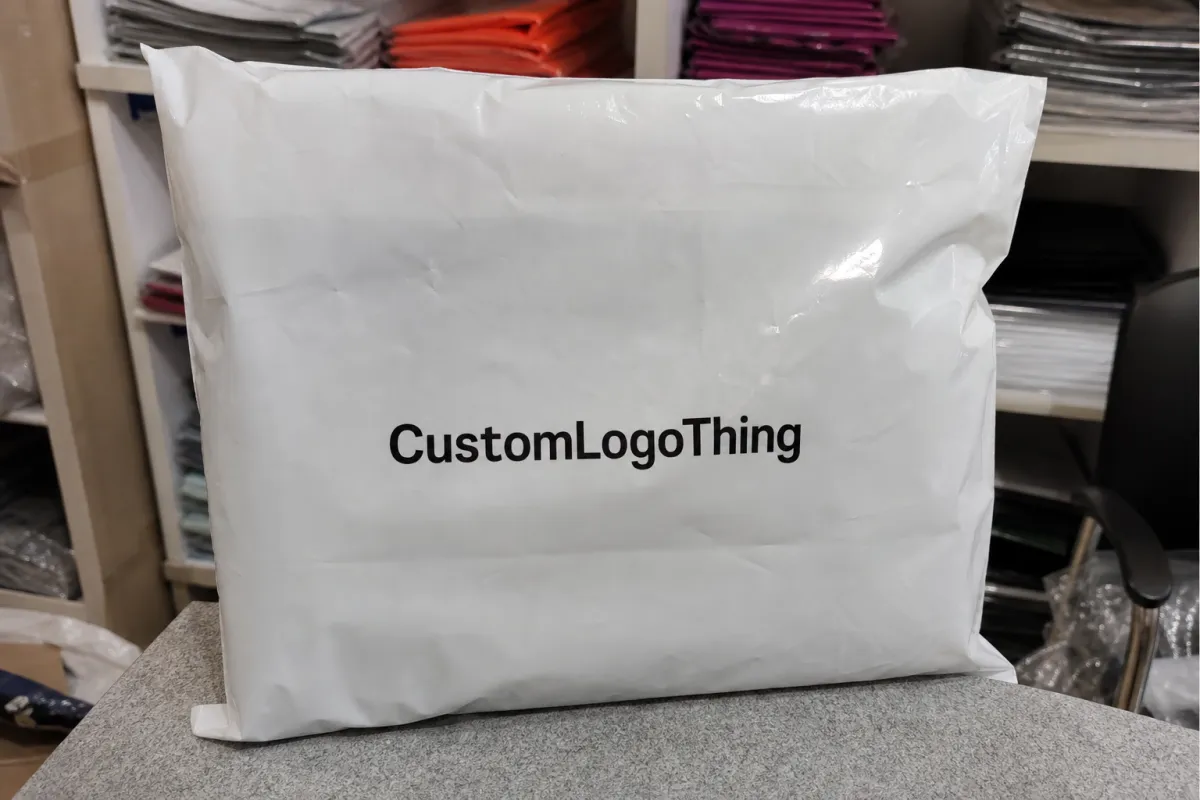
If you are sorting out corporate gifting Custom Poly Mailer bags wholesale order planning, start with the gift itself, not the artwork. That sounds obvious, yet people still pick a mailer from a catalog photo and hope the insert, tissue, and card all fit later. They usually do not. Measure the packed kit, add room for a fold or sleeve, then choose the bag from the contents outward. That approach saves money and avoids the classic mistake: paying for a bag that looks sleek but cannot close cleanly once the gift is packed.
Mailers work especially well for gifts that stay flat: folded apparel, notebooks, charging cables, stationery sets, sample packs, and snack assortments. Those items ship with lower dimensional weight than a box, and the carrier bill usually reflects that. You also skip a lot of filler material, which matters when you are shipping hundreds or thousands of units. Fewer materials, fewer touchpoints, less time at the pack station. Not glamorous. Very useful.
A well-sized poly mailer also improves the unboxing moment without pretending to be something it is not. The outer bag can carry the logo, campaign message, or event theme, while the inner contents stay simple. That is practical package branding: enough polish to feel intentional, not so much that the bag becomes a vanity project.
"If the kit rattles, the mailer is wrong. If the seal fails, the spec is wrong. The rest is just decoration."
For buyers comparing Custom Poly Mailers against Custom Packaging Products, the question is not which looks better on a screen. It is which format fits the contents, storage space, and launch date with the least risk. That is why corporate gifting Custom Poly Mailer Bags wholesale order planning should begin with real packout dimensions, not a mood board.
Sizes, Closure Styles, and Branding Options That Fit the Gift
Size is where most buyers either save money or waste it. Measure the tallest and widest packed item, then add margin for a fold, a tissue layer, or a printed insert. Do not guess from a catalog chart and hope the contents behave. They will not. A 9 x 12 in. mailer may be perfect for a folded shirt and card, while a 10 x 13 in. size can make more sense once you add a thicker stationery set or a small box inside the bag.
Closure style matters too. A self-seal adhesive strip is the standard for most corporate gifts because it is fast and clean. Peel-and-stick closures are similar, but the adhesive quality needs checking if the bags will sit in storage before use. Tamper-evident seals make sense for retail packaging or high-value mail fulfillment, but they are not always necessary for internal gifting. For employee kits and client mailers, the practical goal is simple: close securely, open cleanly, and do not fight the packer.
Branding options range from one-color logo runs to full-surface print. One-color work is cheaper, faster, and often enough if the logo is strong. Full bleed printing gives more visual impact, but it also increases ink coverage, setup attention, and the chance that small artwork mistakes show up. Seams, seals, and edge trims eat into the printable area, so the artboard needs to reflect real production space, not the fantasy rectangle some design mockups use.
- One-color logo: best for simple package branding and lower unit cost.
- Full-surface print: better for campaign graphics and stronger branded packaging.
- Opaque film: useful when the contents should stay private.
- Decorated flap or zipper area: adds polish, but only if the structure supports it.
Two small details separate decent corporate gifting mailers from the cheap giveaway kind: clean edge sealing and opacity that actually works. If the contents show through or the seal looks uneven, the bag loses credibility fast. Nobody wants a gift that looks like it was packed in a hurry, even if it was. That is especially true for employee onboarding kits and client appreciation drops, where the outer package is part of the message.
Material and Finish Specs Buyers Should Lock In First
Material choice drives durability and cost more than people expect. Thinner films save money, but thicker gauges resist puncture better when the gift includes hard corners, metal items, or dense inserts. For many corporate gift runs, a 2.5 mil to 3 mil poly film is a sensible starting point. Step up to 4 mil or a reinforced build if the contents are heavier, the route is rough, or the brand cannot tolerate a damaged arrival. That is plain old risk management, not fancy packaging theory.
Finish changes both appearance and handling. Matte looks cleaner and hides scuffs better. Gloss gives more pop on graphics but shows fingerprints and surface marks faster. Metallic or pearlescent effects can work for seasonal kits, but they should be used with restraint. A shiny finish does not rescue weak layout. It just makes weak layout shinier.
Opacity, seal strength, and recycled content should be locked in before you ask for a price. Opacity protects privacy, which matters for internal gifting and payroll-related shipments. Seal strength affects carrier survival. Recycled-content claims need documentation, especially if the buyer plans to reference sustainability in campaign messaging. If a supplier cannot explain the material spec clearly, keep moving. For general waste-reduction guidance, the EPA recycling resources are a good reference point, and they are less noisy than most marketing claims.
For buyers with environmental targets, ask what portion of the bag is recycled content, whether the claim is pre-consumer or post-consumer, and whether the ink system affects recyclability. Do not assume “eco” means much. It often does not. If the campaign needs a credible sustainability angle, ask for documentation and a written spec sheet rather than a vague promise.
In practice, the best quoting process starts with a simple sheet: finished size, film thickness, finish type, seal style, print coverage, and target quantity. That keeps the supplier from pricing a moving target. It also reduces the back-and-forth that tends to slow corporate gifting Custom Poly Mailer bags wholesale order planning when several departments want to “just make one tiny change.” Tiny changes are how budgets drift.
For transit checks, I like using ISTA methods as a sanity filter. You do not need a lab for every run, but you do need a realistic test for packed samples, drop resistance, and closure performance. If the bag survives handling in your own office, that is a decent sign. If it fails there, it will not improve in the carrier network.
Pricing, MOQ, and Unit Cost Drivers
Pricing is usually shaped by quantity tiers, print colors, bag size, film thickness, finish, and whether the order needs special packing or kitting. Straightforward runs are cheaper because they are simpler to produce. That is not a mystery. It is just how manufacturing works. A one-color logo on a standard size bag will price differently from a full-bleed metallic print on a thick opaque film with custom sealing requirements.
MOQ, or minimum order quantity, matters because setup costs need enough volume to spread out. For corporate gifting, the right MOQ is the one that fits the campaign plus a small buffer. If the buyer orders too few, the per-unit price climbs. If the buyer orders too many, the extras sit in storage and the “savings” start looking silly. A practical MOQ for custom poly mailer bags often lands in the low thousands, though the real number depends on size, print complexity, and material.
| Spec Choice | Typical Unit Price Range | Typical MOQ Pressure | Best Fit |
|---|---|---|---|
| 2.5 mil, one-color print | $0.14-$0.22 at 5,000+ units | Lower | Simple employee kits, stationery sets |
| 3 mil, full-surface print | $0.18-$0.30 at 5,000+ units | Medium | Client gifts, event mailers, campaign drops |
| 4 mil, opaque or recycled-content build | $0.24-$0.38 at 5,000+ units | Medium to higher | Heavier kits, privacy-sensitive shipments |
| Special finish or tamper-evident closure | $0.28-$0.45 at 5,000+ units | Higher | Premium branded packaging, controlled distribution |
Those ranges are not magic numbers. They move with quantity, artwork coverage, and freight. A quote that looks cheap on paper can become expensive once shipping, sample fees, and overage allowances are added. That is the part buyers skip and then complain about later. Compare the landed cost, not just the bag price.
One good rule: ask for pricing at two or three quantities so you can see where the breakpoints sit. A jump from 3,000 to 5,000 units may shave enough off the unit cost to justify the extra inventory. Or not. The numbers tell the story. Guesswork does not.
If you want a broader view of sourcing options, compare the structure on the Wholesale Programs page with the direct product pages, then decide whether the order belongs in a repeat program or a one-off campaign. That is a more honest way to manage corporate gifting custom poly mailer bags wholesale order planning than building the project around a vague “budget target” nobody can defend.
Process and Lead Time: Proof, Production, and Delivery
The production process is usually simple enough, but only if the buyer shows up prepared. Artwork goes in, the supplier checks the file, a digital proof is issued, and then the order moves into production after approval. If the project needs a physical sample or pre-production proof, that adds time, but it also reduces embarrassment. I would rather spend a few extra days verifying a color or seal than explain a failed launch to a client.
Lead time depends on more than the factory schedule. New tooling, large color areas, holiday demand, freight method, and file corrections all push the calendar. A straightforward run with print-ready files may move in 12-15 business days after proof approval, then another few days for transit. A more complex order can take longer. If the campaign date is fixed, work backward and leave room for revisions. The calendar is always more stubborn than the sales deck.
Approvals slow projects down more than production does. The fastest way to miss a deadline is to send artwork that still needs brand sign-off, color cleanup, and dimension changes. If you want the schedule to behave, send print-ready files, confirm Pantone targets early, and lock the bag size before the slot is reserved. That is basic corporate gifting custom poly mailer bags wholesale order planning, and it saves everyone from the usual round of “just one last edit.”
Freight choice matters too. Air is faster and more expensive. Ocean or ground is slower but easier on the budget. If the gifts are going out by a hard event date, build in backup transit time so one delay does not break the launch. There is nothing elegant about paying rush freight because someone approved a proof on Friday afternoon and expected magic by Tuesday.
For teams building repeat programs, save the approved spec sheet, artwork files, and color references in one place. That way the next reorder does not depend on memory. It depends on records. Much better system.
Quality Checks Before You Approve the Wholesale Run
Quality control is where a lot of problems disappear before they become expensive. Start with seal integrity. Then check print alignment, color consistency, adhesive strength, and whether the bag actually fits the packed gift kit. If the logo drifts into a seam or the adhesive closes unevenly, catch it on the sample, not on 4,000 finished bags. That is the difference between a normal production run and a headache.
Ask for samples or a pre-production proof if the order is time-sensitive or the artwork is brand-critical. Screen mockups lie with confidence. Physical samples tell the truth. You do not need a lab coat to spot a misfit, either. Pack the gift, drop the sample from a reasonable height, rub the print lightly, and check the corners after handling. If the bag holds up in a basic stress check, you are in decent shape.
Use this short checklist before sign-off:
- Fit: the contents slide in without forcing the seal.
- Closure: adhesive or seal closes fully and stays shut.
- Print: logo placement matches the approved art.
- Opacity: the contents are not visible through the film.
- Finish: the surface looks clean, not scuffed or uneven.
Content protection matters just as much as appearance. If the mailers will move through multiple handoffs, scratch resistance and label placement become real issues. A gorgeous bag with bad handling performance is still a bad bag. That is why the better buyers treat packaging design as a production decision, not just a branding exercise.
For teams balancing retail packaging standards with internal gifting needs, the test is simple: does the mailer survive transit, preserve the gift, and look intentional when opened? If yes, keep going. If no, change the spec. Nobody gets points for stubbornness.
Choosing a Supplier for Repeat Corporate Gifting Runs
Repeatability matters more than charm. A supplier can be polite and still cost you time if they cannot hold specs, match the prior color, or reproduce the same mailer six months later without drama. For corporate gifting programs, consistency is the real asset. The next campaign should look like the last one, unless you changed the brief on purpose.
Good vendors send clear proofs, quote without hiding basic fees, and answer practical questions quickly. They also keep records. If the supplier needs you to resend the same logo file and bag dimensions for every reorder, that is a weak sign. The best shops treat the spec sheet like a control document. Boring? Yes. Useful? Extremely.
Look for these signs of a stable partner:
- Transparent quoting: bag price, setup, freight, and sample fees are separated clearly.
- Responsive support: the account team answers fit, color, and closure questions fast.
- Stored specs: artwork and dimensions are saved for the next run.
- Repeat controls: the supplier can match a prior approved sample.
If you are comparing vendors through Custom Packaging Products or broader sourcing lists, ask how they handle reorders, overages, and file retention. Those details matter more than a glossy sales pitch. Strong suppliers reduce risk, which is exactly what corporate gifting buyers need.
There is also a place for honest substitution. If a mailer spec becomes too expensive, a supplier should be able to explain whether a lighter film, different finish, or smaller print area keeps the job on budget without wrecking the look. That is real support. Everything else is just brochure language.
Next Steps for a Clean Reorder Plan
Start by confirming three things: the packed gift contents, the ship date, and the quantity. Those inputs decide the size, material, closure, and price range faster than any creative brief does. If the contents are still changing, wait. Locking a bag spec before the kit is final is how people buy the wrong thing twice.
Next, gather artwork, brand colors, and approval contacts in one file set. That reduces the back-and-forth and keeps the project moving. Then request a sample or proof before the full run is released. It costs a little time, but it protects the budget. That is a fair trade.
For the next corporate gifting custom poly mailer bags wholesale order, keep a simple reorder record: approved size, film thickness, finish, closure, print layout, unit price, freight method, and lead time. That way the next buy is faster, cleaner, and easier to defend internally. No detective work. No guessing.
One last practical move: order a small overage above the exact need. Running short on branded packaging is self-inflicted pain. A modest buffer gives you room for damage, address changes, and late additions without forcing a rush reorder. In a corporate gifting program, that cushion is usually cheaper than the scramble it prevents.
Done right, corporate gifting custom poly mailer bags wholesale order planning is not complicated. It just rewards people who ask the annoying questions early: fit, film, finish, MOQ, and lead time. Get those right, and the mailer does its job quietly. That is the point.
FAQ
What is a normal MOQ for corporate gifting custom poly mailer bags wholesale orders?
Most wholesale runs start where setup costs can be spread across enough units to keep the per-bag price reasonable. The right MOQ depends on size, print complexity, and whether the order is for a one-time campaign or a repeat gift program. If the quantity is uncertain, ask for tiered pricing so you can see the cost jump between a smaller test run and a larger buy.
How long does production usually take for custom poly mailer bags in bulk?
Lead time usually depends on proof approval, artwork readiness, and whether the factory needs new tooling or special finishing. Straightforward runs move faster when files are print-ready and sizes are already confirmed. If the shipment has a fixed event date, build in extra time for revisions, transit, and any internal approval delays.
What print details should I confirm before approving a wholesale mailer order?
Confirm the logo size, print colors, placement, and whether the artwork is meant for full coverage or a simple front-panel mark. Ask how seams, folds, and seals affect the printable area so the final layout does not clip important branding. Get the proof approved in writing before production starts, because screen mockups are not a substitute for a real spec check.
How do I estimate unit cost for custom poly mailer bags in corporate gifting?
Start with quantity, size, film thickness, and number of print colors, then add freight and any sample or setup fees. Higher coverage, thicker material, and tighter timelines usually raise the unit price. Compare the full landed cost, not just the bag price, or the quote will look cheaper than it really is.
What should I send to get an accurate wholesale quote for custom poly mailer bags?
Send target quantity, finished bag size, material preference, print artwork, and delivery deadline in one message. Include the gift dimensions or a packed sample photo so the supplier can recommend the right fit instead of guessing. If you expect repeat orders, ask the vendor to save the approved spec sheet for faster reordering later.

