Cosmetics Cuffed Knit Beanies Material Sample Guide
A knit beanie sample can look finished and still miss the mark in real use. The cuff may relax too quickly, embroidery can pucker, or the fabric may feel warmer on paper than it does after a few hours of wear. That is why the cosmetics Cuffed Knit Beanies material sample guide needs to focus on performance first and presentation second.
For buyers in beauty, skincare, and promotional retail, the sample is not just a color check. It is a test of handfeel, recovery, stitch density, decoration compatibility, and shape retention. Miss one of those, and the final order can look close to approval but behave very differently in the field.
Why a Sample Can Look Right and Still Fail
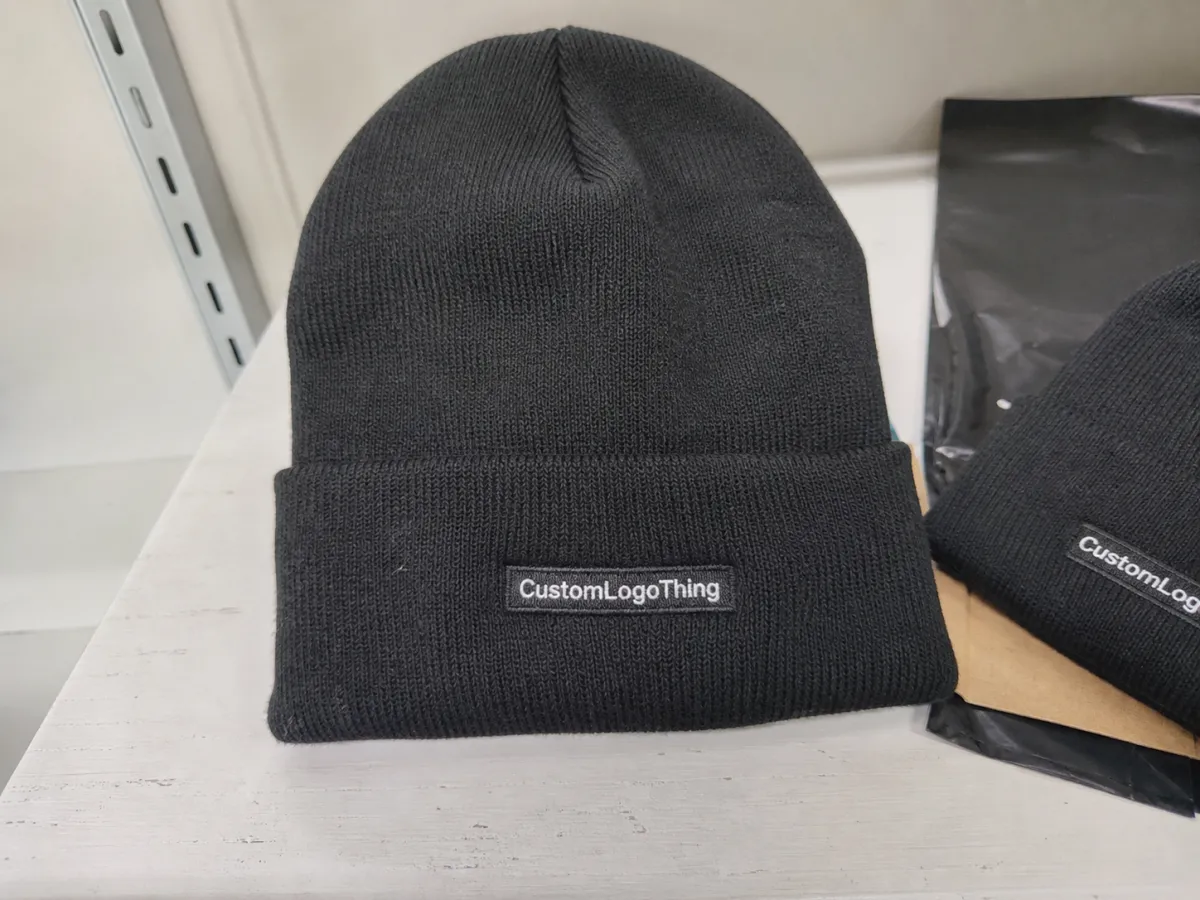
A cuffed knit beanie is a small product with a lot of moving parts. The surface is visible, the cuff is functional, and the decoration has to sit on a fabric that stretches every time the hat is put on. A sample can pass a quick visual check and still fail after ten minutes of wear because the yarn twist, rib structure, and seam build were never tested under tension.
The first thing many buyers overlook is recovery. A soft yarn blend may feel premium in hand, but if the cuff does not bounce back after repeated stretching, the beanie begins to flare or sag. On the other side, a denser knit may hold shape well and still feel less comfortable if the fabric is too firm or the seam bulk sits under the cuff line.
There is also a difference between the sample you hold and the product the customer wears. A flat swatch cannot show how the crown shapes, how the cuff folds, or how embroidery changes the drape. That is why the sample process should move from yarn swatch to blank beanie to decorated pre-production piece. Each one answers a different question.
“A good sample does not try to impress. It reveals where the order will break if the spec is wrong.”
For beauty and cosmetics brands, the stakes are slightly different from a standard apparel run. These beanies often sit in gift-with-purchase programs, retail bundles, staff kits, or seasonal merch drops. That means the visual standard is high, but so is the expectation that the piece will survive shipping, handling, and everyday use without looking tired.
How Material Samples Translate Into the Finished Beanie
The material sample tells you more than fiber content. It shows how the yarn behaves once it is knit into a cuffed structure. Acrylic-rich blends generally offer a soft hand, predictable color, and manageable cost. Polyester can improve durability and reduce some wear issues, though it may feel less warm or less natural in the hand. Wool adds premium warmth and better temperature regulation, but it usually raises price and care sensitivity. Recycled content can support a sustainability story, as long as the blend still meets fit, softness, and recovery targets.
Color behaves differently in knit than it does in print or woven fabric. Ribbing creates shadows, and those shadows can make the same shade read deeper in the cuff than on the body. A sample should be checked in daylight and under indoor lighting, because a color that looks balanced in one setting can shift noticeably in another. For beauty brands with strict identity colors, that shift matters.
Decoration changes the result more than buyers often expect. Embroidery backing stiffens the fabric around the logo. A woven label can pull the knit if the stitch density is too open. Heat transfer can sit flatter, but it may reveal texture changes on looser gauge knits. A blank approval is not enough if the final order includes a logo, patch, or label; the sample must reflect the same decoration method the bulk order will use.
That is also where the use case changes the spec. A promotional giveaway can accept a simpler finish if the budget is tight. A retail beanie needs cleaner edges, better pilling resistance, and more disciplined color matching. The same base yarn can work for both, but the spec cannot be the same.
Material and Construction Factors That Change Feel, Fit, and Branding
Three variables shape most of the outcome: yarn blend, gauge, and stitch count. Together, they determine stretch, warmth, smoothness, and how clearly a logo sits on the front panel. A tighter gauge usually gives a cleaner surface and better brand definition. A looser gauge can create a softer drape and more casual look. Neither is better on its own; the choice depends on whether the buyer wants a polished retail profile or a softer promotional handfeel.
Cuff depth and crown height matter almost as much. A deeper cuff gives more room for branding and often helps the beanie sit securely over the ears. A shallow cuff looks lighter and more modern, but it reduces the decoration zone and can make logo placement more sensitive. Seam style deserves attention too. A flatter seam feels less bulky under the cuff and usually photographs better. A thicker seam can create pressure points and interfere with embroidery.
Here is a simple comparison that helps buyers separate sample directions before they spend time on revisions:
| Sample option | What it tells you | Typical price signal |
|---|---|---|
| Acrylic rib-knit blank | Baseline fit, softness, color stability | $0.80-$1.60 per unit at higher MOQ |
| Acrylic/wool blend blank | Warmer handfeel, premium drape, better recovery | $1.40-$2.80 per unit depending on fiber share |
| Decorated pre-production sample | Logo scale, label placement, final appearance | $15-$45 sample fee plus freight in many cases |
| Custom-dyed or specialty yarn sample | Color match, texture, production risk | Highest setup cost, usually slower to approve |
Decoration should always be judged on the actual knit, not just an art mockup. A patch that looks crisp on a dense cuff can feel oversized on a softer one. Embroidery backing can compress the knit around the design if the stitch count is too heavy. That is why buyers should ask for the exact decoration method that will be used in bulk.
Packaging is part of the sample conversation too, especially if the beanie is being positioned for resale. Some brands want folded pieces in kraft paper sleeves or corrugated cardboard cartons built from FSC certified material. Others prefer simple polybags or banded sets. Those choices affect not only presentation but also labor, carton count, and shipping durability. If transit strength is a concern, references from ISTA are useful. For fiber and paper sourcing claims, FSC is the better checkpoint.
Quality tests do not need to be complicated, but they do need to be repeatable. Buyers often ask for pilling or dimensional stability checks using standard knit evaluation methods. The exact lab path depends on the supplier, yet the important thing is whether the sample was measured consistently rather than judged by eye alone.
Process and Timeline for Requesting, Reviewing, and Approving Samples
The cleanest sample process starts with a short but complete brief. Include the style target, yarn preference, logo files, expected order size, and the approval deadline that actually matters. If the beanie is tied to a seasonal launch, retail drop, or cosmetics gift set, say so up front. Suppliers make better samples when they understand the final job.
Stock-based samples move faster than custom work. A blank knit in an existing yarn usually arrives sooner than a custom-dyed, decorated, or specialty-finished sample. The timeline slows whenever shade matching, decoration scale, or multiple knit constructions enter the discussion. That slowdown is normal, not a sign of poor execution. It just means the sample is doing real work.
Most review problems come from inconsistent evaluation. Sample A gets approved in daylight. Sample B is checked under office lighting a week later. Sample C is compared after the team has already developed a preference. The result is drift, not decision-making. The fix is simple: review samples in the same room, under the same light, with the same note sheet.
What to check in one sitting
- Measure cuff depth, crown height, and total stretch before wear testing.
- Check color under daylight and indoor light.
- Stretch the cuff several times and watch the recovery speed.
- Inspect the logo area for puckering, skew, or surface distortion.
- Feel the seam and inner edge for bulk, scratchiness, or pressure points.
A quick wear trial gives better evidence than a handhold alone. Put the sample on, fold the cuff, remove it, and repeat the cycle. If the beanie starts to lose shape, the fabric is too open or the recovery is too weak. If it feels stiff after decoration, the backing or patch construction may be too heavy for the knit.
“If two people compare samples on different days, they are not comparing the same test.”
That is why approval should be documented as a spec decision, not a casual reaction. One clear reference sample is more useful than five loosely remembered opinions.
Cost, MOQ, and Unit-Cost Tradeoffs to Watch
Sample pricing can look straightforward until the revisions begin. A stock-based blank may cost only a few dollars. A decorated or custom-built sample can add setup fees, revision charges, and courier costs. Once a buyer requests multiple colorways or alternate cuff depths, the sample budget can move quickly. The risk is not the fee itself; the risk is treating the sample as a one-time purchase instead of part of the development cycle.
MOQ matters because the unit price falls as production volume rises. At low quantities, the supplier has less room to spread setup costs, especially if the order includes custom yarn, branded labels, or embroidery. At higher quantities, a small increase in yarn quality or knit density may raise the quote slightly, but it can reduce claims, returns, and replacement shipments later. That tradeoff is often more expensive than buyers expect.
Here is a practical way to compare sample paths:
| Approach | Best for | What usually changes the cost |
|---|---|---|
| Single blank sample | Testing fit and material direction | Yarn choice, shipping, basic labor |
| Blank plus decorated sample | Brand approval and artwork checks | Embroidery, patch work, label setup |
| Two or three variant samples | Comparing blends or cuff styles | Extra sample labor and repeat freight |
| Full pre-production approval set | Final signoff before bulk production | Custom materials, revisions, coordination |
The cheapest sample is not always the lowest-risk one. If the sample does not reflect the final construction, it can create expensive rework after bulk production starts. That is why the Cosmetics Cuffed Knit Beanies material sample guide should include a landed-cost view: sample fee, shipping, likely revision costs, and expected unit cost at the target quantity.
Packaging affects budget too. Some buyers want simple folded beanies in biodegradable packaging, while others prefer banded sets or carton packing on recycled materials and post-consumer waste content. Those choices can improve the sustainability story, but they also change labor time and carton count. If the supplier cannot document the material claims, the environmental language should stay conservative.
Common Mistakes Buyers Make
The biggest mistake is judging the sample only by softness. A soft beanie may stretch too far, pill quickly, or lose its shape after a few wears. A better test is a short wear trial that includes stretching, folding, and rechecking the cuff after some time off the head. That shows whether the knit behaves like a product or just a swatch.
Lighting is another trap. Knit texture throws shadows, and those shadows can change the way a color reads. A sample approved under warm office light may look darker or cooler in daylight. If the color has to align with a brand standard, review it in at least two lighting conditions before approval.
Decoration is often underestimated. A blank sample tells you how the fabric feels, but not how the final piece will sit once embroidery backing or a woven label is added. Those additions can stiffen the front panel or distort the knit slightly. Treat blank approval and artwork approval as separate decisions.
Another common issue is comparing apples to oranges. Teams sometimes review one sample in a base color and another in a dyed lot, or compare a loose gauge to a tighter one without acknowledging the difference in feel. If the final order includes multiple colors or constructions, the samples need to be compared side by side.
Documentation is the final weak point. If cuff height, logo size, label position, or color tolerance is only discussed in a call, someone will remember it differently later. A short written approval note prevents that drift and gives the production team a fixed reference.
Practical Tips for a Cleaner Final Spec
The most useful improvement is also the most ordinary: keep one approval sheet and make it specific. Record the yarn blend, gauge, cuff height, crown shape, label type, decoration size, and any color tolerance. If the beanie is intended for retail shelves, an employee kit, or a cosmetics giveaway bundle, write that down too. End use changes what “good” means.
One consolidated feedback round is usually better than scattered comments over several days. If the logo needs to move, the cuff needs to deepen, and the yarn needs to feel softer, send all three notes together. It keeps revisions efficient and helps the supplier avoid building the same sample twice.
Ask about packaging after the sample is approved, not months later. Carton counts, fold direction, banding, and ship timing all affect downstream planning. If sustainability is part of the brief, check whether the cartons are actually made from FSC certified corrugated cardboard and whether the wrap material is truly kraft paper, not just paper-colored plastic. Claims should be supported by paperwork, not assumption.
For production control, treat the final review like a closeout. Compare the approved sample against the intended job, attach the artwork file, quantity range, and target ship date to the same record, and keep the reference piece labeled. That makes the cosmetics cuffed knit Beanies Material Sample guide useful long after the first approval call.
There is no perfect beanie material for every brand. The better question is whether the sample proves the knit will hold shape, present cleanly, and survive handling at the target price. If it does, the order has a real chance of matching what was approved.
What should a cosmetics cuffed knit beanies material sample include?
A useful sample should show the yarn blend, knit density, cuff depth, and the intended decoration method. It should also be detailed enough to judge handfeel, stretch recovery, and how the beanie holds shape after wear.
How many samples do I need before approving a bulk order?
Most buyers should compare at least one base sample and one decorated or pre-production sample if branding matters. If the order includes several colors or finishes, request enough samples to compare the options under the same lighting.
Which yarn blend is best for soft cuffed knit beanies?
Acrylic and acrylic-rich blends usually deliver softness, warmth, and consistent color at a practical price point. If the goal is a more premium handfeel or stronger temperature control, wool or mixed-fiber options are worth sampling.
How long does the sample and approval process usually take?
Simple stock-based samples can move quickly, while custom yarn, color matching, or decorated samples usually need more time. The fastest path is a complete brief with artwork, quantities, and approval criteria sent at the start.
How do I compare sample pricing without missing hidden costs?
Compare the sample fee, shipping, revision charges, and expected unit cost at the target quantity, not just the headline price. Also check whether the sample reflects the final construction, because a cheaper sample that misses the real spec can create expensive rework later.
Used carefully, the cosmetics cuffed knit Beanies Material Sample guide helps buyers make cleaner approvals, reduce production surprises, and ship a final product that matches the brief instead of merely resembling it.


